The Real Hidden Gems Used as Filming Locations for “The Odyssey”

I liked Christopher Nolan’s The Odyssey even more, once I started recognizing some of the filming locations they used.
Rather than building Homer’s ancient world with CGI, Nolan and cinematographer Hoyte van Hoytema took the production around the globe, using real beaches, caves, castles, islands, volcanic landscapes and coastlines for Odysseus’ legendary journey home.
The film was shot over 91 days across Morocco, Greece, Italy, Iceland, Scotland and Malta, with additional water and studio work in Norway and Los Angeles.
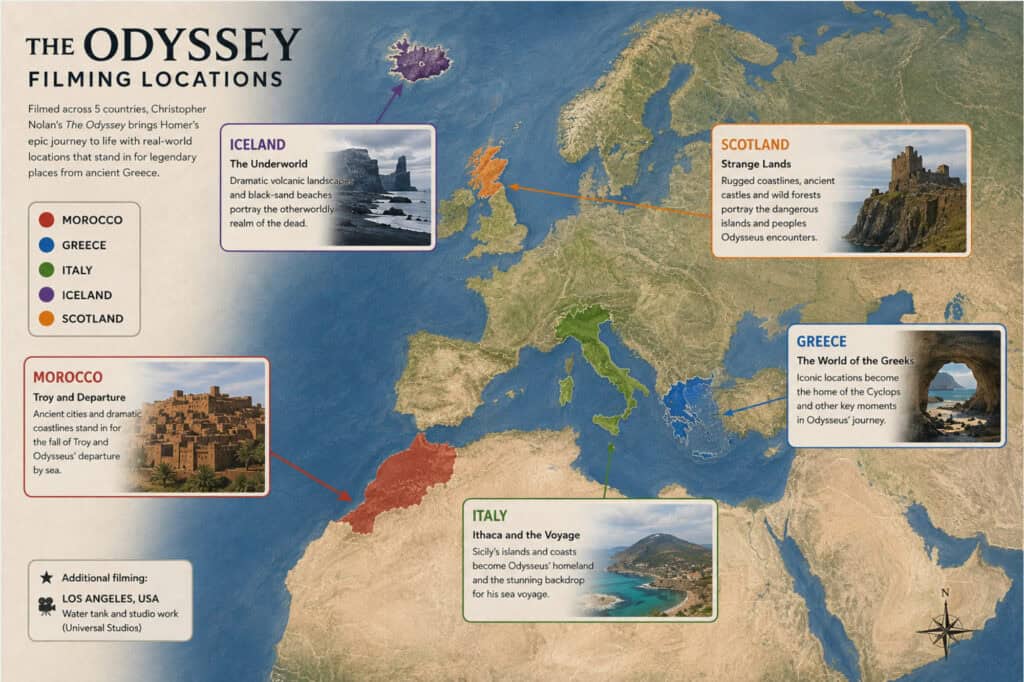
Here are the real places that became the mythical world of The Odyssey.
Morocco: The Fall of Troy
Ait Benhaddou: Troy
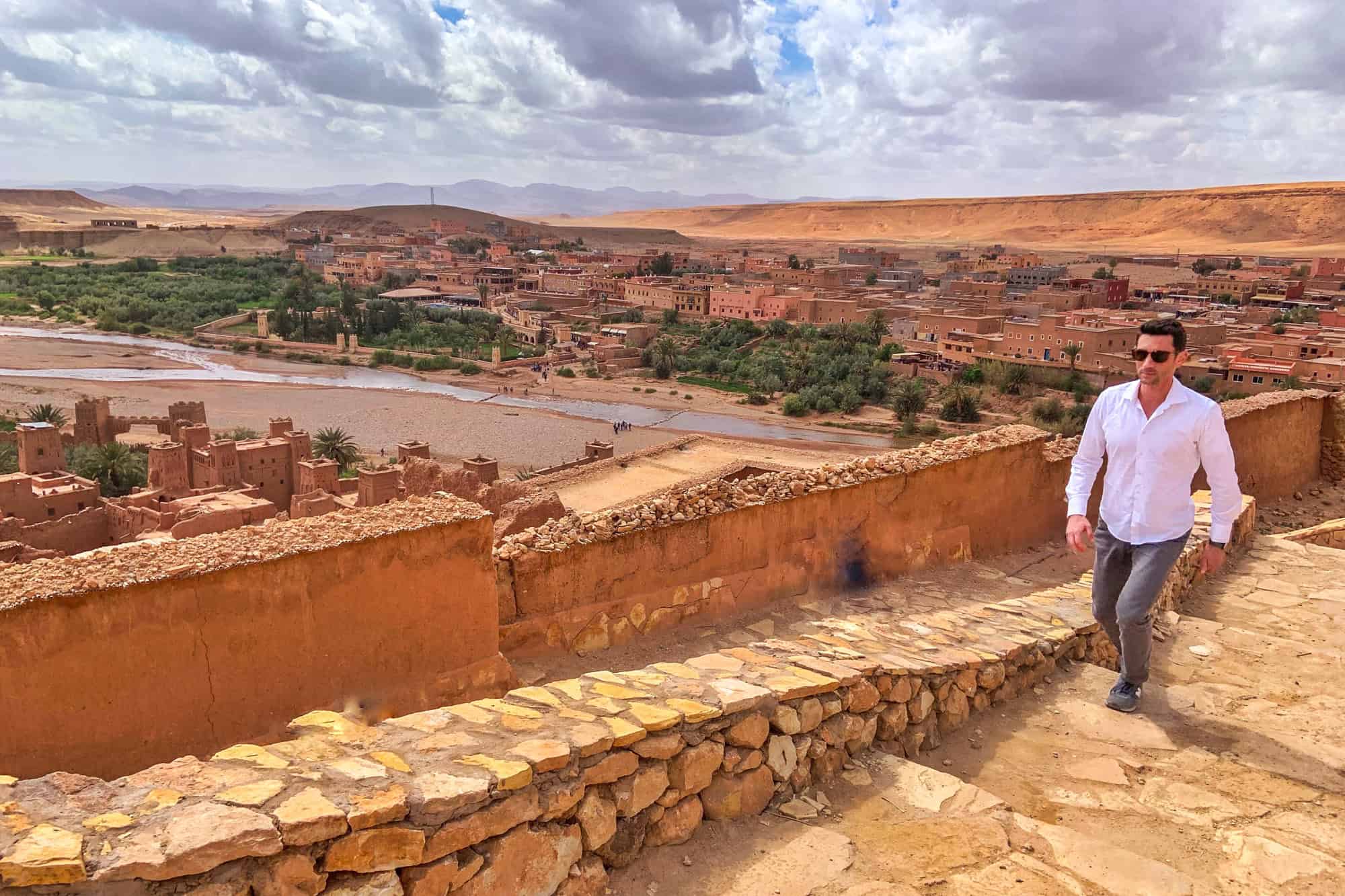
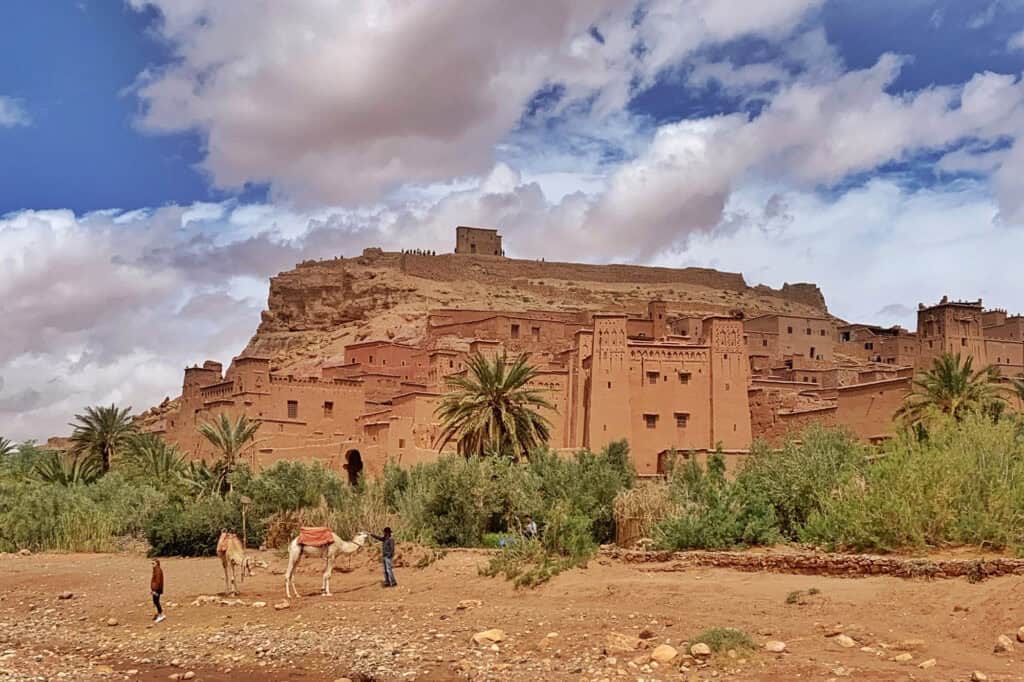
One of the most spectacular transformations happened at Ait Benhaddou, the thousand-year-old fortified village near Ouarzazate in southern Morocco.
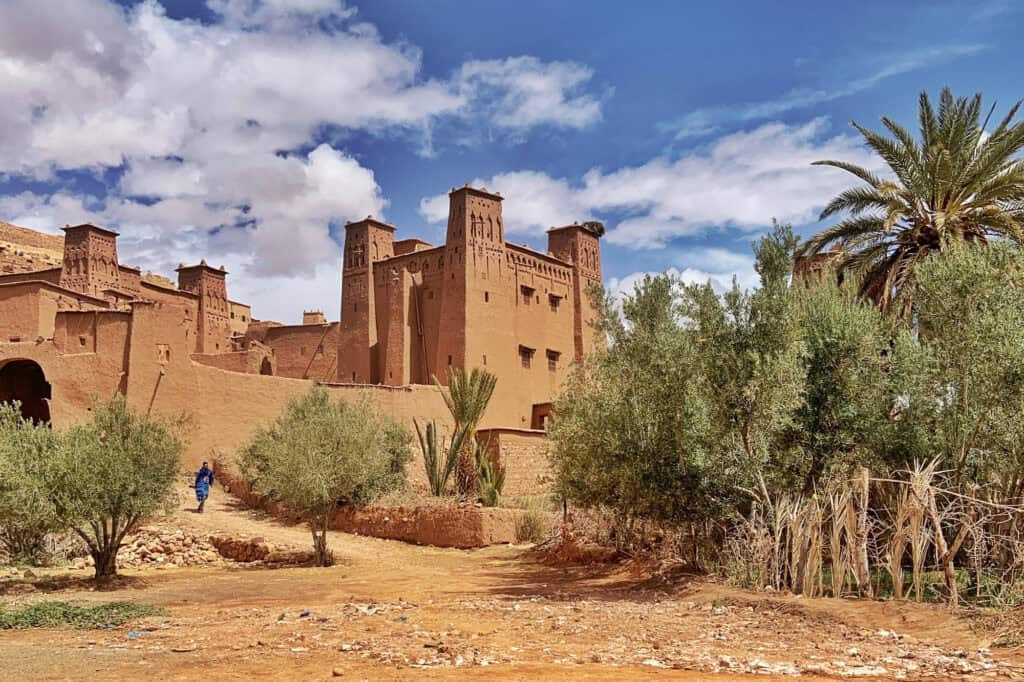
This UNESCO-listed earthen settlement (literally made of packed earth and straw) became Troy, where the film opens near the end of the Trojan War.
The production built substantial temporary sets around the existing village, so they could stage the massive battle and burning of Troy.
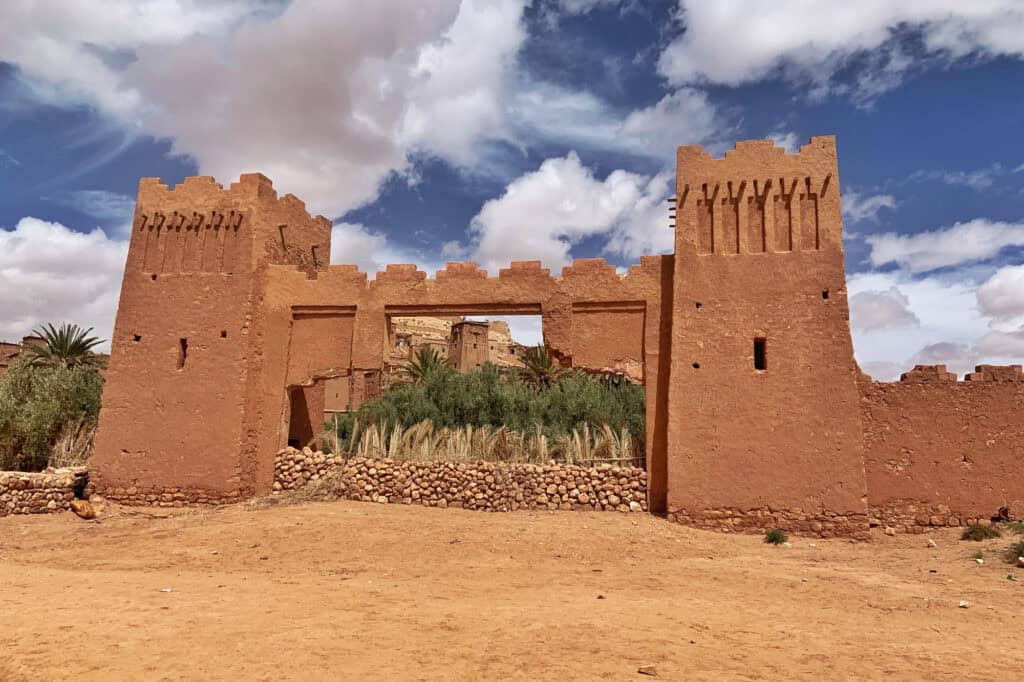
There’s no nearby coastline for the Trojan Horse. More on that in a moment…
Ait Benhaddou has appeared in plenty of other major productions before, but The Odyssey gives it an entirely new identity on screen.
➡️ TOUR: Marrakesh to Ait Benhaddou
It’s a beautiful part of Morocco to visit, but be prepared for windy, narrow roads on a multi-hour drive from Marrakesh. Honestly, I’d hop on a quick Royal Air Maroc flight on my next trip!
Essaouira: Troy (The Trojan Horse’s Arrival)
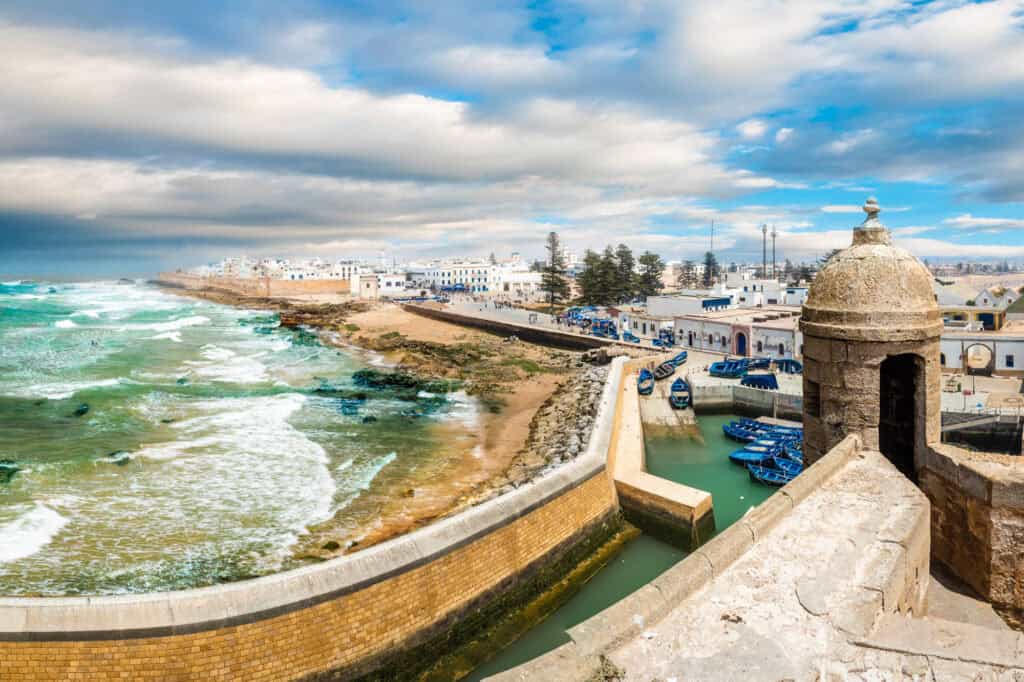
Essaouira, on Morocco’s Atlantic coast, hosted the crew for scenes including the Trojan Horse’s arrival on shore, and Odysseus’ departure by sea.
➡️ TOUR: Marrakesh to Essaouira
It’s an easy visit from Marrakesh!
Greece: The Cyclops and the Ancient World
Well, I’d say: a film based on a Greek epic would spend serious time shooting in Greece.
The Odyssey cast and crew spent a few weks filming in the Peloponnese, particularly around Messenia: Pylos, Methoni, Yialova, Voidokilia and Corinth.
Nestor’s Cave at Voidokilia Beach: The Cyclops’ Cave
One of the most memorable real locations in the film is Nestor’s Cave, perched above Voidokilia Beach, and used for the encounter with the Cyclops giant.
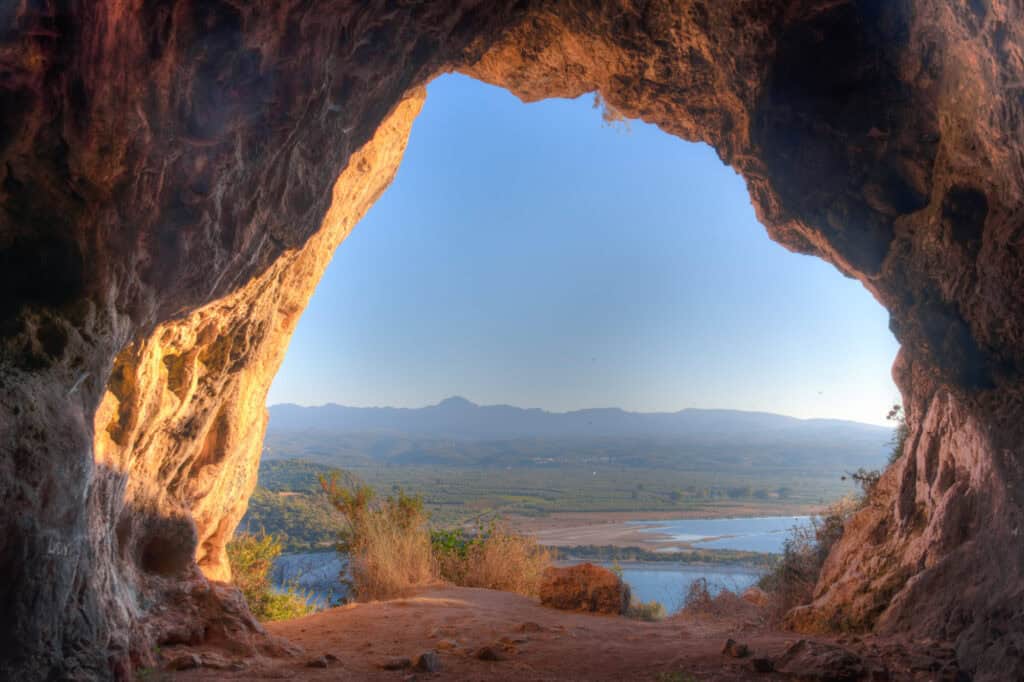
Rather than build a generic movie cave, Nolan filmed inside an actual cavern in Voidokilia, known for its beautiful beaches and turquoise water.
Methoni Castle : Ancient Strongholds
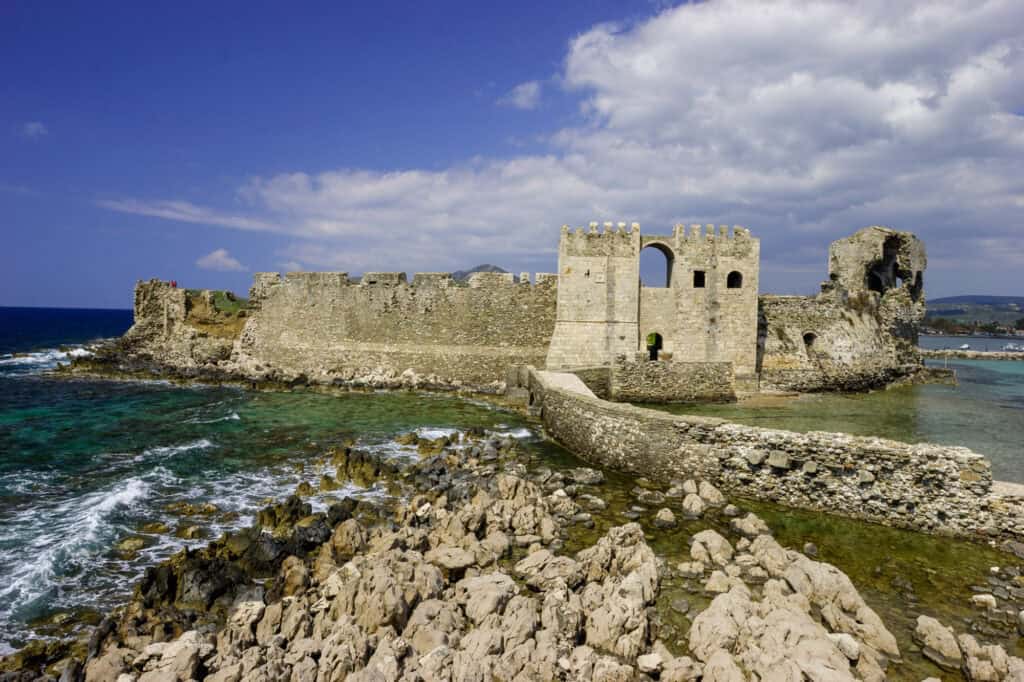
The medieval Methoni Castle on Greece’s southwestern coast provided another key backdrop for the ancient Mediterranean world, with its massive stone walls and seaside towers.
Acrocorinth: Ancient Greece
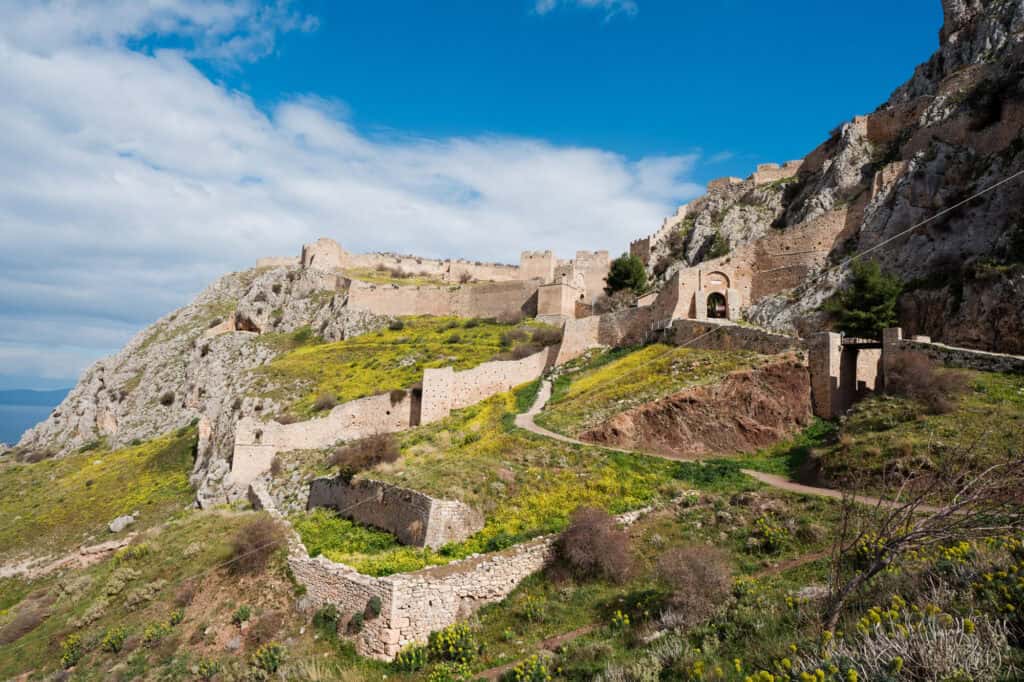
Above Corinth, the archaeological site of Acrocorinth is a medieval fortress used to evoke the power of ancient Greece.
I have quite a bit about the Athens area, the islands of Skopelos and Skiathos, plus how to handle a summer visit to Greece in separate posts.
Italy: Sicily Becomes Ithaca
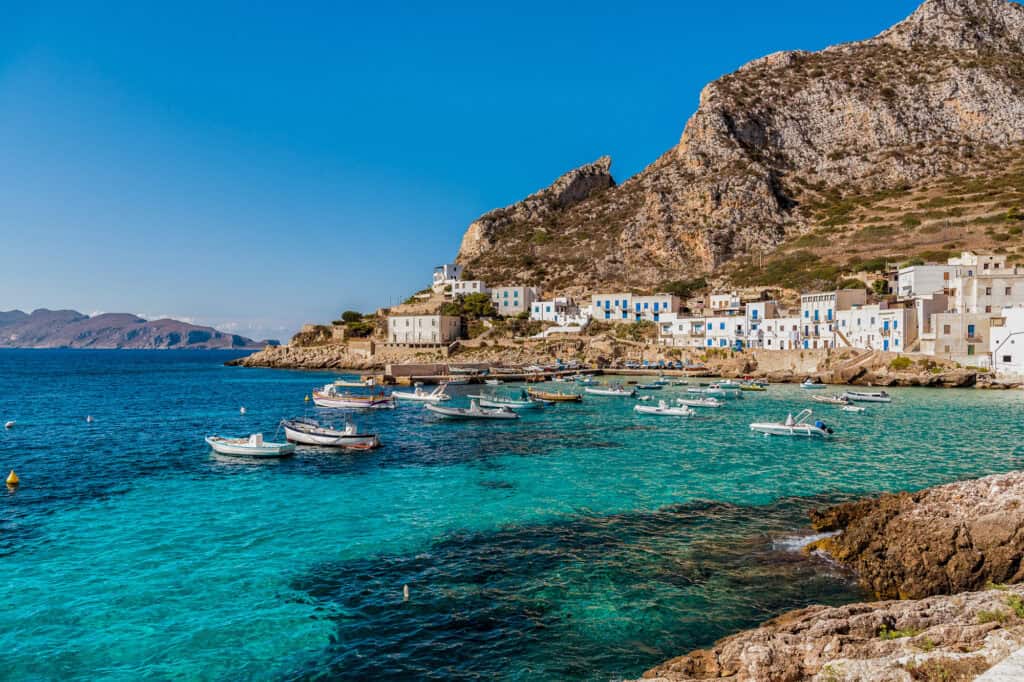
Odysseus’ homeland wasn’t filmed on the Greek island traditionally associated with Ithaca. Instead, Christopher Nolan went to Italy, and the islands around Sicily.
Favignana: Ithaca
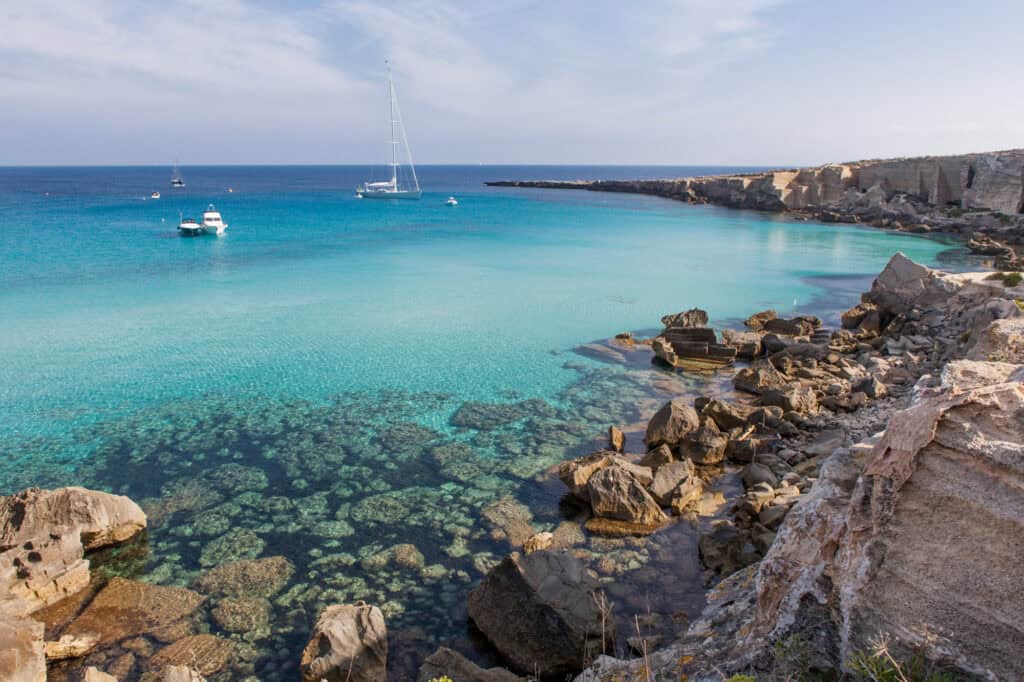
The small island of Favignana, part of Sicily’s Egadi Islands, became one of the film’s most important locations: Ithaca itself.
Its rugged coastline, crystal-clear water and dramatic hills give the island a distinctive look on screen.
Castello di Santa Caterina, perched roughly 900 feet above the island, played Odysseus’ palace.
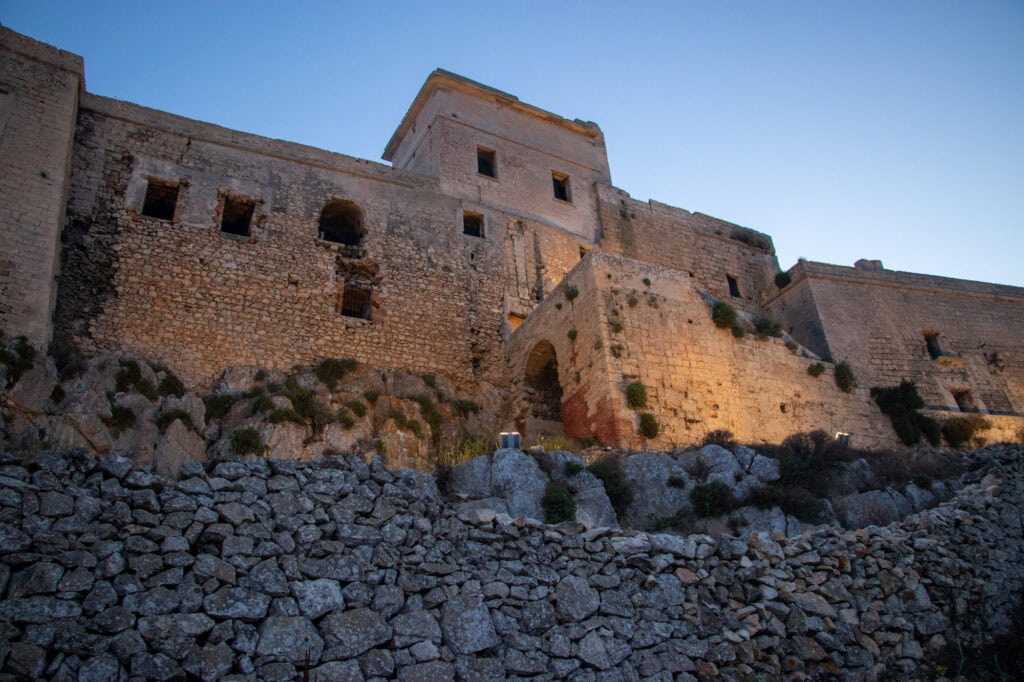
I saw an interview with Anne Hathaway, who said she took a helicopter up to the 15th-century fortress each day.
Cala Rossa and Bue Marino: The Shores of Ithaca
Other spots around Sicily’s Egadi Islands, including Cala Rossa and the coastline of Bue Marino, rounded out the film’s rugged island scenery surrounding Odysseus’ home.
Iceland: The Underworld
I recognized that black sand!
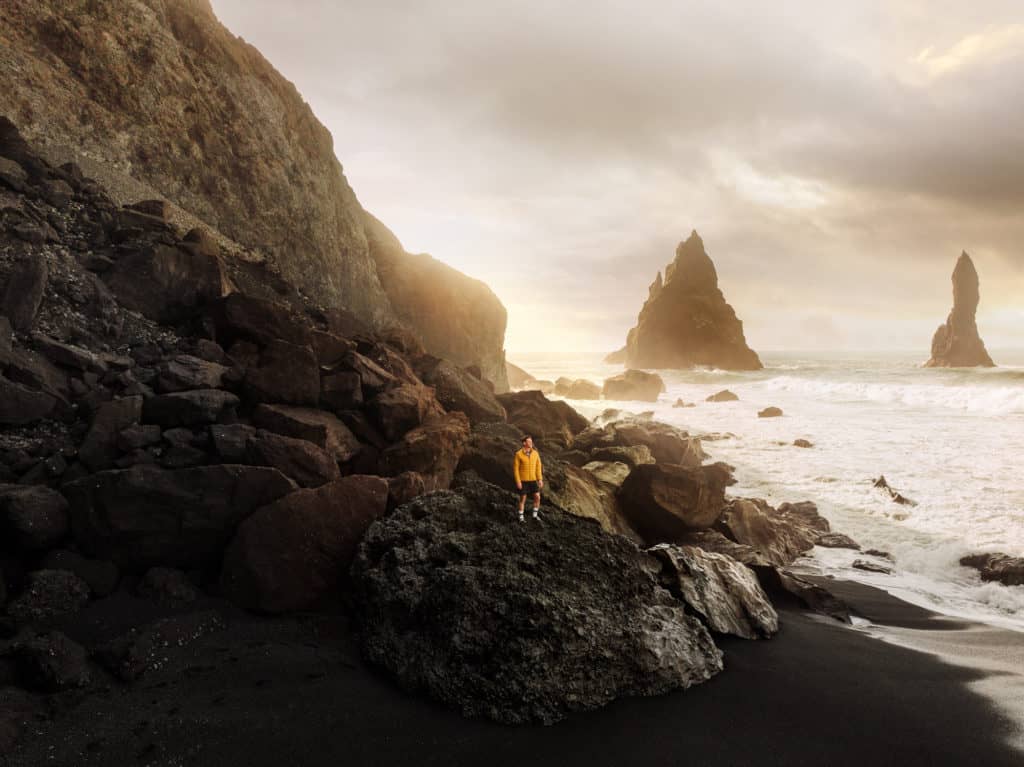
Much of the southern coast of Iceland is made of volcanic, black sand beaches. This photo is taken near Vik, and the Odyssey crew filmed a few miles east of here.
Hjörleifshöfði: The Underworld
The black volcanic landscape around Hjörleifshöfði became the film’s Underworld, where Odysseus ventures to seek information from the dead.
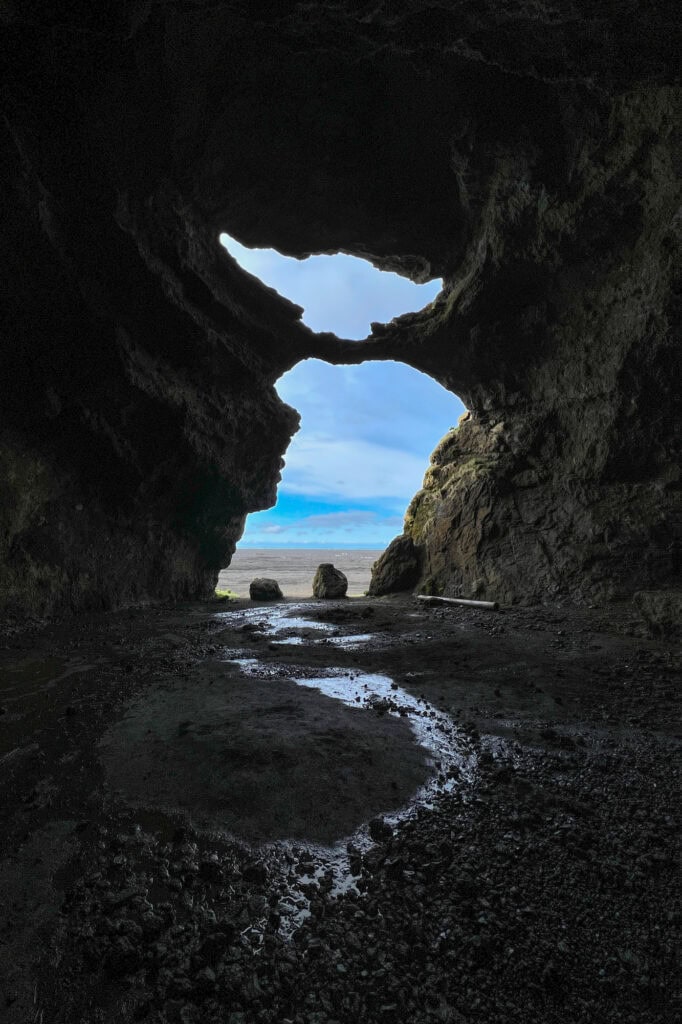
It’s a stark contrast to the sunny Mediterranean scenery earlier in the film.
The black sand, volcanic rock and a stark horizon give this part of the film an alien feel.
Iceland was a smart choice here: the landscape reads as otherworldly with little digital manipulation needed.
In this part of Iceland, you’ll find these stark, bleak locations, which seemingly go on forever.
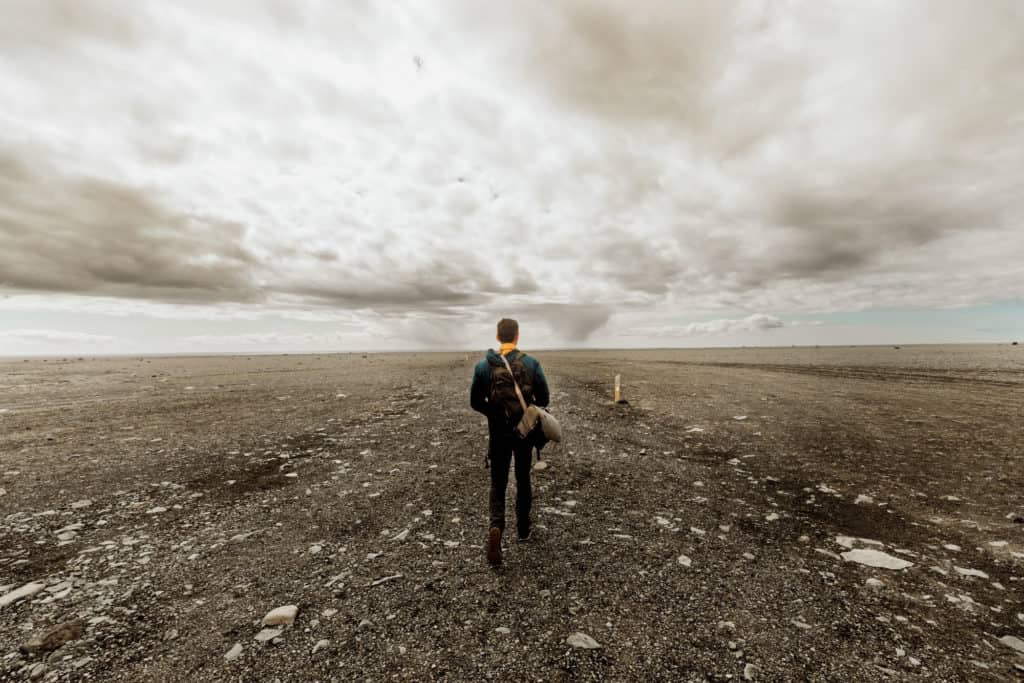
But then a few miles down the road, beautiful jagged peaks rise from the earth.
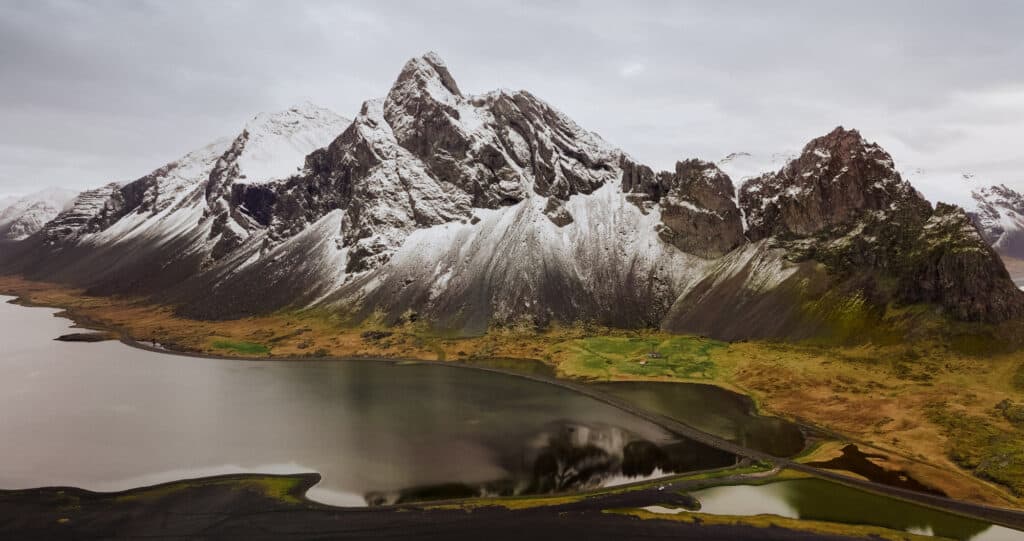
Snæfellsnes and Other Icelandic Landscapes
Additional Icelandic locations, including the Snæfellsnes Peninsula (north of Reykjavik) and the Markarfljót River (below) served as backdrops for other parts of Odysseus’ journey.
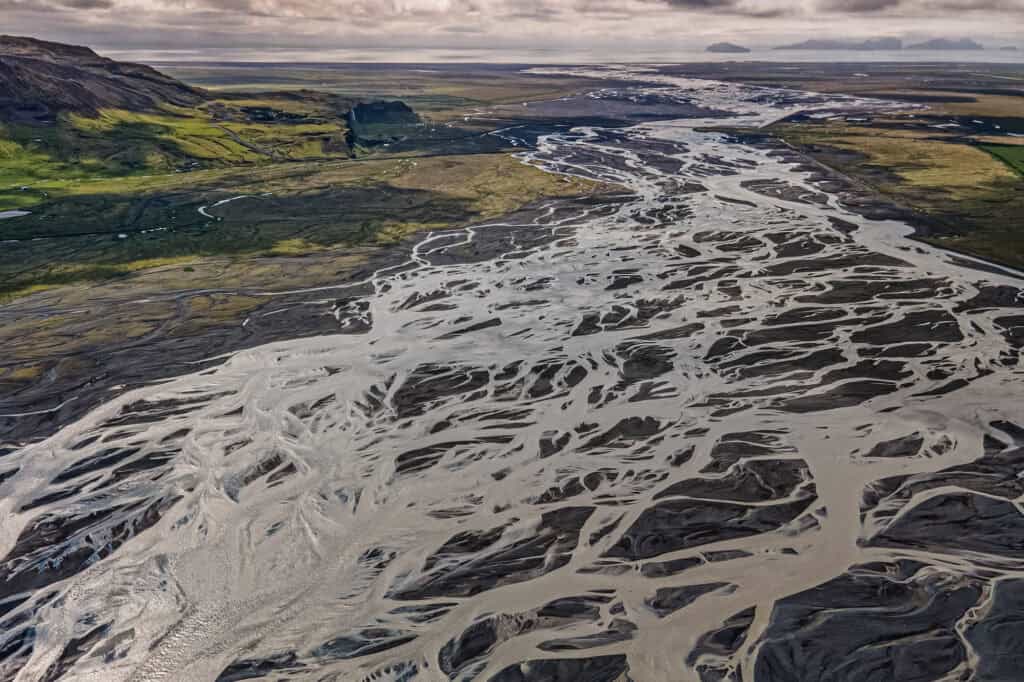
The Draken (ship) was moored between shoots at the tiny port of Landeyjahöfn, which is halfway between Reykjavik and Vik on Iceland’s southern coast.
Not too far from here, you’ll find the famous Blue Lagoon, along with the most unique AirBnB I’ve ever stayed in: a converted water tower!
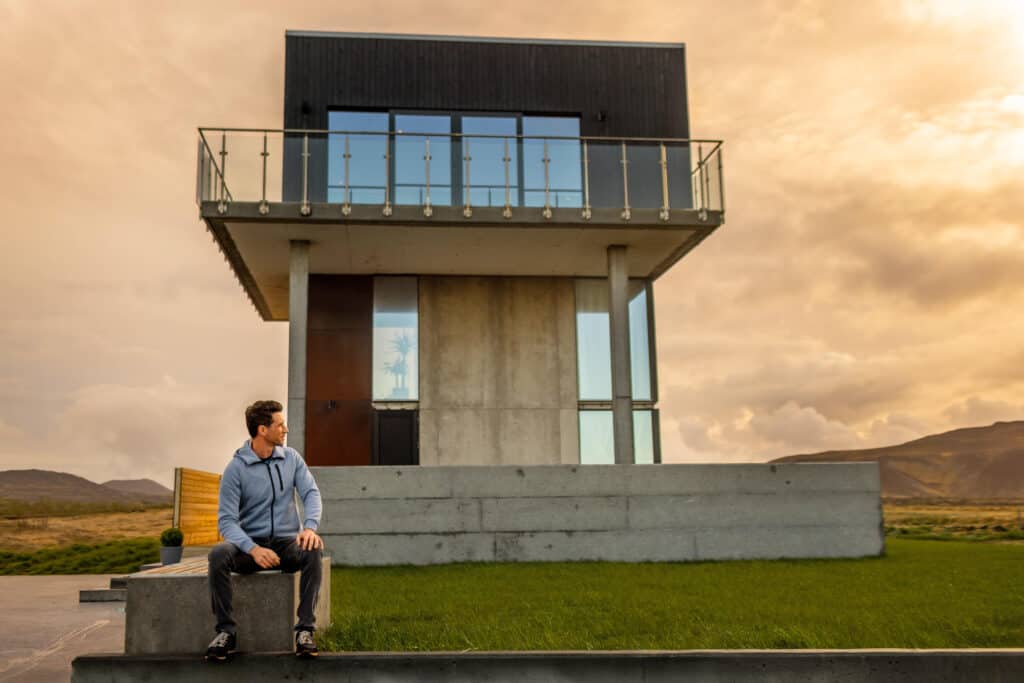
Scotland: More of Odysseus’ Journey
The rugged Moray coast in northeast Scotland served as another filming location.
Findlater Castle
The spectacular ruins of Findlater Castle sit dramatically on a rocky promontory above the Moray Firth.
The Odyssey cast and crew filmed there for more than a month, using the castle and surrounding coastline for a number of scenes.
Buckie Harbour: An Ancient Greek Port
Nearby Buckie Harbour was transformed into an ancient harbor, with wooden Greek-style ships, including the Draken, brought in to sell the illusion of an ancient naval port.
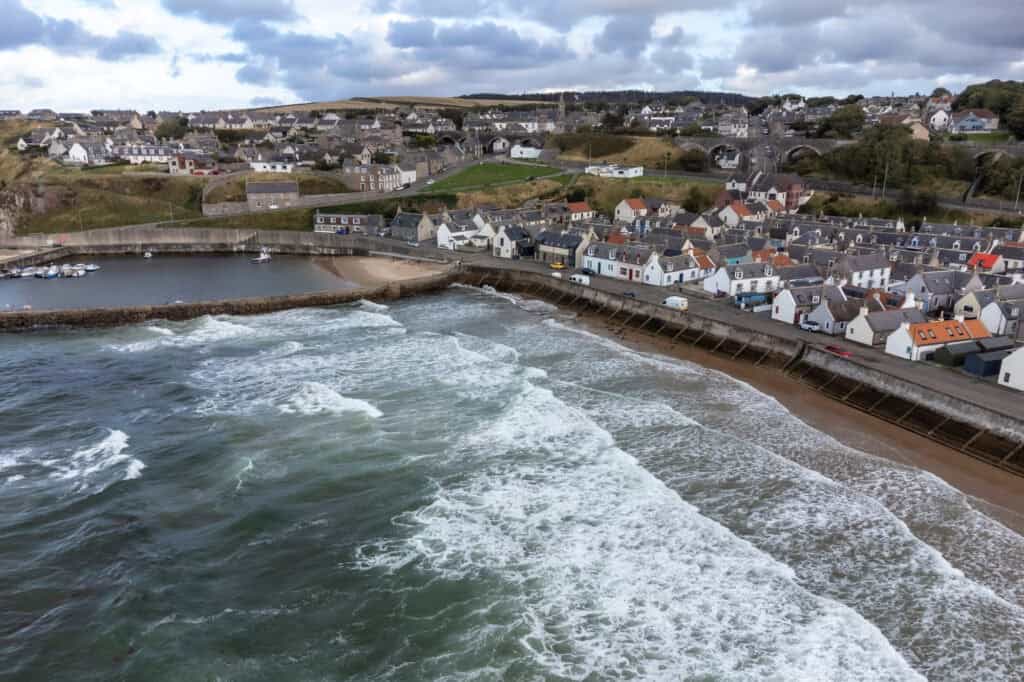
Sunnyside Beach and Culbin Forest
Other stretches of the Moray coastline, including Sunnyside Beach near Cullen and Culbin Forest, were also used.
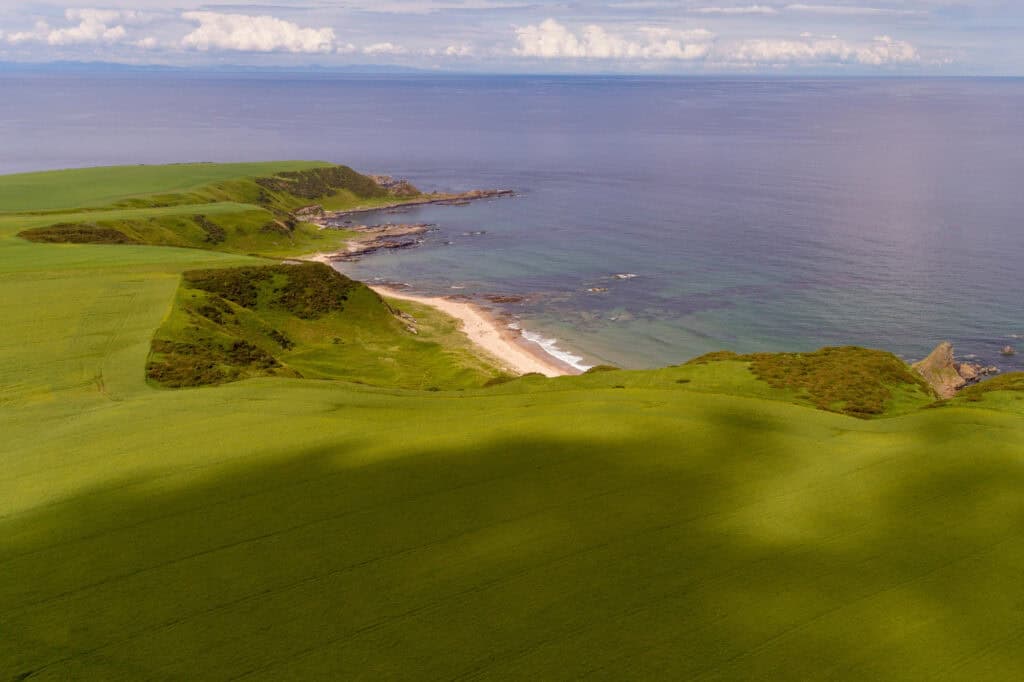
The pine forest was used in scenes involving the Laestrygonians, the giant and hostile people Odysseus encounters during his voyage.
That was one part of the movie that confused me. I didn’t remember it from the book.
Wrap: Visiting Filming Locations
I should also mention a Malta-based studio wa sused to shoot close-range ocean battles, shipwrecks, and other stunt work that would’ve been too dangerous or difficult to shoot on open water.
I love touring film locations, from “Game of Thrones” sites across Spain and Iceland, to Highclere Castle, which played a starring role in “Downton Abbey.”
Shows like “White Lotus” often drive a massive spike in tourism to their seasonal destinations, which can overwhelm the hotels and sites to see. I’ve found it’s better to wait a year or two after the major hype dies down to visit these natural and manmade wonders!
