10 Surprises You’ll Find Visiting Kuala Lumpur, Malaysia
You’ll find a mix of cultures in Kuala Lumpur: Malay, Chinese, and Indian. Visitors spending a few days in the city (population 2.1 million)
1. Luxury at a Discount
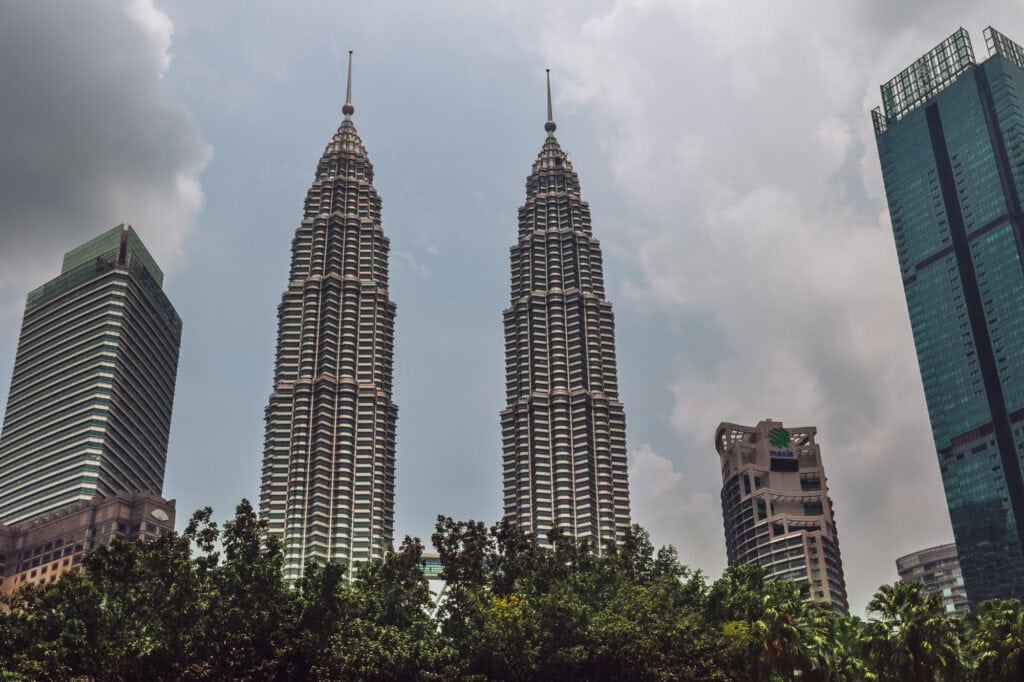
I did a double-take when I looked at hotels in Kuala Lumpur. Options like the Four Seasons and the St. Regis were under $300 a night!
The rooms are beautiful, and around 700 square feet.
The low prices for accomodations are definitely a pleasant surprise for tourists.
Plug your dates into the interactive map below for the best rates:
2. Cars Over Trains
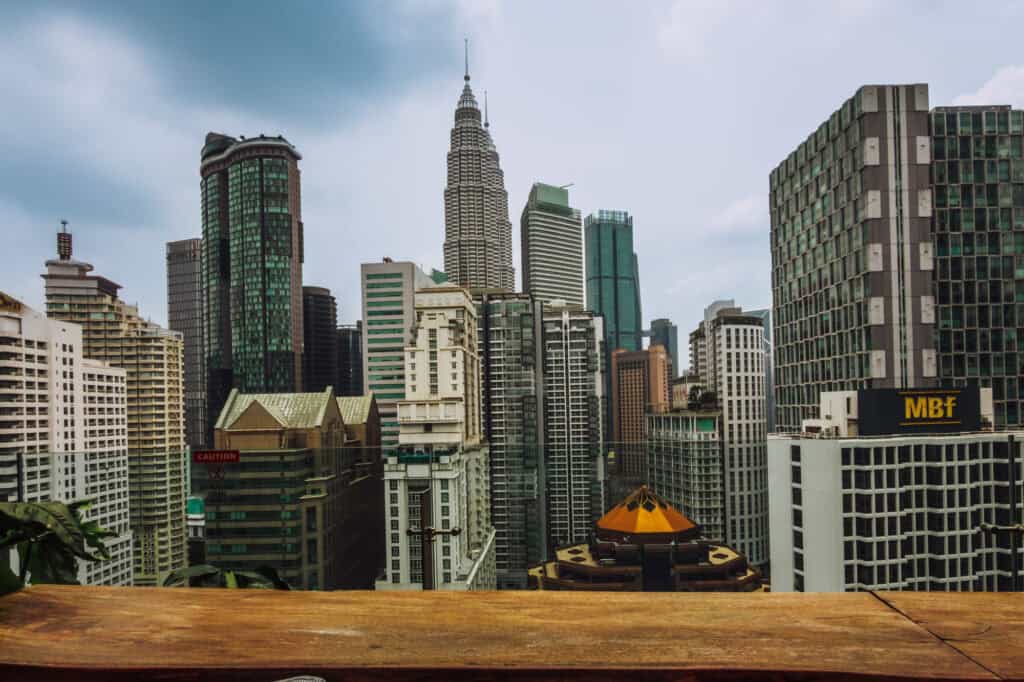
I normally prefer a city’s subway or metro system over taxis or rideshares.
In Kuala Lumpur, you’re likely to find cars more efficient for your travels (depending on where you’re going in the city).
Before your trip, download Grab (the app) and you’ll be surprised at the low prices the drivers charge to get around town.
3. Some Trains: Women Only
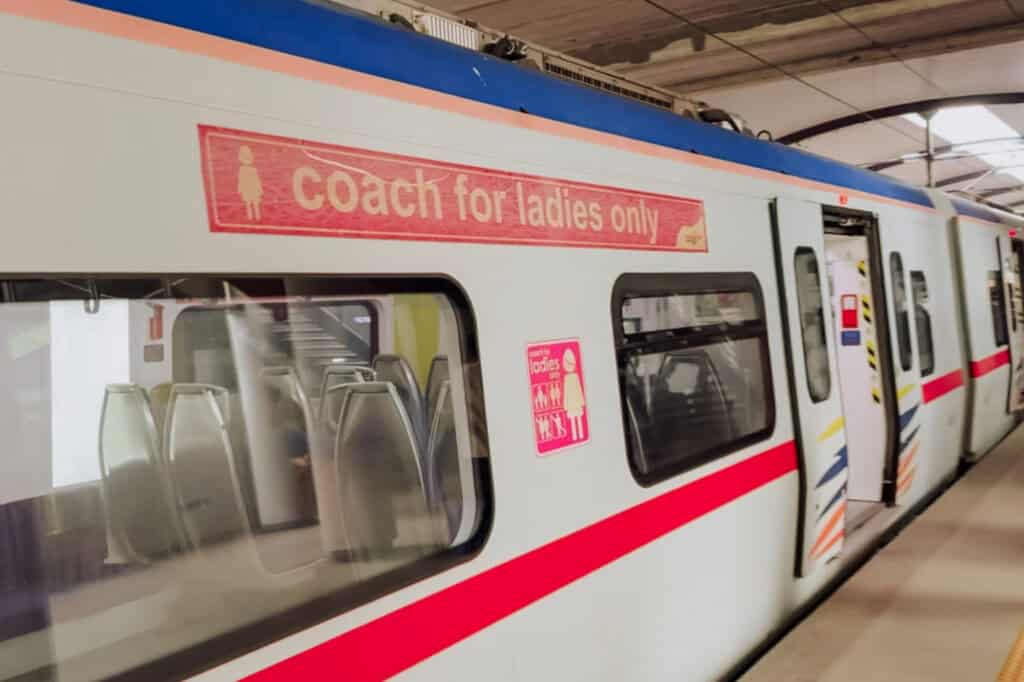
Malaysia’s commuter rail operator, KTM Komuter, introduced ladies-only coaches in 2010, mainly in response to complaints about sexual harassment on crowded trains.
The coaches are usually marked with pink signs, and women can still ride in any other carriage if they prefer.
4. Durians: The Banned Fruit
It comes down to the smell. Durian contains sulfur compounds that some people describe as rotting onions, gym socks, or sewage, while fans find it sweet and custardy.
In enclosed spaces like train cars, hotel rooms, and airplanes, the odor spreads through the air conditioning, clings to fabric, and can linger for days.
Transit operators and hotels set their own rules because one durian can make an entire carriage or room unpleasant for everyone else, and some hotels charge a hefty cleaning fee if you’re caught. You’ll likely have to sign a pledge to abide by the rules when you check in.

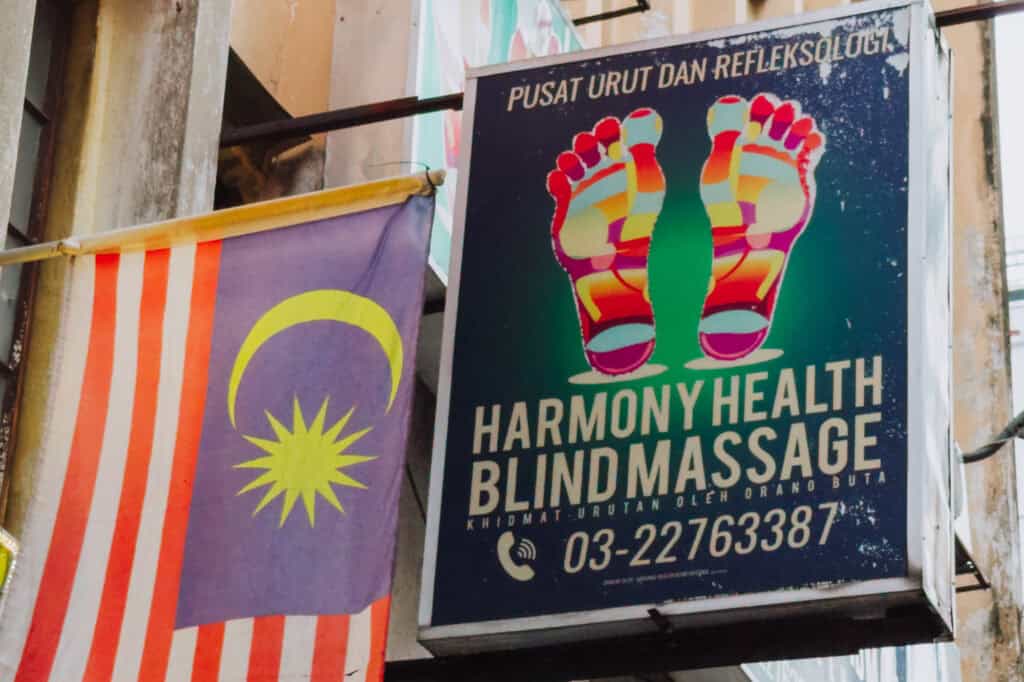
5. The Blind Massages
Brickfields, KL’s Little India, became a hub for blind masseurs mainly because several organizations for the visually impaired are based there, including the Malaysian Association for the Blind.
Over the decades, these groups trained blind people in massage and reflexology as a reliable way to earn an independent living. Graduates naturally set up shop nearby, close to the support networks, housing, and community they already knew, and the cluster grew from there.
It’s a story of self-reliance and independence!
Their businesses built a strong reputation for being a good value, and many repeat customers believe blind masseurs are especially skilled.
6. Afternoon Storms: Like Clockwork
Much of the year, a heavy thunderstorm rolls in most afternoons, dumps rain for an hour, then clears. Locals plan around it. Motorcyclists shelter under highway overpasses, which creates impromptu roadside gatherings.
7. Fees & Tipping
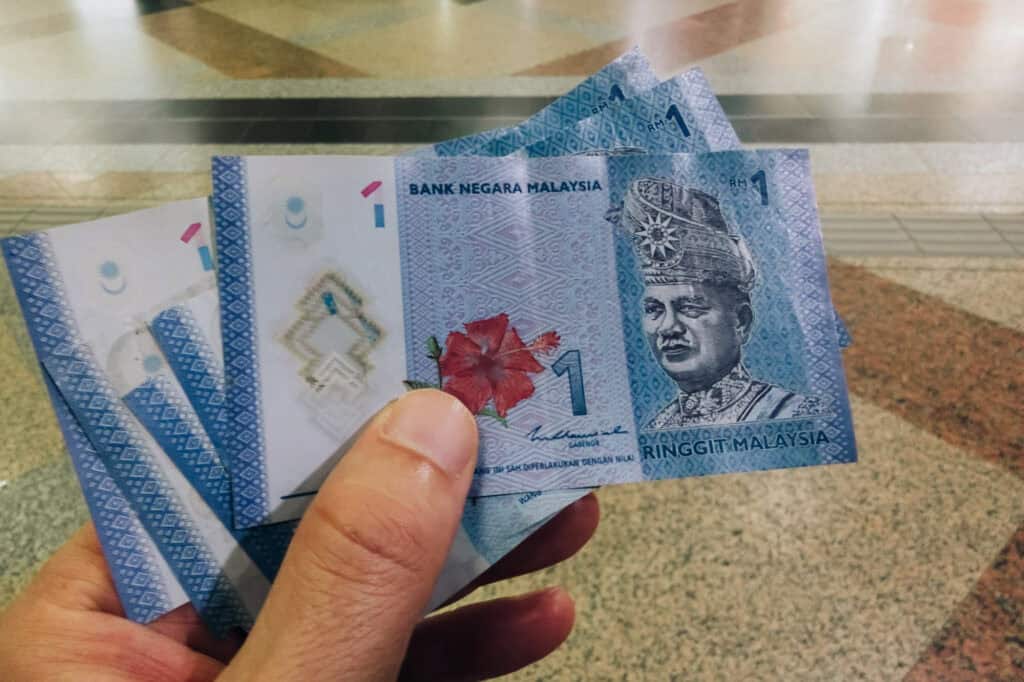
Restaurant bills often include a 10% service charge (plus tax), so the menu price isn’t the final price
Tipping is never expected … though the Grab cars are often so cheap, the drivers deserve something extra!
8. The Batu Caves’ Monkeys
The Batu Caves are one of Kuala Lumpur’s most famous attractions.
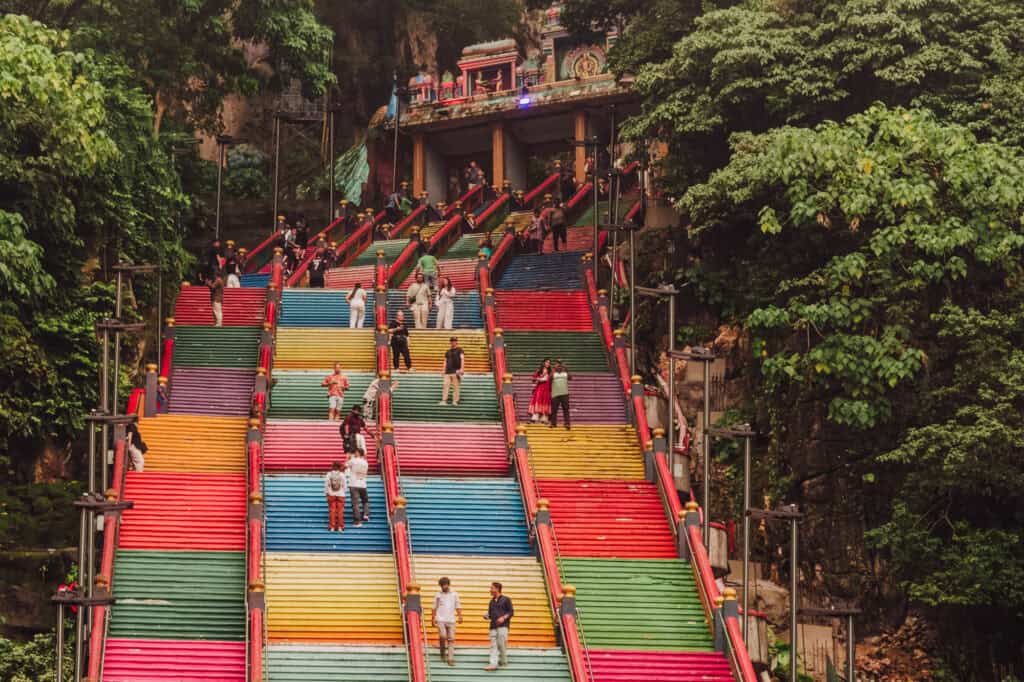
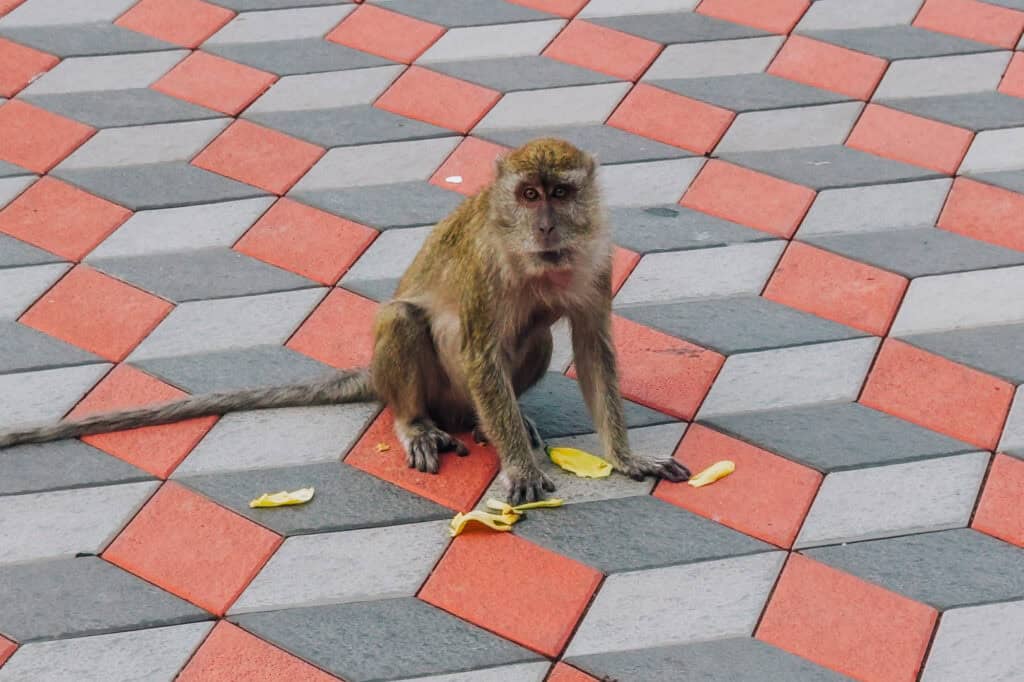
Beyond the rainbow staircase, the macaques will snatch drinks, snacks, and sunglasses right out of your hands.
They sell bananas if you’d like to feed them.
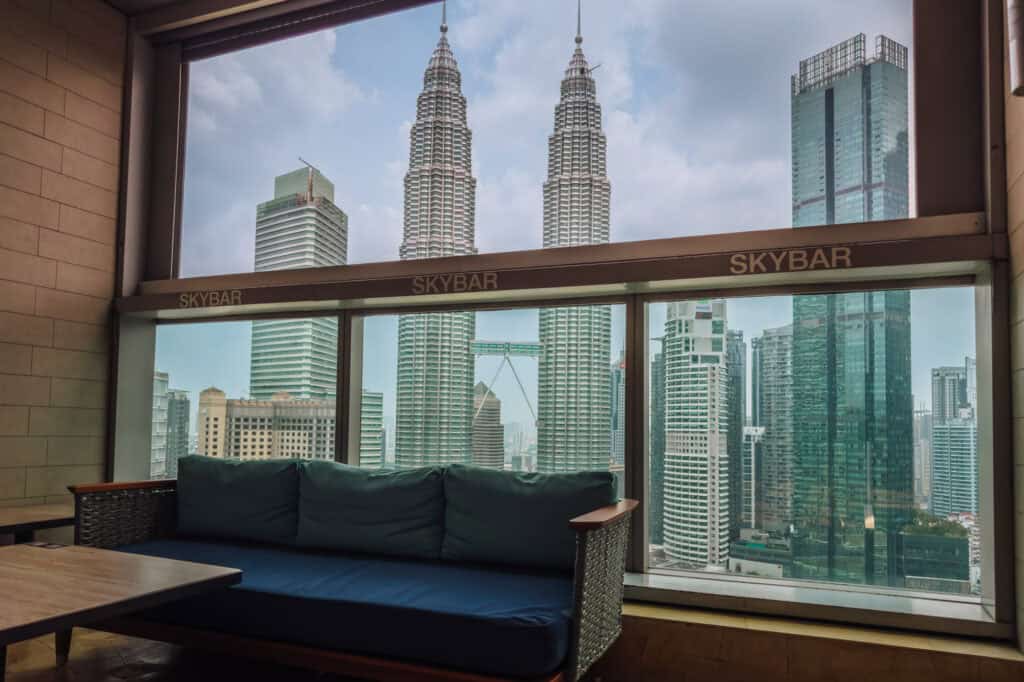
9. The Skybridge Isn’t Bolted into Place
The double-decker bridge on floors 41 and 42 isn’t rigidly attached to either tower. It slides in and out of both buildings to accommodate the towers swaying independently in the wind, so it doesn’t snap.
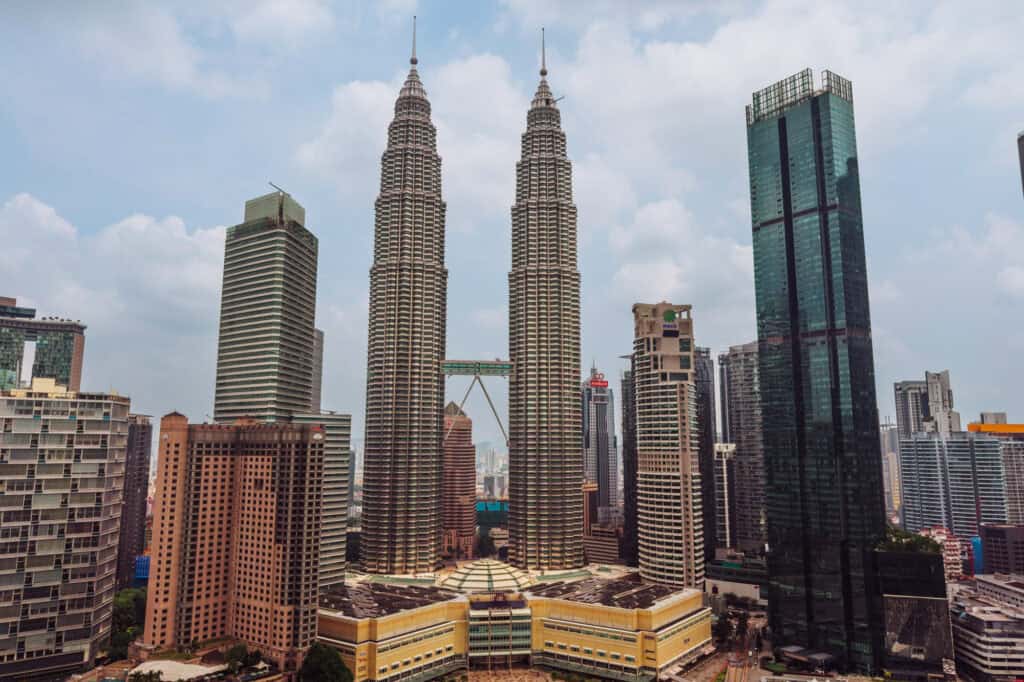
10. The Petronas Towers: More Surprising Factoids
Construction: A Race Between Two Countries
Each tower had a different builder: a Japanese consortium led by Hazama built Tower 1, and a South Korean consortium led by Samsung C&T built Tower 2. The Korean team started about a month later and still finished first.
The Floor Plan: An Islamic Symbol
Architect César Pelli based each tower’s footprint on the eight-pointed star (Rub el Hizb), formed by two overlapping squares, with curved sections added between the points.
They Changed the Rules
When the towers surpassed Chicago’s Sears Tower in 1998, the difference came down to their spires. That sparked controversy, and the official ranking body clarified that spires count toward height but antennas don’t.