Explore Ape Cave: A Lava Tube Day Trip from Vancouver, WA

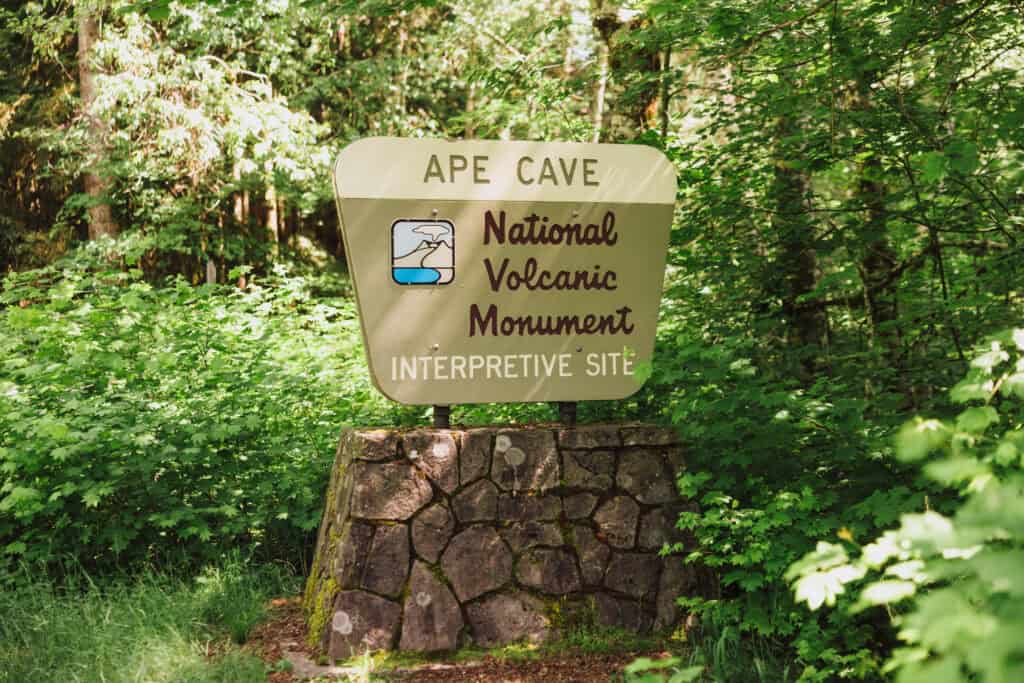
Ape Cave is located on the southern flank of Mount St. Helens in the Gifford Pinchot National Forest. It’s the longest lava tube in the continental United States, stretching over 2.5 miles.

Key Info on Ape Cave Hikes
- Drive time: ~90 minutes from Vancouver, WA (approx. 70 miles)
- Reservation required: Book your free reservation ahead of your trip on recreation.gov.
- Bring: A headlamp or strong flashlight.
- Temperature: It’s about 42 degrees inside year-round.
- Family Friendly: The cave is one of several Vancouver-area trails for the whole family.
- Road conditions: The last stretch is a forest road; it’s usually paved but narrow and can be snow-covered in early spring or late fall.
The 3 Sites I Use for Every Trip
– For tours: Viator
-For travel insurance: Travel Guard
– For rental cars: Discover Cars
What to Expect at the Ape Cave
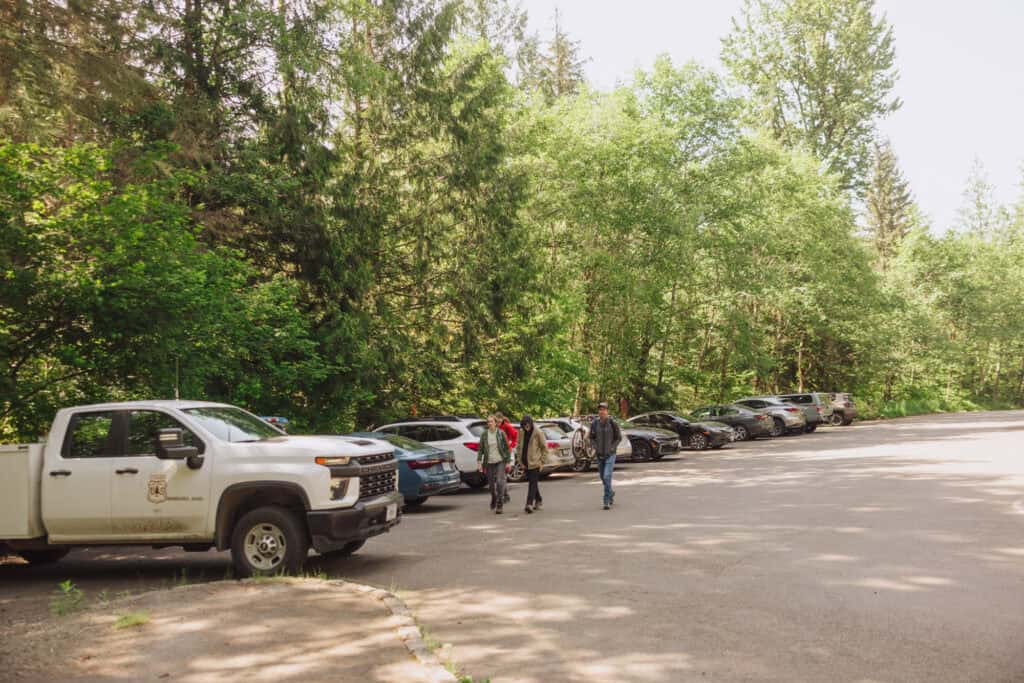
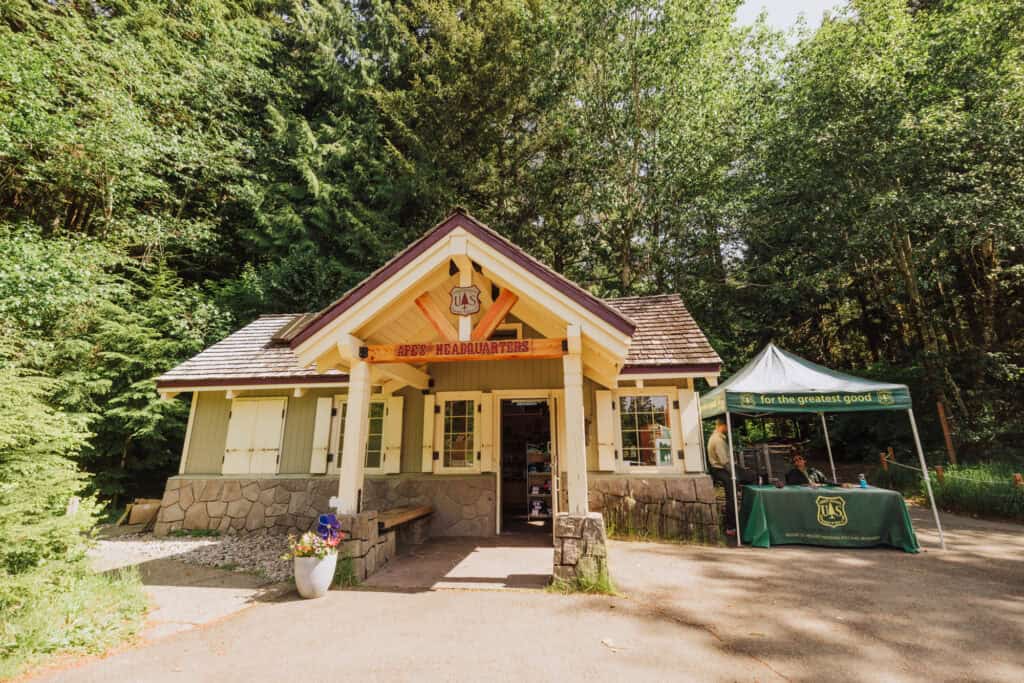
There’s a large parking lot, vaulted toilets, and a gift shop. You’ll also find rangers checking your name off the reservation list.
There are two main sections of the cave:
Lower Cave (easier, 0.75 miles one way)
- A beginner-friendly path with a fairly flat floor.
- Perfect for families and first-time spelunkers.
- Turn around at the end and return the same way.
Upper Cave (more difficult, 1.5 miles one way)
- Rugged and challenging with boulders, an 8-foot lava fall to climb, and uneven footing.
- Requires some scrambling.
The trail to the Ape Cave entrance is short, well-traveled, and flat.

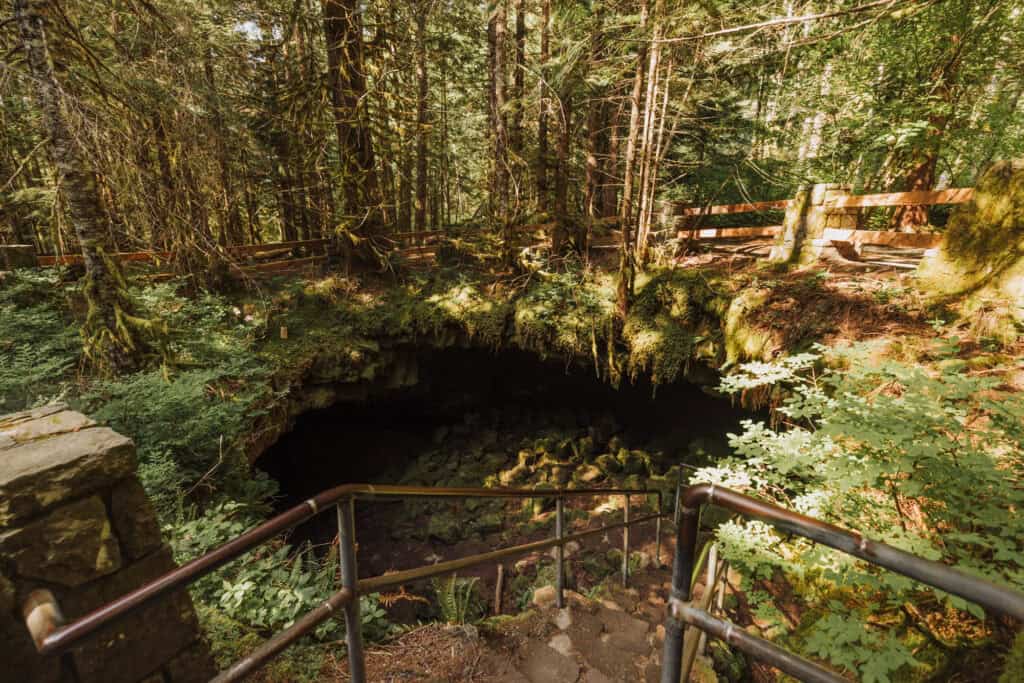
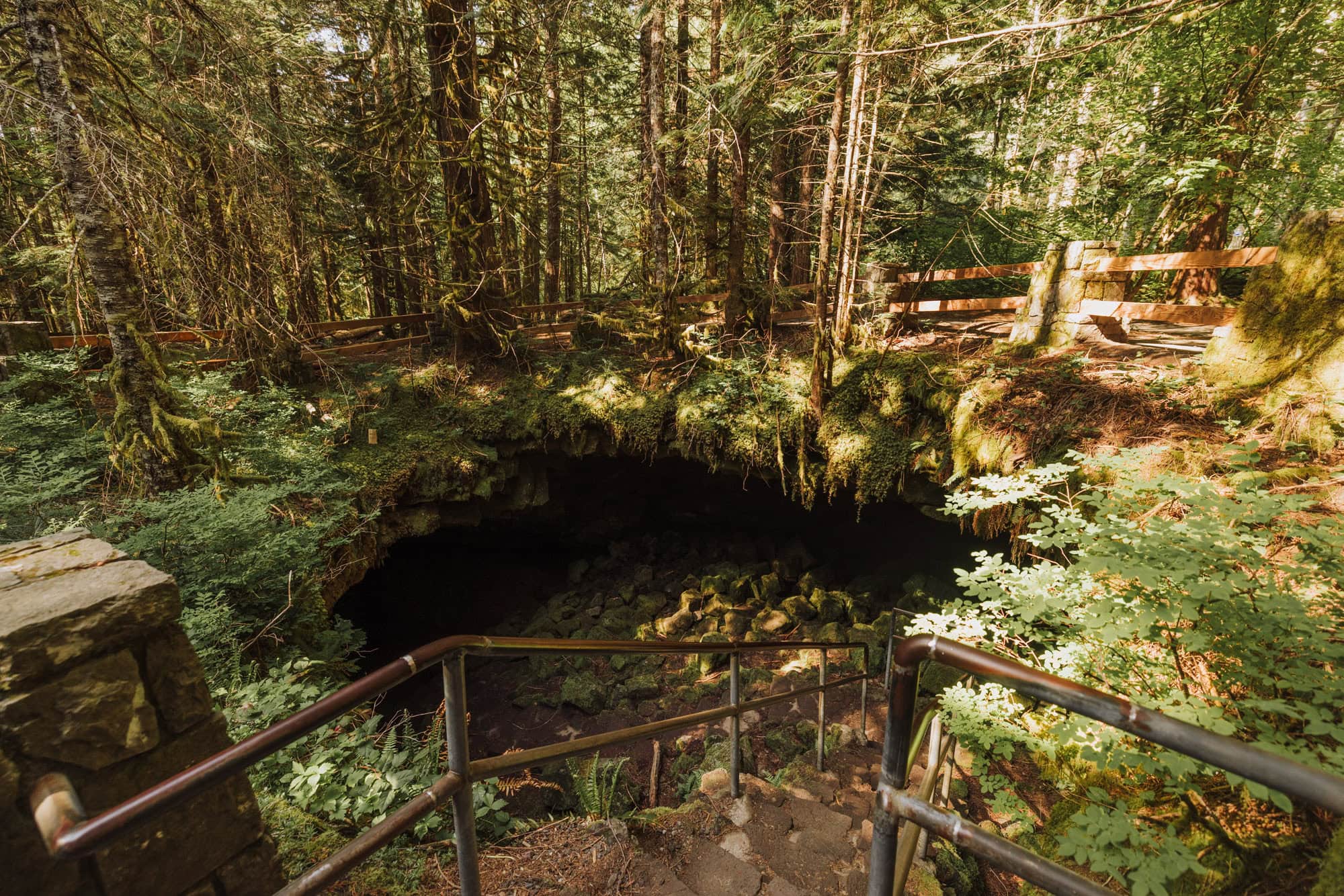
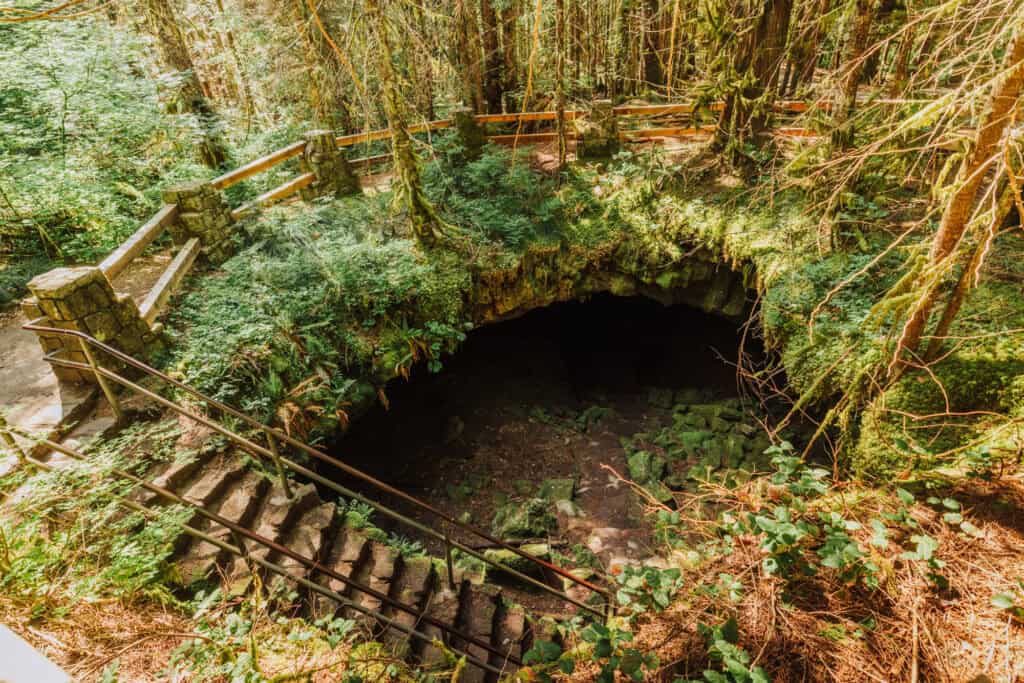
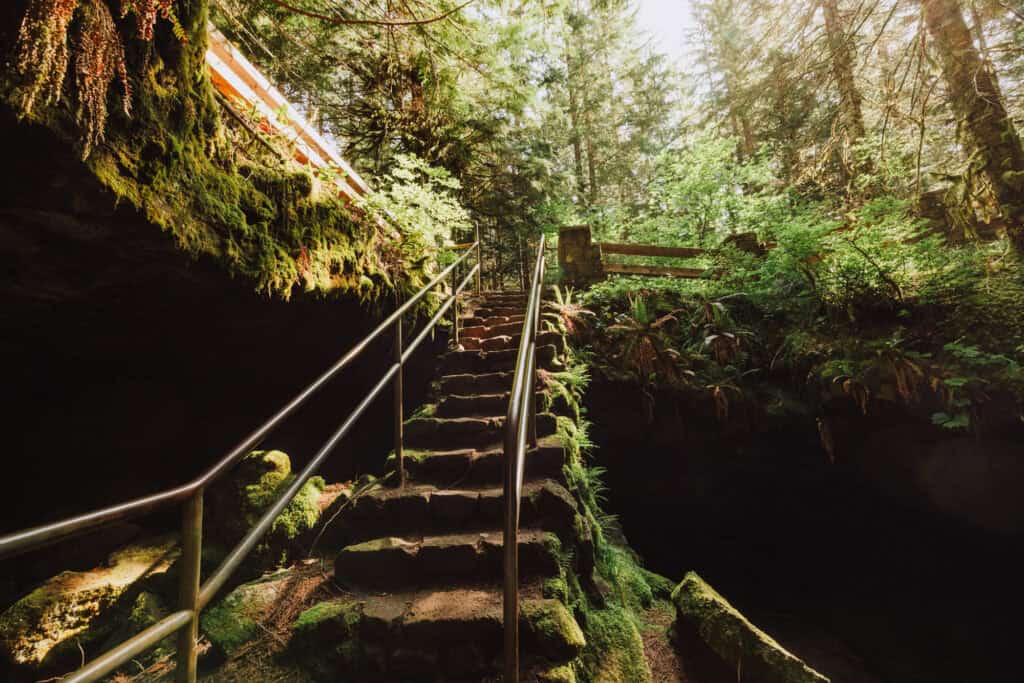
The entrance includes a staircase for easy access to the entrance.

Rules
To prevent the spread of “White Nose Syndrome,” which impacts bats, visitors are asked to clean their shoes before walking into the cave.
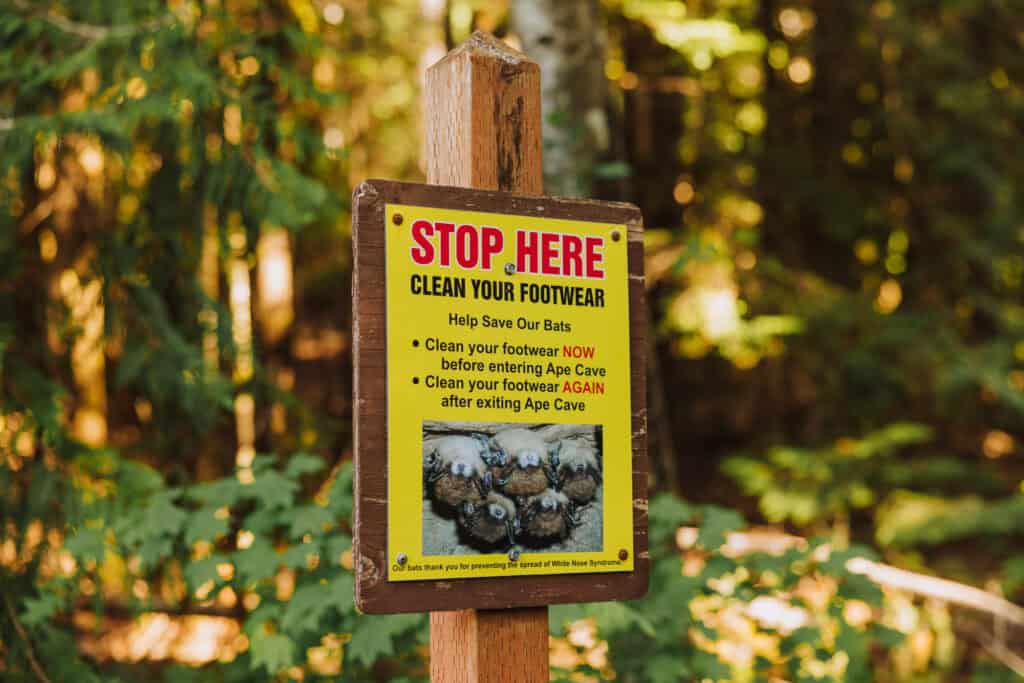
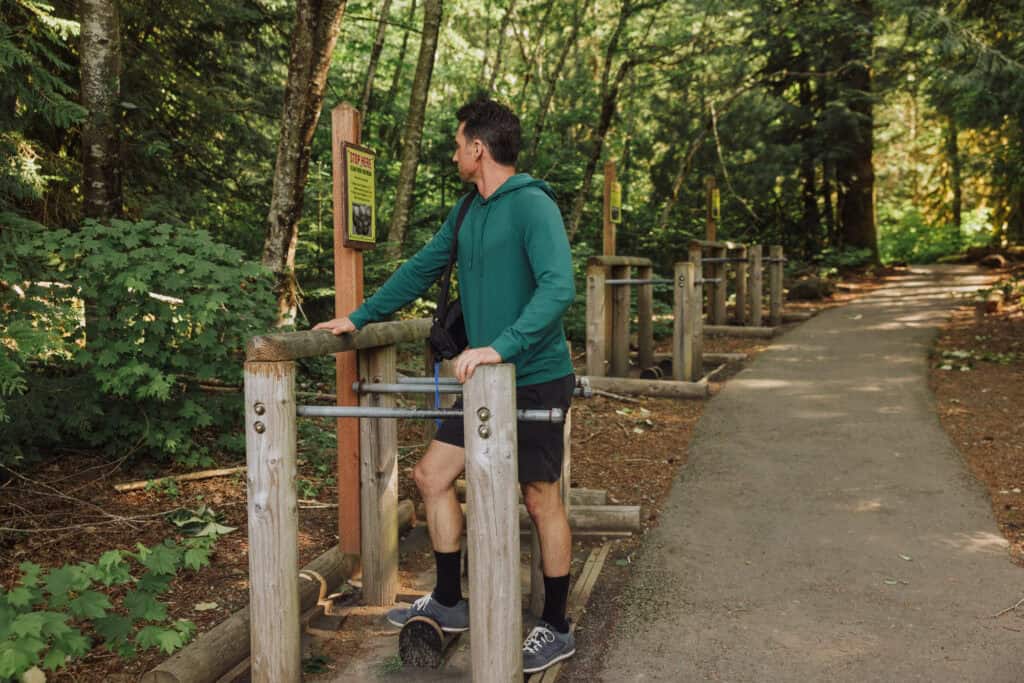
There’s another sign, telling you: dogs aren’t allowed inside the cave, along with food and other mostly-obvious items:

Visiting: Seasons & Hours
Season & Hours
- Open: Generally mid-May through October, depending on snow. The cave is gated in the off-season.
- Hours: Daylight hours; entry is permitted from 9 AM to 5 PM during open months.
- Best time to visit: Late spring through early fall for comfortable hiking temperatures and snow-free access.
Permits and Passes
- Timed Entry Pass: Required during the summer season (May–September); book online through Recreation.gov.
- Parking: Northwest Forest Pass or America the Beautiful Pass required.
- Restrooms: Vaulted toilets at the trailhead.
History of the Ape Cave
As I said up top: Ape Cave is one of the longest lava tubes in North America.
Formation
Ape Cave was formed about 2,000 years ago during an eruption of Mount St. Helens.
Unlike most caves that are carved by water, Ape Cave is a lava tube, created when the surface of a lava flow cooled and hardened while molten lava continued to flow beneath it.
When the eruption stopped, it left behind a hollow tunnel.
Today, a staircase allows for easy access.
How Ape Cave Got Its Name
The cave was discovered in 1947 by a group of Boy Scouts known as the “Mount St. Helens Apes.”
That’s how the cave got its name … not from the Bigfoot legends in the area!
The scouts explored the newly discovered lava tube and helped map it. They were part of a troop sponsored by a local YMCA climbing group who jokingly referred to themselves as the “Apes” due to their enthusiastic mountain climbs.
The name “Ape Cave” stuck as a nod to the boys’ nickname.
What to Bring to the Lava Tube
Remember: it’ll be pitch black shortly after you enter the cave.
- Two reliable light sources per person (headlamps + backup flashlight)
- Warm layers (it’s about 42°F/6°C year-round inside)
- Gloves and sturdy hiking shoes (especially for the Upper Cave)
- Snacks and water
If you forget something (like a light) the shop on site will sell or rent one to you!

They also have a bunch of souvenirs to check out.
Nearby Trails
The area around Mount St. Helens is loaded with trails. Here are a few nearby options.
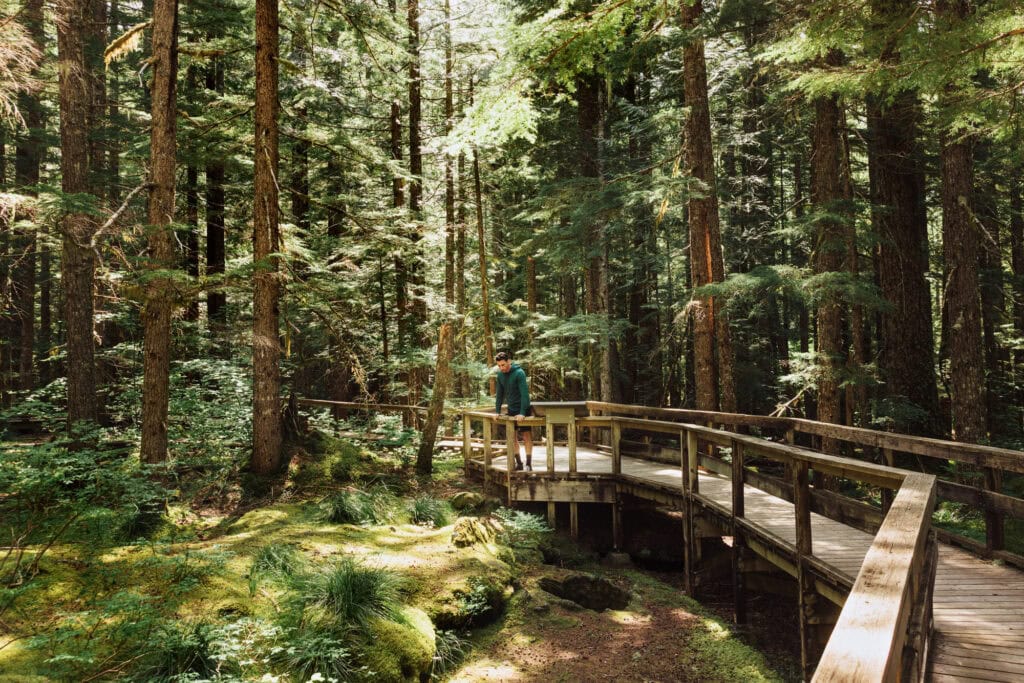
Trail of Two Forests
A short boardwalk trail with tree mold impressions from an ancient lava flow.
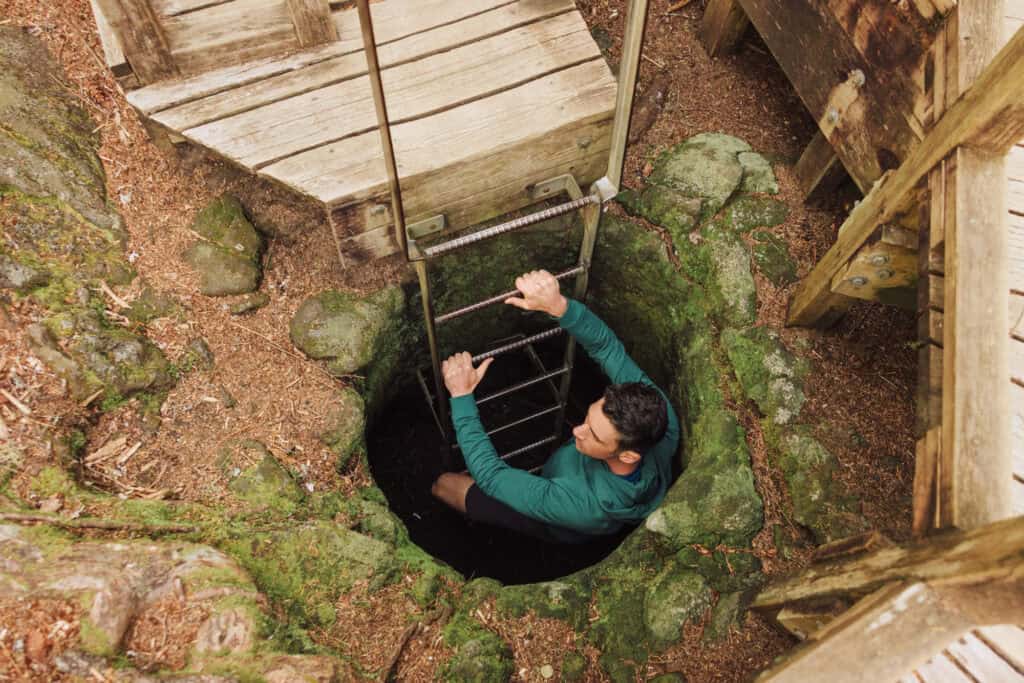
In a few spots, visitors can climb down to get a view underground.
A couple other notes on sites nearby:
- Lava Canyon: Another fascinating volcanic feature with a suspension bridge and dramatic views.
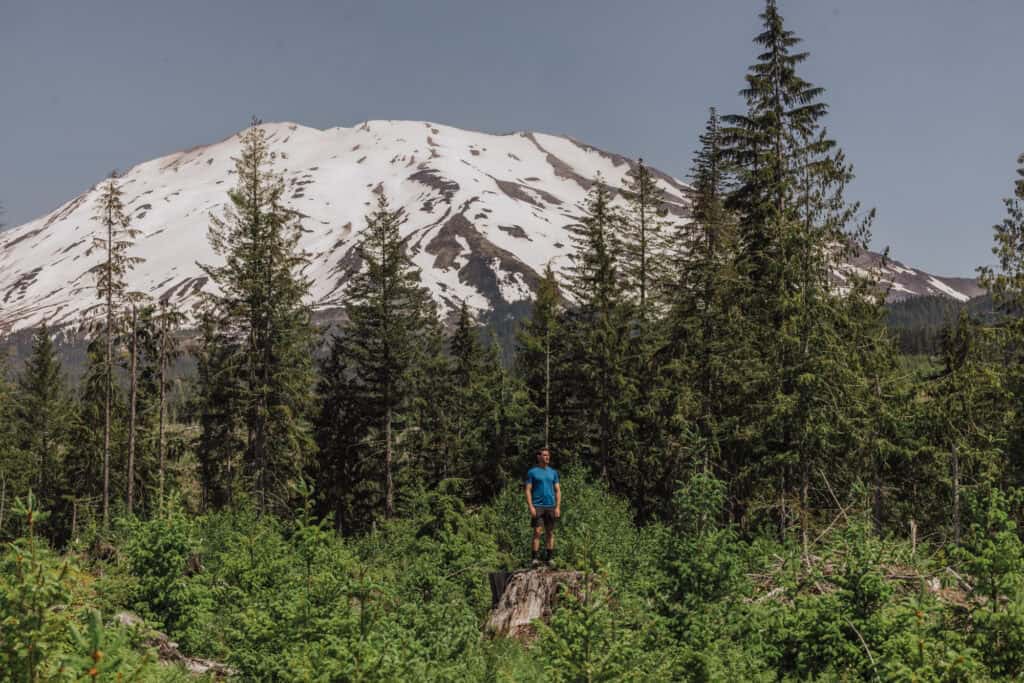
- Mount St. Helens Viewpoints: If time allows, drive up to the viewpoints along Forest Road 99 for a look at the volcano itself.
The Gifford Pinchot National Forest
Gifford Pinchot National Forest is in southwestern Washington state, covering over 1.3 million acres between Mount St. Helens and Mount Adams. It’s named after Gifford Pinchot, the first Chief of the U.S. Forest Service and a pioneer in American conservation.
Highlights, Aside from Ape Cave:
- Mount St. Helens National Volcanic Monument: This active volcano famously erupted in 1980. Today, visitors can hike to the crater, visit the Johnston Ridge Observatory, and see the dramatic landscape still recovering from the eruption.
- Mount Adams Wilderness: One of the largest volcanoes in the Cascade Range, Mount Adams is a mecca for hiking, climbing, and backcountry exploration.
- Old-Growth Forests: Gifford Pinchot is home to some of the oldest and most majestic forests in the Pacific Northwest, with giant Douglas fir, western red cedar, and hemlock trees.
Wrap & Final Advice on Ape Cave
Ape Cave is one of the most unique and memorable outdoor experiences in the Pacific Northwest. Whether you’re crawling over ancient lava or walking quietly through a pitch-black tunnel, it’s an adventure that will leave you with a deep appreciation for the raw power of Mount St. Helens!
Plus, you’ll still have time to hit up the Vancouver Farmers Market in the morning, and one of the waterfront wineries in the evening.
A few key reminders:
- Remember to book your reservation in advance.
- Don’t go without a good flashlight or headlamp.
- Pack out all your trash.