The Grand Canyon Flash Flood: Rescues, Damage, & Recovery
The Grand Canyon is a bucket list destination for people worldwide, and it’s a great source of pride for us here in Arizona.
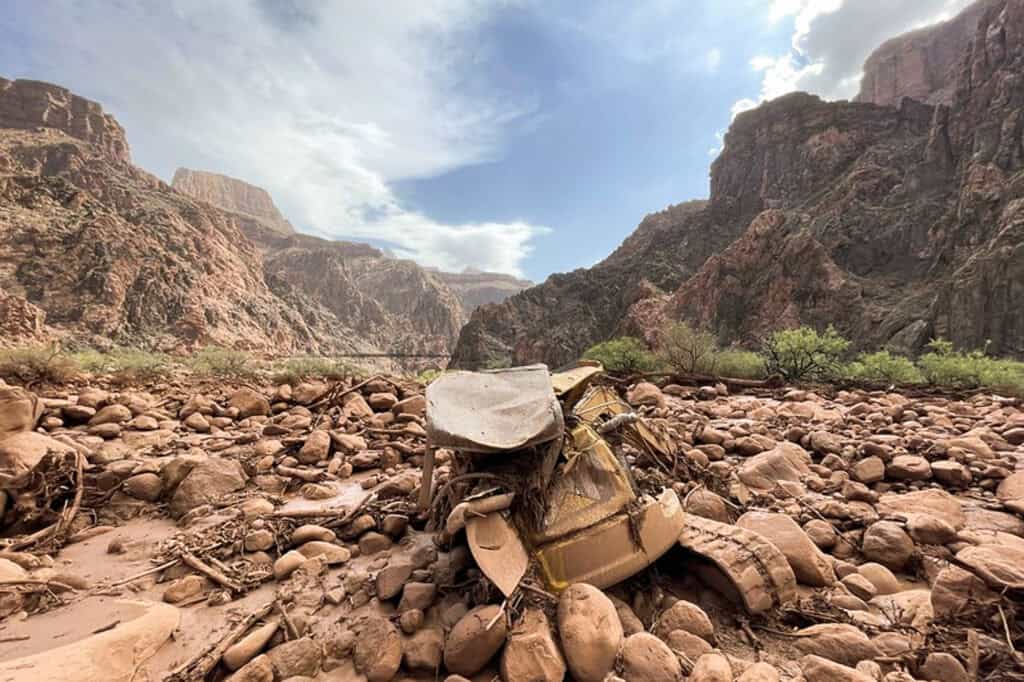
The flash flood, triggered by a monsoon storm hitting a wildfire burn scar on Saturday, August 29, 2026, left behind death and destruction.
Repairing the park’s Transcanyon Pipeline will take months, and the hotels on the South Rim will remain closed (along with many of the camping and RV sites) until water is restored. Crews hope to restore water by Thanksgiving.
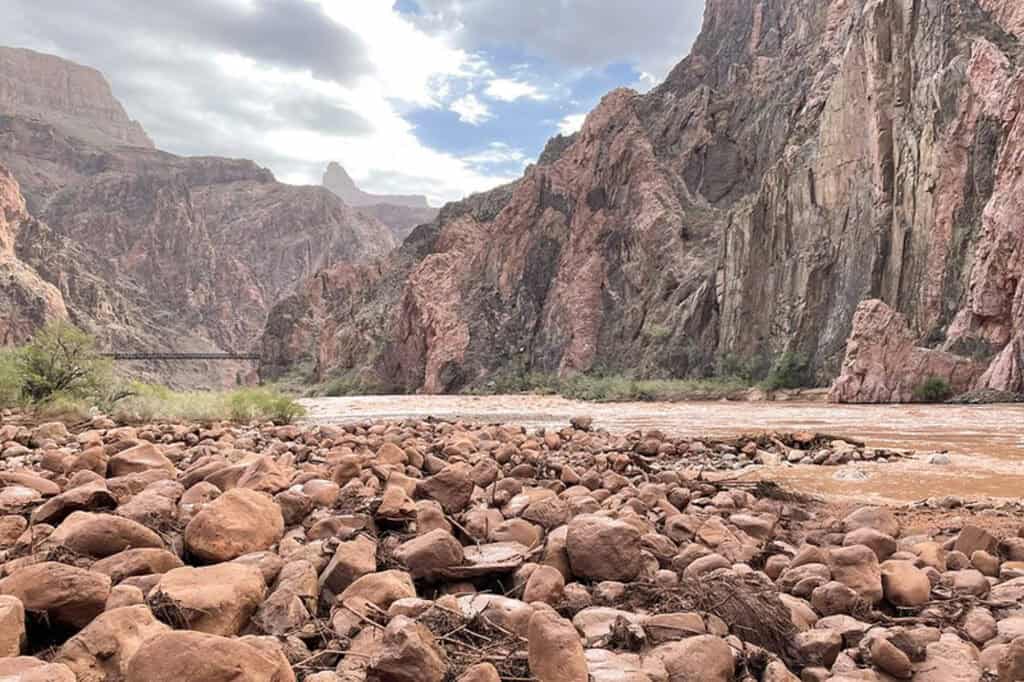
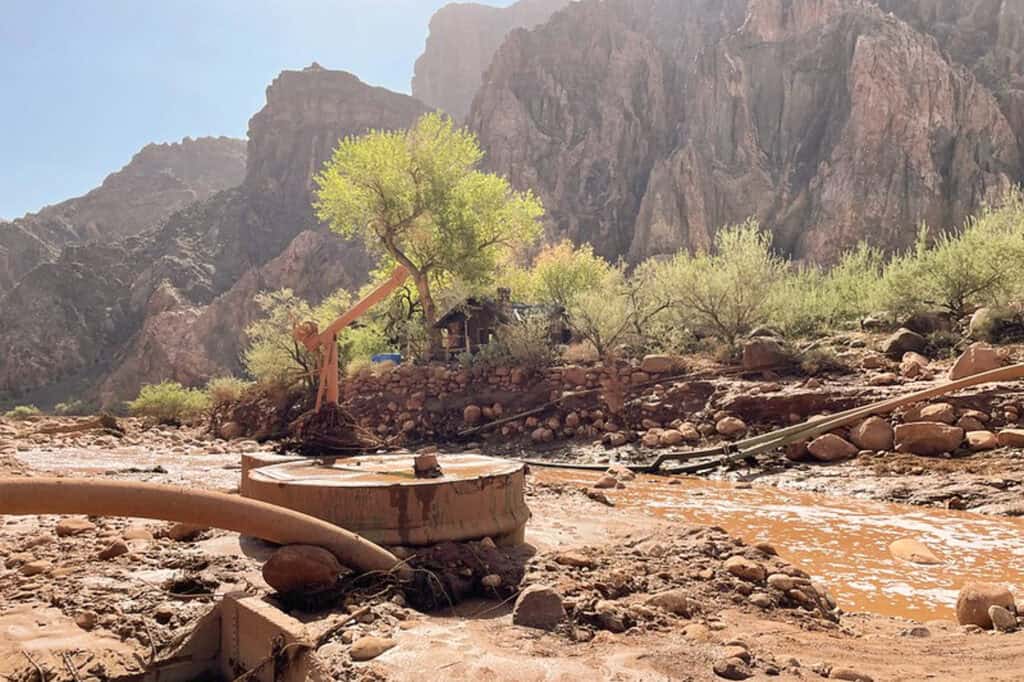
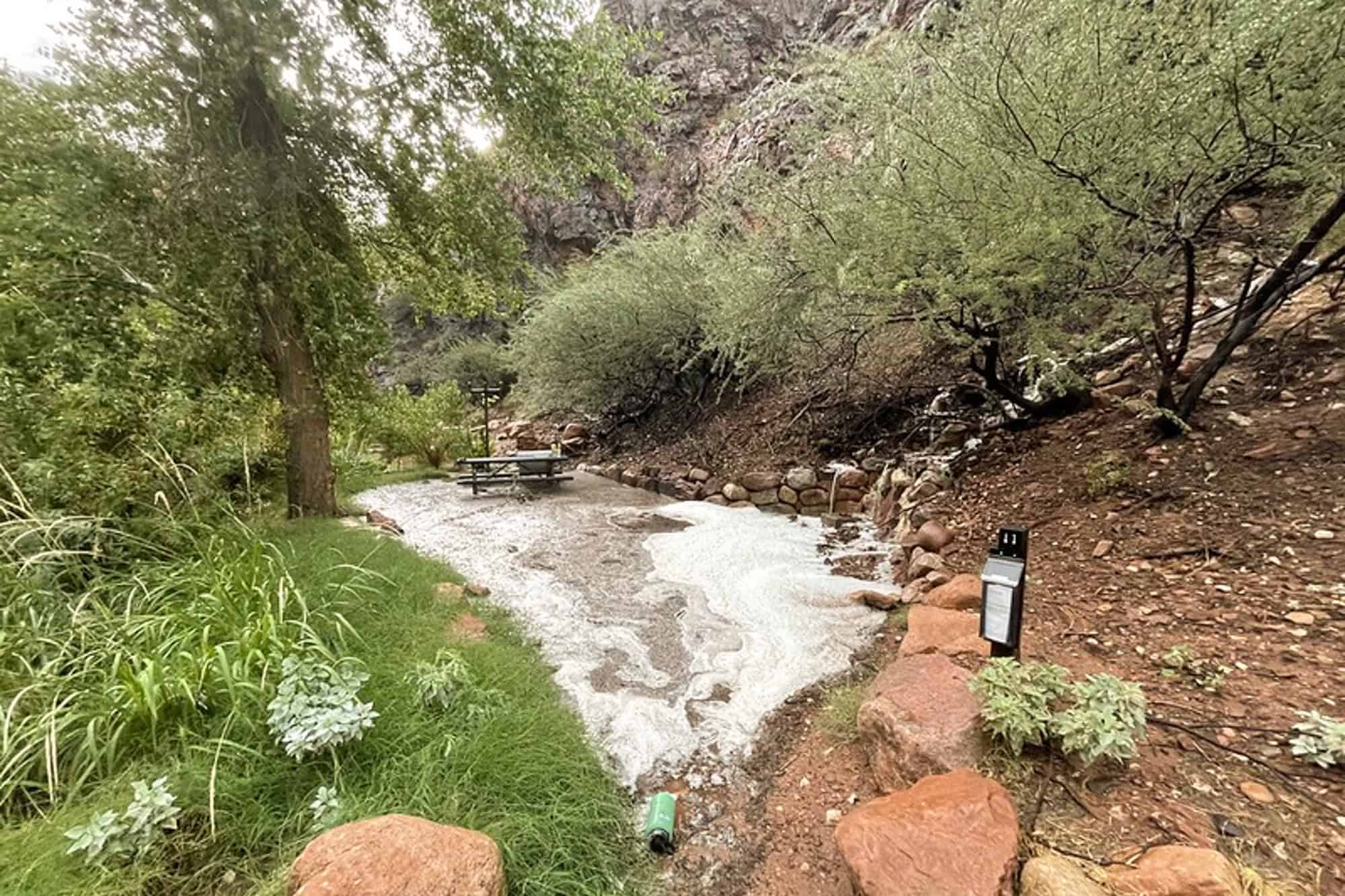
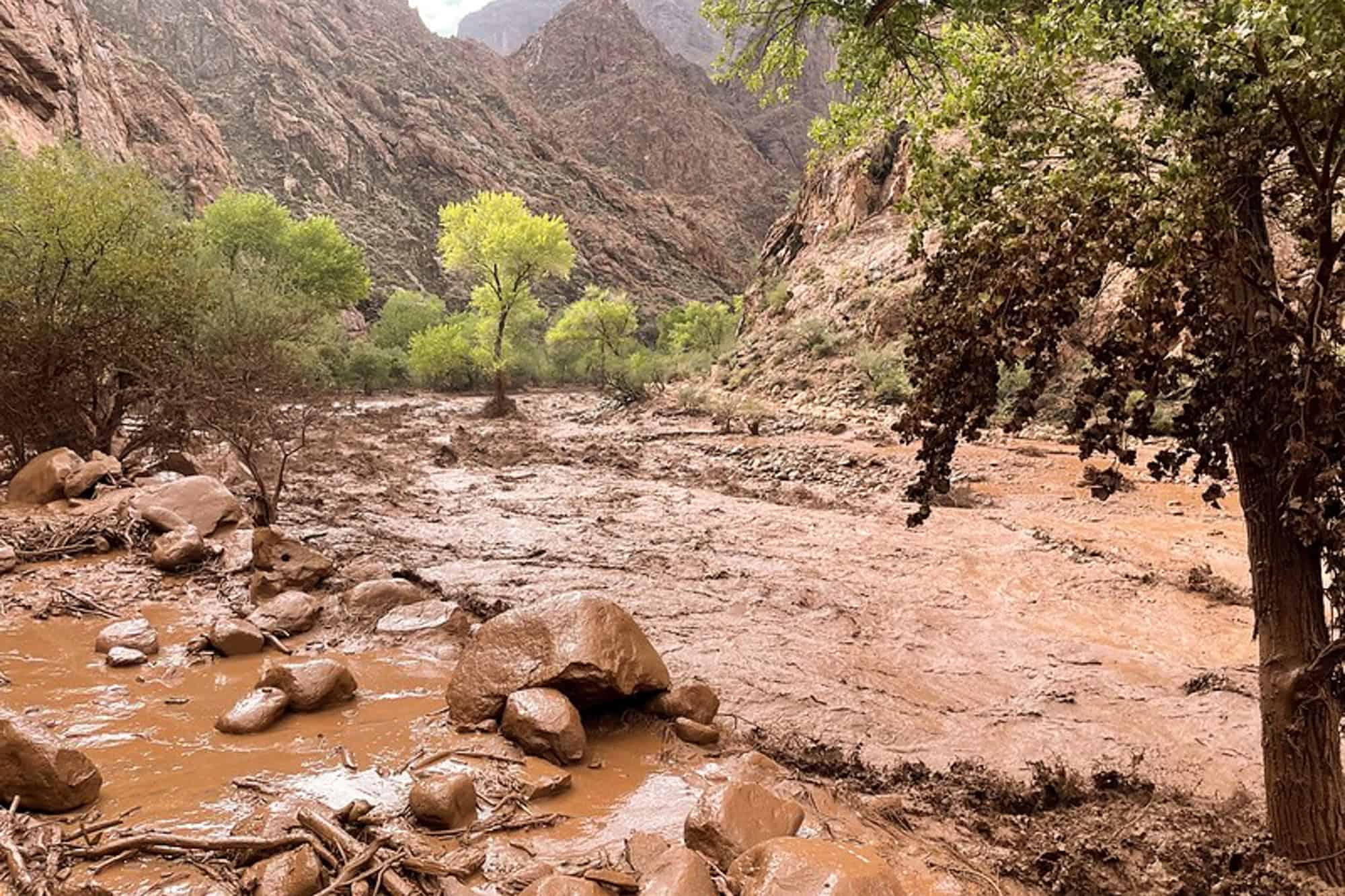
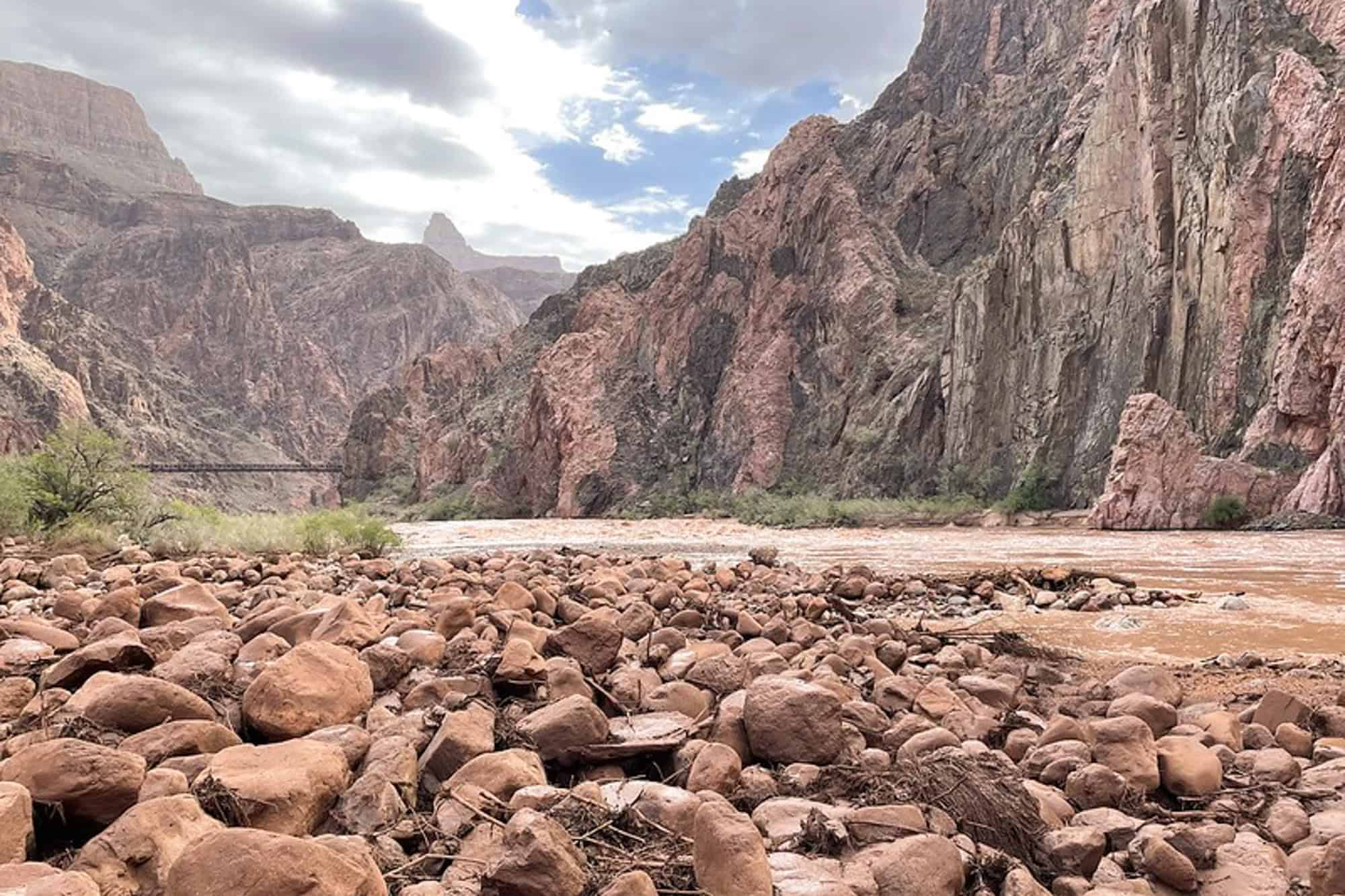
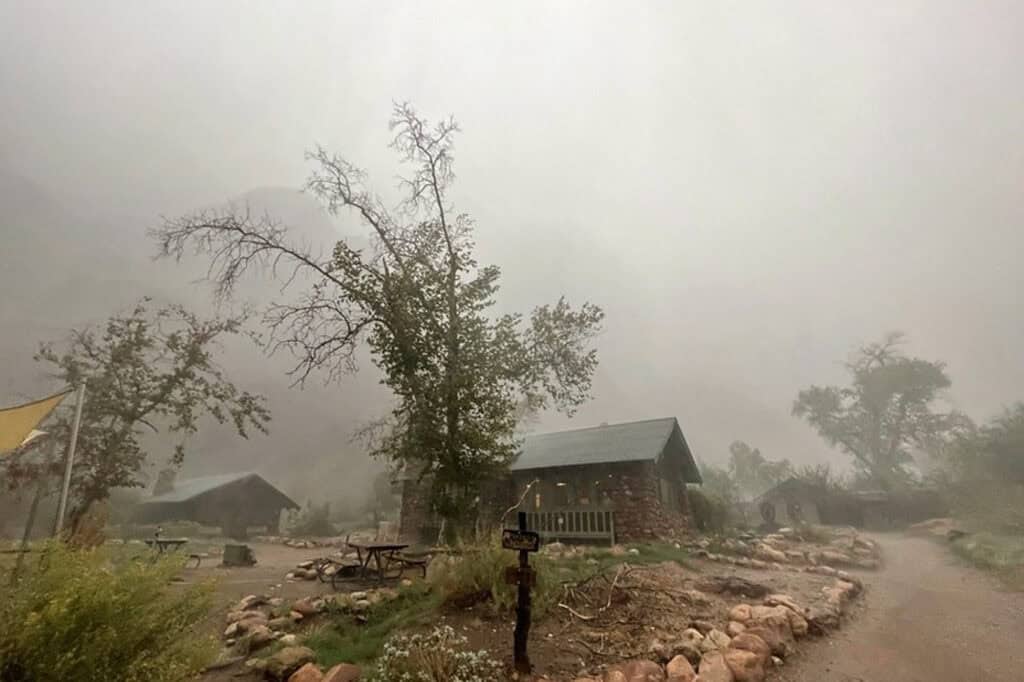
While it rained at Phantom Ranch, at the bottom of the Canyon near the Colorado River (pictured below), the source of the problem was up on the North Rim.
Search teams recovered the bodies of two men from Texas, 10 miles apart along the Colorado River. Three weeks later, they recovered the body of their friend from Wyoming, found even farther away.
The distance gives you a sense of the scope of the disaster crews have been dealing with.
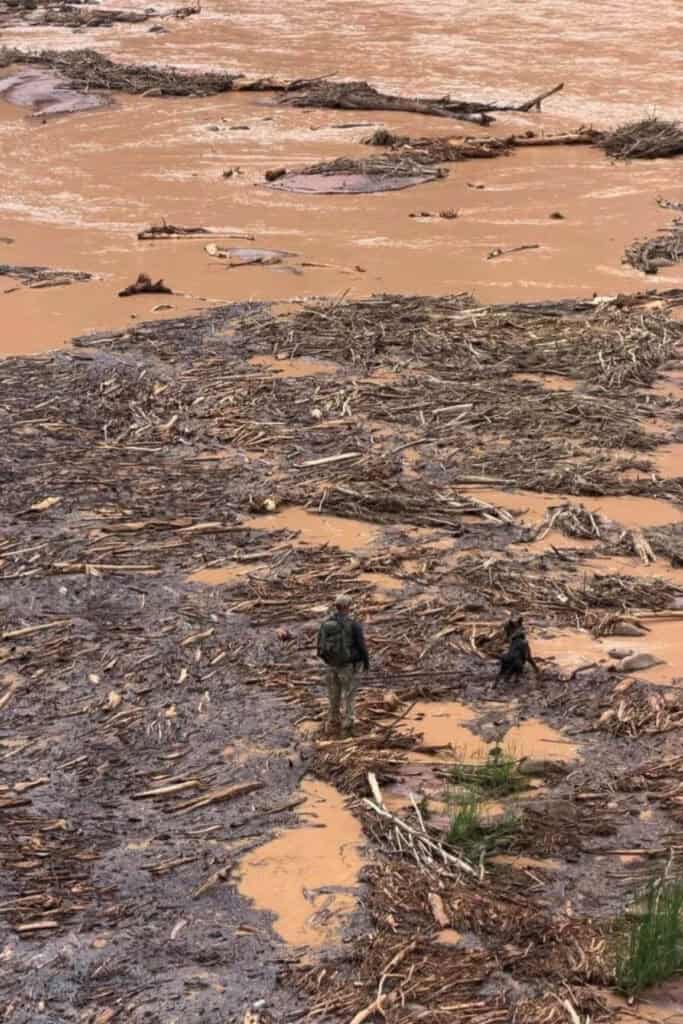
Rescue Flights After the Flood
By the numbers, here’s what Park Rangers, the Arizona Department of Public Safety, Coconino County, and other agencies are reporting:
- 82 hikers stranded
- 2 deaths, and one man still missing
- 61 hikers flown out of the canyon
- 13 rescue flights by AZ DPS
- 17 hikers stranded overnight 10 miles upstream
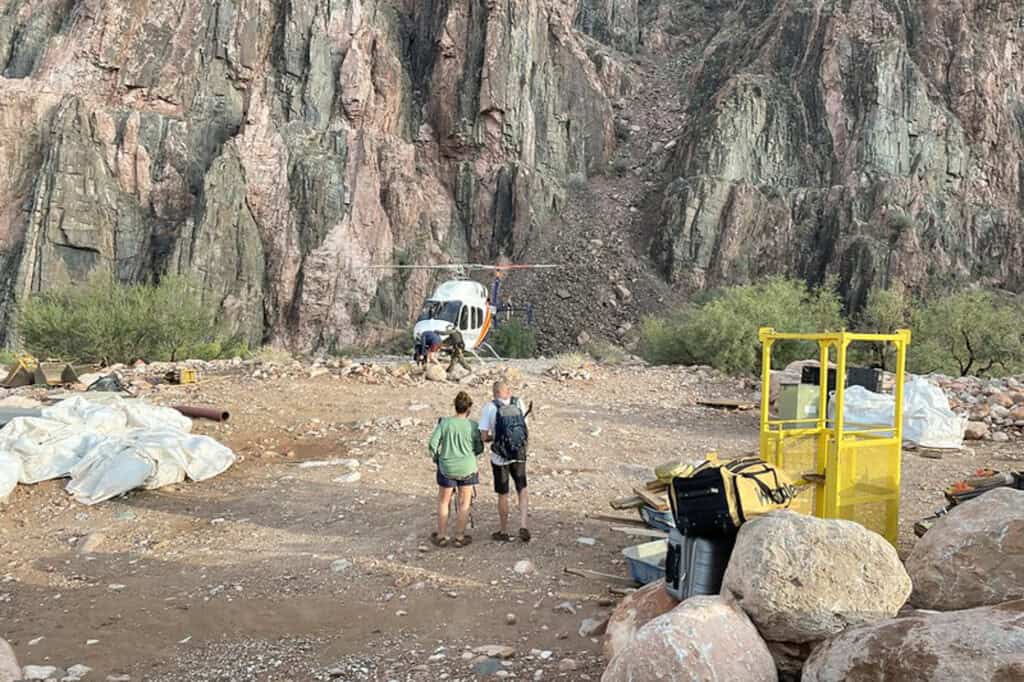
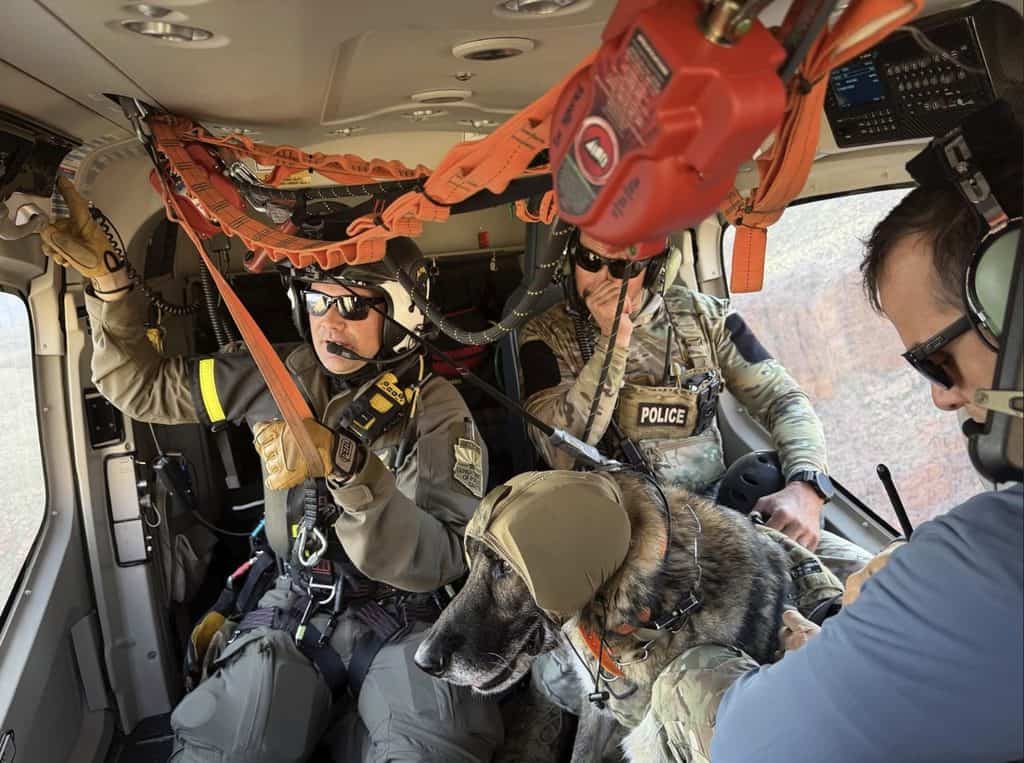
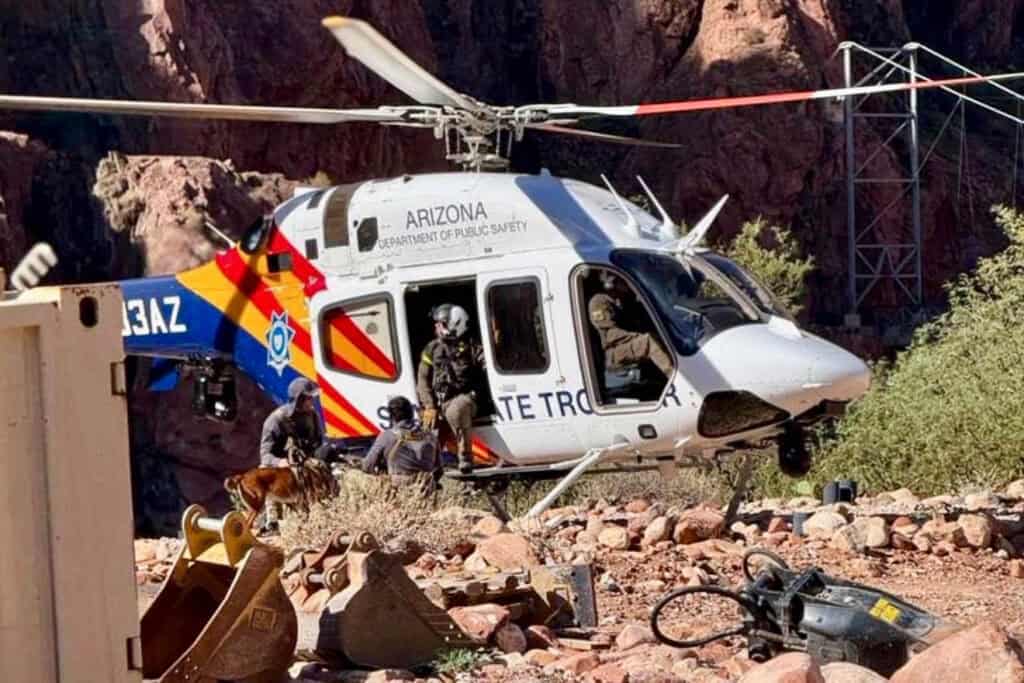
During the ongoing search, the DPS “Ranger” flew in:
- 8 Border Patrol “Search, Trauma, & Rescue” operators
- 4 K9s
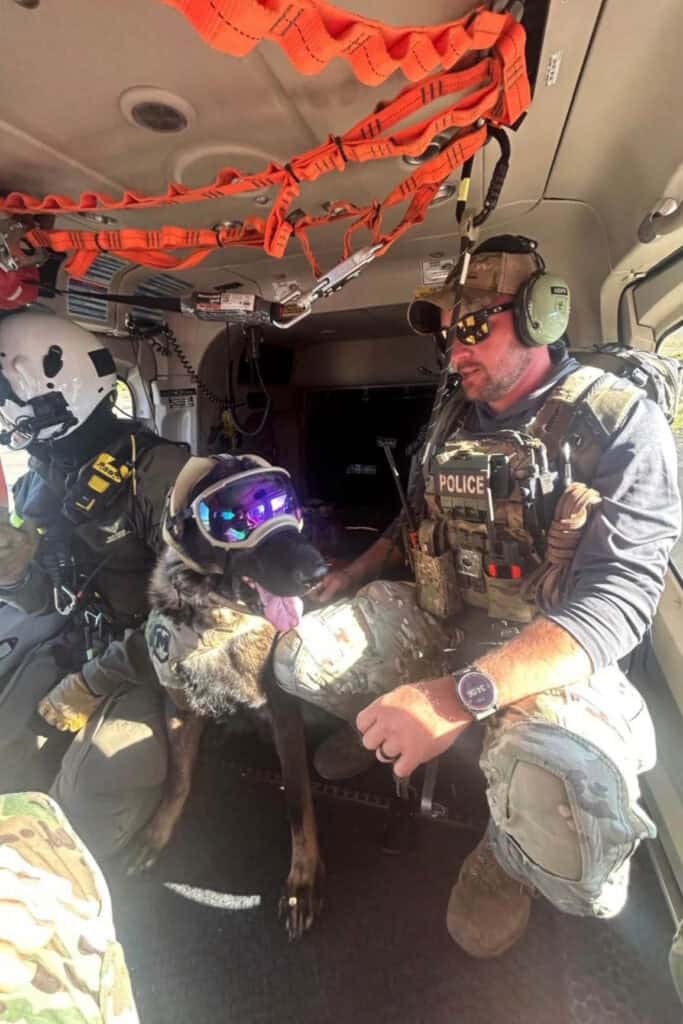
The Tucson Sector Border Patrol’s Search, Trauma, and Rescue Unit (BORSTAR) and Arizona DPS assisted with the K9 search operations.
Key Info on the 2026 Flash Flood
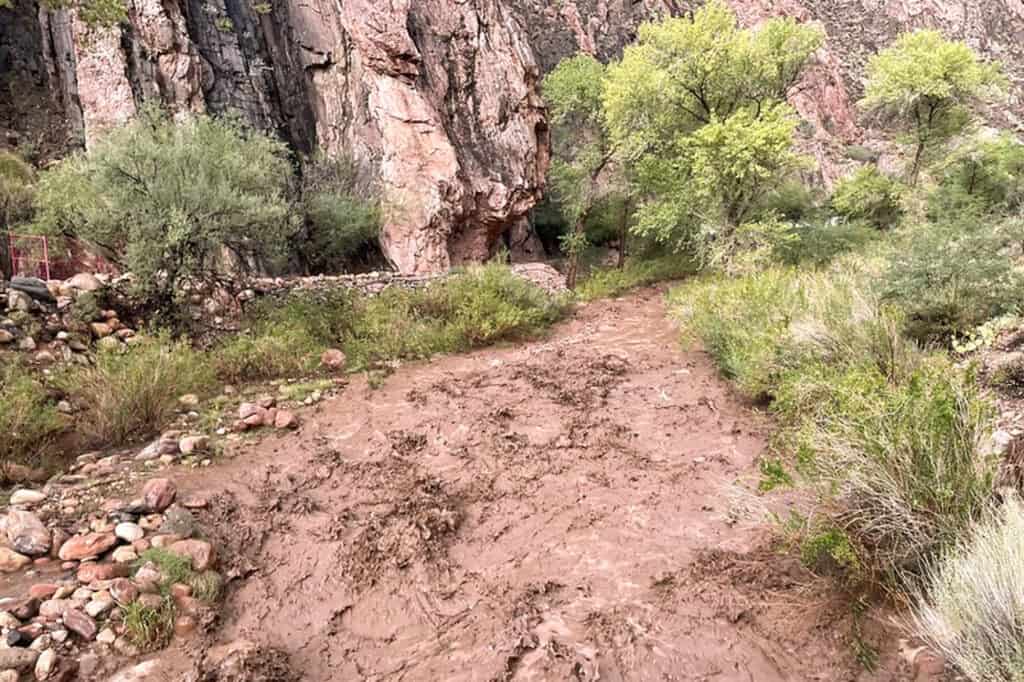
- Heavy rain hit the wildfire burn scar on the North Rim, triggering the flash flood in Bright Angel Creek, which runs south into the Colorado River.
- The area has no cell service, no sirens, and no flood warning system.
- The flood came through the creek in waves. Hikers say: after the initial wave of high water, they thought they were in the clear.
Developing Details on the Flood Damage
I’ll continue updating these preliminary details, released by park officials:
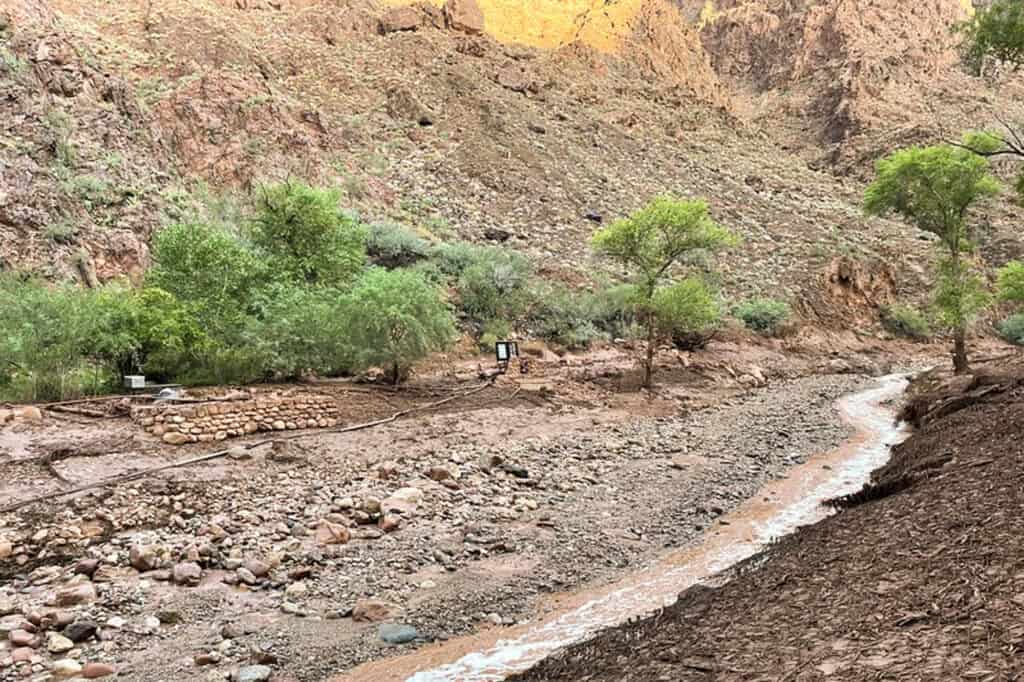
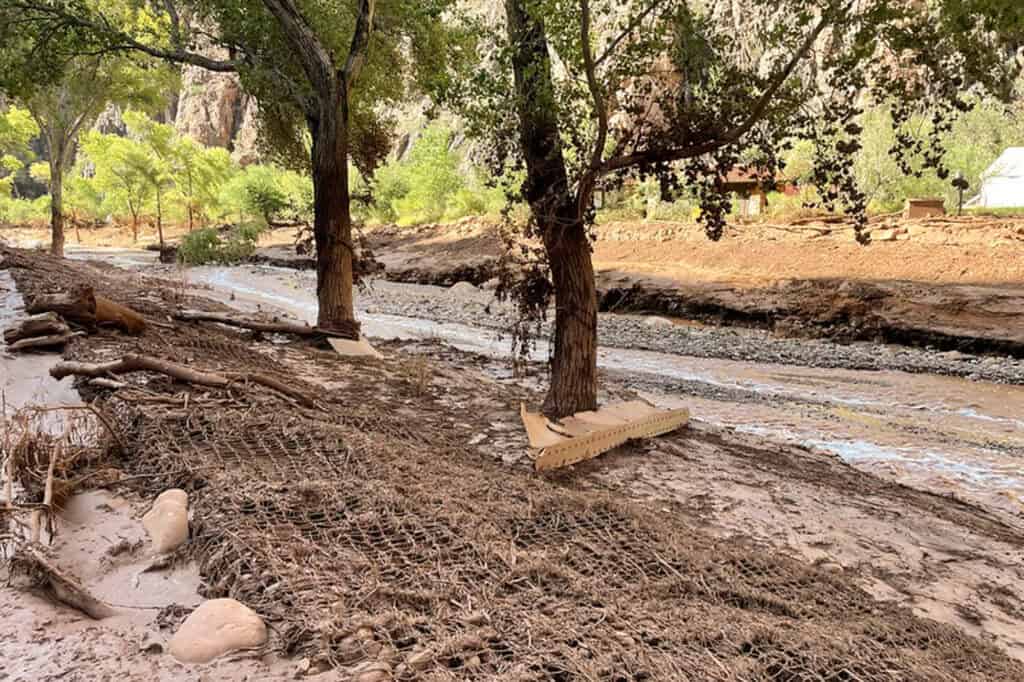
- 50% of the North Kaibab Trail is wiped out (photo below)
- The Grand Canyon National Park remains open to tourists, though many trails are closed.
- South Rim hotels are closed, because of a lack of water, through the fall.
- About 40% of the park’s waterline is damaged, which would equate to about 5 miles of the pipe.
Phantom Ranch
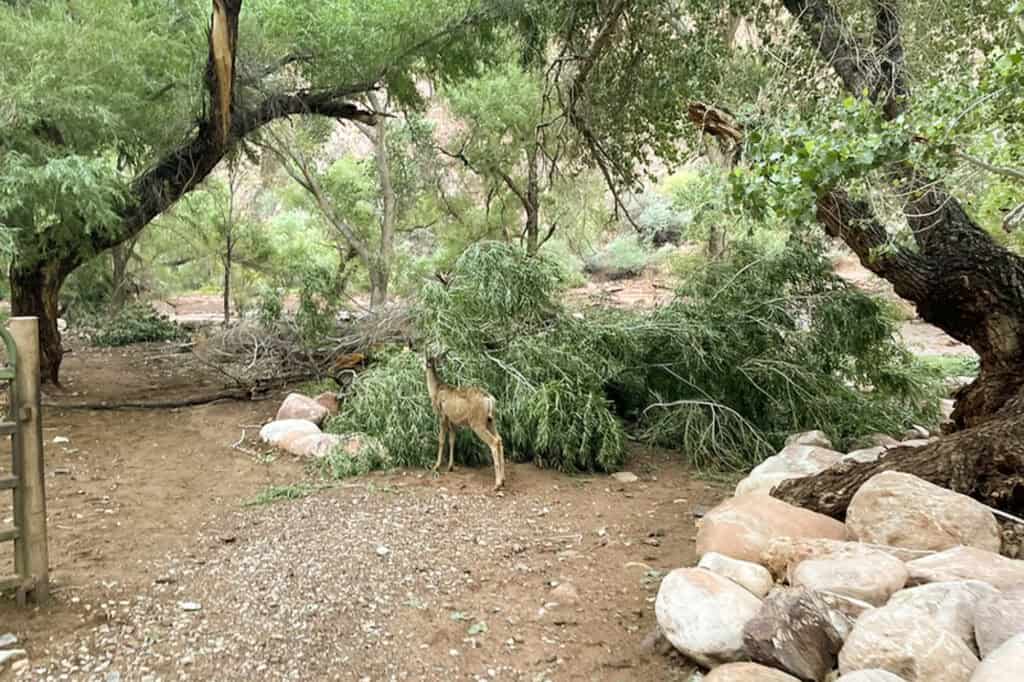
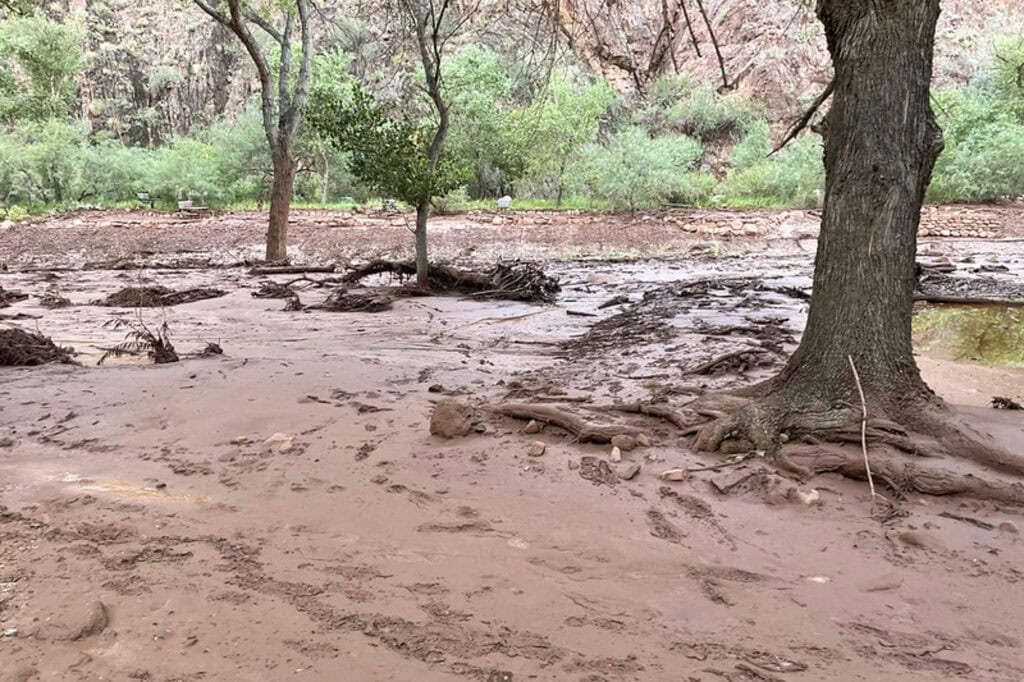
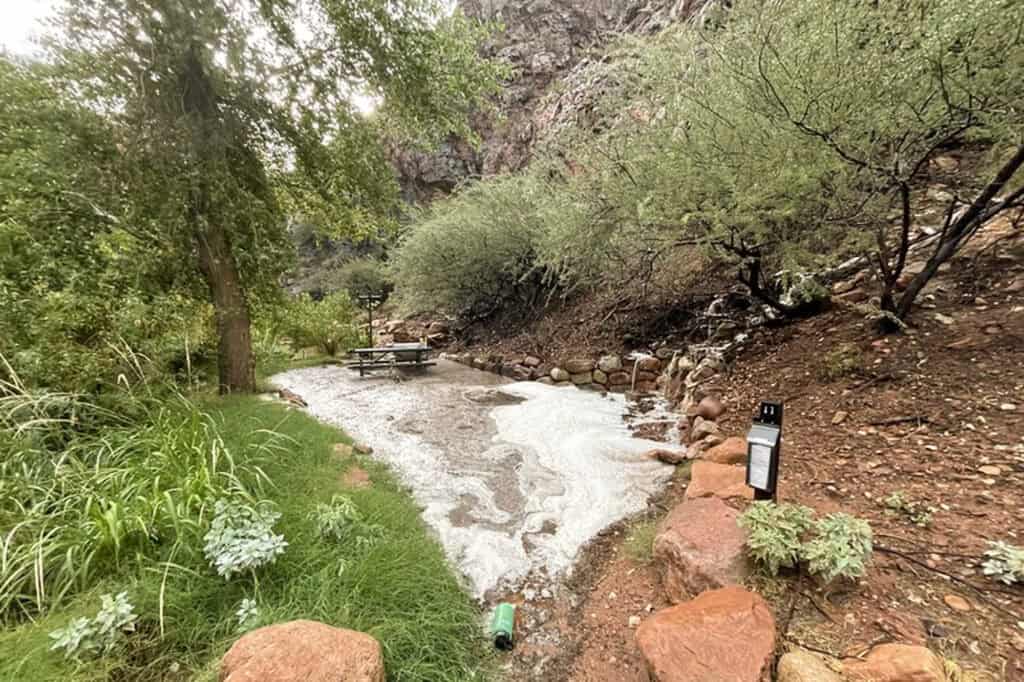
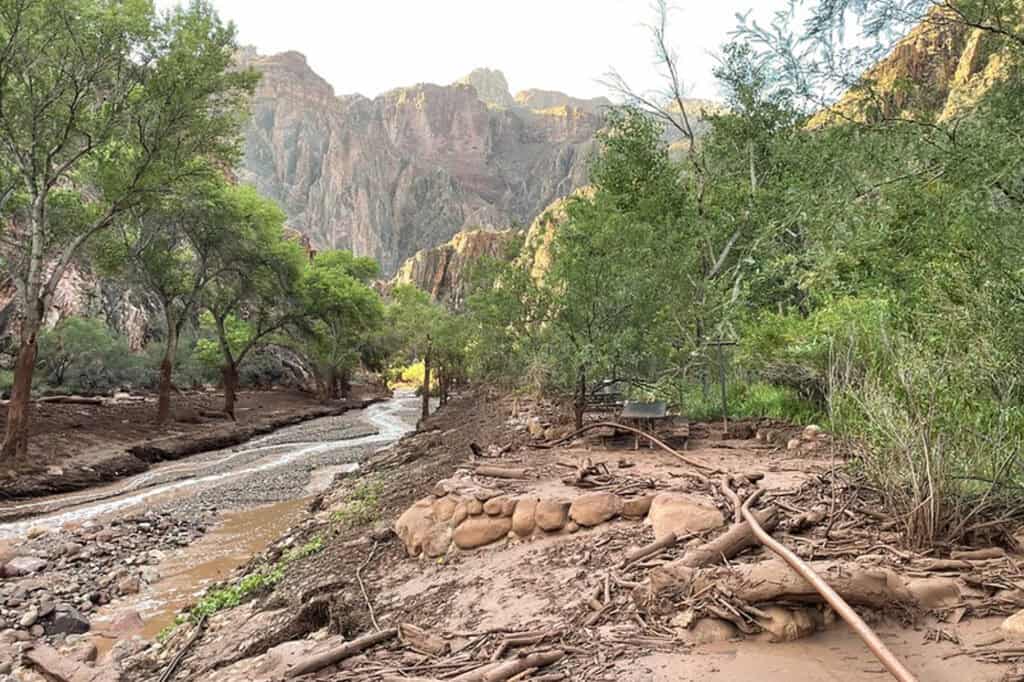
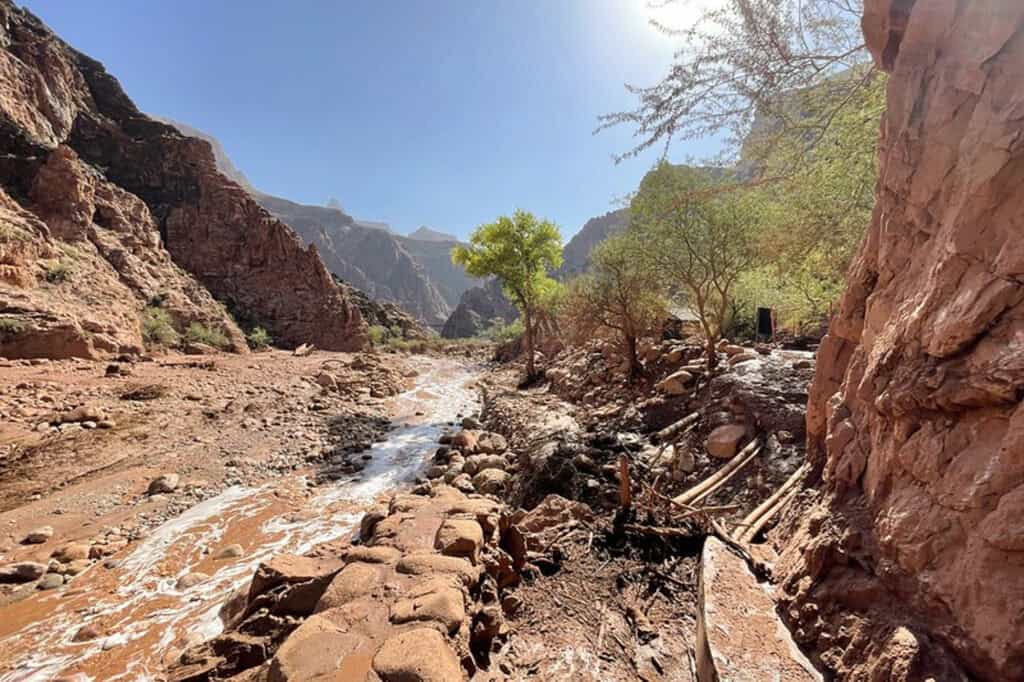
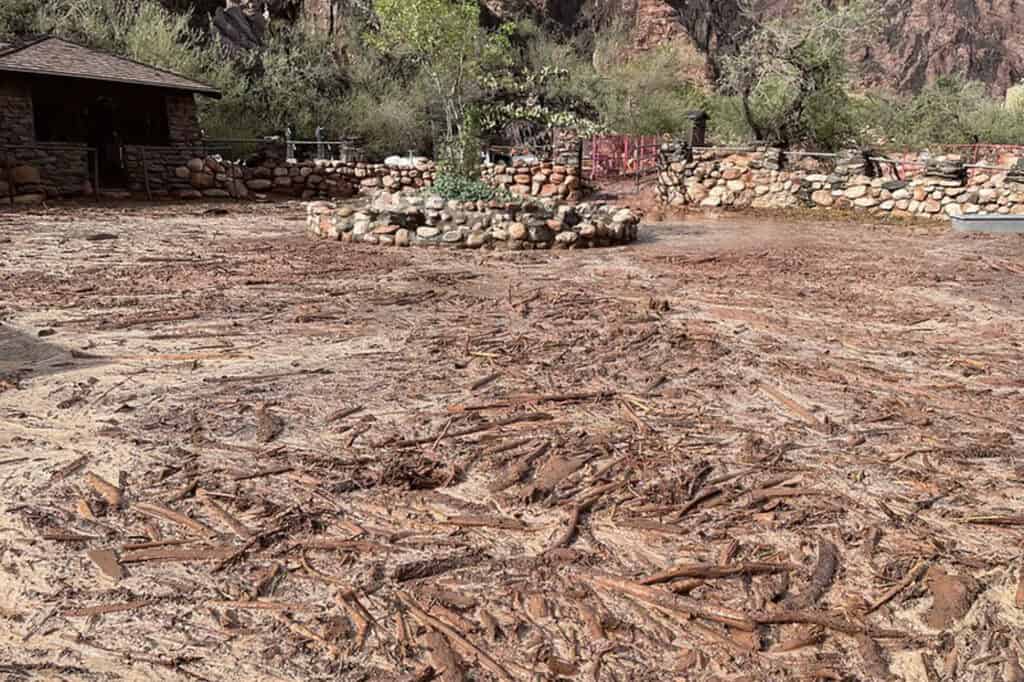
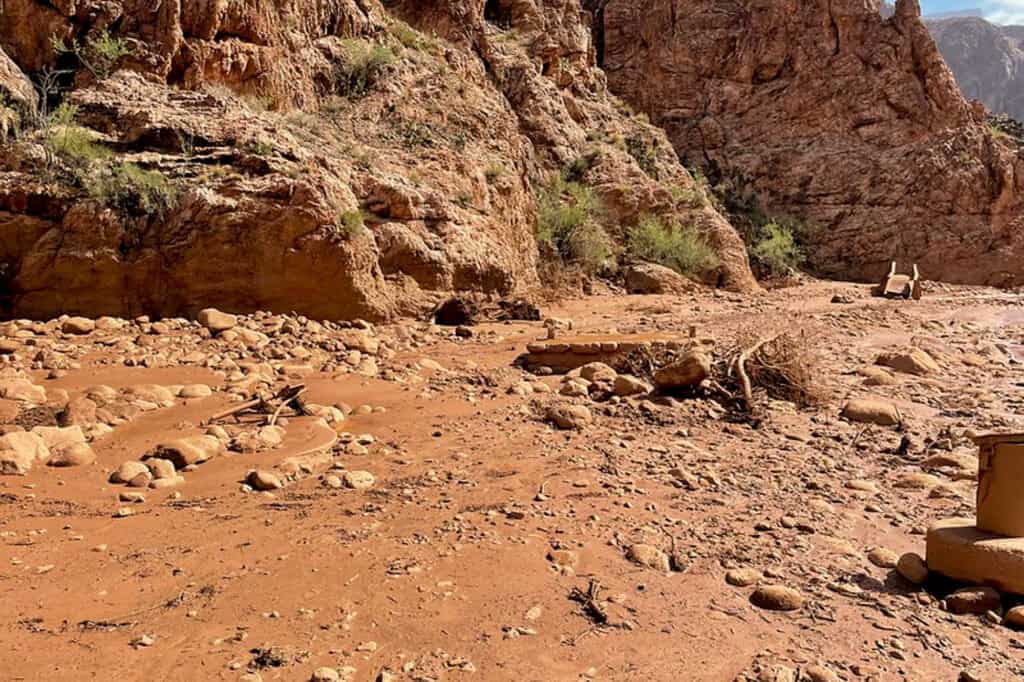
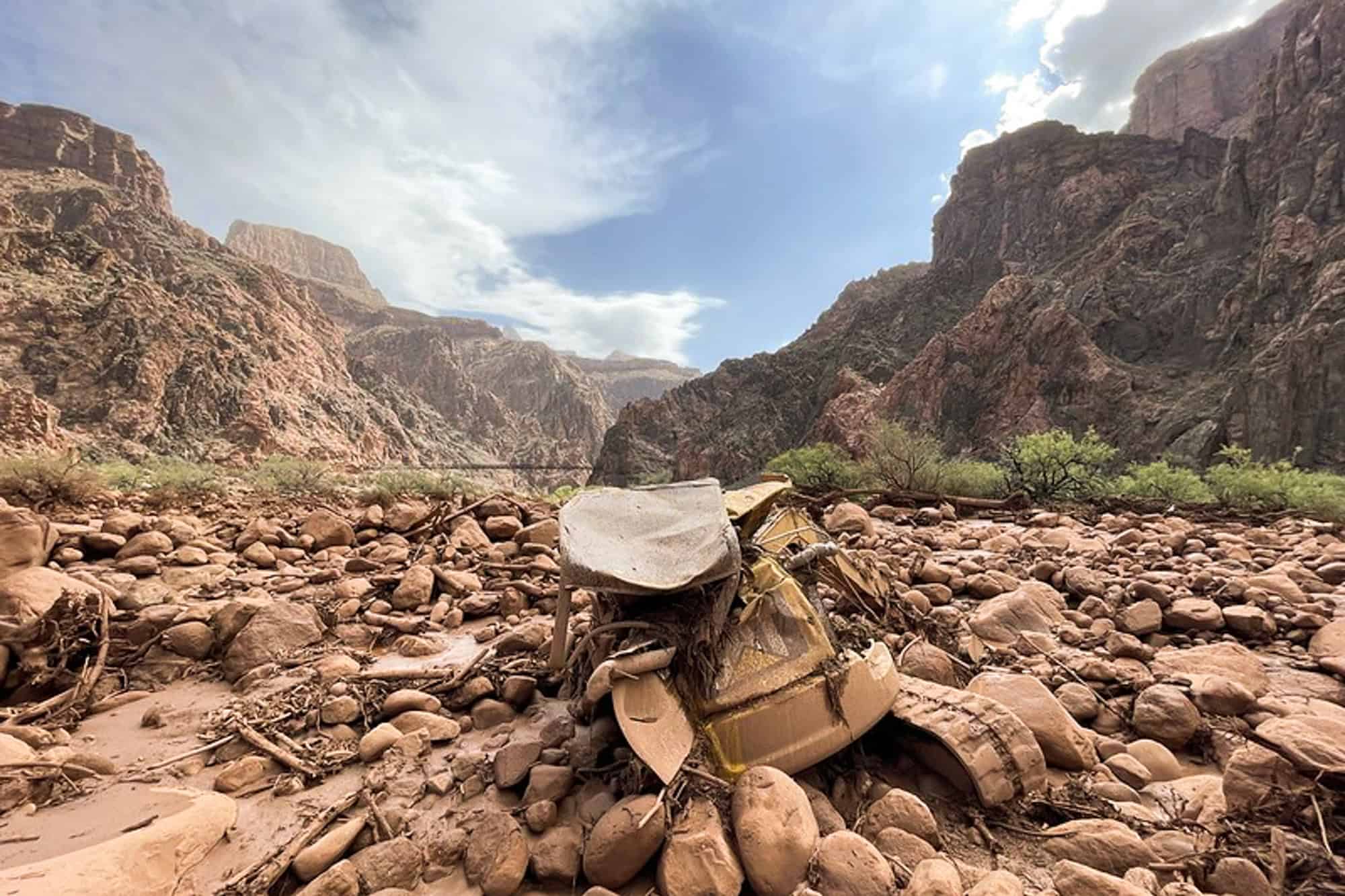
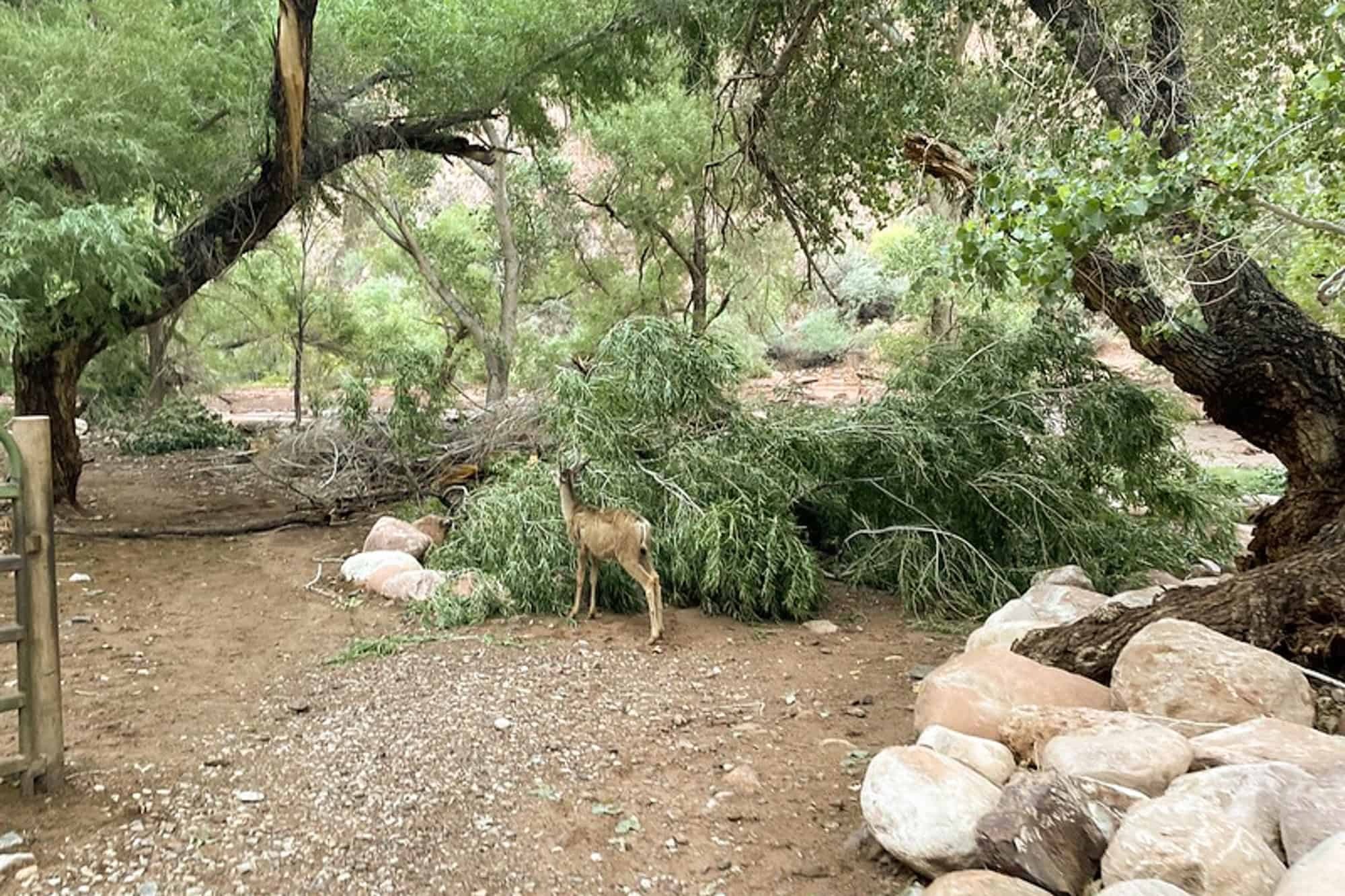
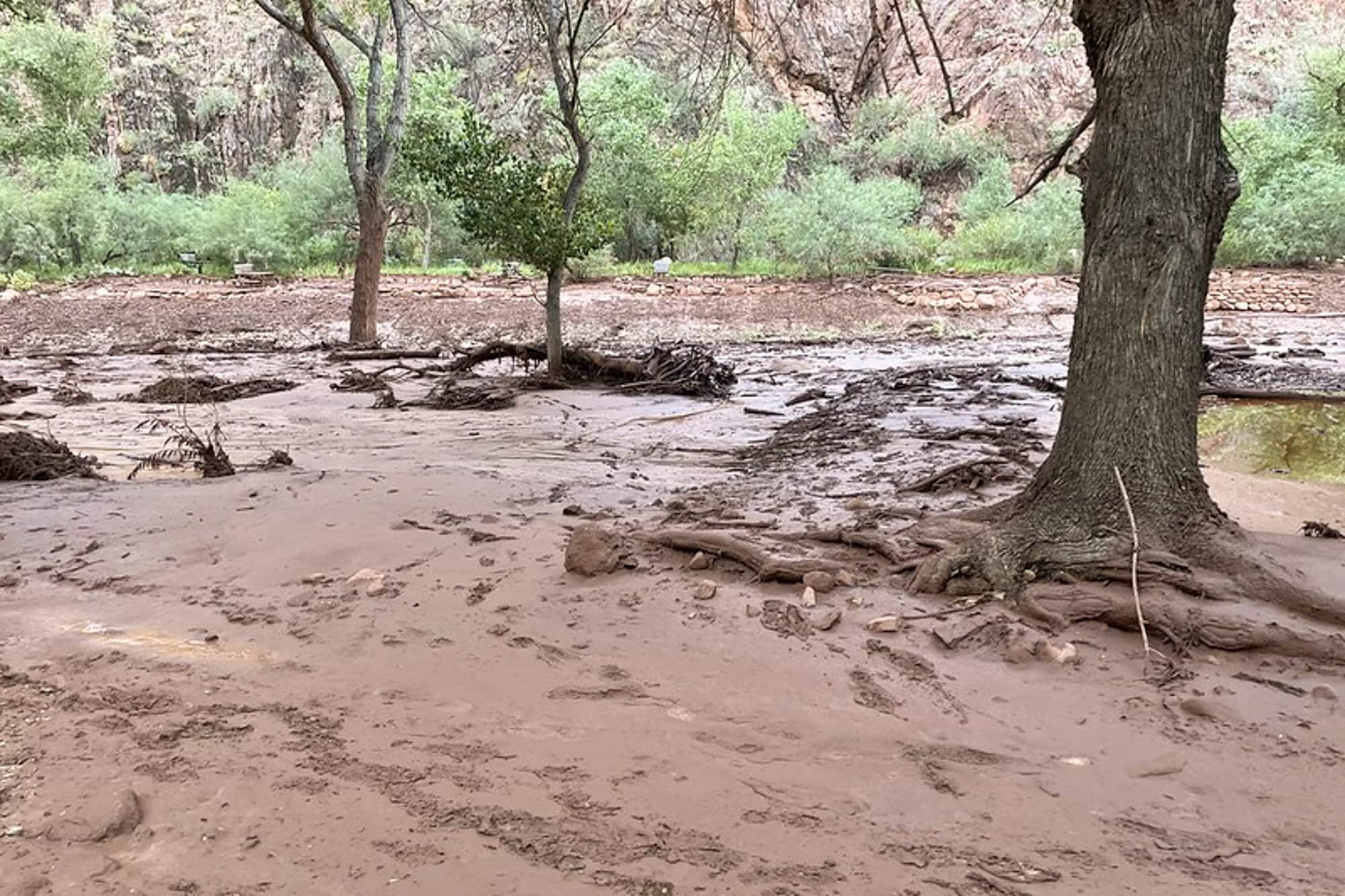
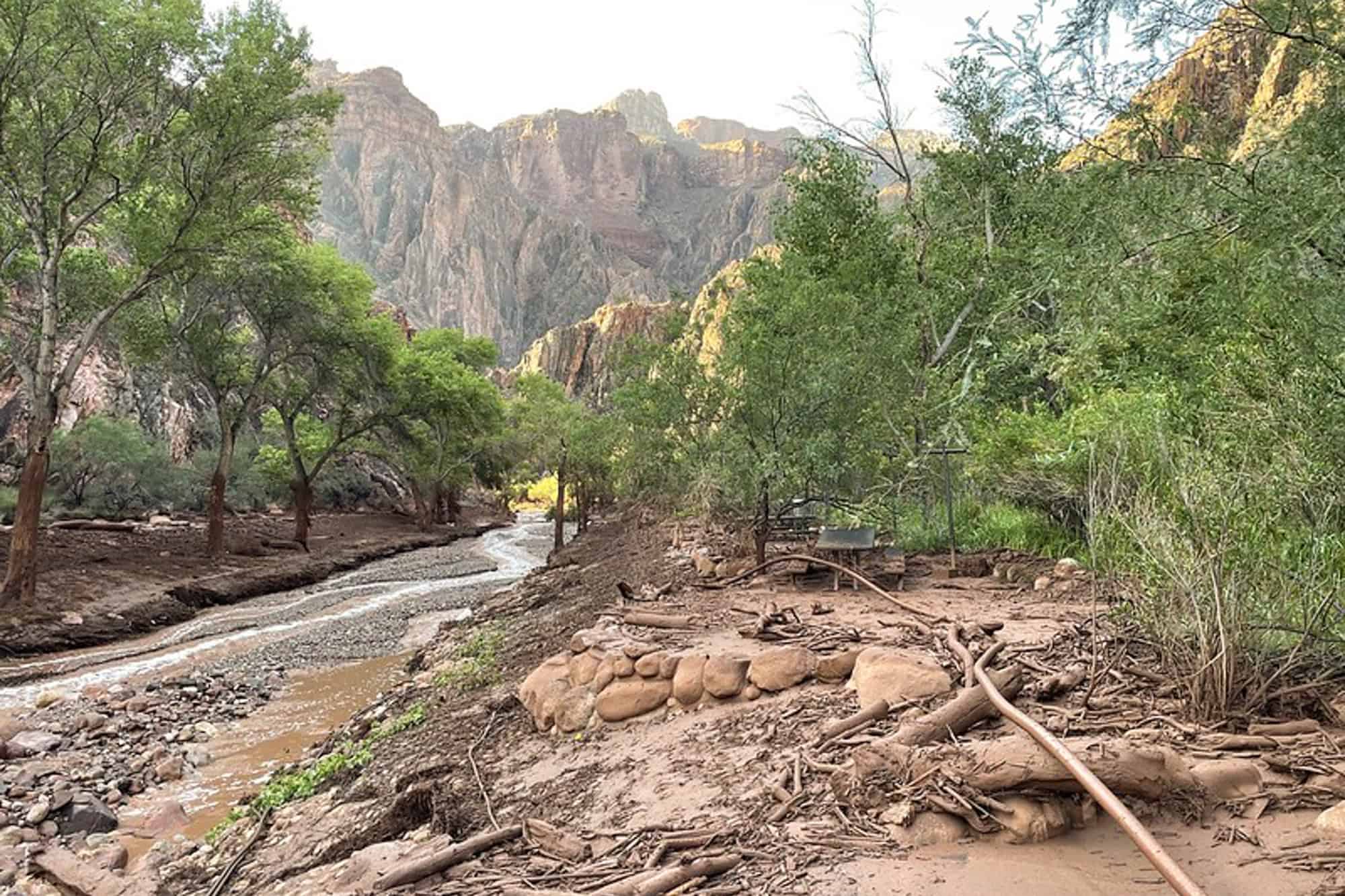
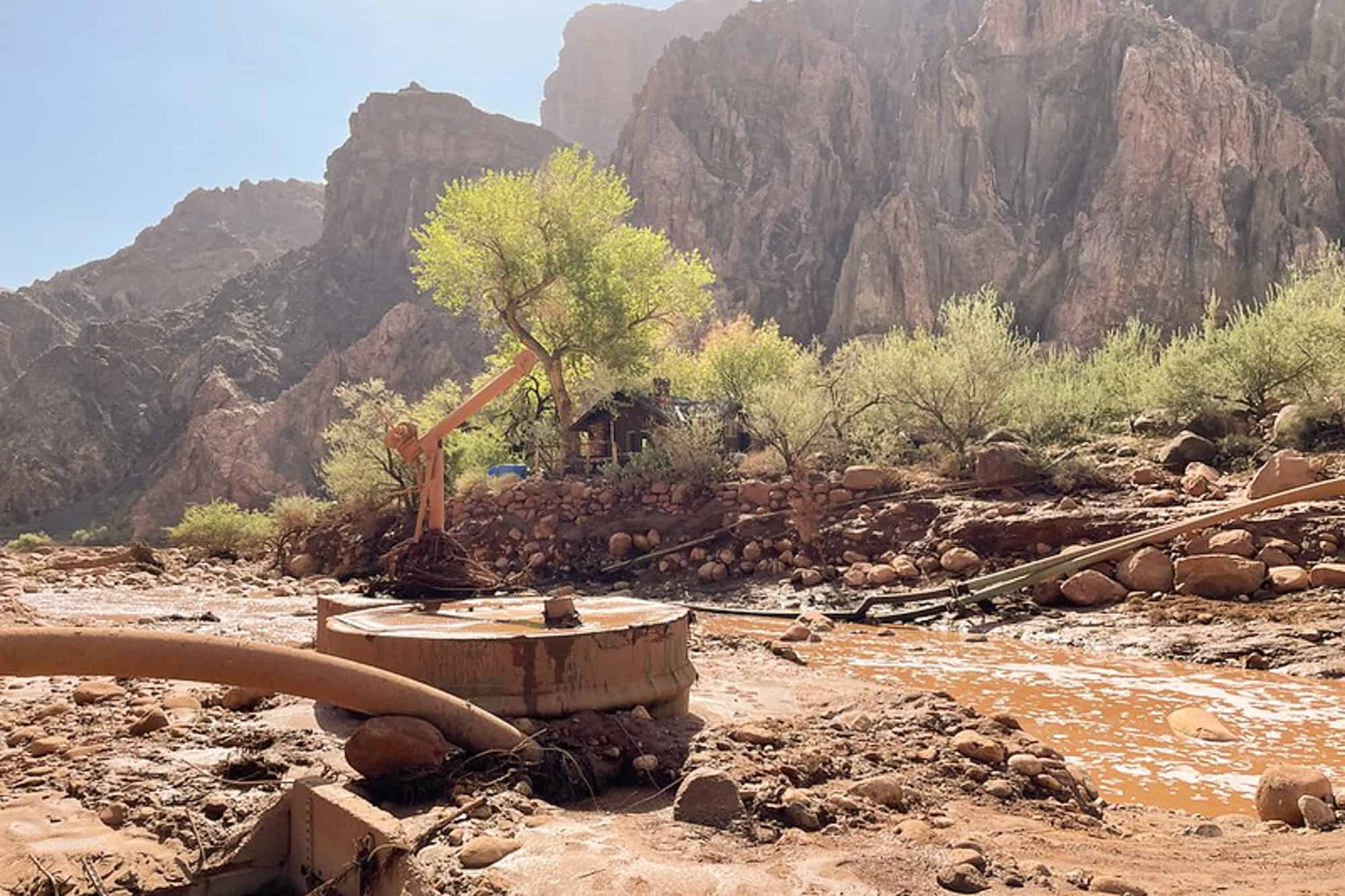
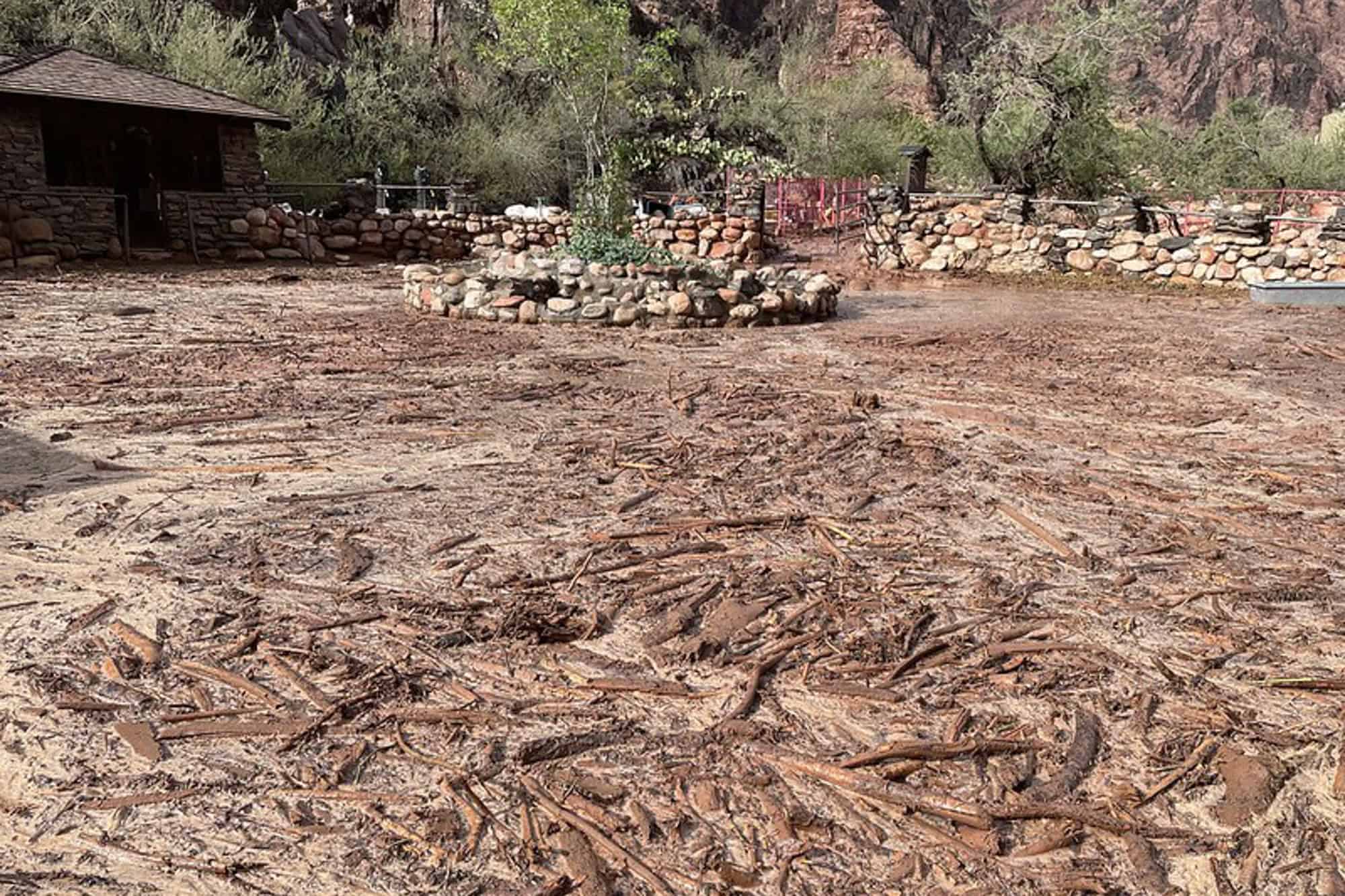
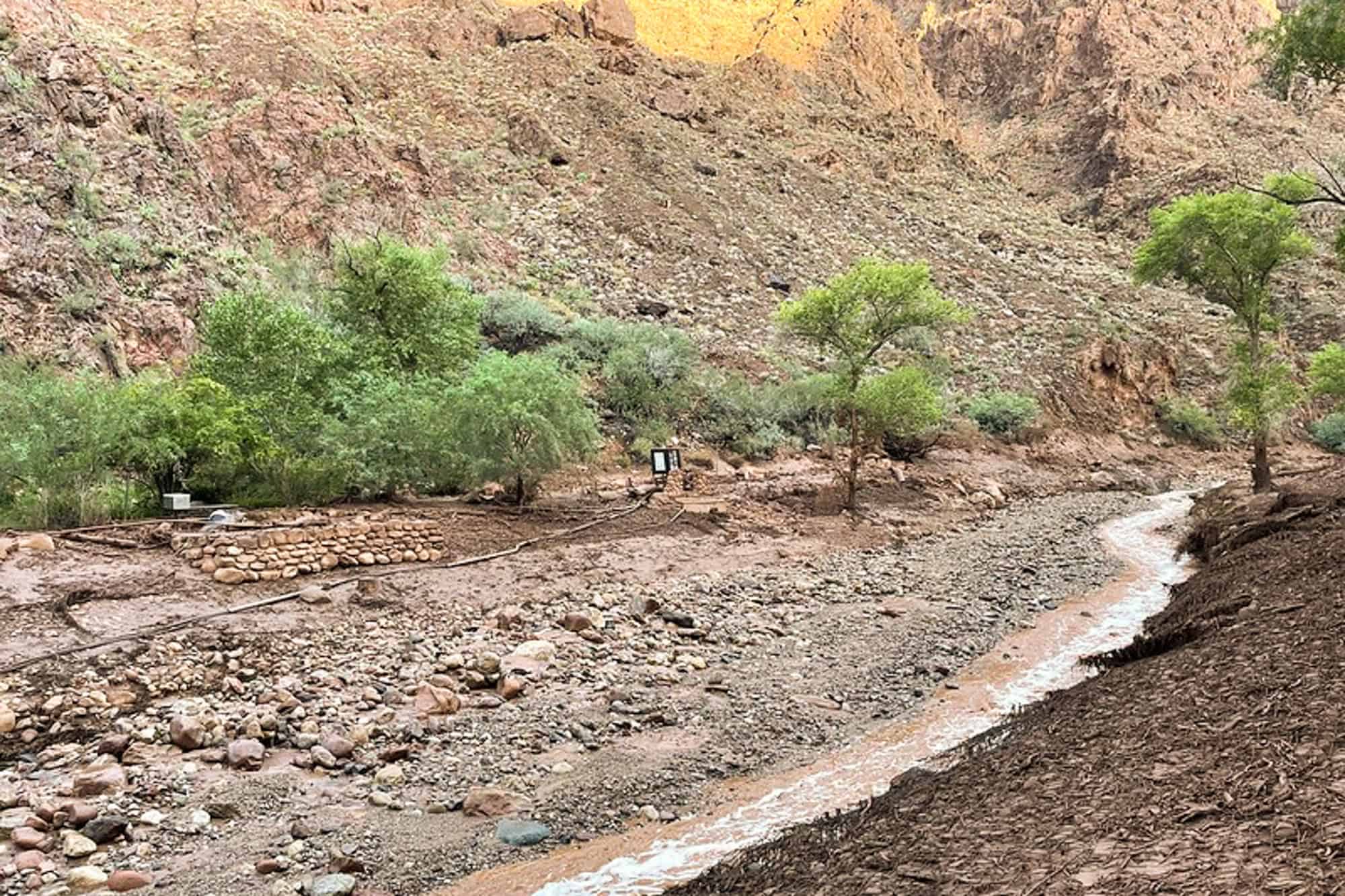
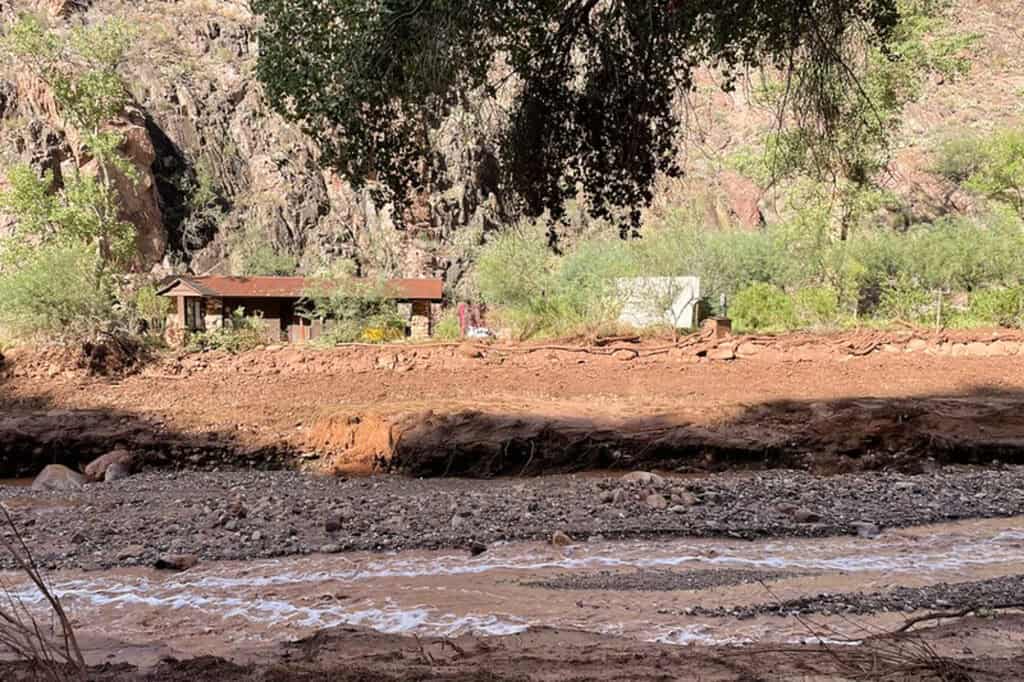
The cabins at Phantom Ranch are still standing, along with the ranger building, wastewater treatment plant, and mule corral area.
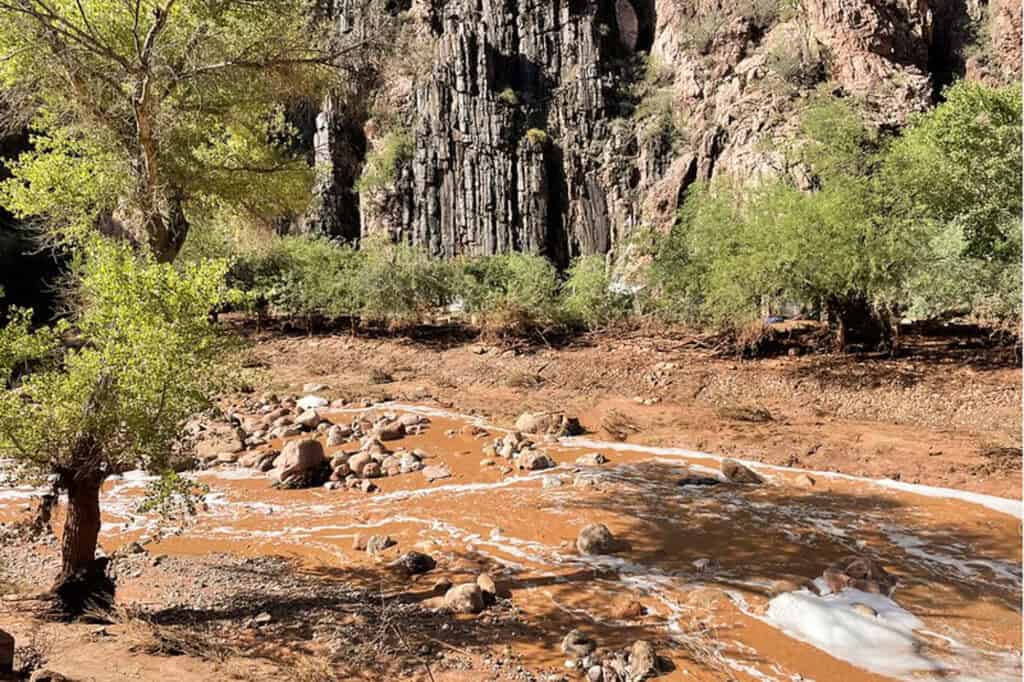
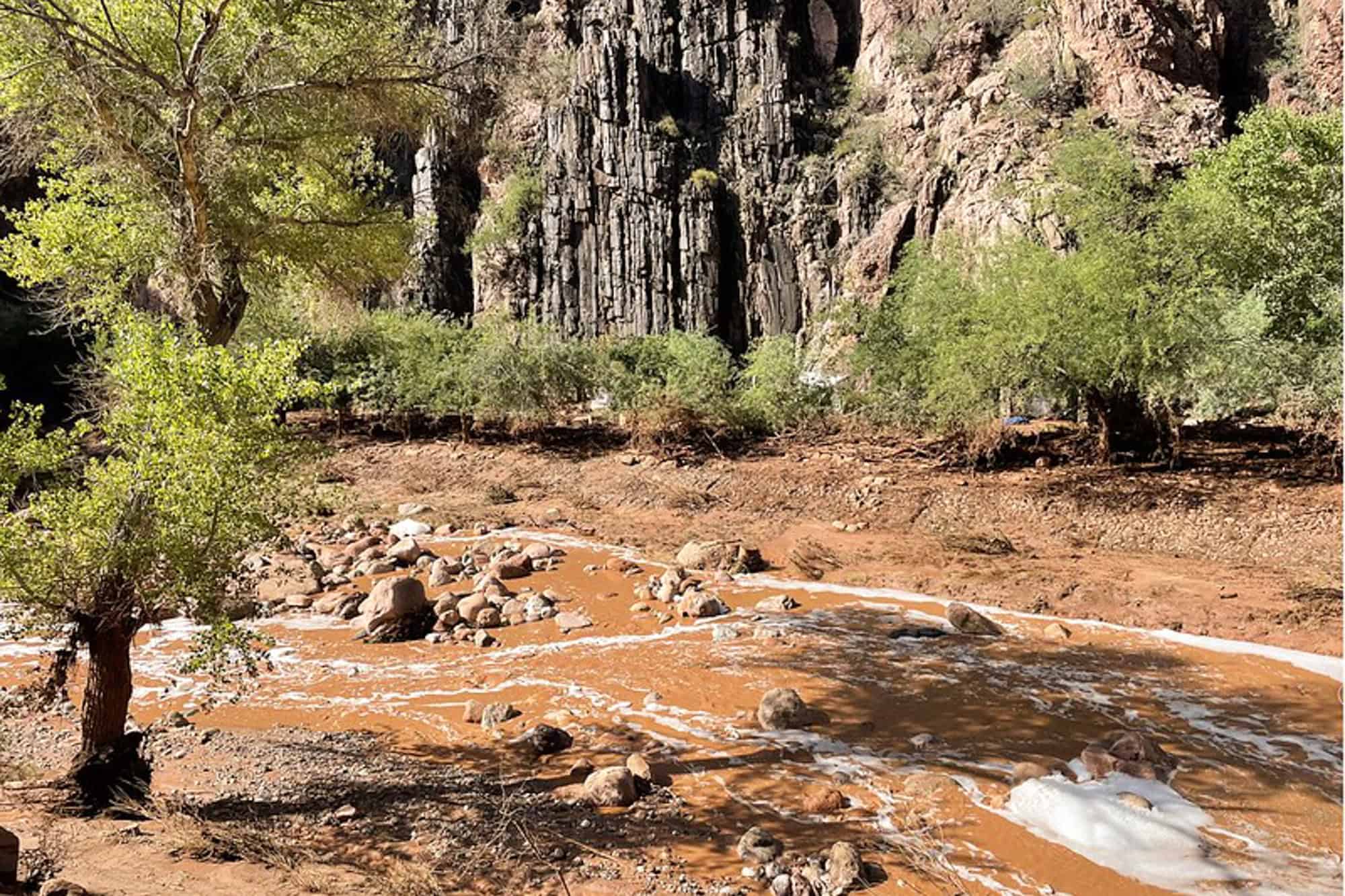
The photos below are the first ones taken after the water cleared from the area, three days after the storm.
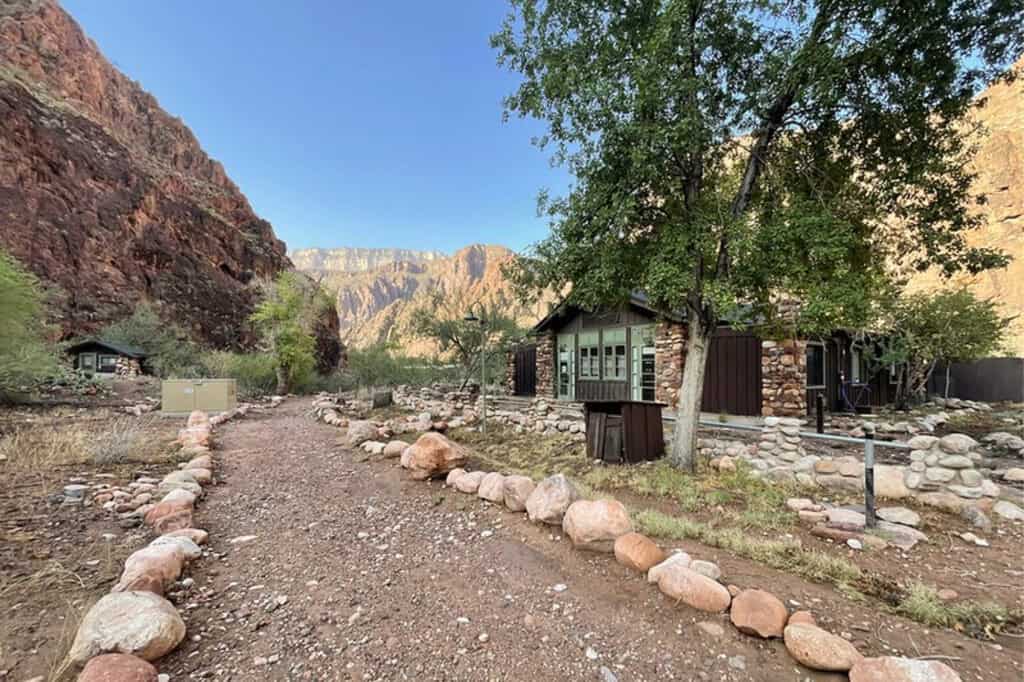
This iconic spot sits about half a mile north of the Colorado River, along Bright Angel Creek.
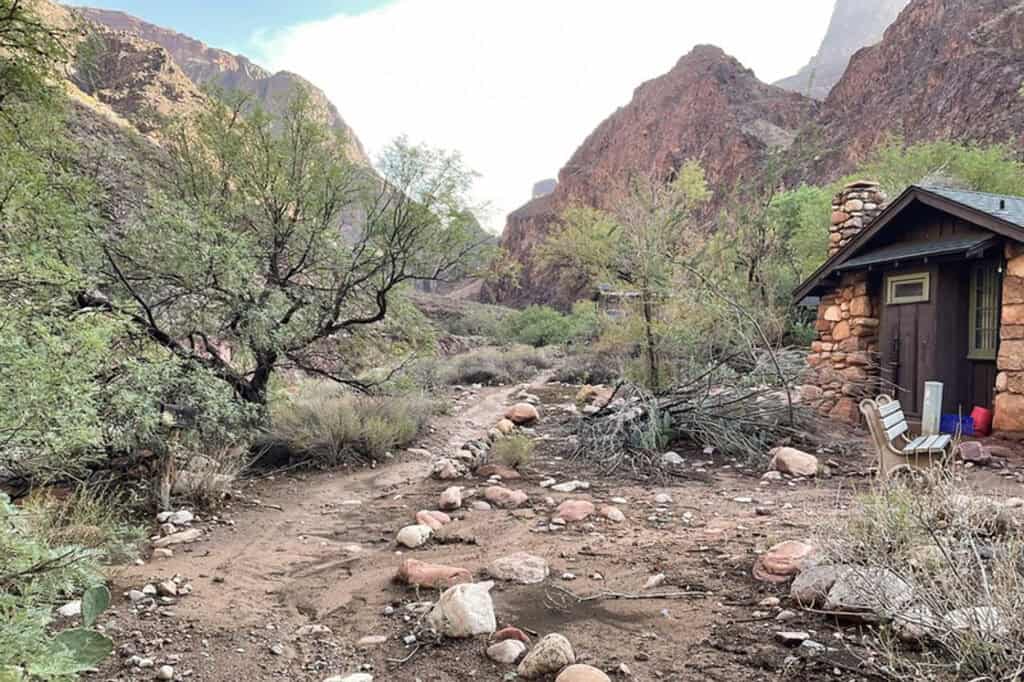
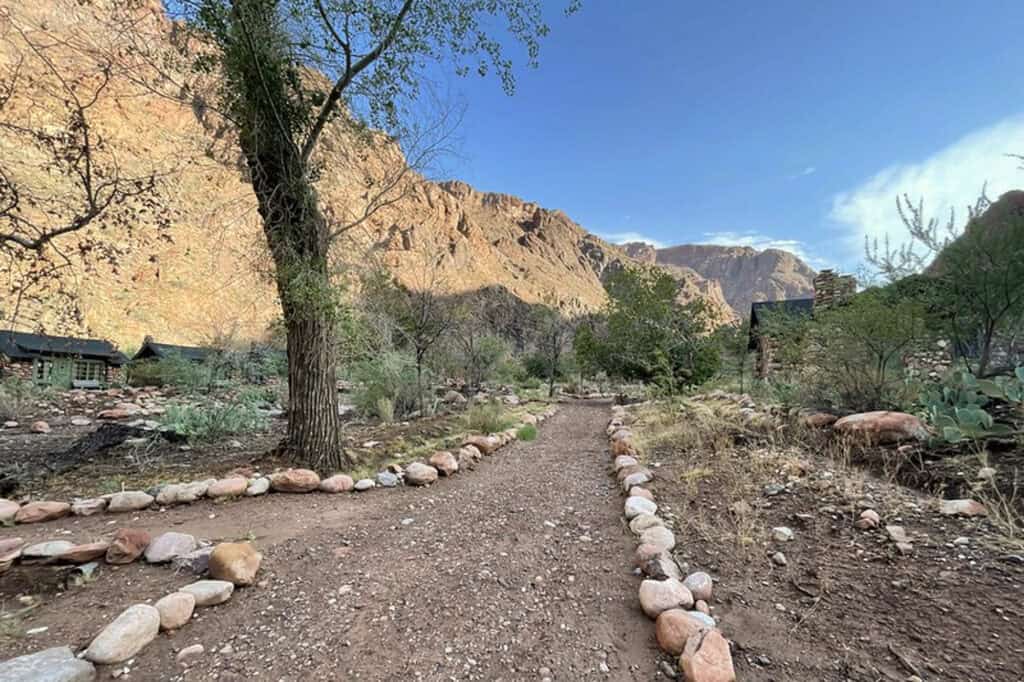
Park Service crews moved into the Phantom Ranch buildings as they worked on excavating, debris cleanup, and other repair work.
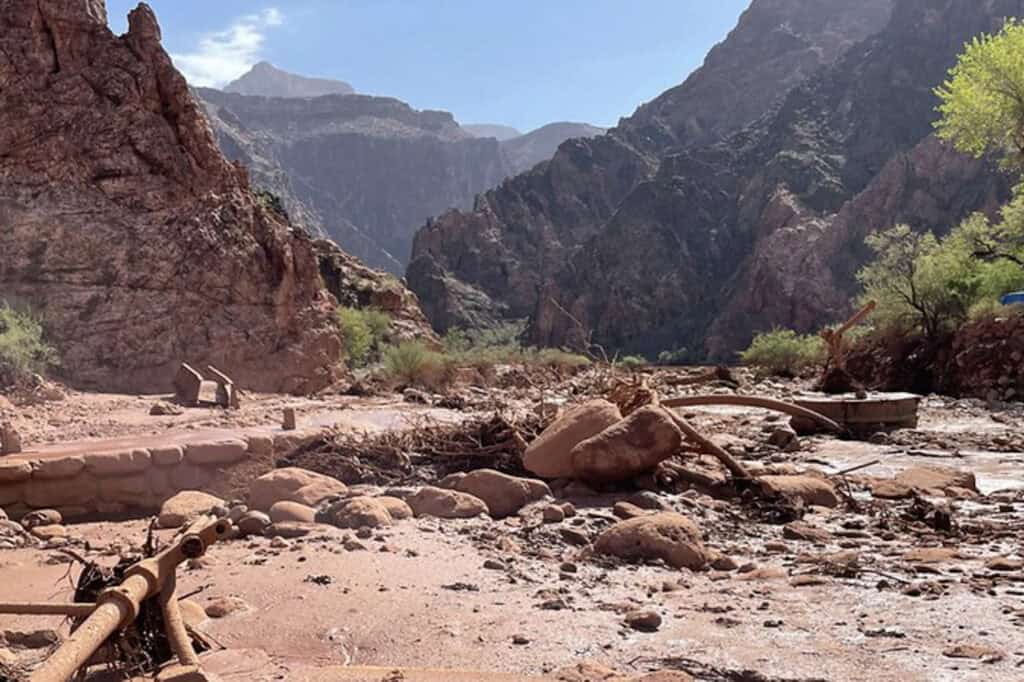
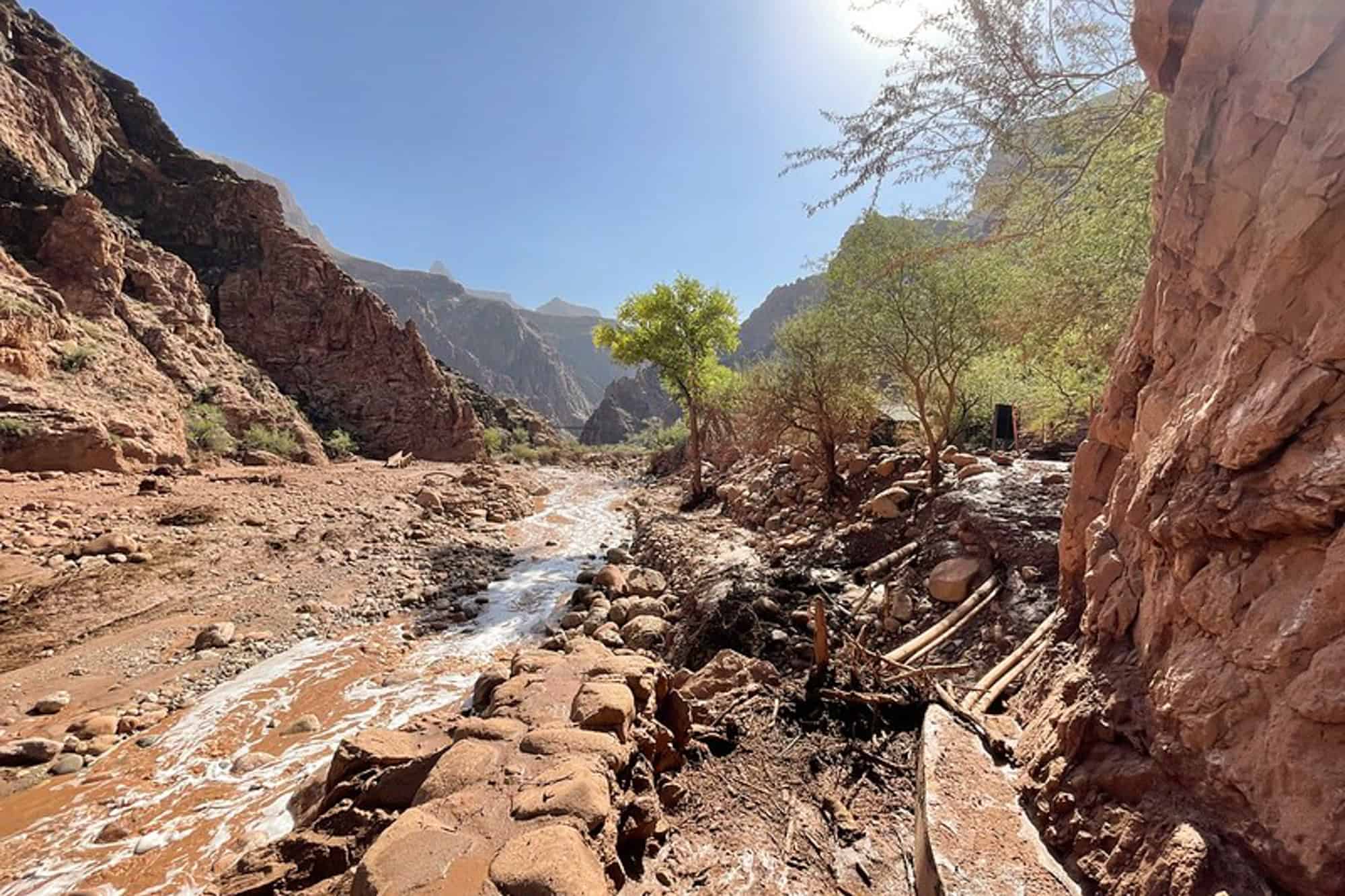
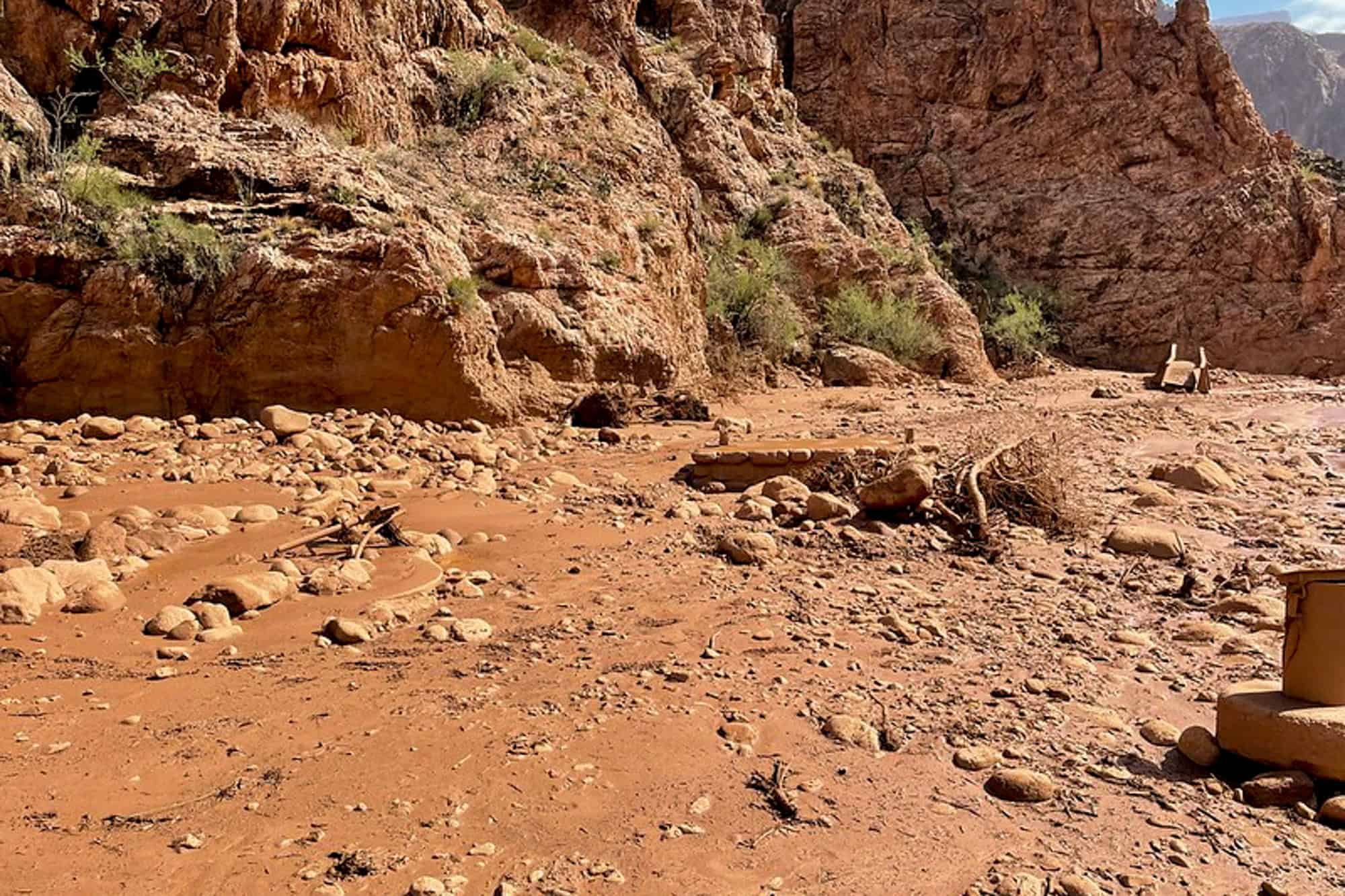
Bright Angel Creek’s Bridges
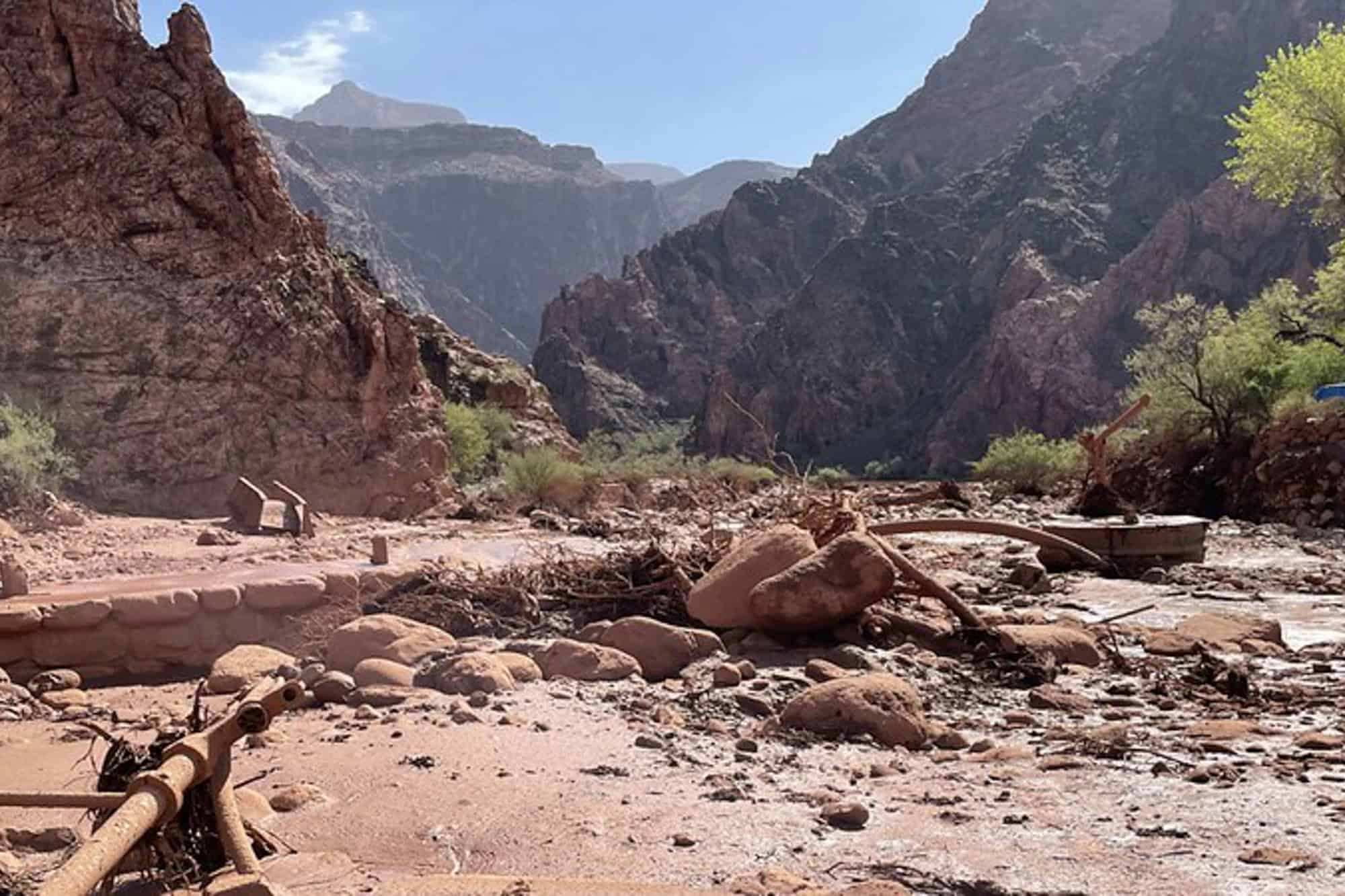
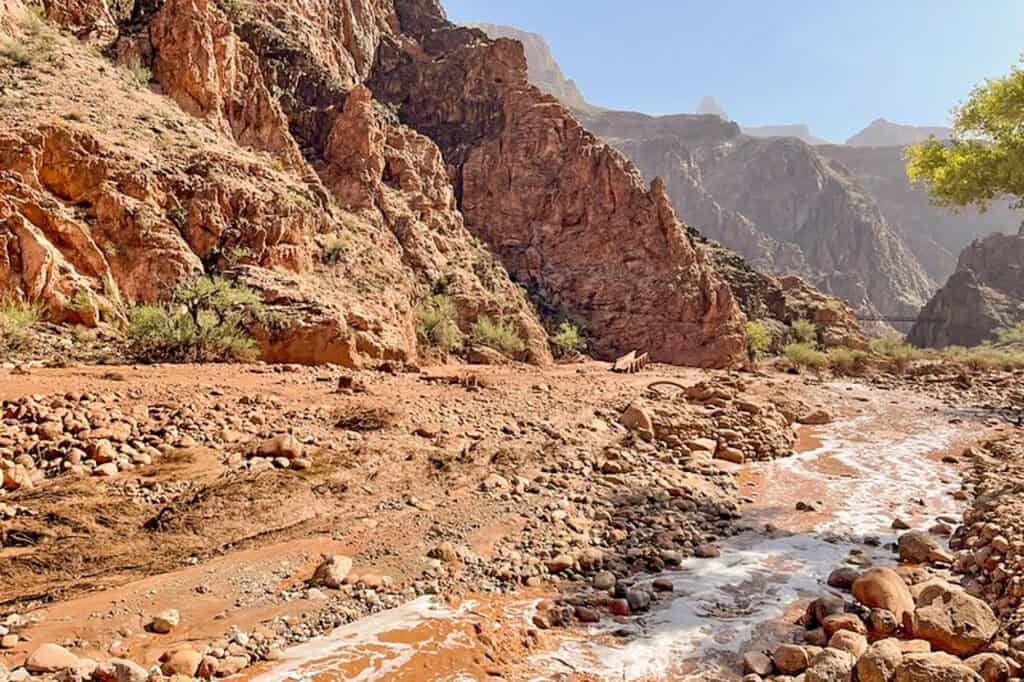
The foot bridges, according to park officials, are gone.
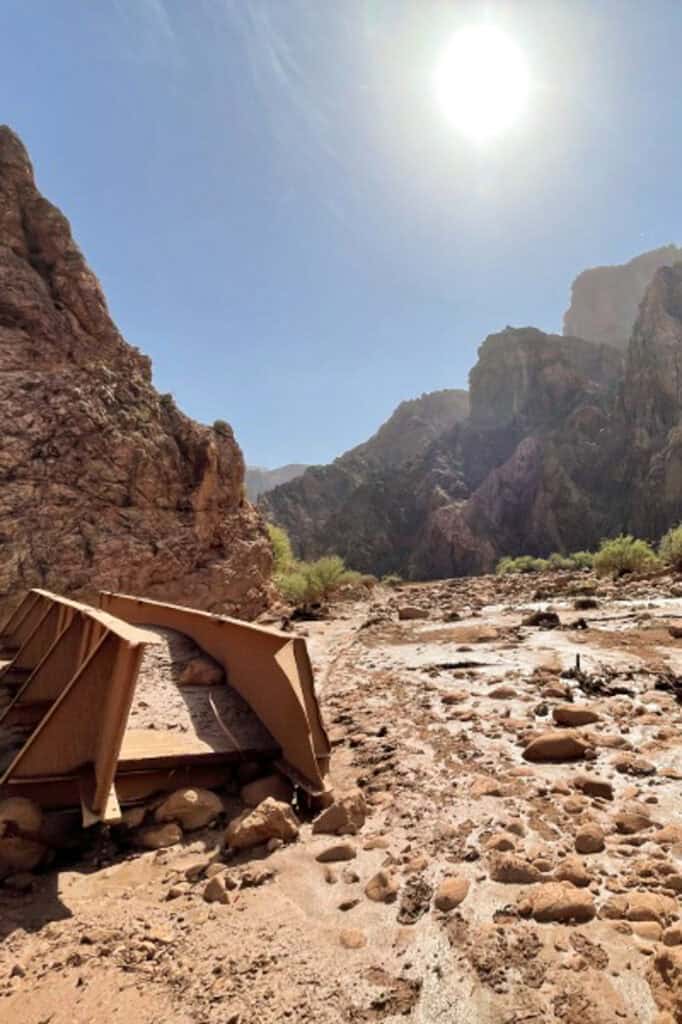
While some of the wooden/metal structures are somewhat intact, they’re scattered in pieces with other debris along the creek.
You can see another in the center of this photo, off in the distance:
Bright Angel Campground
The flood wiped out most of the campground, which sits near the mouth of Bright Angel Creek, close to where it meets the Colorado River.
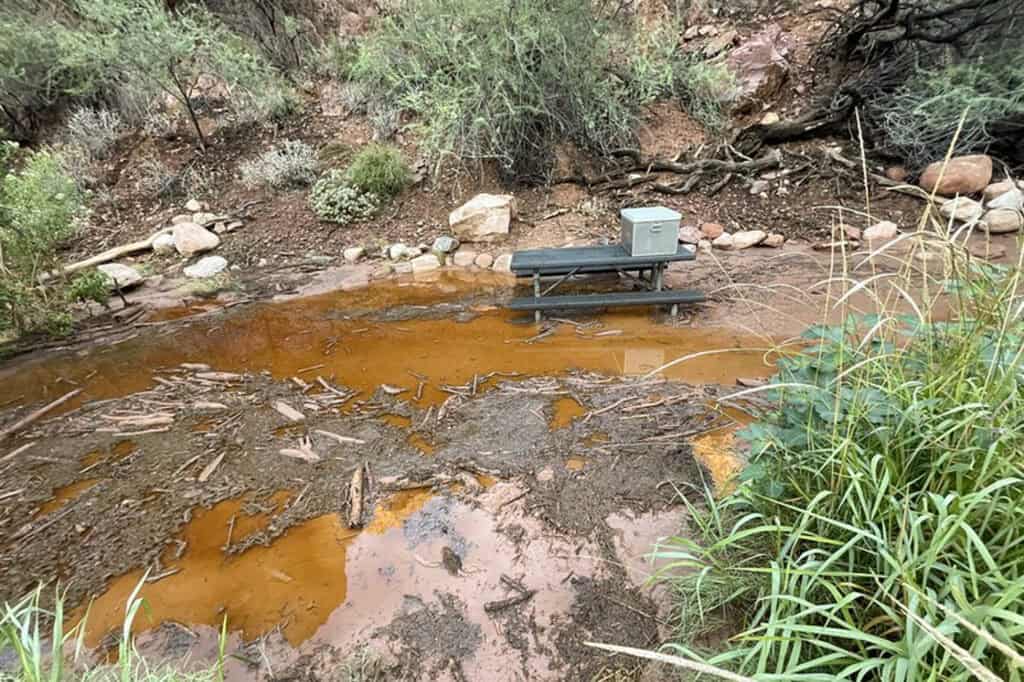
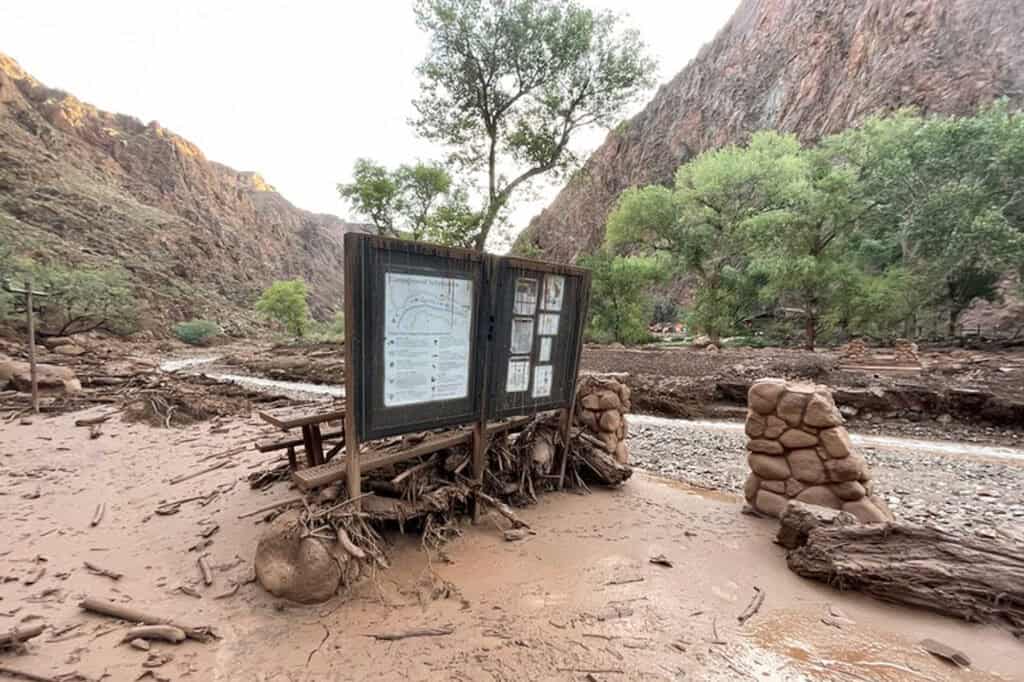
The Bright Angel Campground sign is still standing, with debris piled against it.
Some of the buildings are still standing, too. This appears to be the bathroom:
Hikers: The Flood Came in Waves
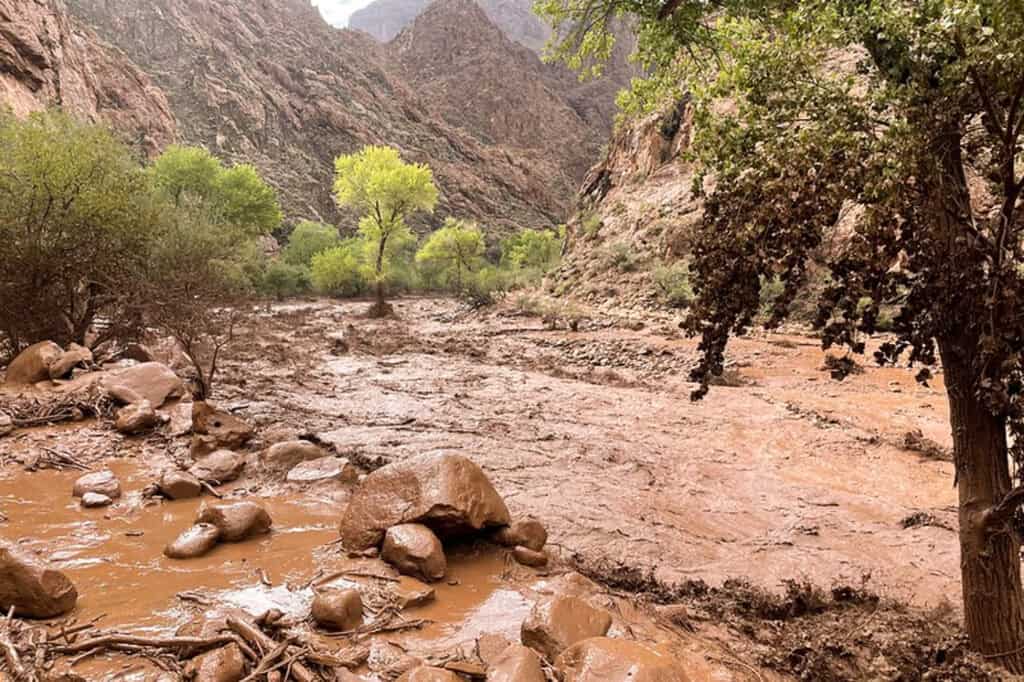
Based on the gauges that survived in Bright Angel Creek, the flooding came in waves. Initially, a lot of the hikers thought they were in the clear after the first wave… only to be hit hard by a much more violent torrent of water.
We now know the dramatic spike in the Colorado River gauge came from debris damming at the site, in addition to the rising water.
Watch Video: The Flood Came in Waves
Damage to The Transcanyon Pipeline
The loss of human life is top of mind this week. At the same time, the park suffered major infrastructure losses.
The Transcanyon Waterline, built in the 1960s, runs 12 miles across the canyon to deliver water to the South Rim. Around 5 miles of pipe are said to be damaged or destroyed.
In addition to supplying the hotels, it’s a lifeline for the 1,600 people who live in Grand Canyon Village. The pipeline has been a constant source of aggravation, springing leaks almost monthly for many years.
A 3-year, $200 million project to rebuild the pipeline was set for completion in just a few months.
Next Steps After the Flood
A lot of questions remain:
- How long will it take to restore water to the South Rim?
- How long will the hotels remain closed?
- What will it take to repair the famous North Kaibab Trail?
For now, the goal is to have water restored to Grand Canyon Village by Thanksgiving. The hotels in the park will remain closed until that time.
It’s also worth wondering whether this flood will lead to some sort of alert system in the canyon in the years to come.
For now, our thoughts are with the families of the three men lost, and the crews working tirelessly in the mud at the bottom of the Grand Canyon this week.
I have another post about the 2024 flood at Havasupai Falls, which is in a part of the Grand Canyon far west of Bright Angel Cree.