Tallinn’s Hidden Gems: 15+ Surprises Most Tourists Miss in Estonia

Estonia itself is still a “hidden gem” of a travel destination. It’s one of the least visited countries in Europe.
Each year, just over 3 million people visit Estonia, while around 100 million international tourists visit Spain and France.
I’ve compiled an easy-to-follow guide to visiting Tallinn, Estonia’s capital city, focused on things I wish I’d known myself:
- Sites to see
- Hidden gems
- Interesting factoids
- Things to be aware of
The Best Tours of Tallinn
You’ll come across several of the hidden gems around Tallinn in these two tours:
🇪🇪 Click to Book: Bicycle Tour of Tallinn
🇪🇪 Click to Book: Walking History Tour
Hidden Gems Around Tallinn, Estonia
Let’s start with hidden gems in Tallinn, which is Estonia’s beautiful capital city and a UNESCO World Heritage Site.
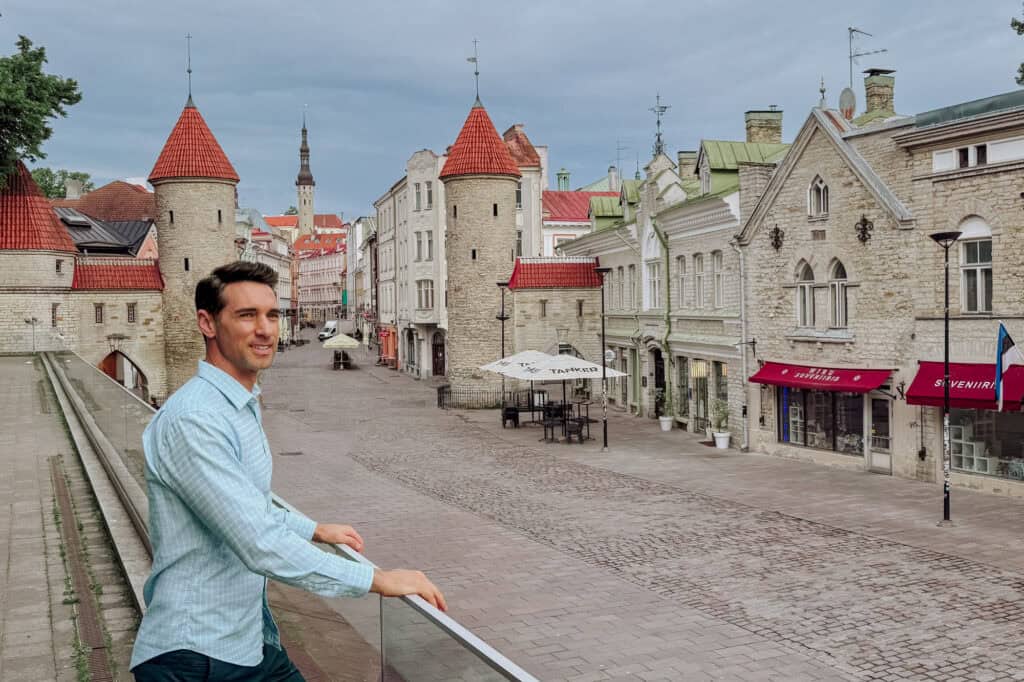
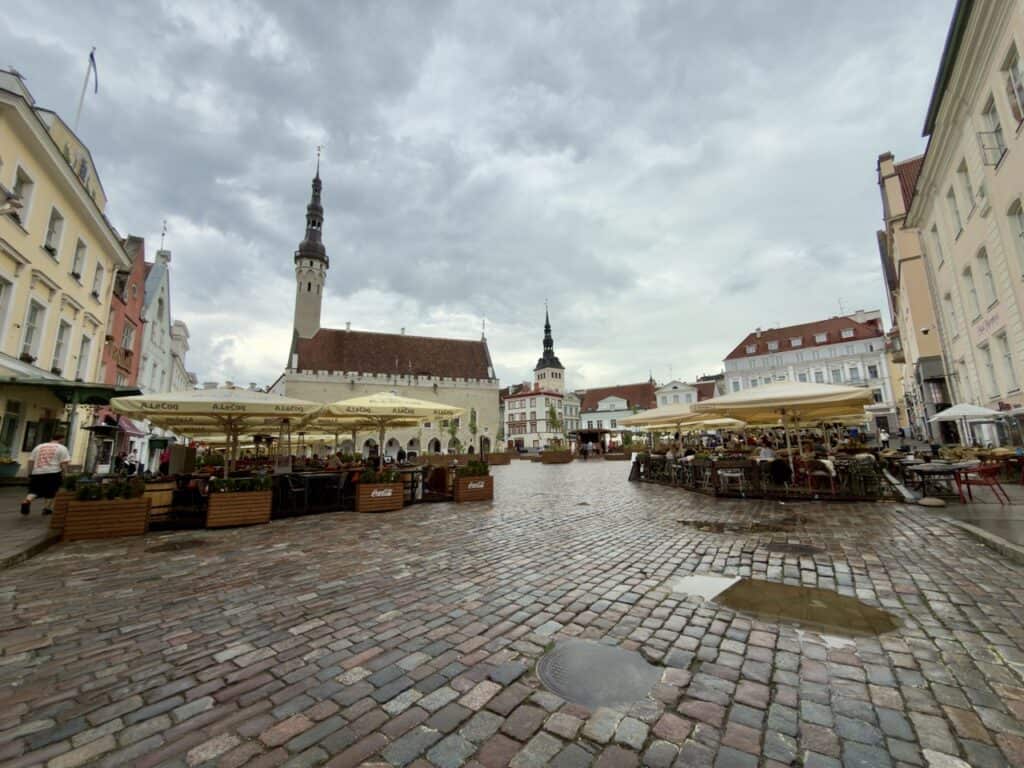
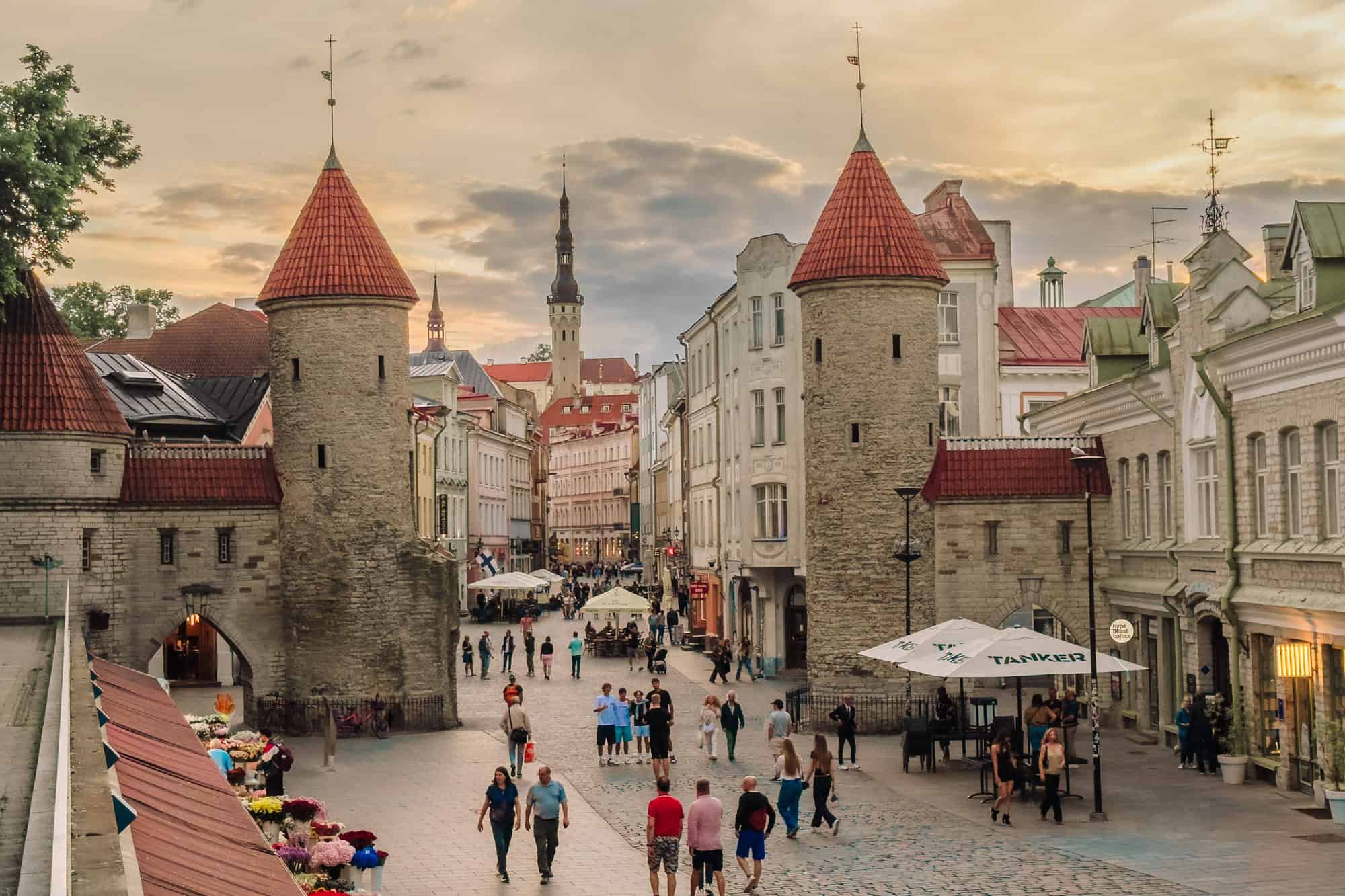
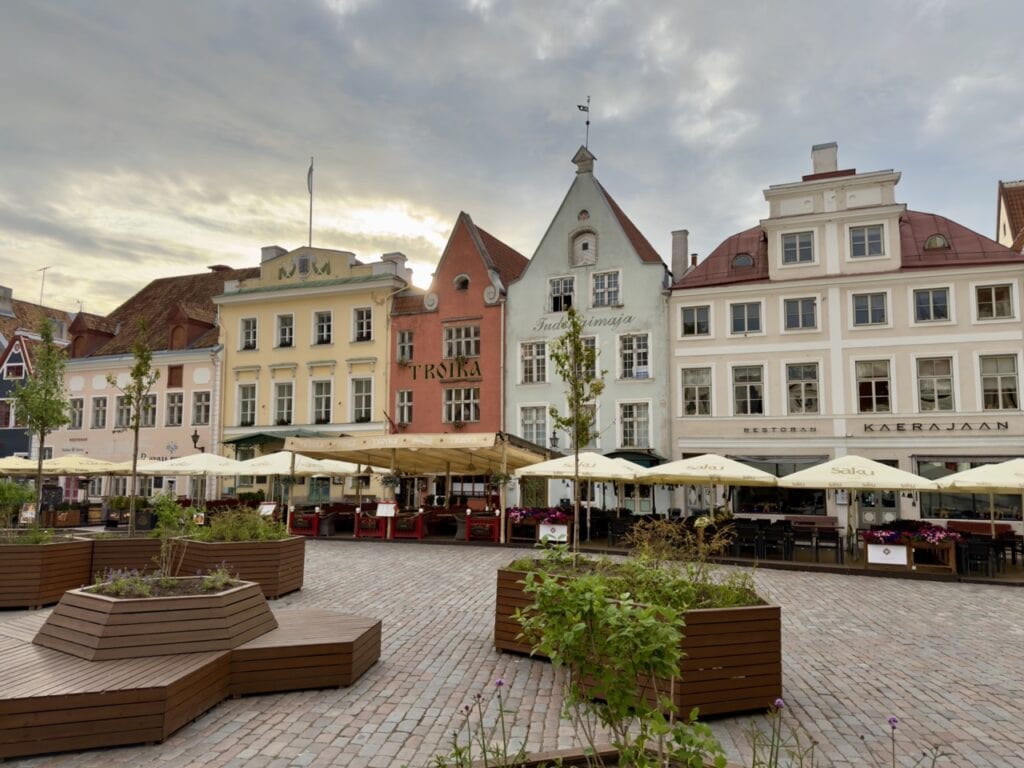
It’s widely known that Tallinn, which is right on the Baltic Sea, is home to one of Europe’s best-preserved medieval city centers.
It will surpass your expectations!
Its cobblestone streets, merchant houses, churches, defensive walls, and watchtowers are largely intact. Together, they offer an immersive glimpse into life back when they were built, mostly between the 13th and 16th centuries!
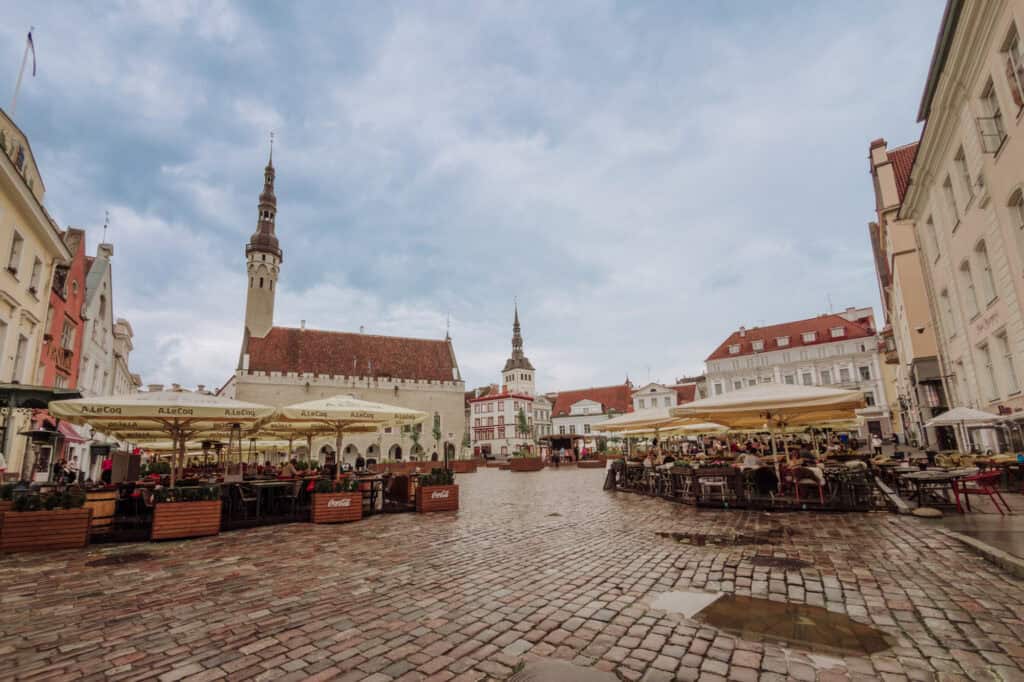
OK! Let’s get to the best hidden gems in Tallinn:
16. Ancient Paintings in the Pharmacy
Tallinn’s Town Hall Pharmacy (Raeapteek) is widely recognized as the oldest *continuously operating* pharmacy in Europe. It opened sometime around 1410-1415.
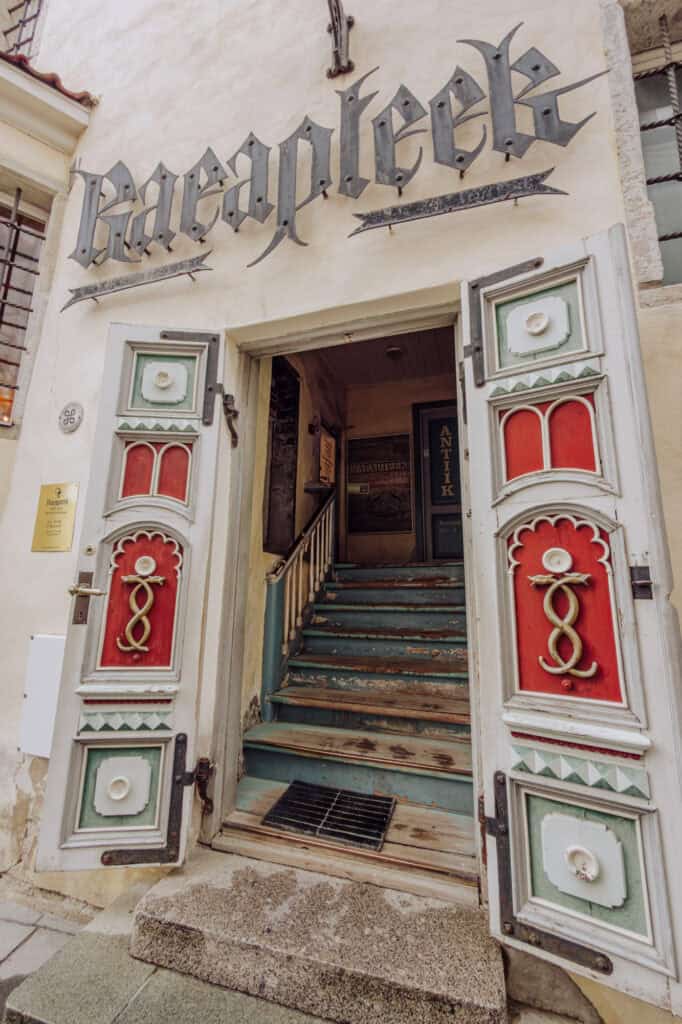
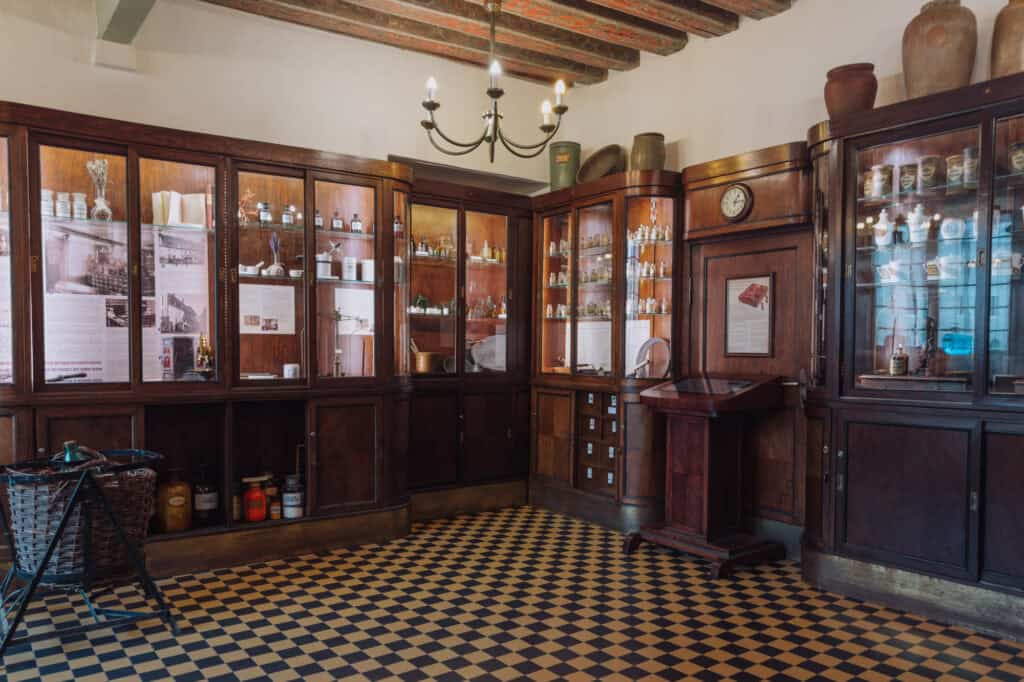
It’s still operating as a pharmacy (I bought cold meds there) and also a free museum.
The hidden gem inside can be found alongside the windows. The window panes have beautiful paintings on them, which date back to the 1700s!
15. Master’s Courtyard
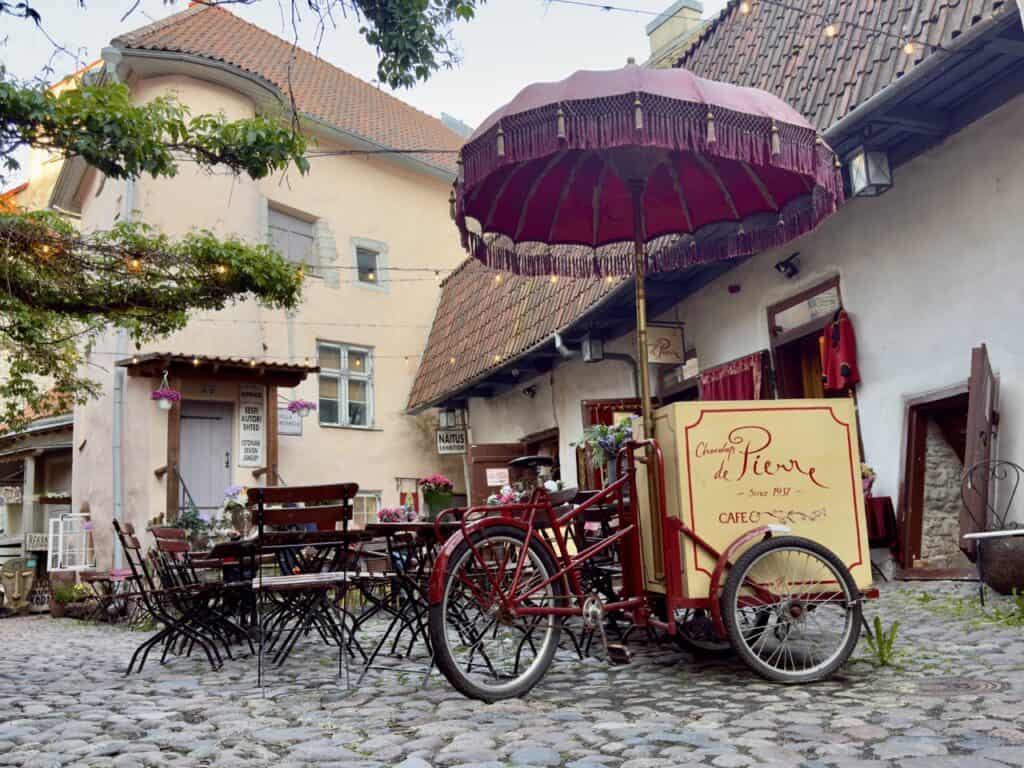
Located down an alley, a covered passage opens up to a charming courtyard where you’ll find several “meisters,” or master craftsmen.
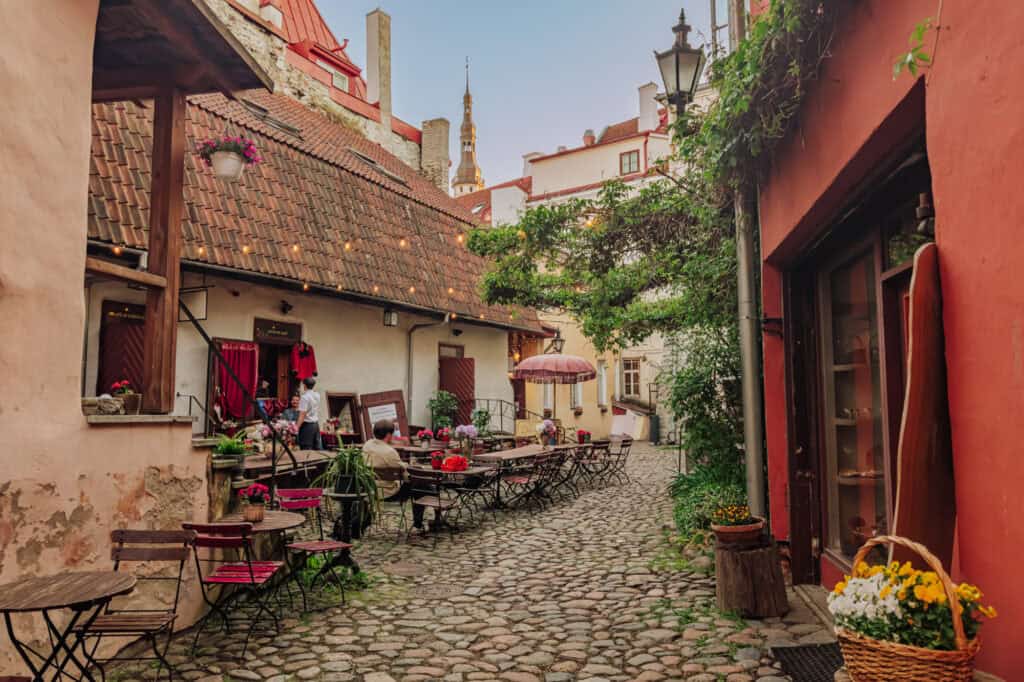
They’re selling everything from ceramics to chocolate.
14. The Executioner’s Home
I guess this can be considered more of a gruesome hidden gem? The home is part of Tallinn’s history, so it’s making my list!
Opposite St. Michael’s church, you’ll find 24 Ruutli Street. This was the home of the sanctioned town executioner.
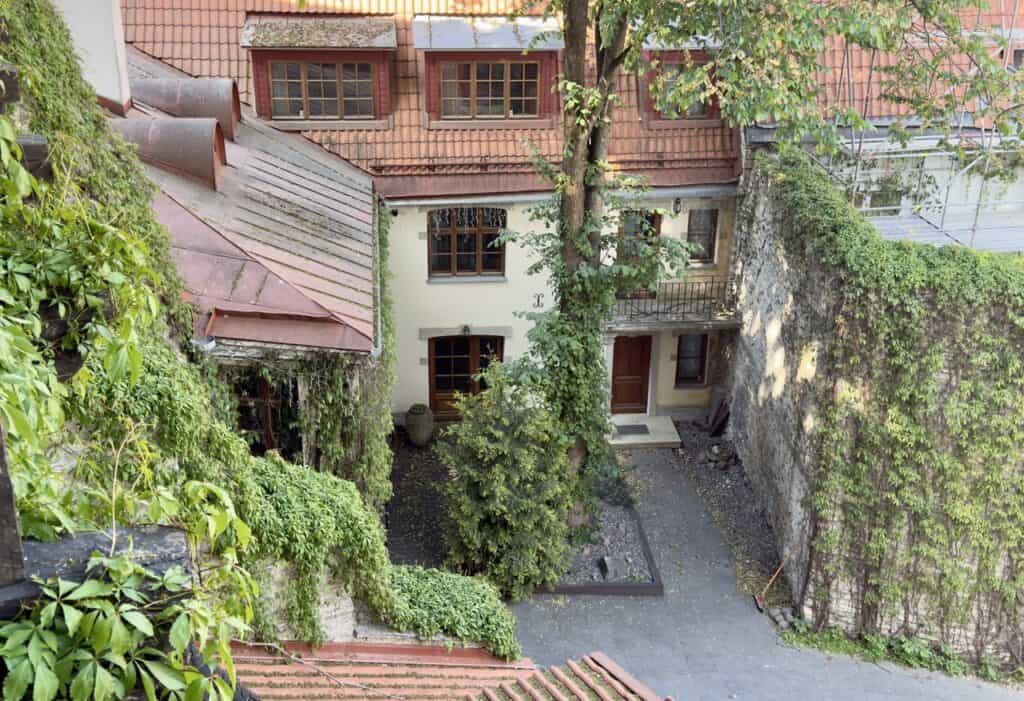
The occupation of master executioner was considered dishonorable, but not sinful. One of the swords used is engraved, “When I raise my sword, I help the sinner into eternal life.”
Two executioner’s swords can be found in Tallinn: one at the Tallinn City Museum, and another at the Estonian History Museum. A replica is on display at the Kiek in de Kok tower.
During the Soviet occupation, it was home to a forensic lab.
13. A Medieval Nun’s Gardens
Around Tallinn, you’ll see raised bed gardens with herbs and flowers growing (during the brief Baltic growing season).
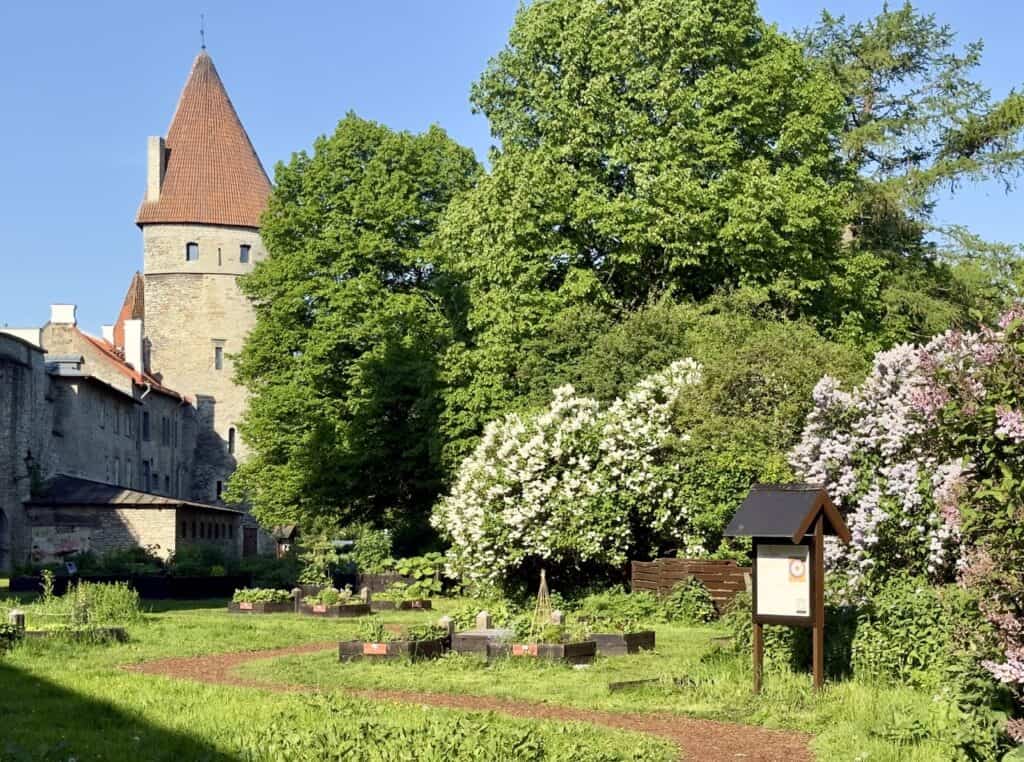
They were first planted by Hildegard of Bingen, a 12th-century Benedictine nun, who documented the medicinal properties of plants and herbs.
Today, you’ll find that the location of her original garden has been turned into a community garden, lovingly cared for by people in the neighborhood.
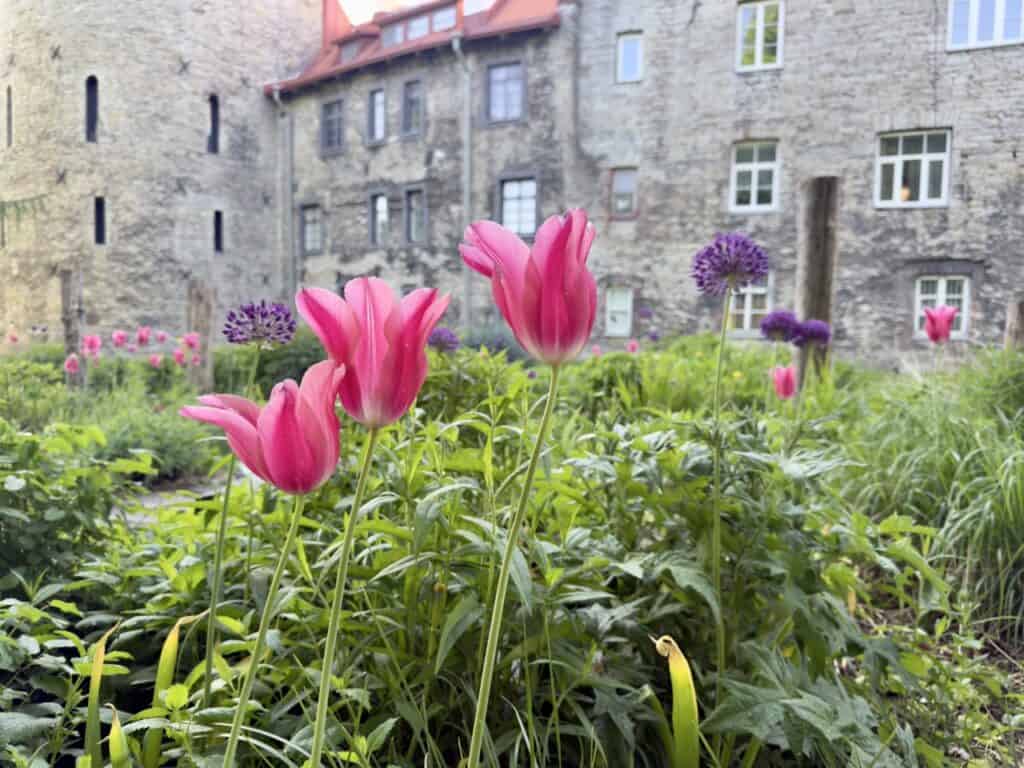
Near the pharmacy, medicinal herb gardens inspired by Hildegard’s teachings showcase plants that medieval apothecaries would have used for remedies, teas, and tonics. The gardens help visitors understand how medicine was practiced centuries before modern pharmaceuticals.
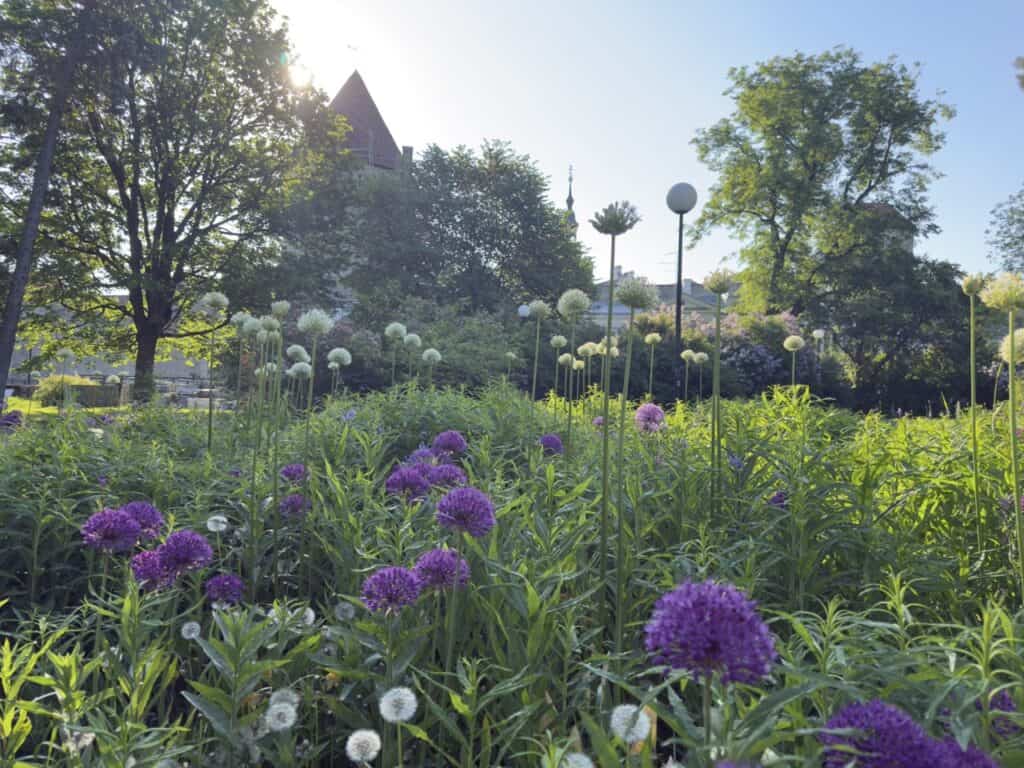
12. The Underground Bastion Passages
The Bastion Passages are underground tunnels built beneath Tallinn’s defensive walls during the 17th and 18th centuries, when the city was under Swedish rule. They were designed for moving troops and supplies, and for monitoring enemy tunneling during sieges.
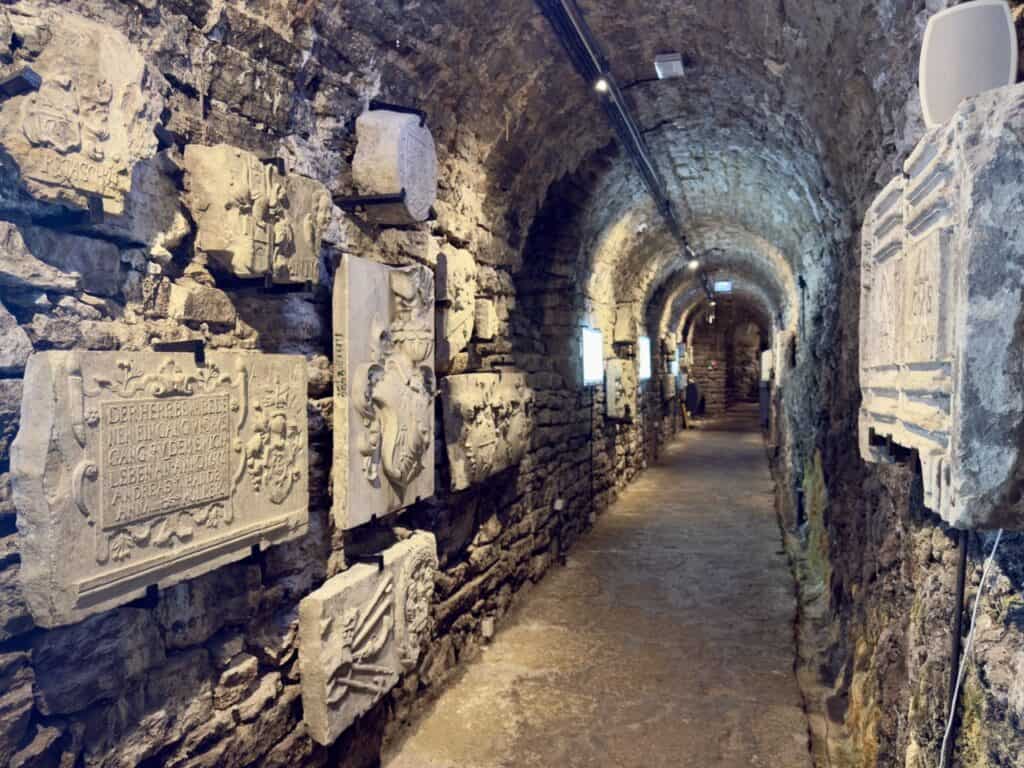
The tunnels were abandoned for decades, and were only used by the homeless.
They reopened to the public in stages, over the course of a decade, beginning in 2007, as part of the Kiek in de Kök museum complex.
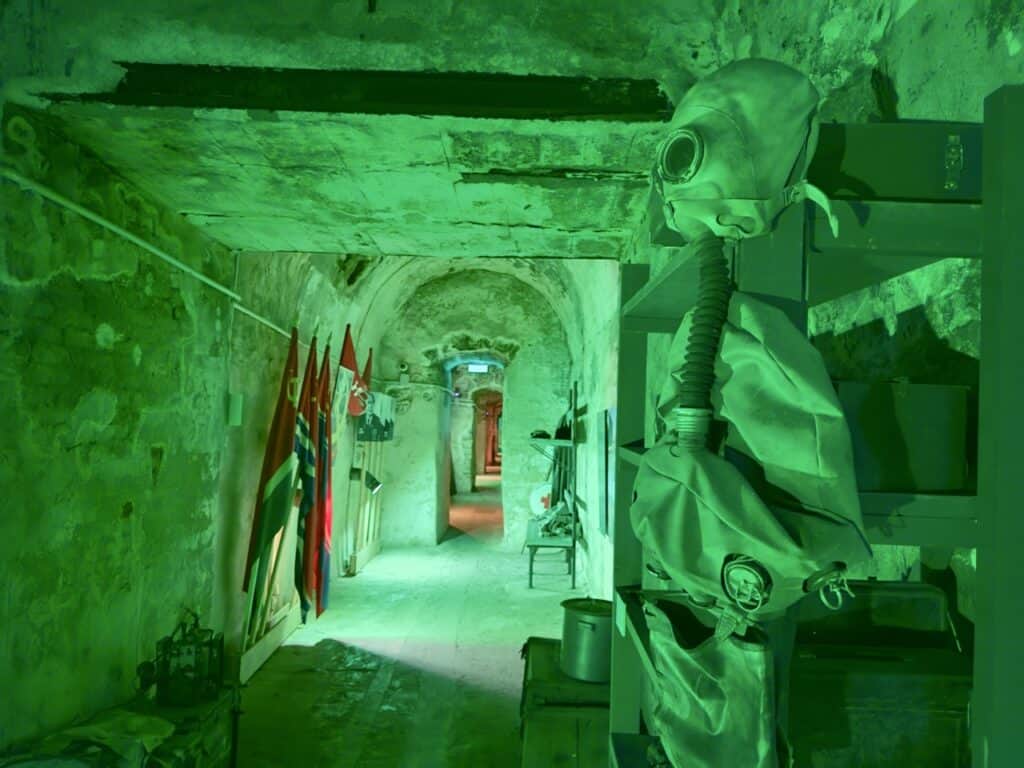
Today, you can walk through sections of the tunnels and learn about their military history, wartime use, and their 20th-century use as a shelter for poisonous gas and bombings.
11. The Immortalized Bees (and poignant monument)
The Estonian people built a monument to honor the thousands of people murdered, imprisoned, or deported under Soviet rule.
This memorial is a 3-mile bicycle ride from the center city.
From afar, it resembles the Estonian flag, with the blue sky, black wall, and white pavement.
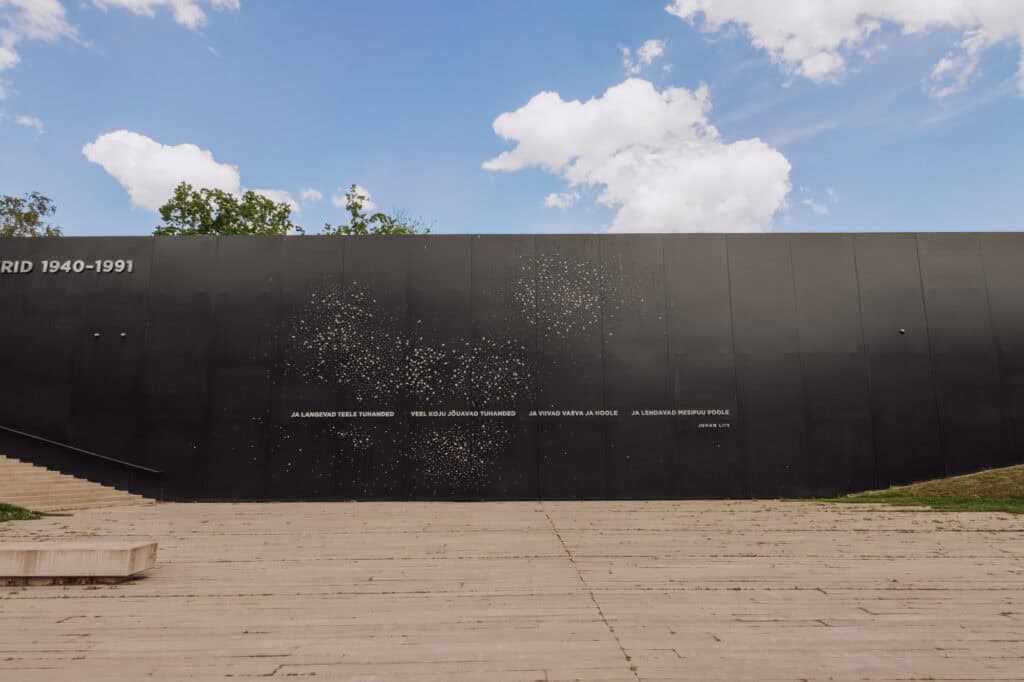
Hidden up close: thousands of bees in a colony, symbolizing a hive sticking together against the odds.
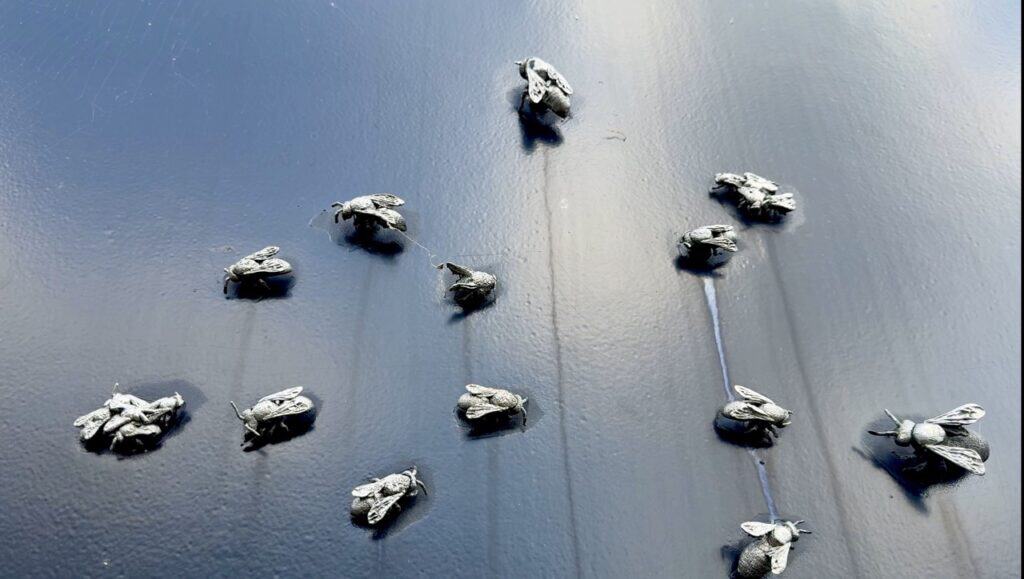
The artists used an alloy to either preserve or recreate exact replicas of 22,000 real bees to incorporate into the design. They represent the first 22,000 people killed under Stalin.
Bees are a kind of symbol in Estonia, revered for their strong work ethic.
10. A Communist Graveyard
Maarjamäe Palace is an easy bikeride 3-miles east of town.
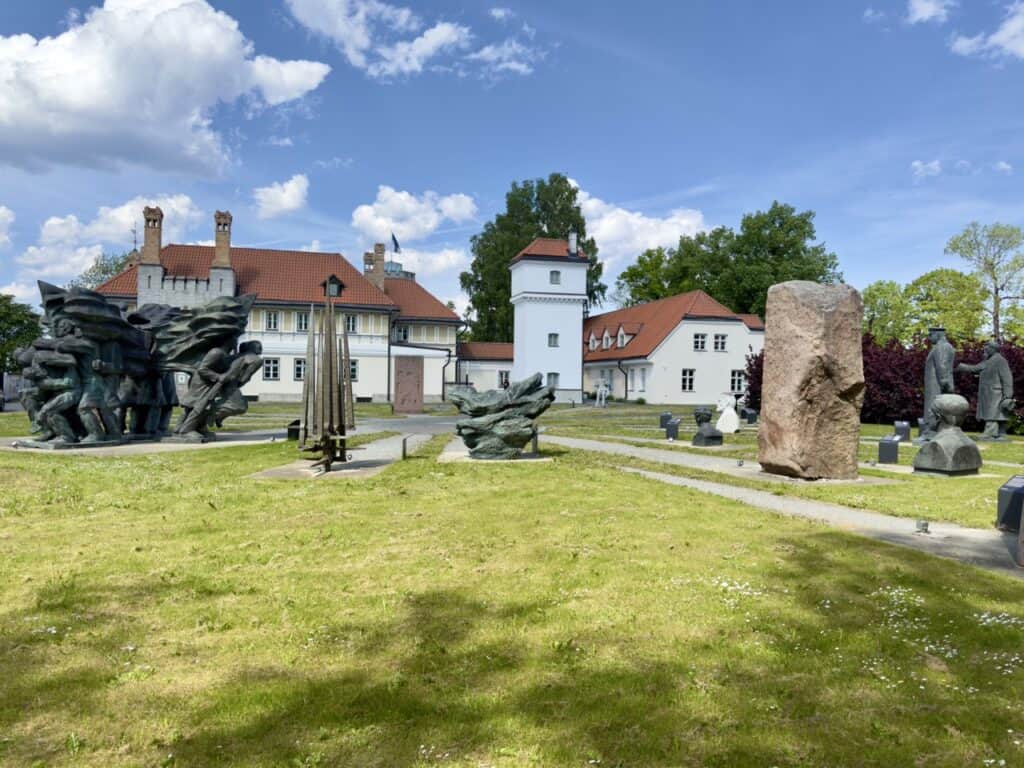
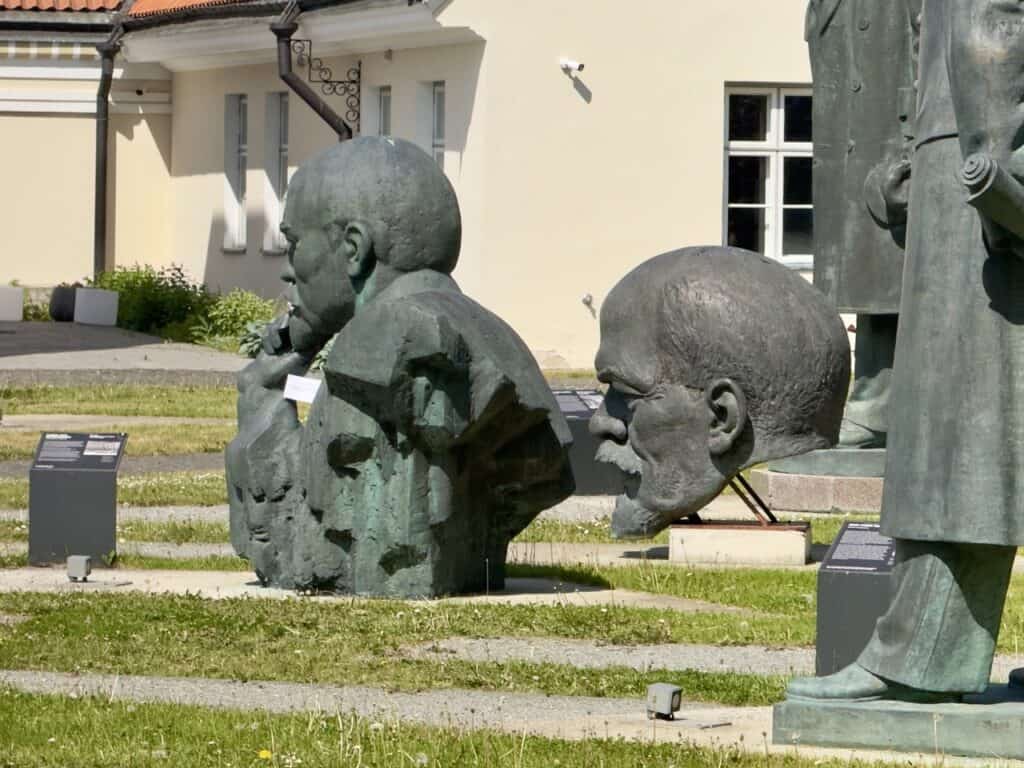
When the Soviet occupation ended in the 1990s, Estonians quickly went to work ridding the country of statues of Lenin and other symbols of communism.
A few were preserved, and are on display in the backyard of this history museum.
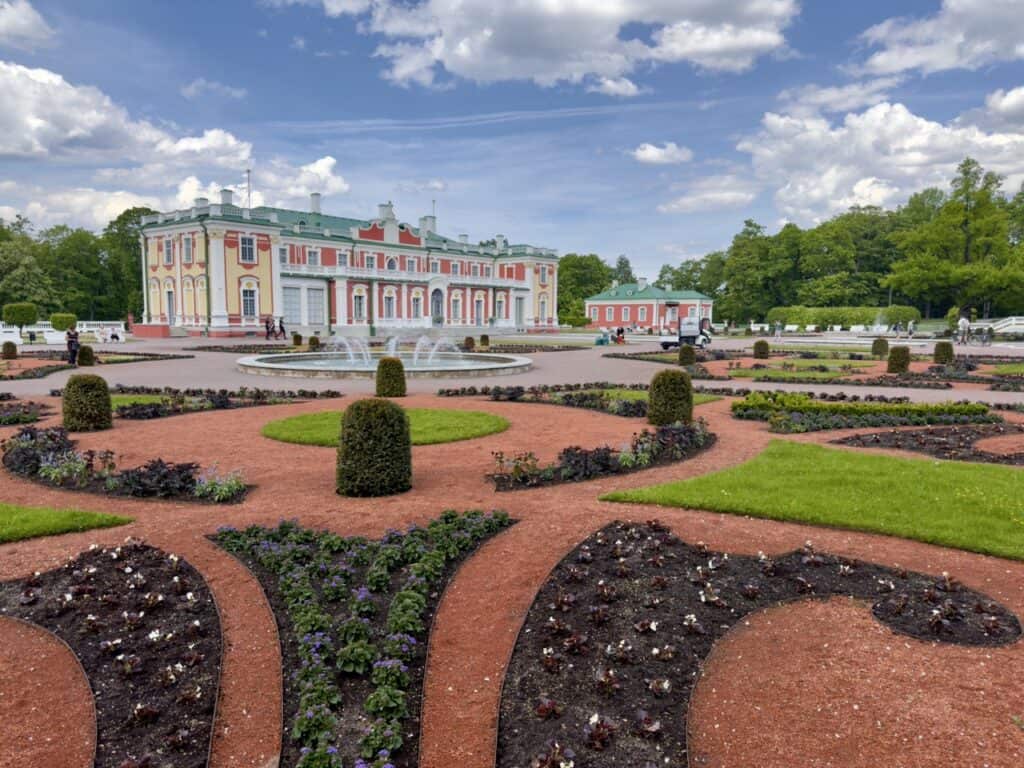
9. Estonia’s “Versailles”
Russian Tsar Peter the Great commissioned a palace for his wife, Catherine, and other royals to use as a summer vacation home.
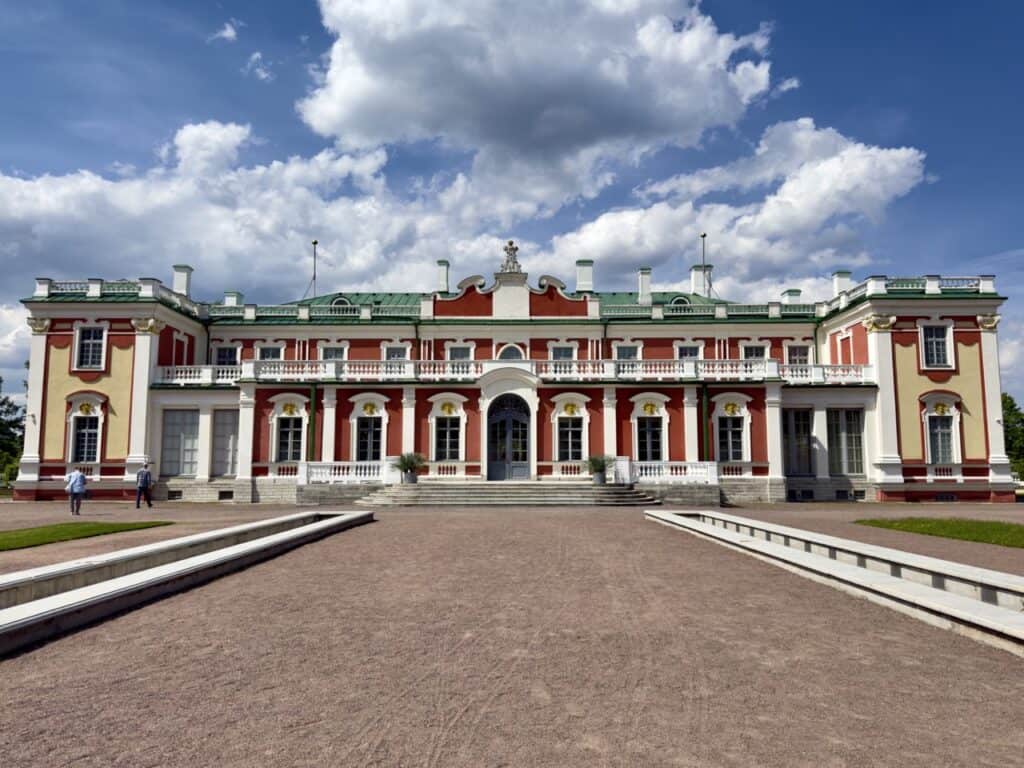
The architecture and outdoor gardens were modeled after the Palace of Versailles.
It was visited only a handful of times.
Today, it’s the Kadriorg Art Museum, and the grounds are free and open to the public.
8. The Local Market
Tallinn’s large market, Balti Jaama Turg, sits outside the walled part of the city, next to the train station.
The market evolved from a traditional outdoor trading area serving rail travelers and local residents, and was modernized in the late 2010s.
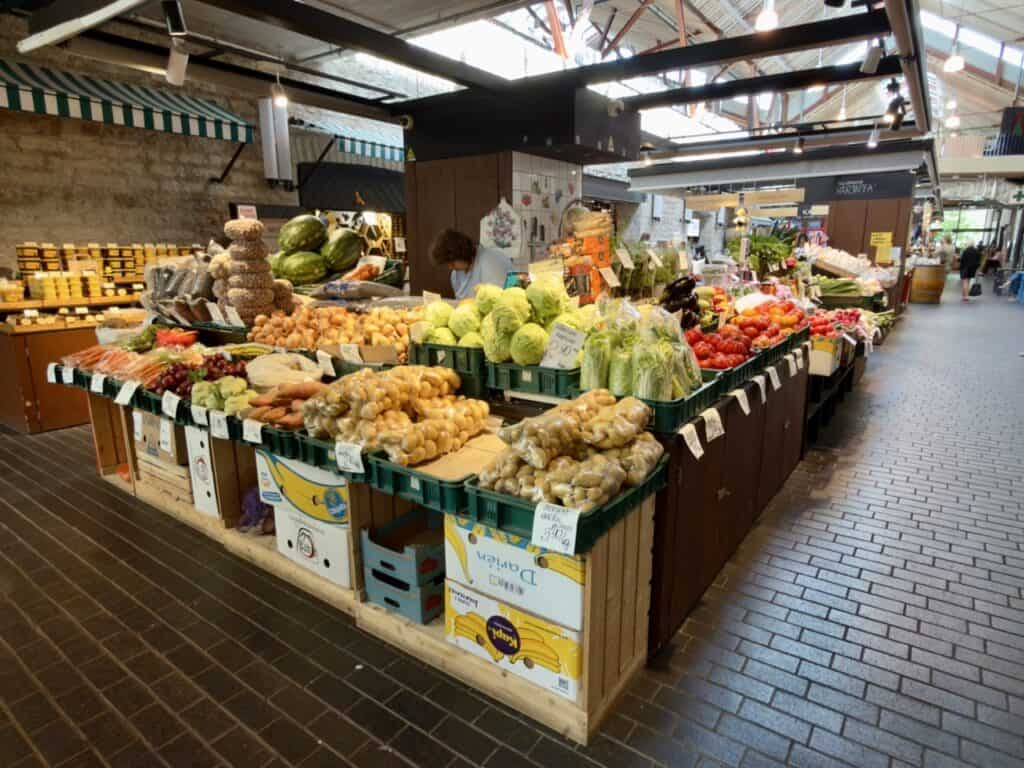
Today, it’s a mix of fresh produce stalls, bakeries, meat and fish vendors, street food, antiques, vintage goods, and local crafts. Many visitors head upstairs for antique dealers and Soviet-era collectibles, while locals often visit for everyday groceries.
7. Cafe Mathilda on the Hill
Cafe Mathilda (next to the Bishop’s Garden on the western bishop’s garden) is a great cafe and bakery, known for its antique red Volvo parked out front.
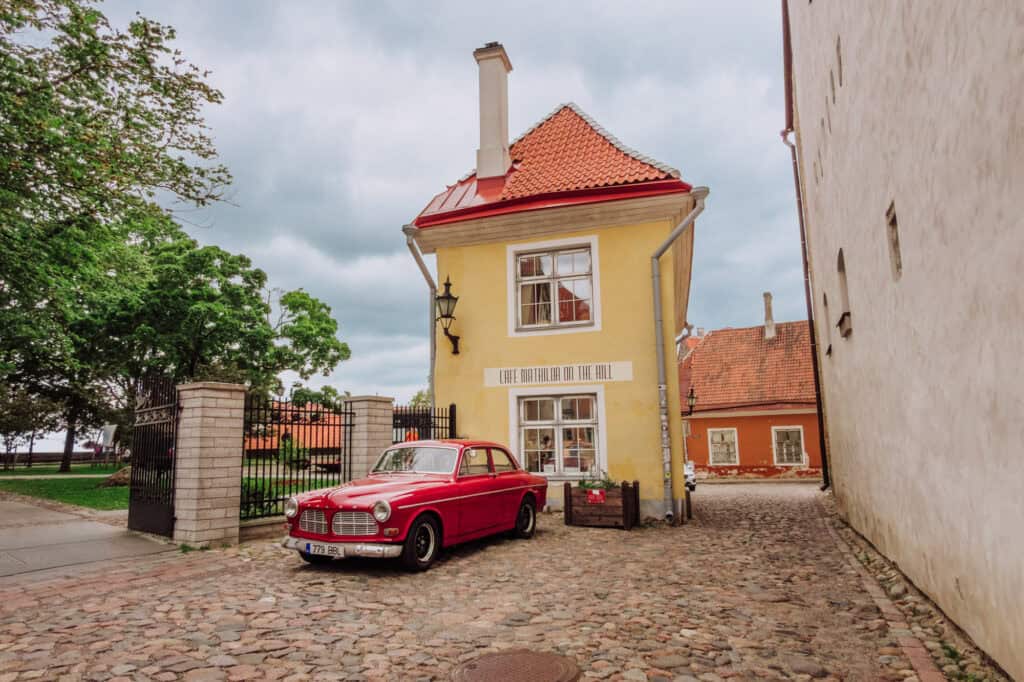
A note: the coffees and snacks are great, but the view from the adjacent overlook isn’t the best.
6. Fat Margaret has a Rooftop
Fat Margaret (Paks Margareeta) is the massive, round tower guarding the northern entrance to Tallinn’s Old Town.
Built between 1511 and 1530, it was designed both to defend the harbor and to impress visitors arriving by sea.
Its walls are up to five meters thick!
While Fat Margaret is a famous landmark, the hidden gem here is up on the roof.
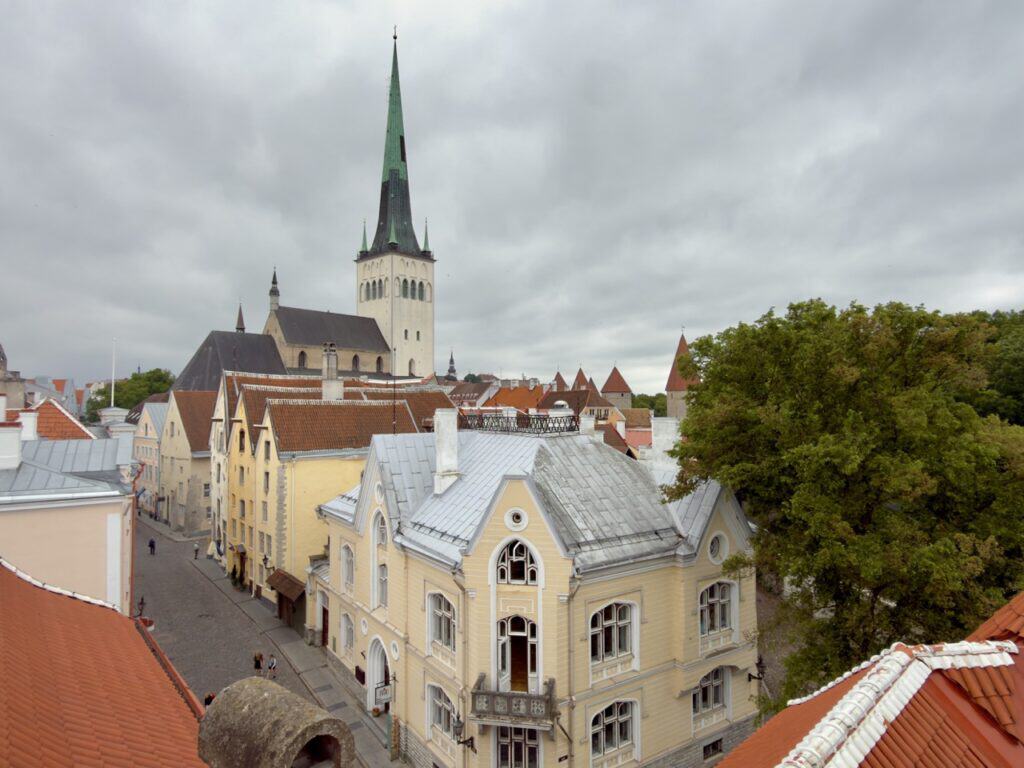
Enter through the Estonian Maritime Museum, and take the elevator up to the “K” level for free access to the rooftop terrace. You’ll find a bar and some seating, plus a beautiful view of the city.
5. The Kalamaja Neighborhood
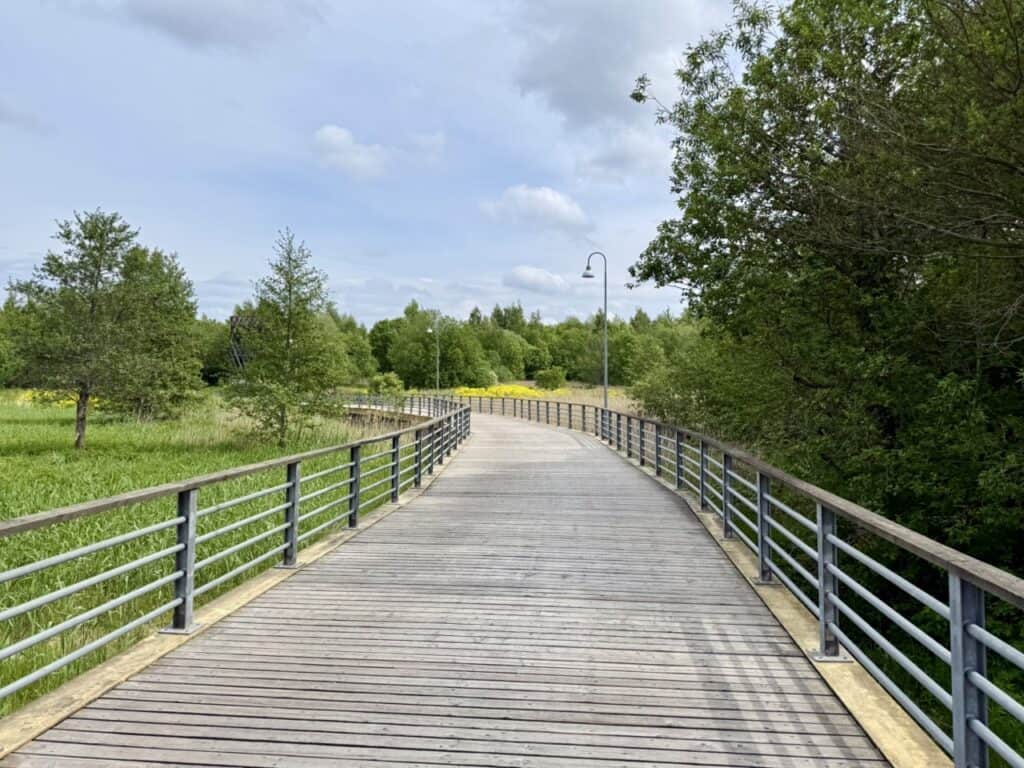
You’ll find another hidden gem for visitors by renting a bicycle and pedaling outside the city center’s walls to the Kalamaja neighborhood.
It’s turned from an aging wooden-home community into Tallinn’s trendiest neighborhood.
“Kalamaja” translates to “Fish House,” reflecting its origin as a medieval fishing village.
Today, you’ll find colorful homes, interesting architecture, local cafes, breweries, and shops.
Plus, you can connect to the series of cycling trails that run along the Baltic coastline.
4. Teleskivi Creative City
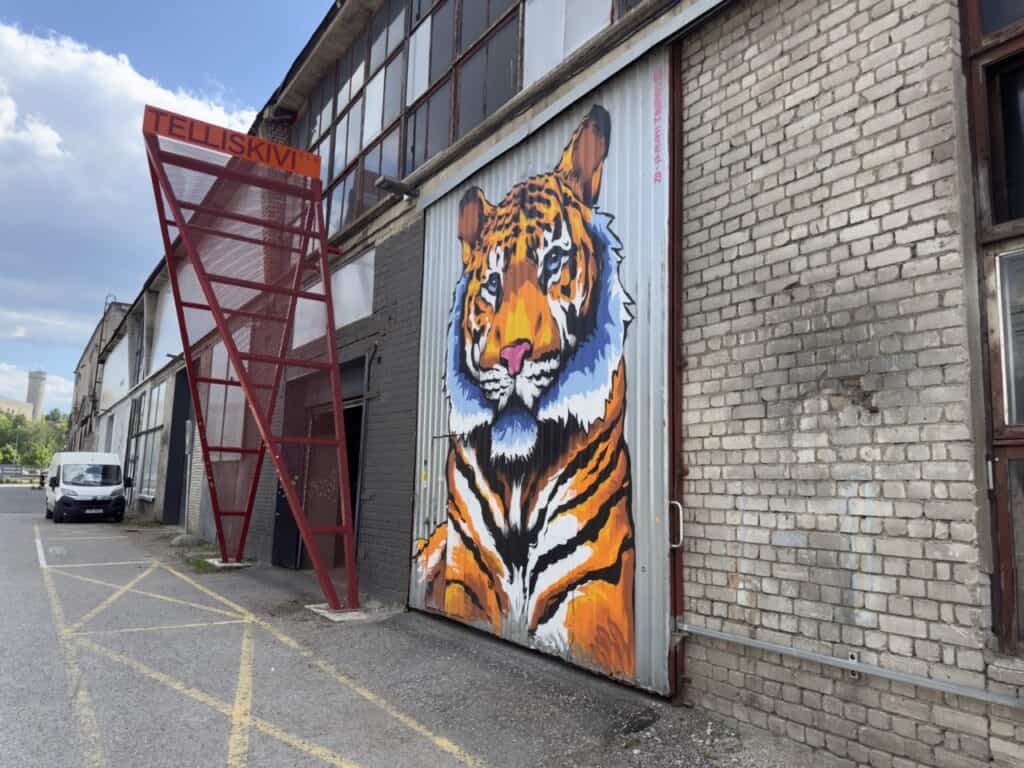
An old industrial area, just beyond the main rail station, has been transformed into a bohemian hub.
You’ll find art galleries, vintage shops, and more than a dozen cafes and restaurants.
3. The Former KGB HQ
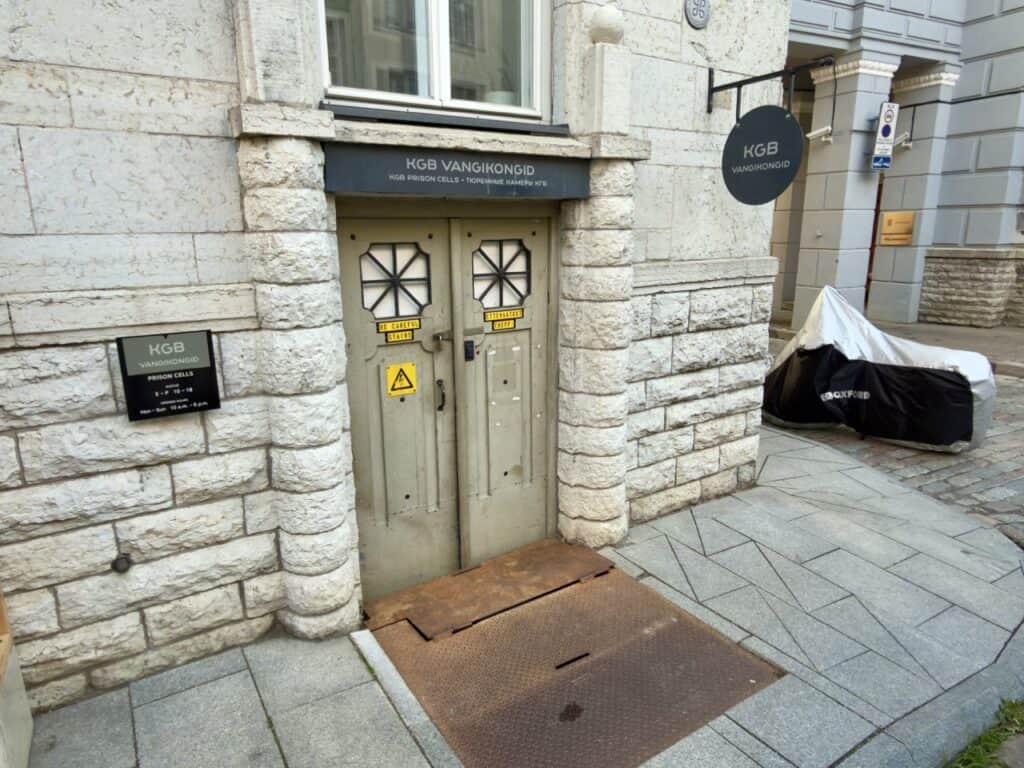
A present-day apartment building has a dark (not so distant) past.
The KGB’s former headquarters in Tallinn, located near the Fat Margaret Tower, is home to a basement museum, where you can tour the former KGB interrogation rooms and prison cells.
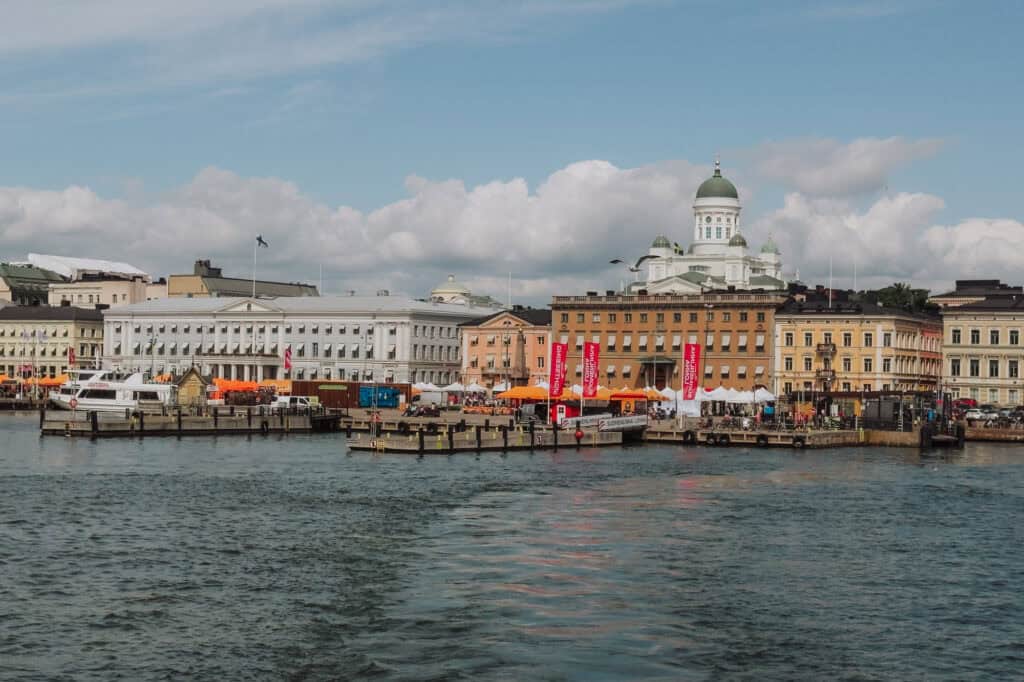
2. Proximity to Helsinki, Finland
While Helsinki isn’t a hidden gem, I’m listing it because many people don’t realize the geography of the area.
🚢 Click to Book: Ferry Tickets
It’s just a 2-hour ferry ride between Tallinn and Helsinki, making it a great day trip or multi-day trip.
1. Estonia Has the Friendliest People
I’m adding the people of Estonia to my list of hidden gems.
Estonians I spoke to say the stereotype is true: they’re reserved and quiet, and generally don’t engage in the kind of small talk other Europeans and Americans are known for.
At the same time… visitors find Estonians to be helpful, honest, and genuine. I’ll take that any day over babbling chitchat!
Plus, Conde Nast readers chose Estonia as the friendliest country in Europe in 2025!
Among the reasons:
- People tend to be direct and sincere rather than overly formal.
- Tallinn is safe and easy to navigate.
- English proficiency is very high, especially among younger people.
- Service workers and locals are often helpful without being pushy.
Where to Stay in Tallinn
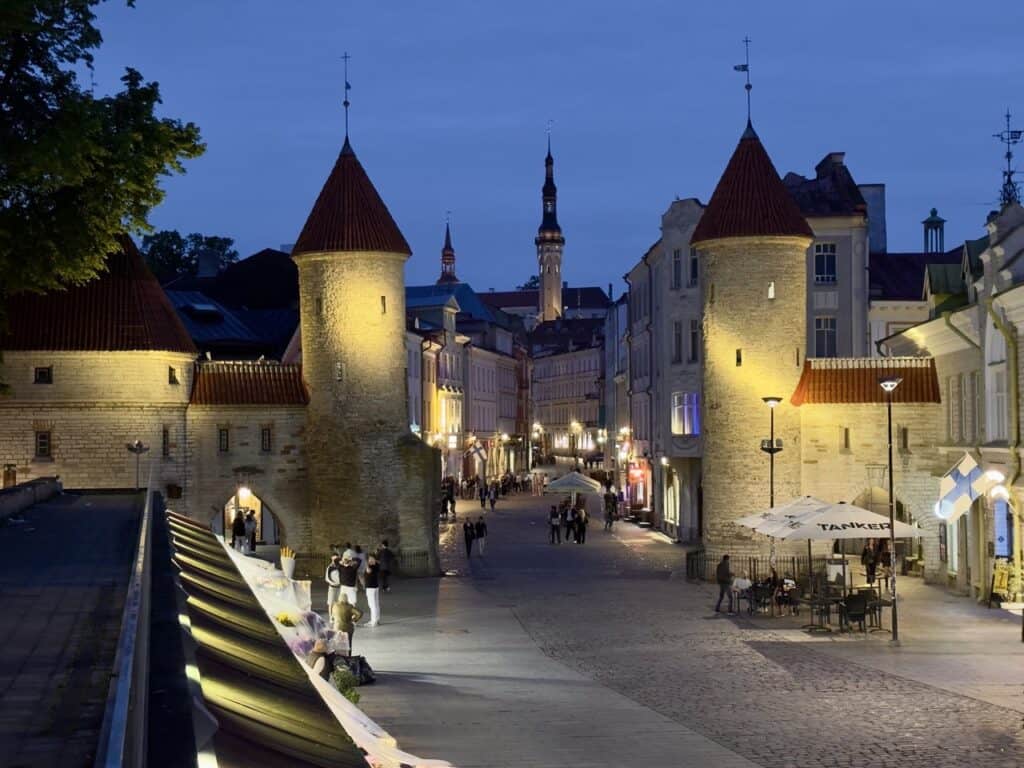
Choose a hotel that’s within the medieval city walls.
You can plug your dates into this interactive map to see the options available, plus rates:
Unexpected Surprises About Tallinn & Estonia
Once Home to the World’s Tallest Building
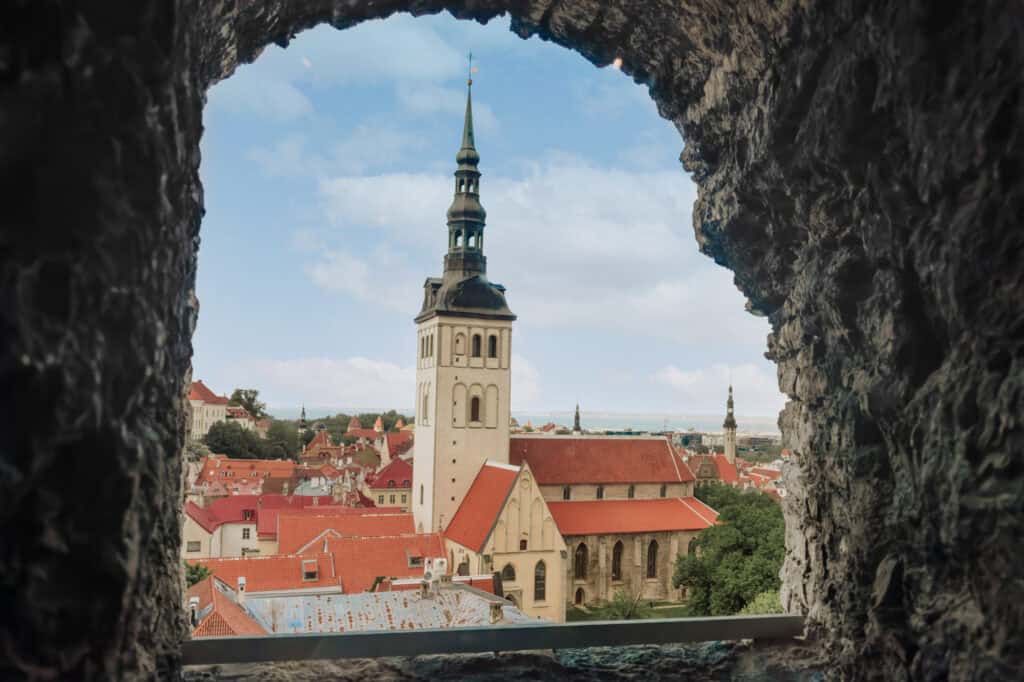
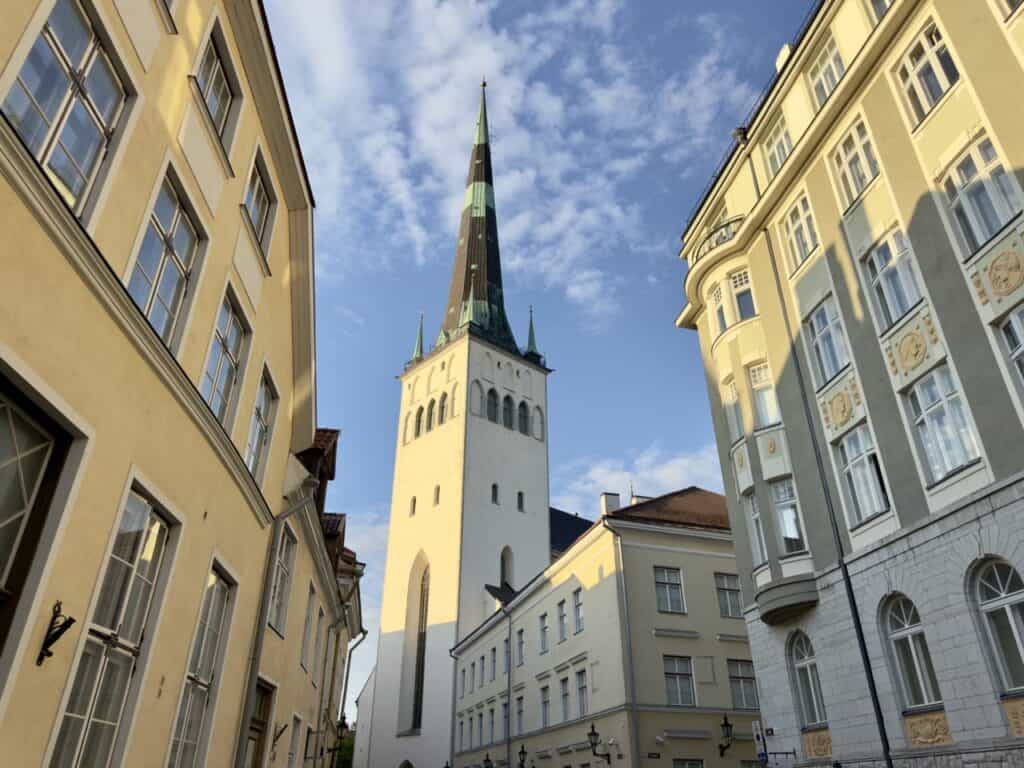
When St. Olaf’s Church was built in the late 1500s, it was said to be the world’s tallest structure.
Some estimates place its medieval spire at around 159 meters (522 feet), which would have made it the world’s tallest building for a period before lightning strikes and fires repeatedly damaged it.
The modern-day spire is quite a bit shorter, at around 400 feet.
Estonia is a Tech Hub
Skype was launched in 2003 and is one of Estonia’s most famous technology success stories.
The original development team was Estonian, and Skype’s engineering operations were centered in Tallinn and Tartu.
Its success inspired the creation of Wise, Bolt, and other tech companies in Estonia.
Estonia is a Leader in Cyber Security
Tallinn hosts the NATO Cooperative Cyber Defence Centre of Excellence, one of NATO’s most important cyber-security institutions.
It conducts research, training, exercises, and publishes the influential “Tallinn Manual” on cyber warfare.
The center was established after Estonia experienced major cyberattacks in 2007, an event often described as a turning point in modern cyber defense.
There’s Still a Russian Embassy
The people of Estonia celebrated Russia’s departure decades ago, and actively train in the military to prepare for a potential future invasion.
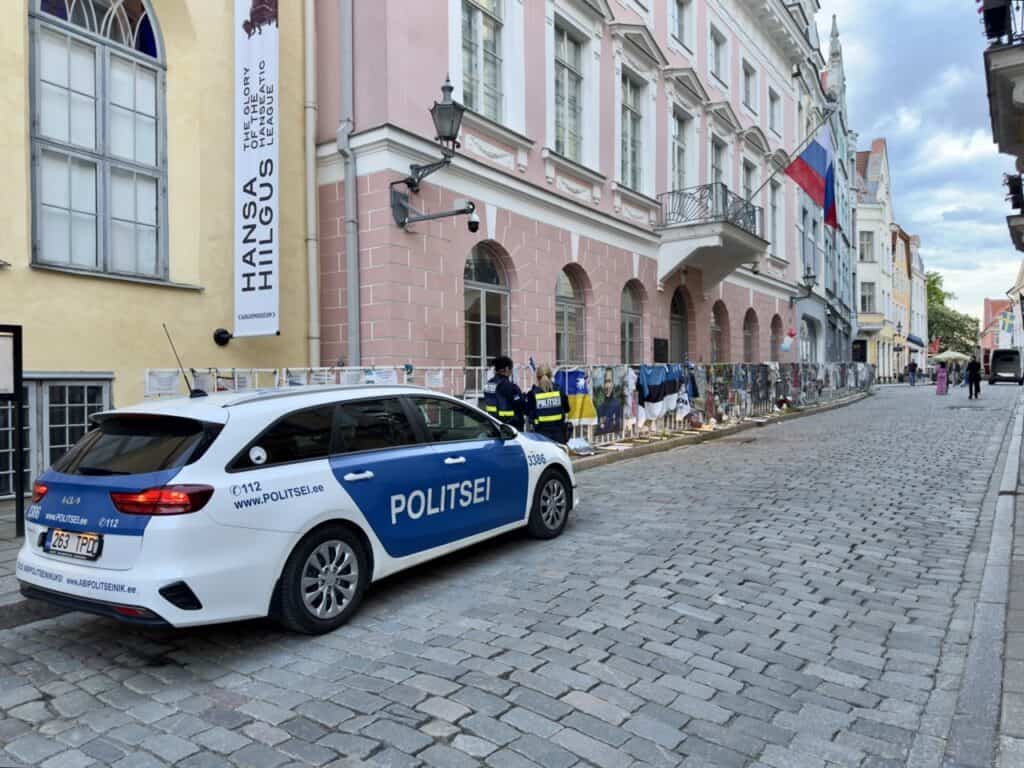
In the meantime, Russia still maintains an embassy (a large one) right in the center part of the city.
Let’s just say … the Estonian people haven’t warmed up to their former occupiers. After Russia’s invasion of Ukraine in 2022, Estonians started holding weekly anti-war demonstrations outside the embassy, which is now lined with protest signs.
A Few Things to Know Before You Go … to Tallinn
Let’s go over a few final factoids that’ll help you plan a trip to Tallinn.
The High Tax Rate
There’s a 24% tax on food and alcohol. Much of the time, especially at restaurants, it’s added into the cost you see on the menu.
Alcohol is Cheap
Despite the high tax rate, alcohol is cheap in Estonia. In fact, you’ll see a lot of people on the ferry to Helsinki hauling crates of booze back with them!
No Luck for Early Birds
If you wake up early on vacation, as I do, you won’t find any open breakfast spots.
Literally.
The earliest breakfast spots don’t open until 9:00am.
Even the coffee shops don’t open until 9:00am. We eventually found one (called Caffeine), which opens at 7:00am.
Still, walking the city streets early is peaceful and beautiful without the crowds.
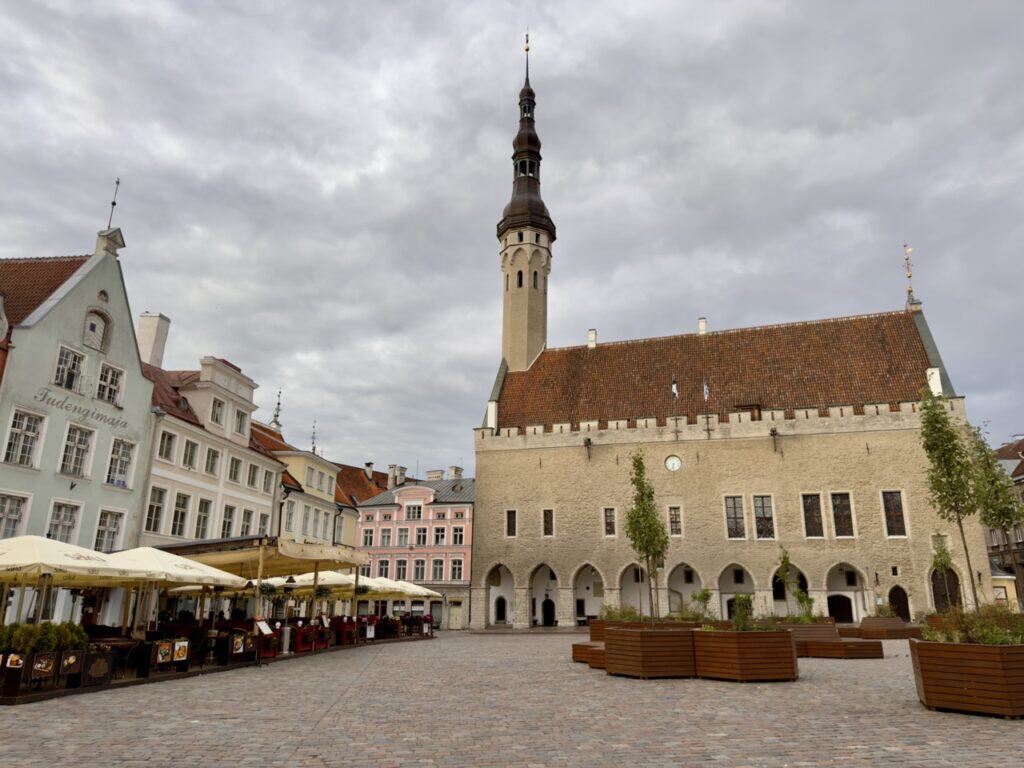
The Long Summer Days
The Baltics have 19 hours of daylight during the summer! The sun sets at 11:00pm, and rises around 4:00am.
Even after “dark,” there’s still a glow in the sky.
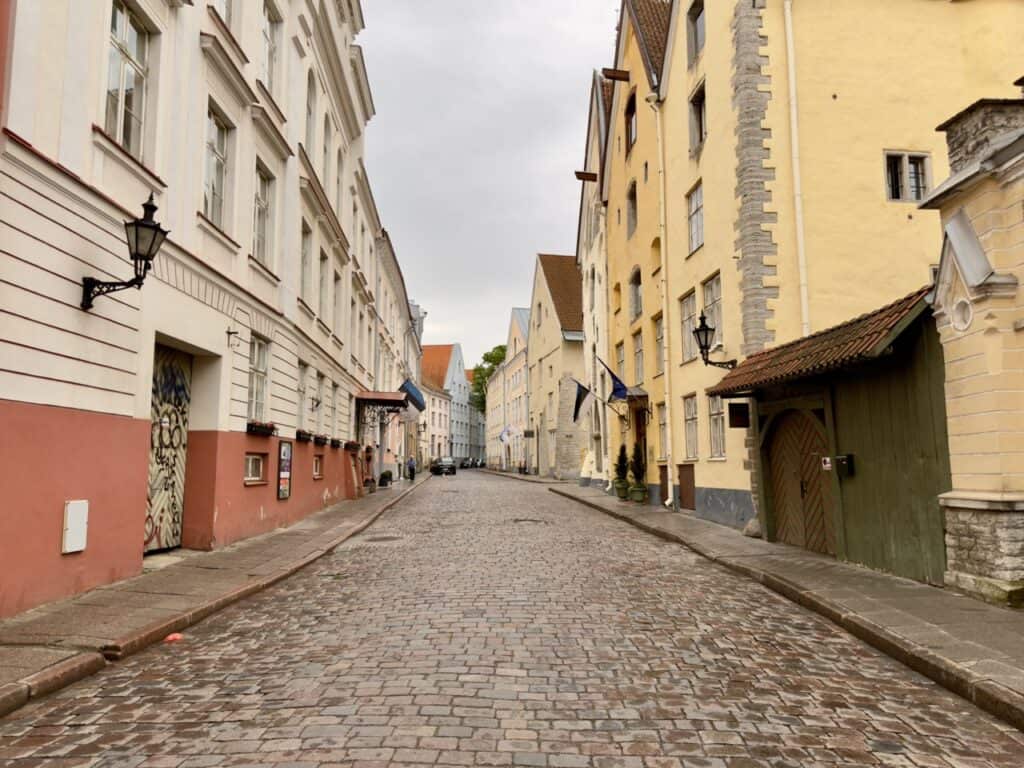
Of course, winters are the opposite, with only around 6 hours of daylight.
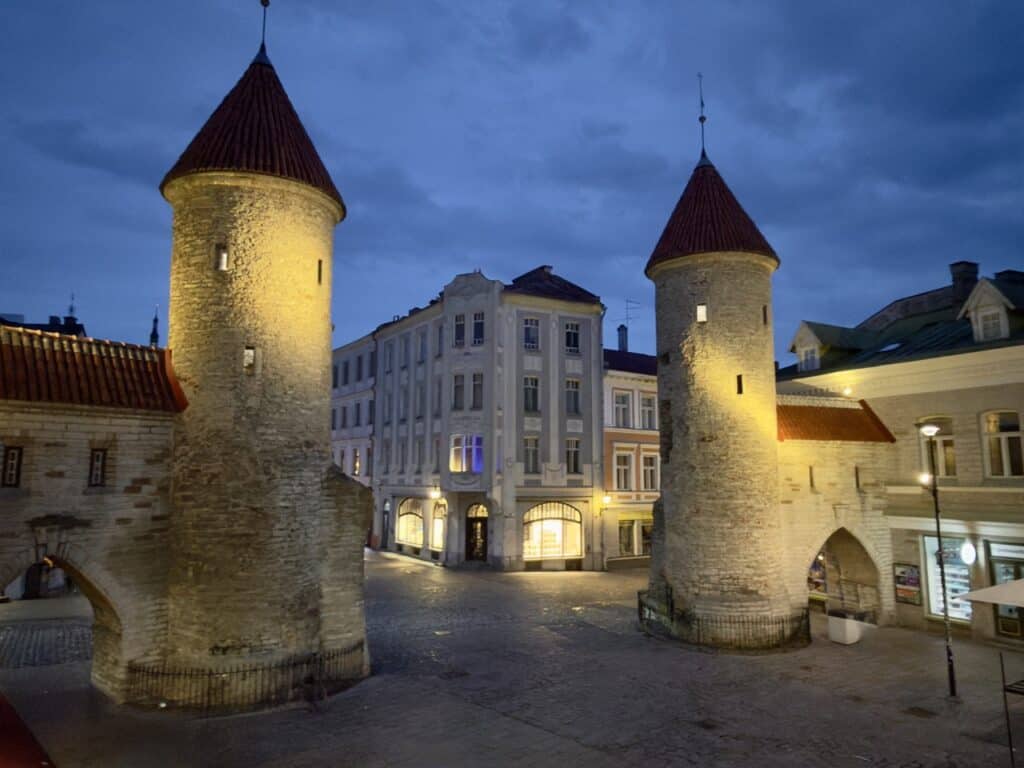
Summers are Cool
What a relief the summertime weather is for me (from Phoenix).
Daytime highs in June and July are only in the 60s and 70s!
Wrap: Hidden Gems in Estonia
The combination of colorful architecture, historic charm, and a variety of shops and restaurants makes Tallinn’s Old Town one of the most popular attractions in the Baltic region.
Estonia is among the least-visited countries in Europe, with only around 3 million visitors a year. Compare that to 100 million for Spain and France!
It means: you’ll get an iconic European experience, with much smaller crowds … AND… Europe’s friendliest people.