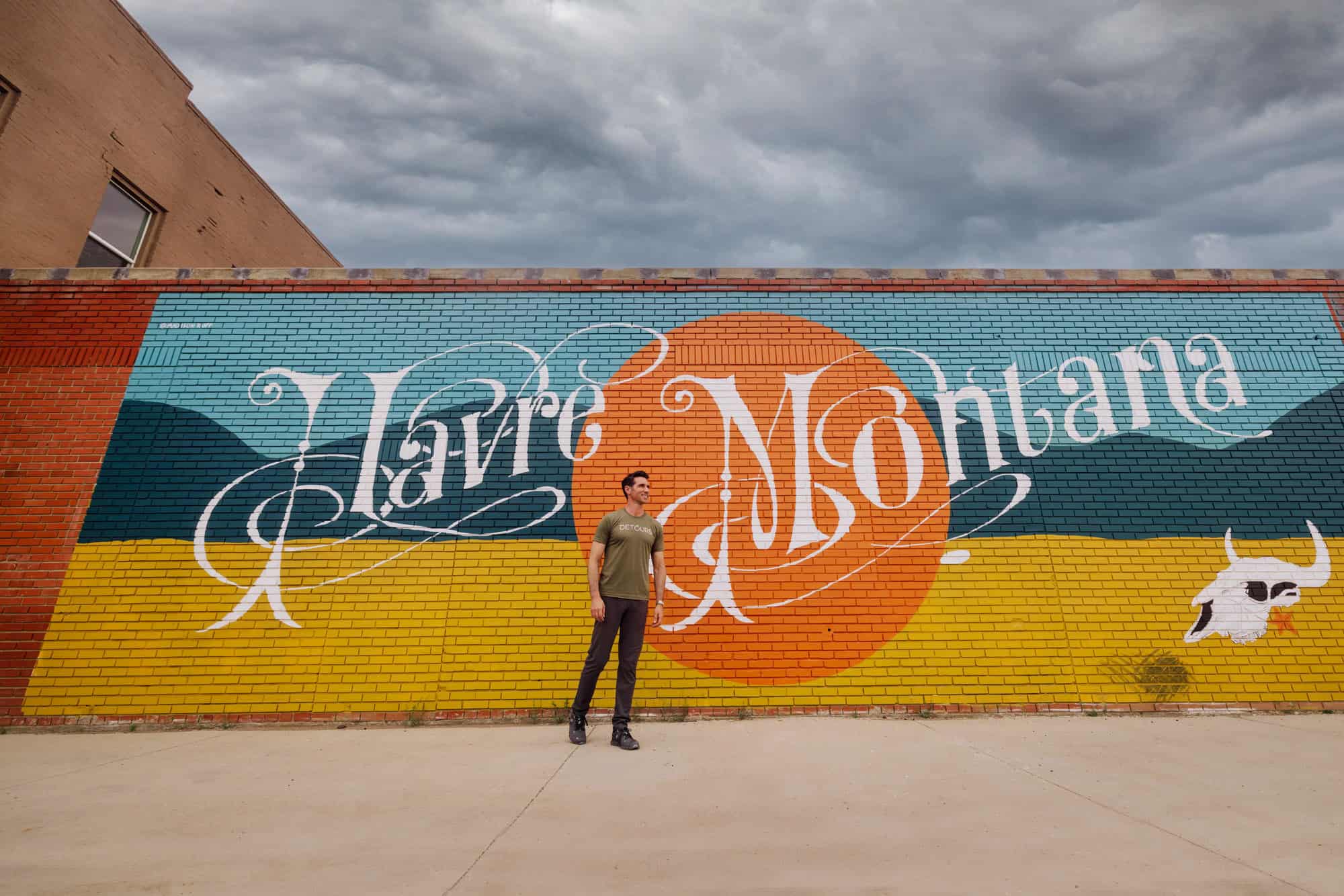
History, Hiking, and Hidden Gems in Havre, Montana

When I lived in Montana, I only traveled to Havre a handful of times, and it was always for a work assignment. I never really spent the time exploring the area’s history, hiking spots, or restaurants.
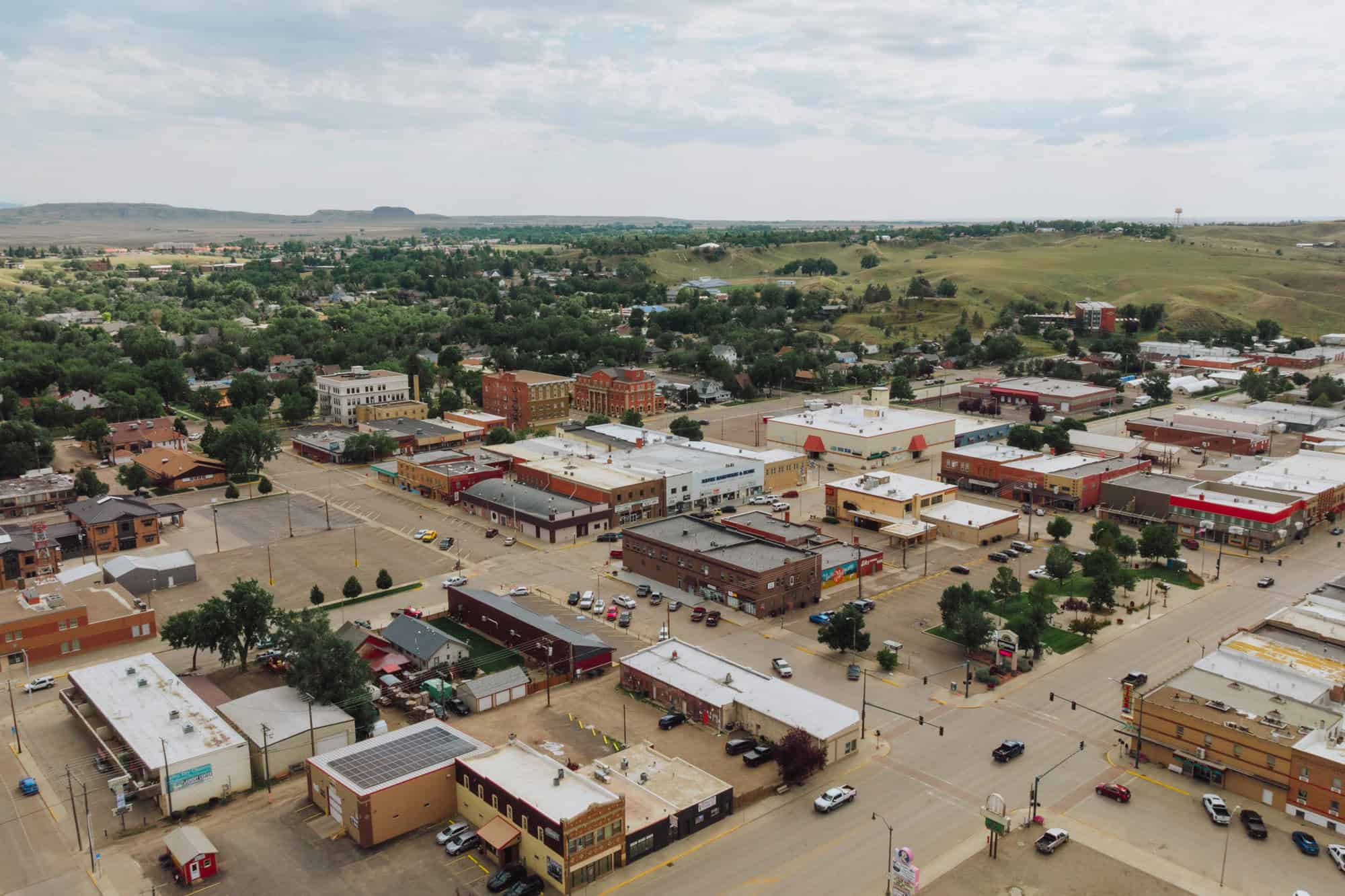
I’m glad I had the time to spend a lengthier visit there recently, because I walked away thinking: this is both a good day trip from Great Falls and a great overnight stop on a road trip through Montana.
Key Info on Havre, Montana:
- 115 northeast of Great Falls, MT
- 175 miles east of Glacier National Park
- Near the Bears Paw Mountains
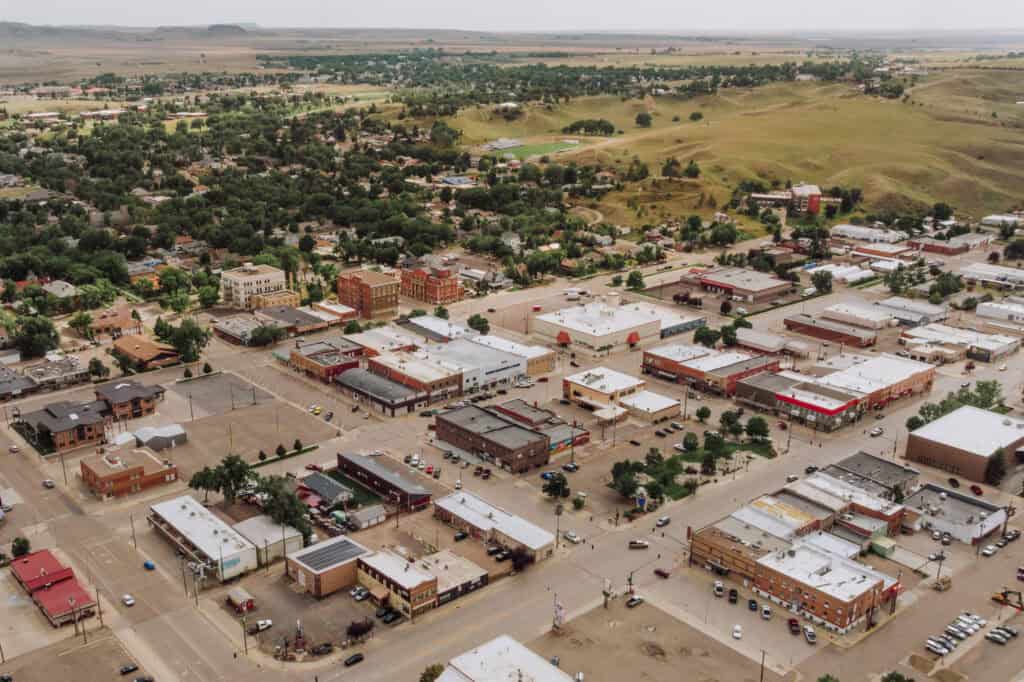
Hotels & Where to Stay in Havre
I’ll post camping options down below, but the town of Havre itself is home to plenty of hotels. You can plug your dates into this interactive map to see the best rates available:
Havre Underground: Beneath the Streets
I’m putting the Havre Underground up top because I was skeptical of it. I admit that right off the bat.
I also admit: I was wrong! I really think it over-delivers, and gives visitors to town a good sense of its history.
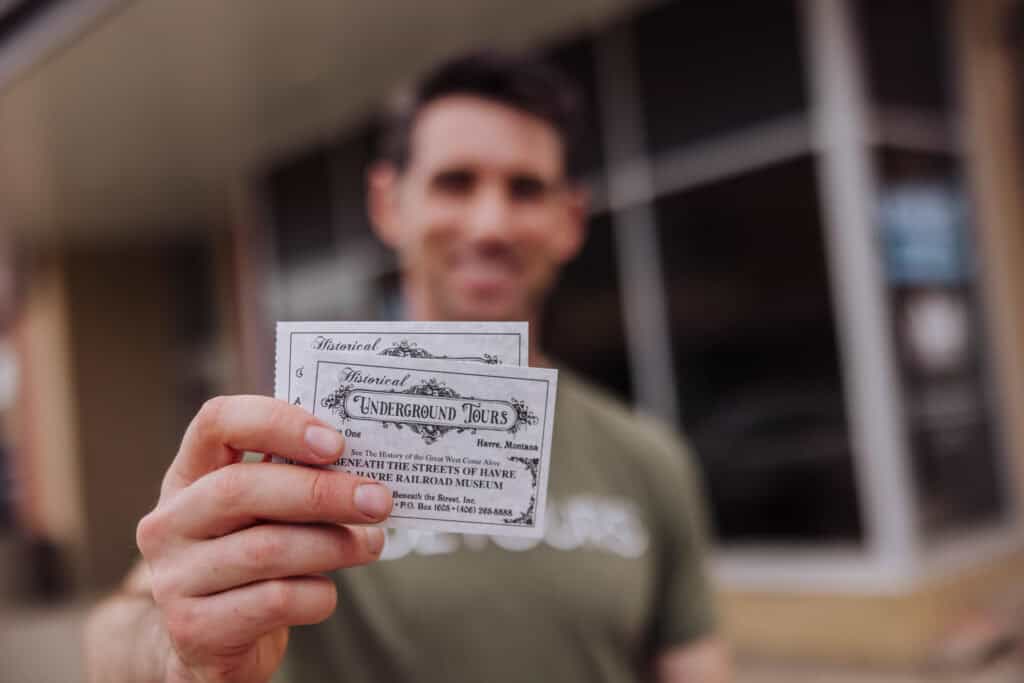
I could see children getting antsy, but I think adults with any interest in history will appreciate the preservation of a unique period of Montana’s past.
Havre is home to one of the earliest examples of an underground “mall,” blending survival, immigrant history, illicit trade, and frontier entrepreneurship into a quirky, immersive experience.
I cannot IMAGINE what it smelled like 120 years ago, as the aromas of smoke from the saloon and ground meat from the butcher mixed with the humidity from the laundry and wafted through the entire underground.
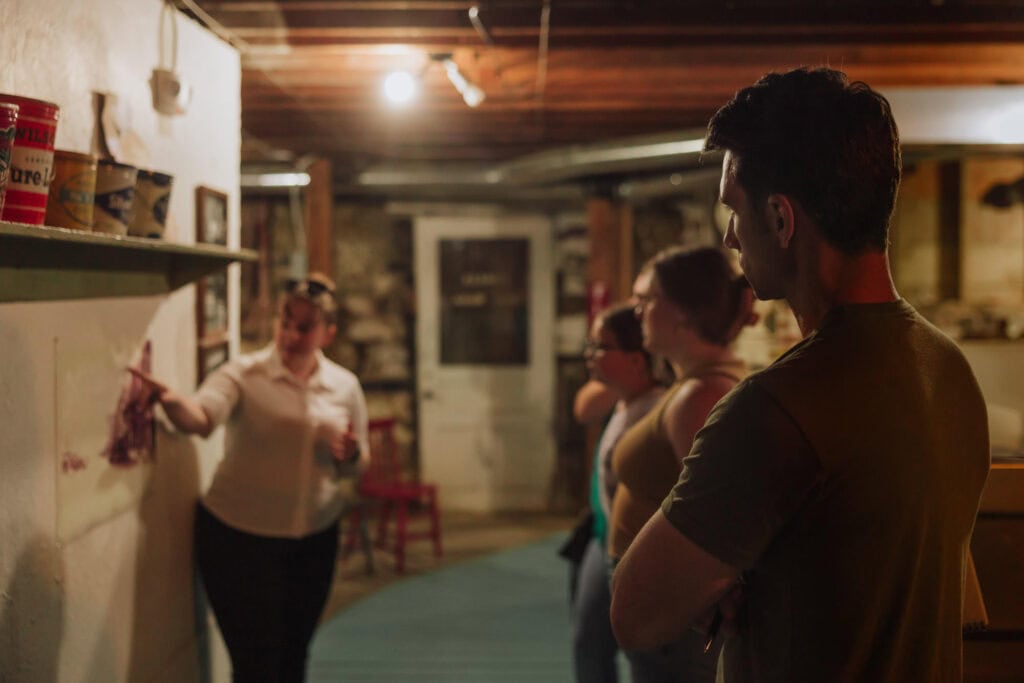
Overview of the Underground
- 1904: A fire leveled downtown Havre.
- Shop owners moved their businesses to their basements.
- Underground passages linked them together.
- It took 6-7 years for construction to finish on the new brick buildings above.
- Restored and opened to the public in the 1990s.
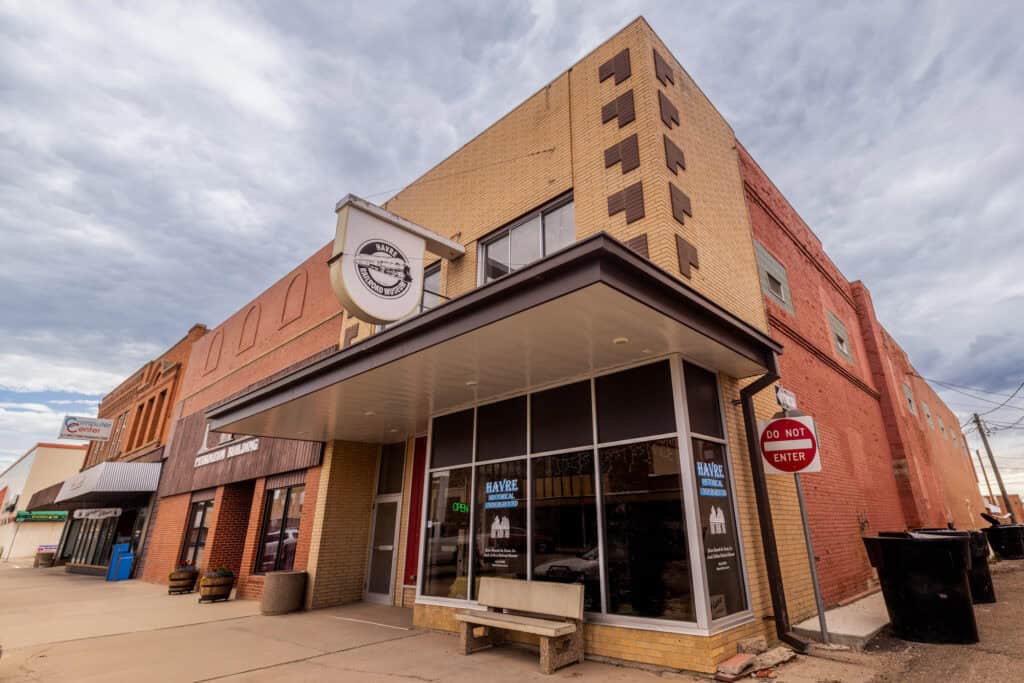
Highlights of the Tour
During your hour-long “Havre Beneath the Streets” tour, you’ll hear stories about local characters, criminals, and business owners. Some of them fit multiple categories.
The Sporting Eagle Saloon is one of the stops, and it’s an example of the extensive preservation work.
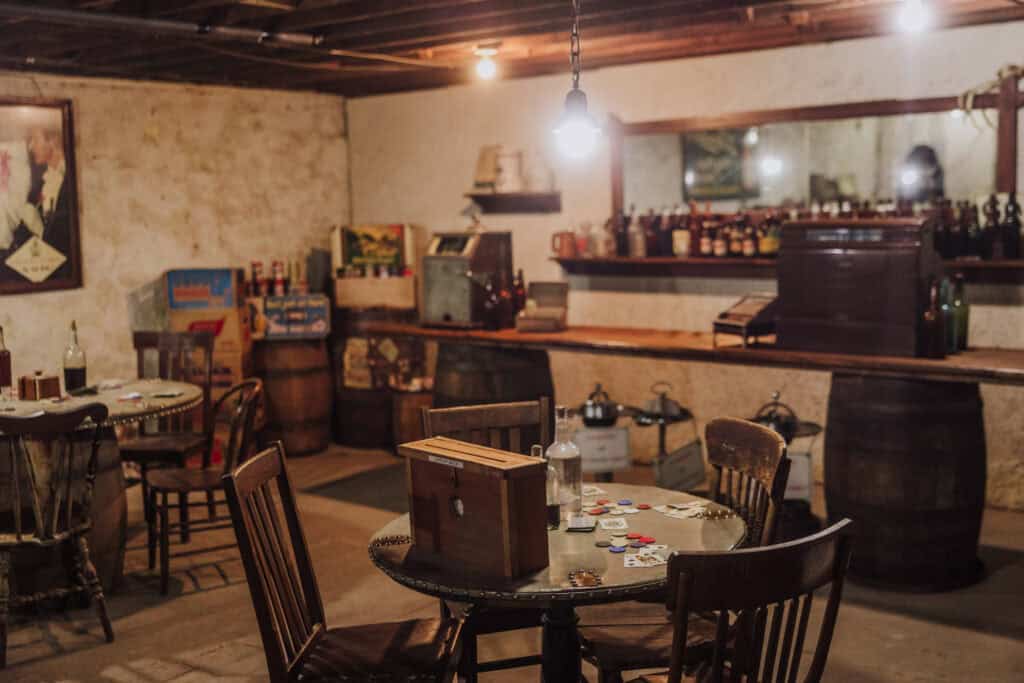
You’ll spot:
- Original tables and the original wood bar.
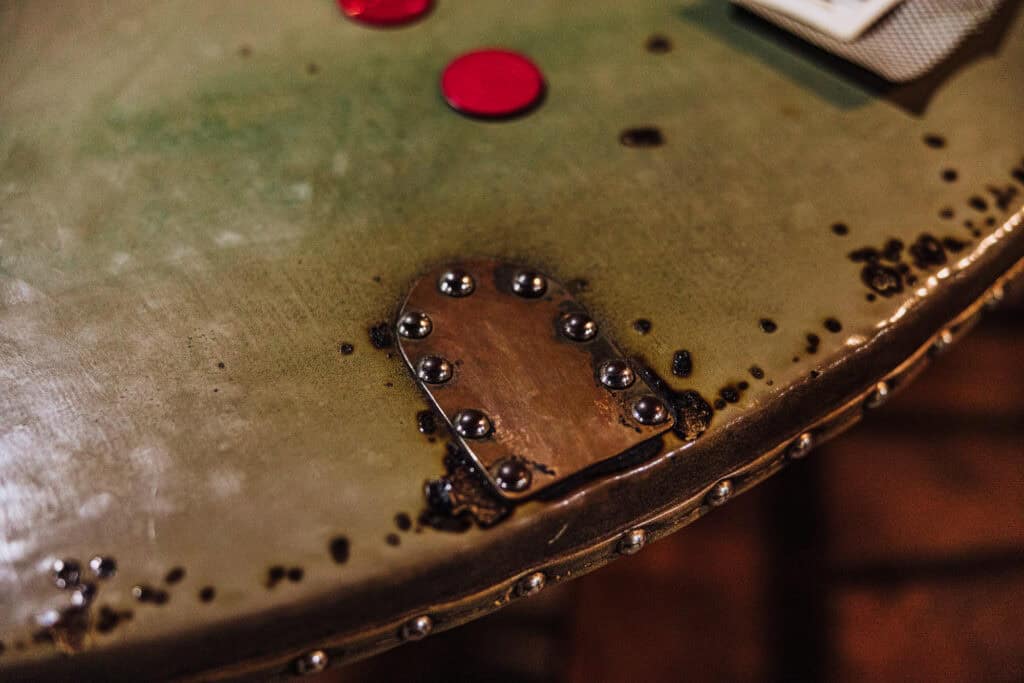
- Brass plates on tables, meant to hold lit cigarettes.
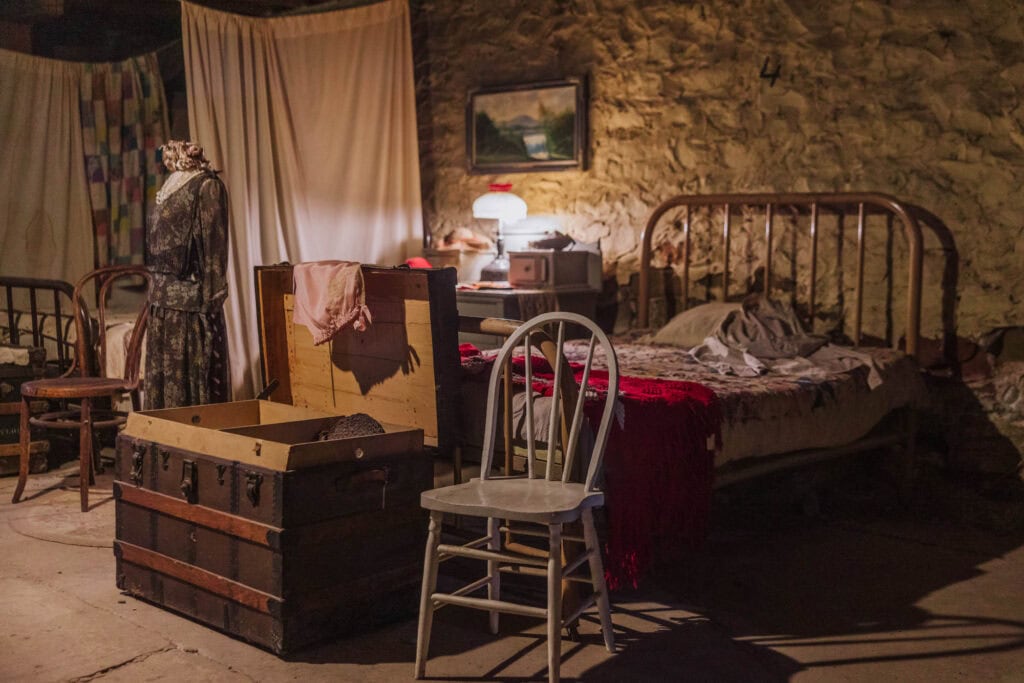
In the bordello, you’ll see original numbers on the walls, each corresponding to a bed. I think there were 27 beds, crammed next to each other, with just a sheet separating them.
The Pioneer Meat Market and sausage factory are next door, complete with the original press, smoker, and grinder.
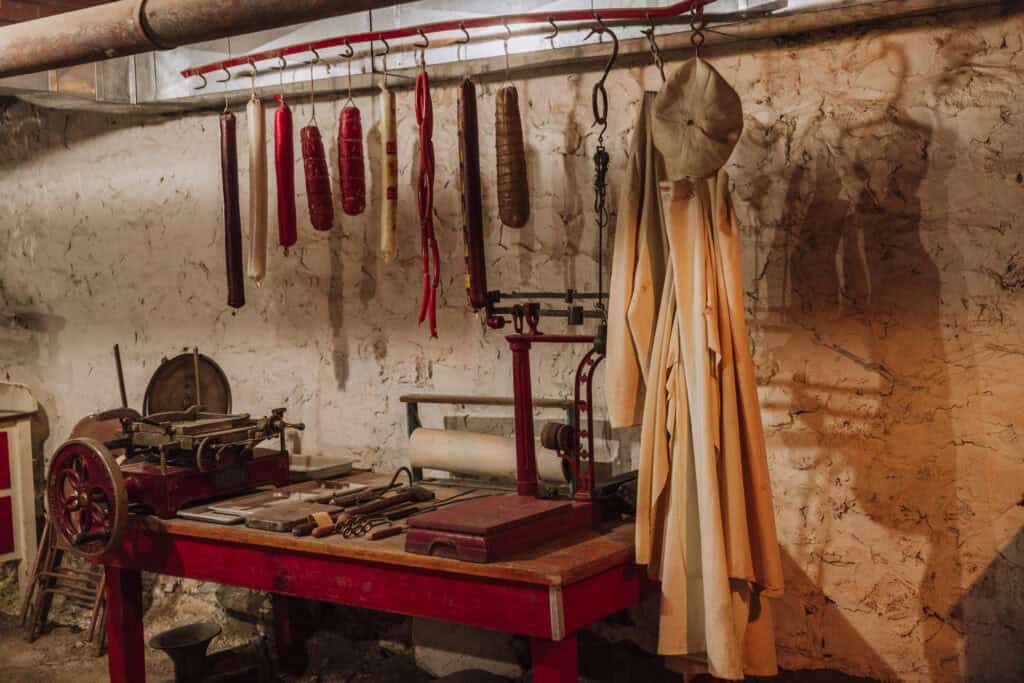
It was one of a few food stops. The bakery also served as a candy shop. During the summer, they’d make ice cream, though without a freezer, it had to be churned and served immediately.
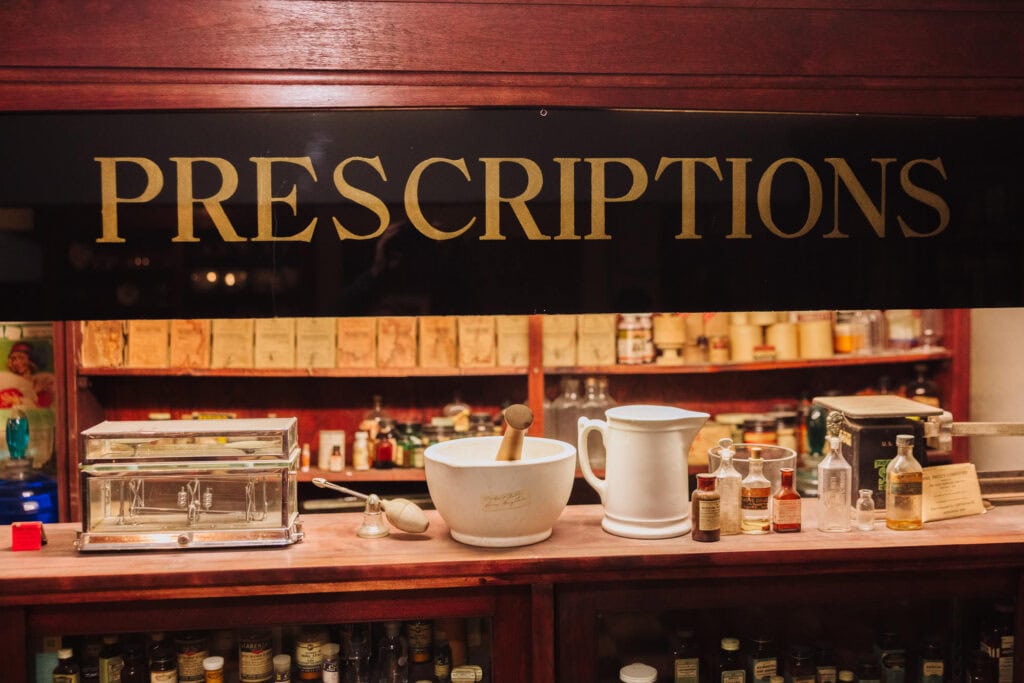
The drug store’s shelves and walls are lined with a variety of relics, including:
- Egg shampoo
- Chewing laxatives
- Heroin
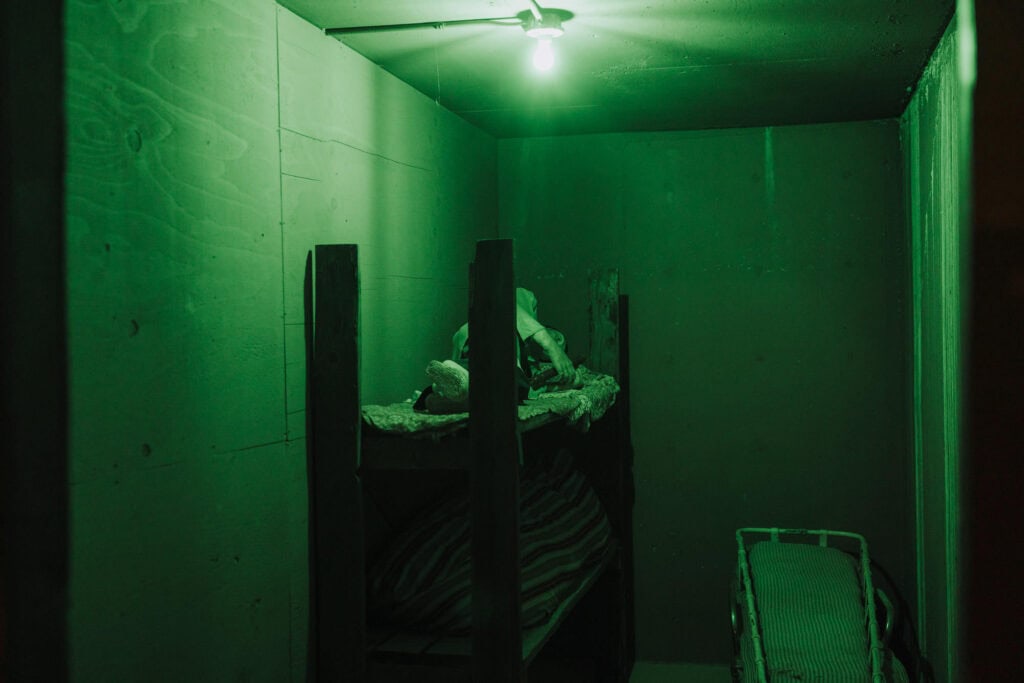
Speaking of heroin, the Chinese laundry featured both a bathtub and an adjacent opium den with bunks.
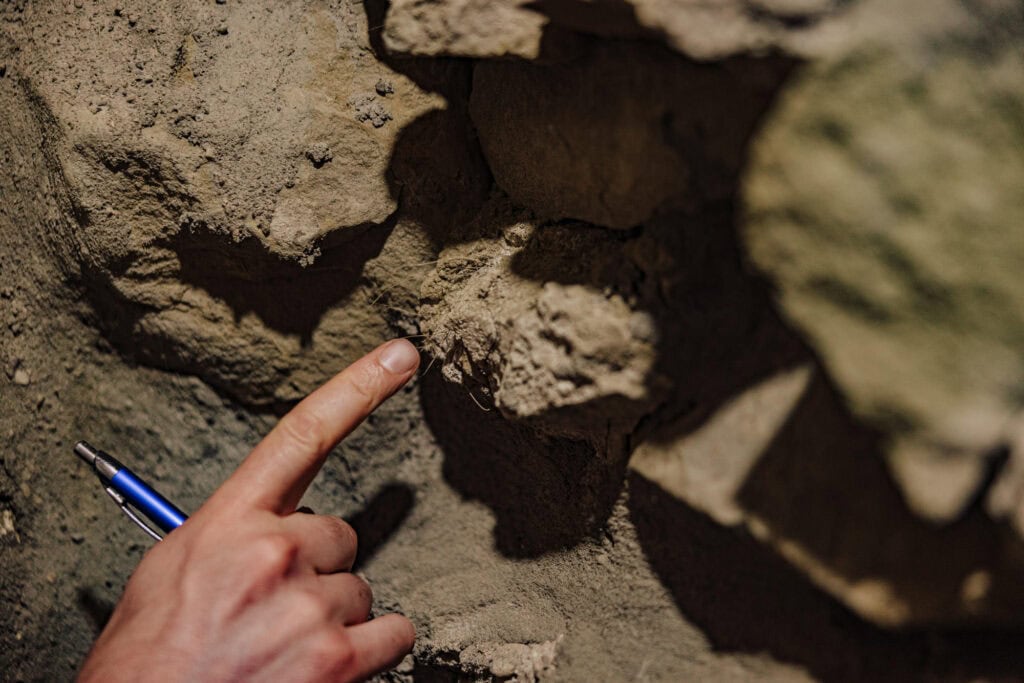
As you walk through, you’ll notice other preserved slices of life in the early 1900s, including horse hair mixed in the cement walls. It was used to both strengthen and insulate them.
Back at the office after the tour, you’ll find exhibits focused on the railroad’s history in Havre.
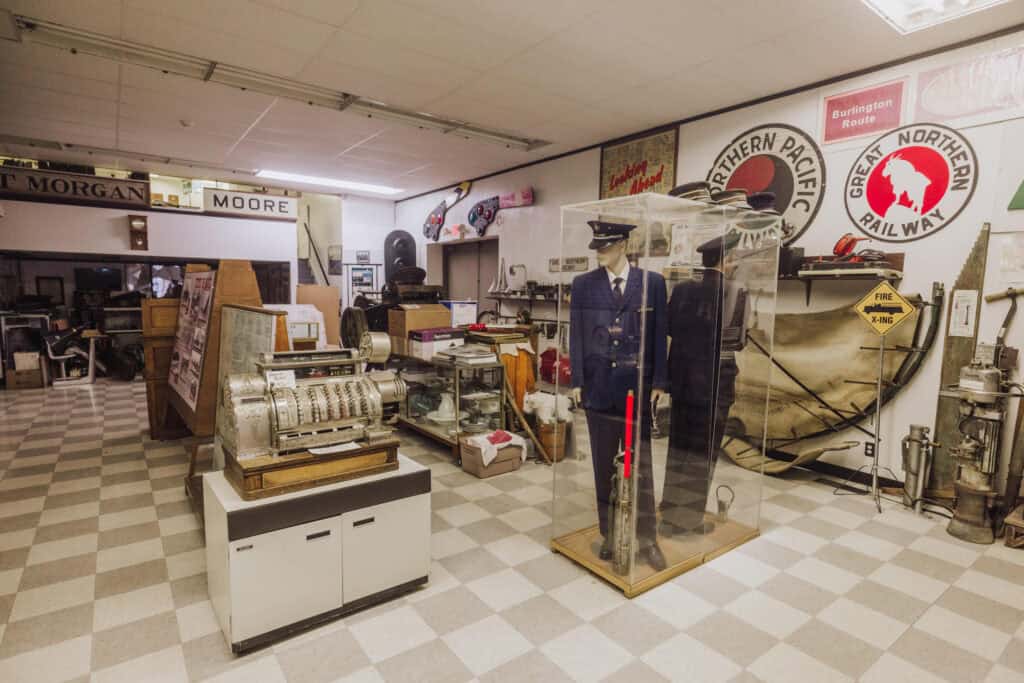
Again, I really enjoyed it, and also appreciated our guide’s enthusiasm for her town and its history!
Wahkpa Chu’gn Buffalo Jump
The Wahkpa Chu’gn Buffalo Jump is a well-preserved prehistoric Native American hunting site right in downtown Havre.
You can’t help but wonder what a tribal hunting party in the year 50 BC would think about the old Holiday Village Mall now perched on the neighboring hill.
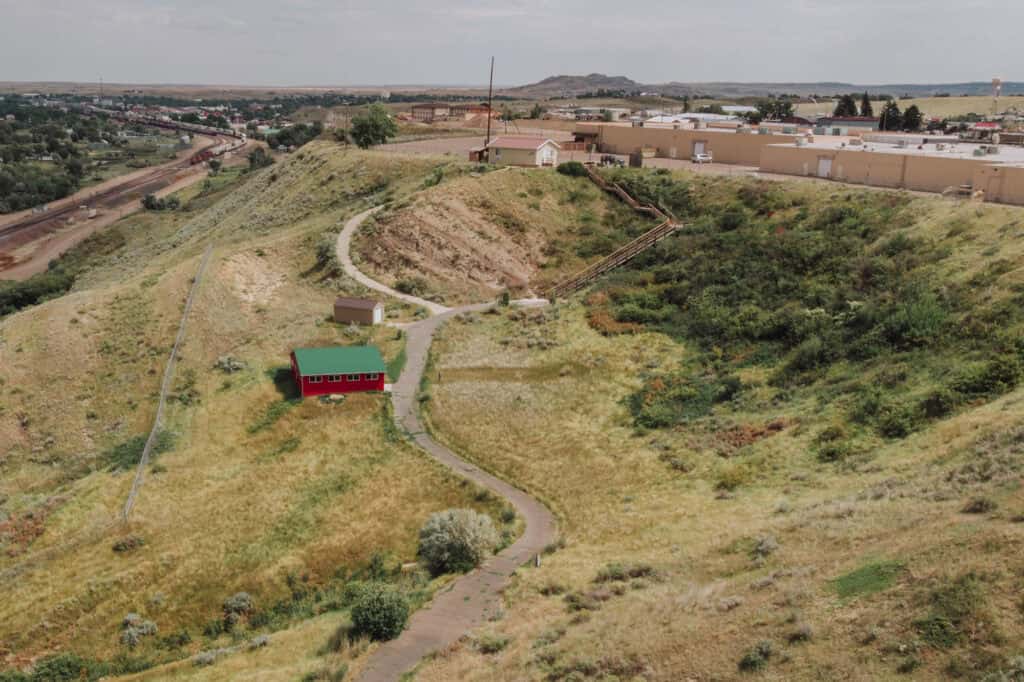
The site offers a rare look into Plains Indian culture, hunting practices, and survival strategies.
While tribes used it to drive herds of bison to their deaths for around 2,000 years (into the 1600s), it was only recently discovered in modern times. A local student found the bones in the 1960s while hiking around the bluffs in town.
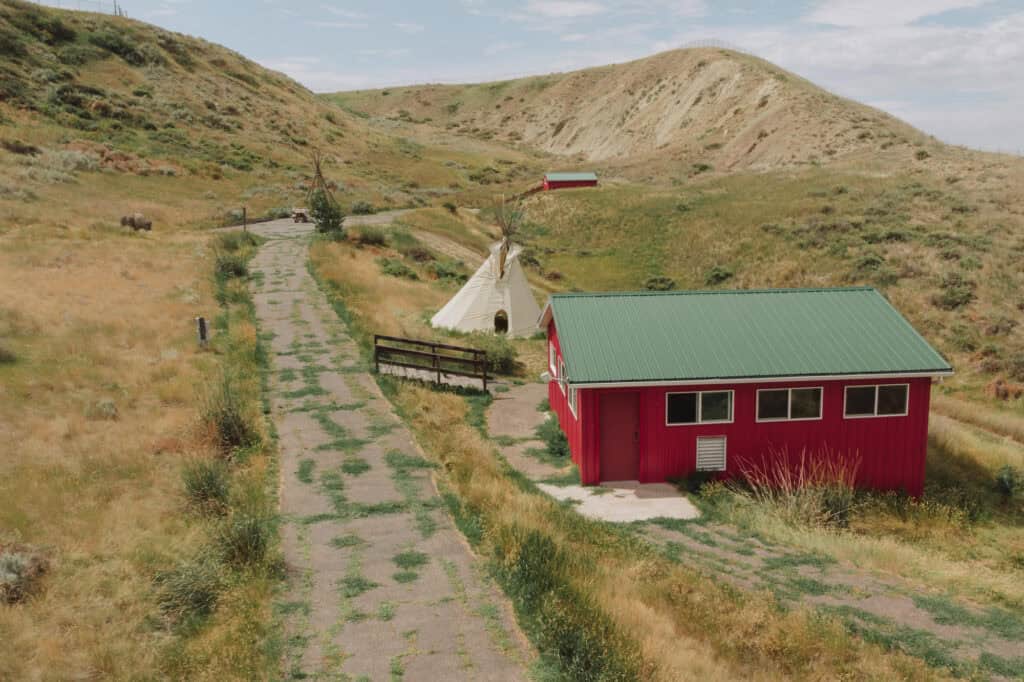
Today, it’s an archaeological site open to the public in the summer, featuring guided tours with exposed bone beds, interpretive displays, and replicas of ancient tools.
What to Expect on a Tour:
- 90 minutes with a guide
- See pits 20 feet underground where artifacts are preserved
- A lesson on throwing the atlatl, the ancient weapon of choice
The tours usually run only in the summer mornings, between Memorial Day and Labor Day.
After excavations were done at the Wahkpa Chu’gn Buffalo Jump in the 1970s, many of the artifacts were moved to the H. Earl Clack Museum.
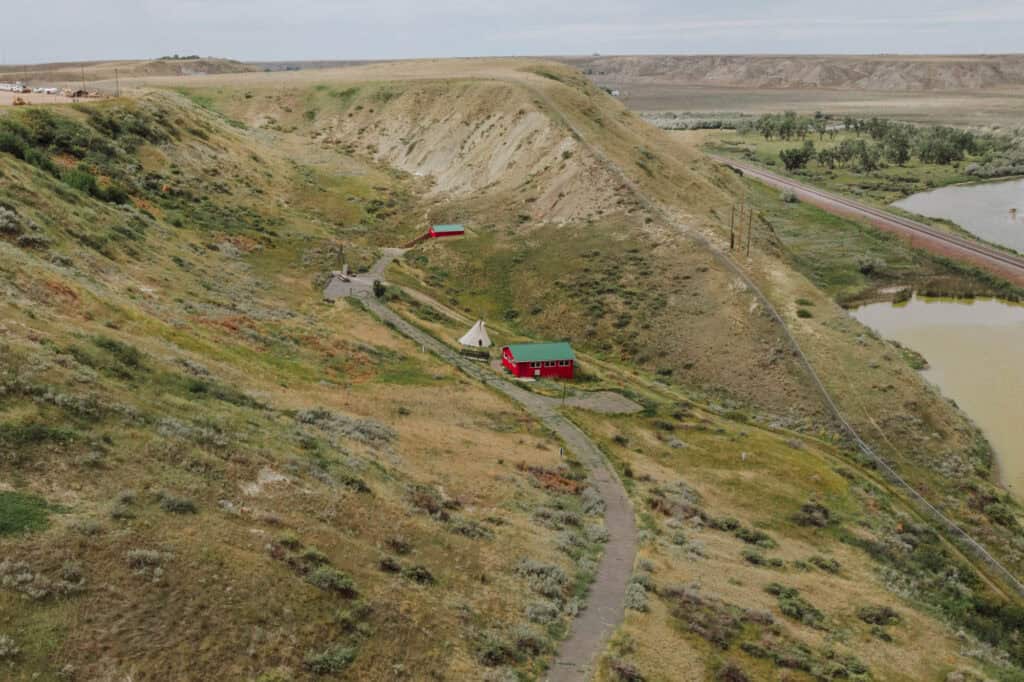
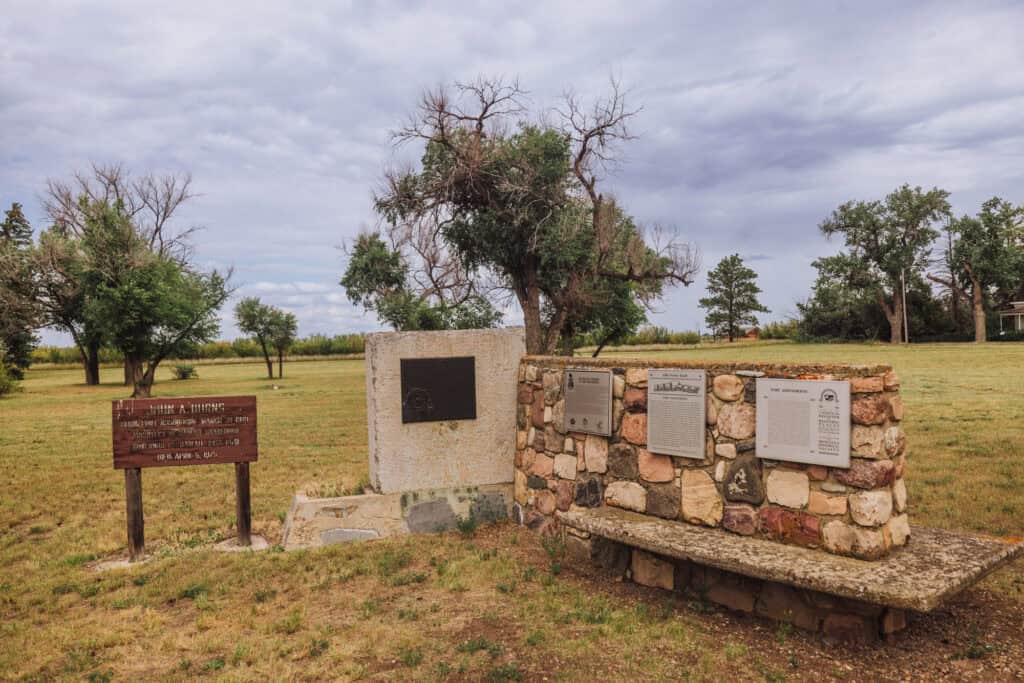
Fort Assinniboine
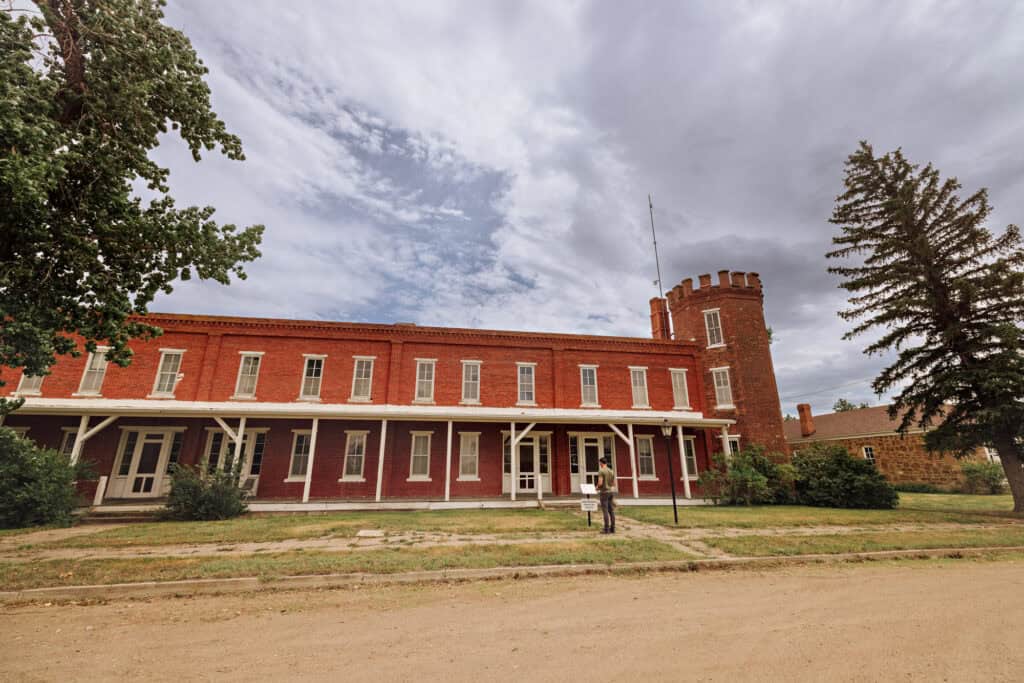
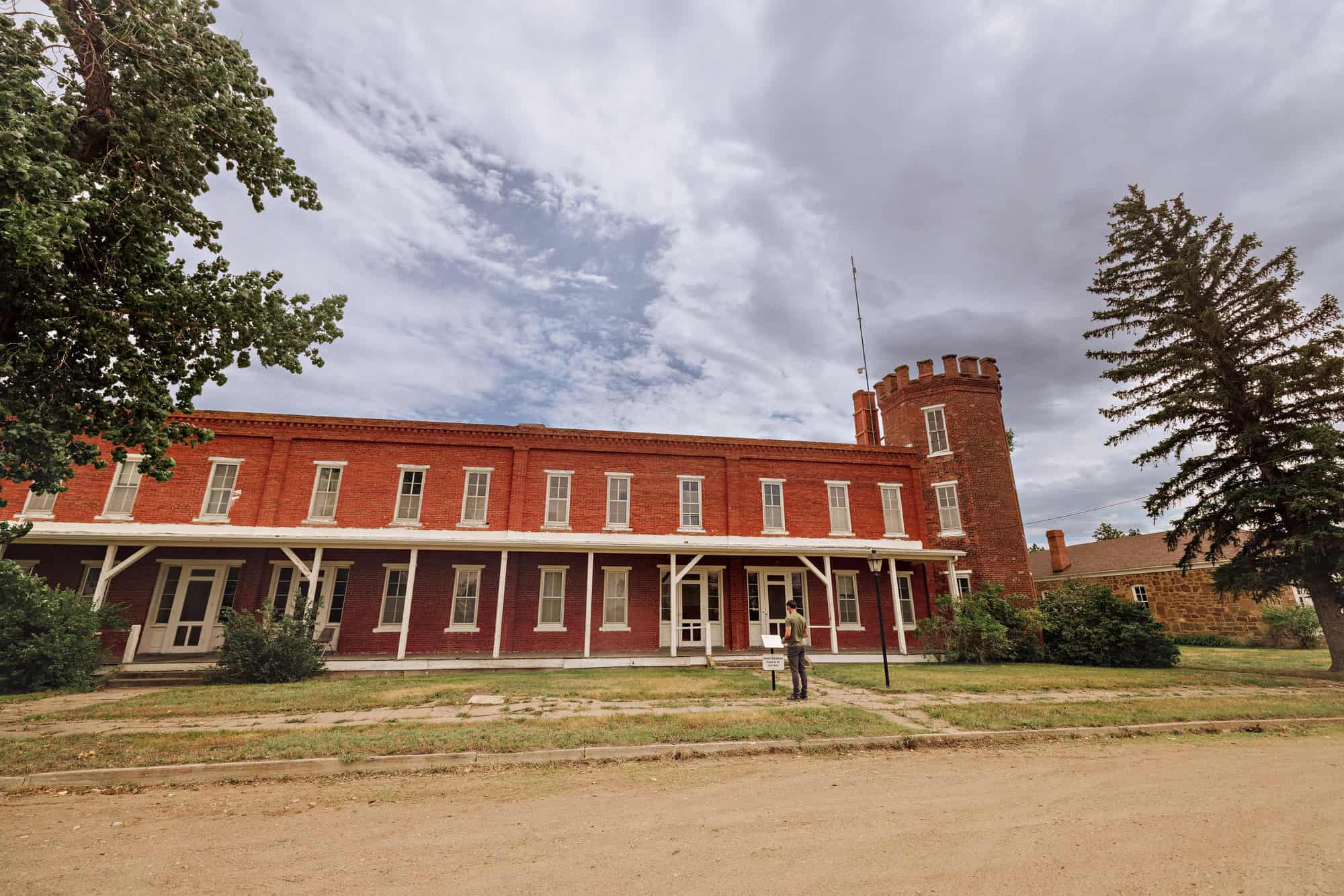
Fort Assinniboine was once one of the largest forts in the country, when it was established in 1879. It was built as a US Army post to protect settlers and railroad workers after the defeat of Colonel Custer by the Sioux Nation at the Battle of the Little Bighorn River.
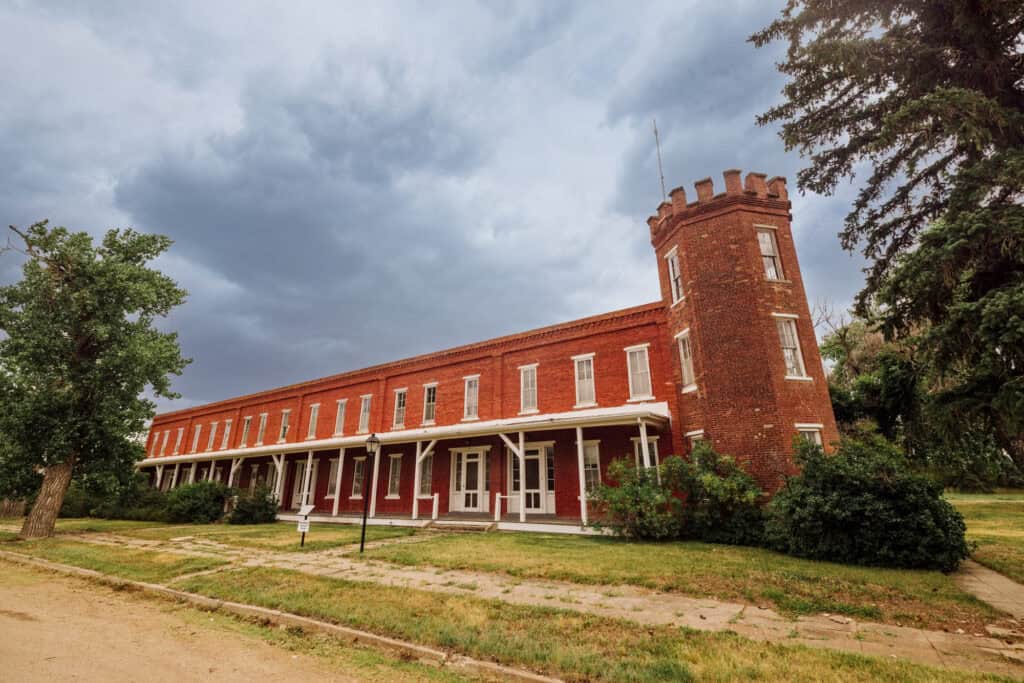
The location was strategic: between Fort Benton on the Missouri River and Canada. It housed cavalry and infantry troops, including the famous African American unit known as the Buffalo Soldiers.
It’s on the National Register of Historic Places.
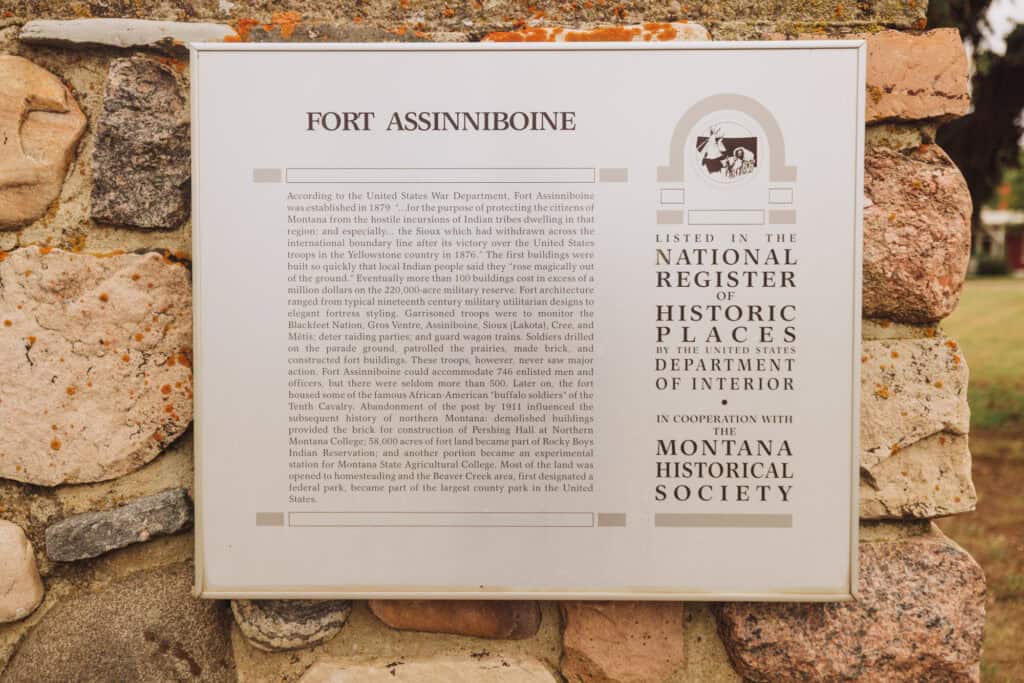
More than 100 buildings spread across the 220,000-acre base, but its status as the largest military facility in Montana was short-lived. By 1911, Fort Assinniboine was being divided up and dismantled.
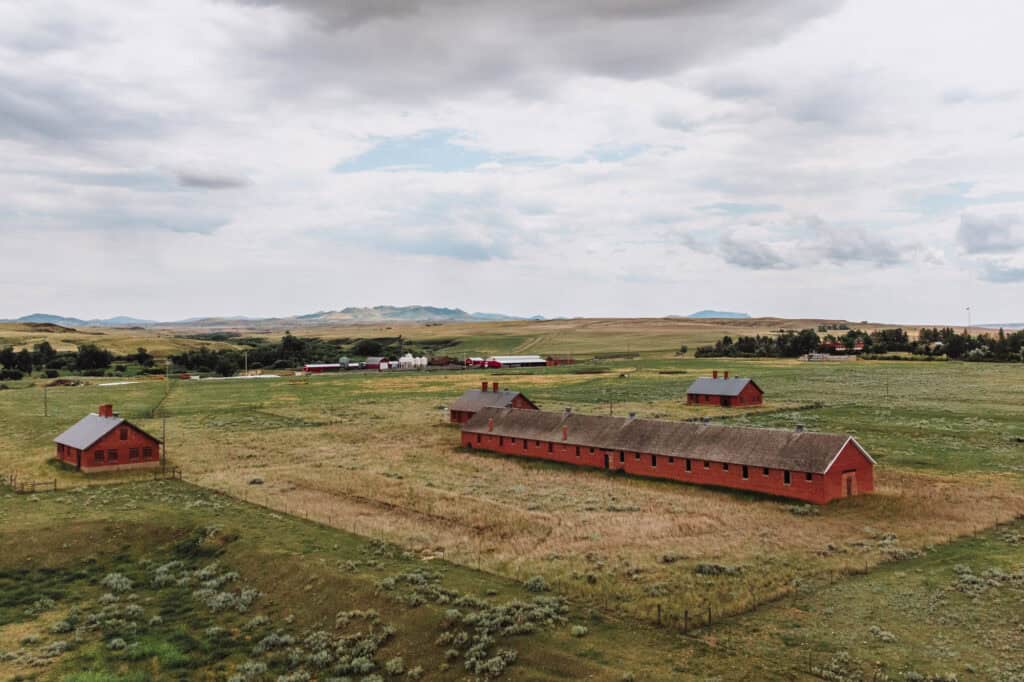
Several of the buildings remain today. Some of the bricks from the fort’s buildings were used to construct Pershing Hall at Northern Montana College (MSU Northern).
Other parts of the base turned into a research facility for the Montana State Agricultural College and Beaver Creek Park.
Today, visitors can tour the remaining buildings and learn about military life on the northern plains, frontier history, and the fort’s role in Montana’s development.
H. Earl Clack Museum
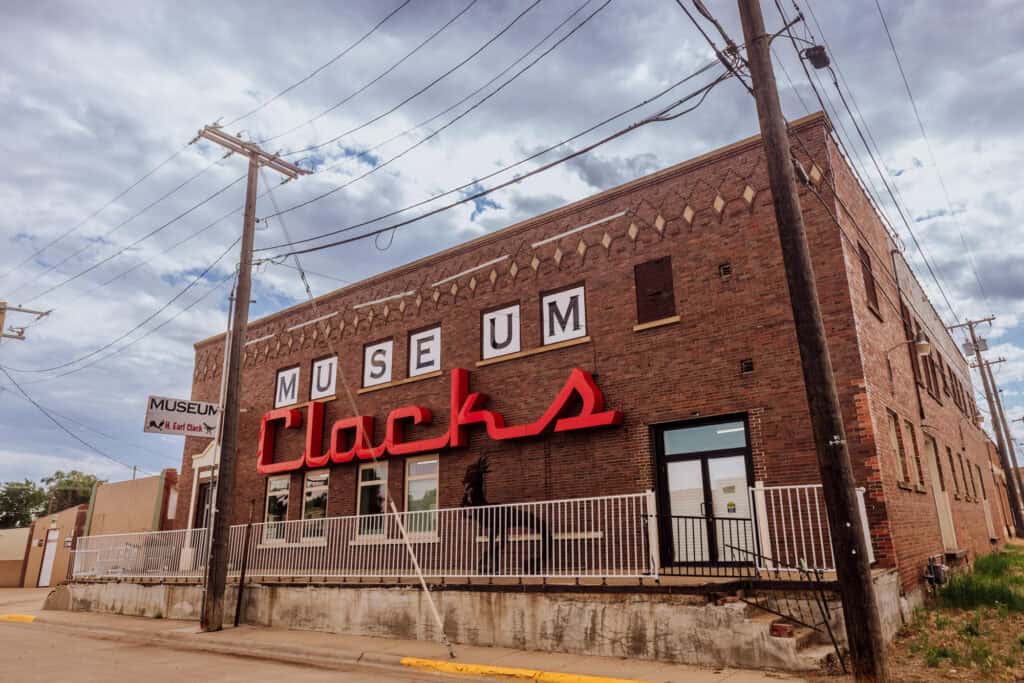
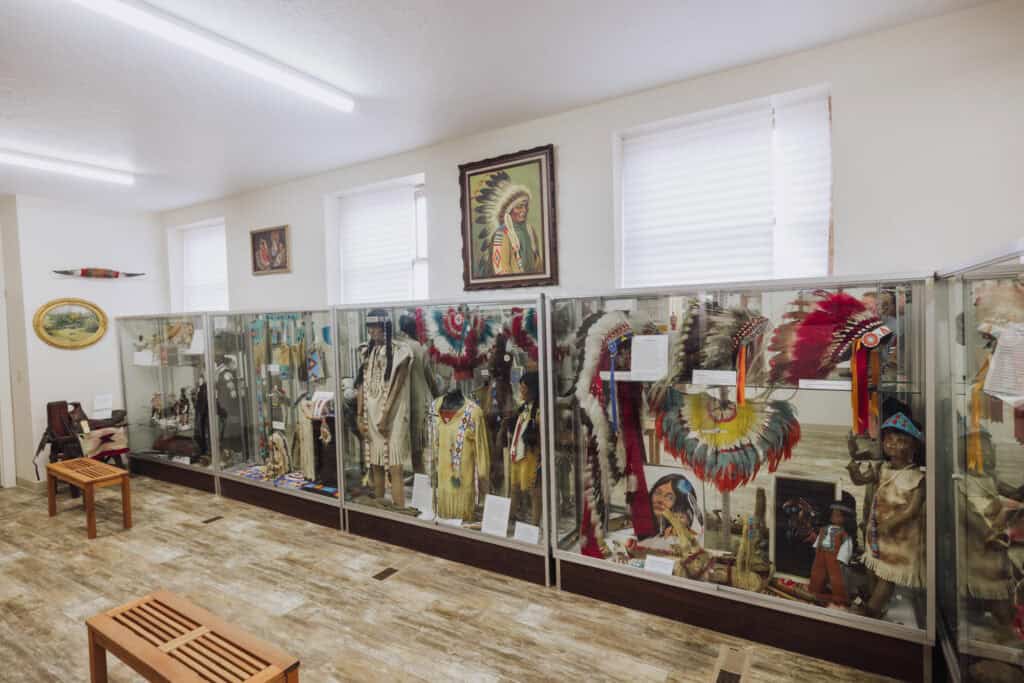
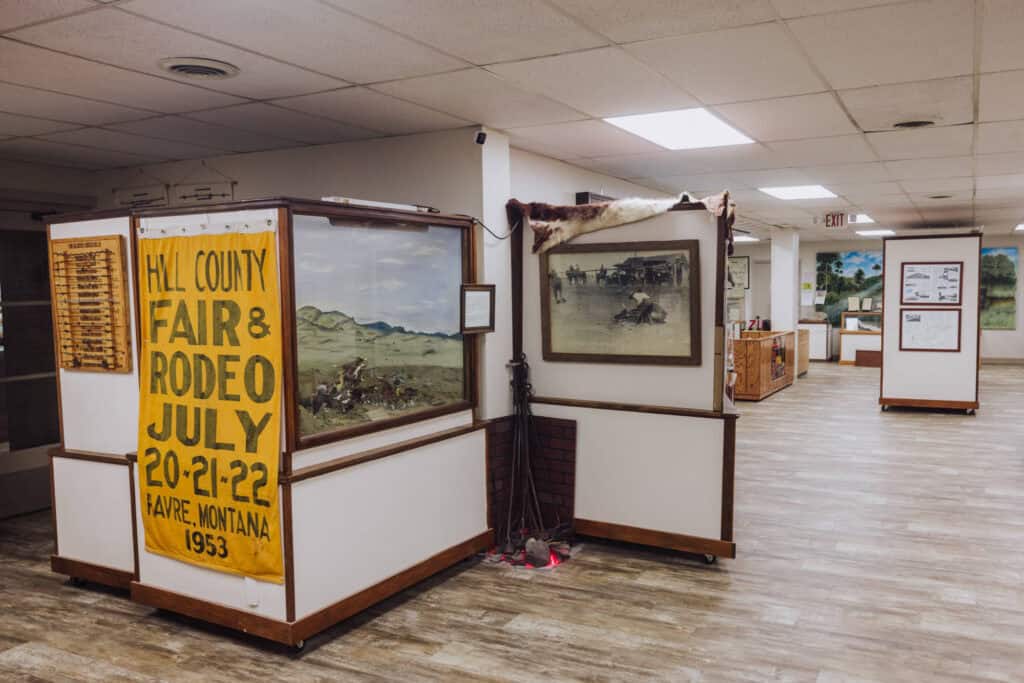
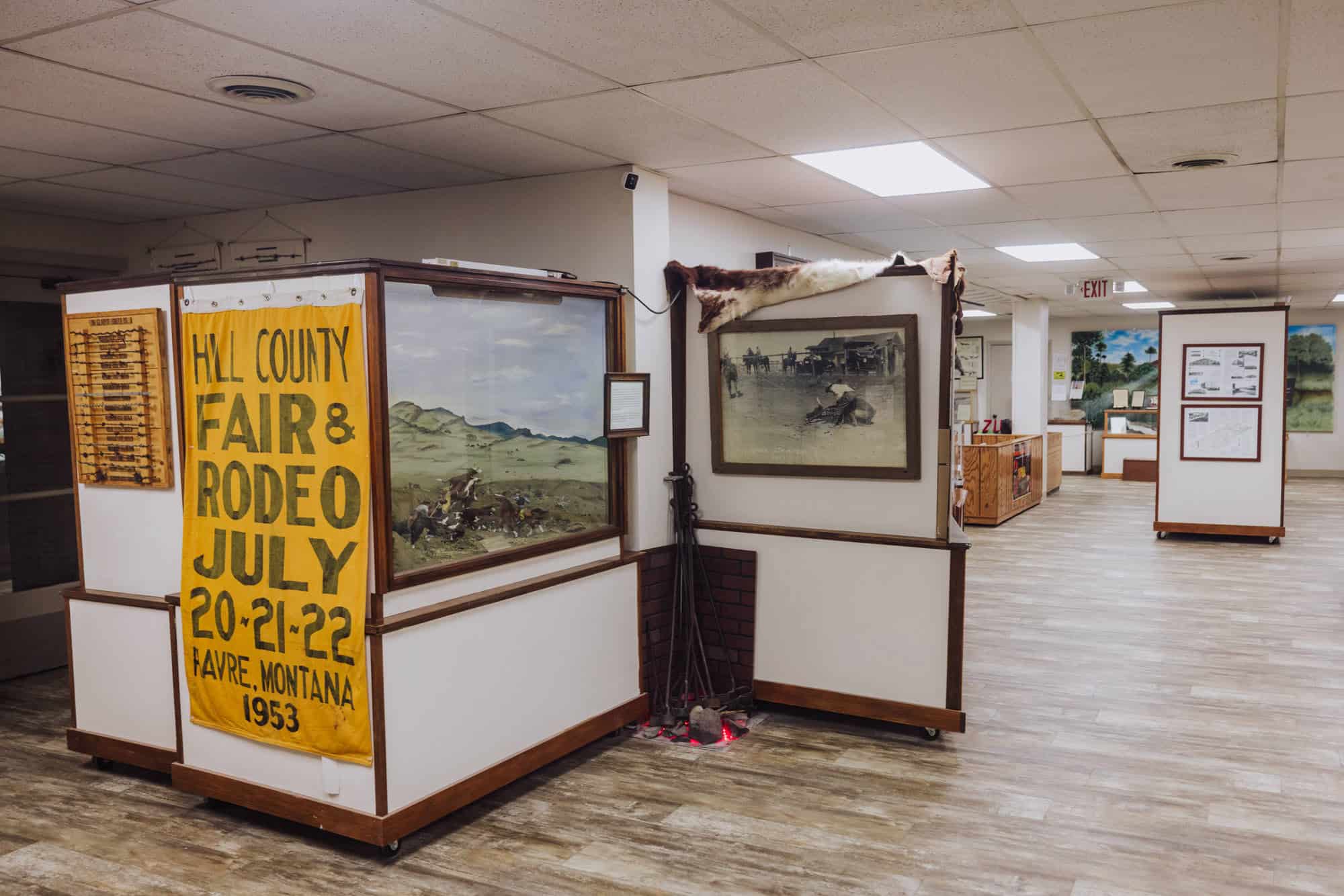
The H. Earl Clack Memorial Museum is in downtown Havre. It’s a mix of prehistoric and pioneer history.
Paleontology & Dinosaur Exhibits
The museum is part of the Montana Dinosaur Trail (along with another favorite spot: the Montana Dinosaur Center).
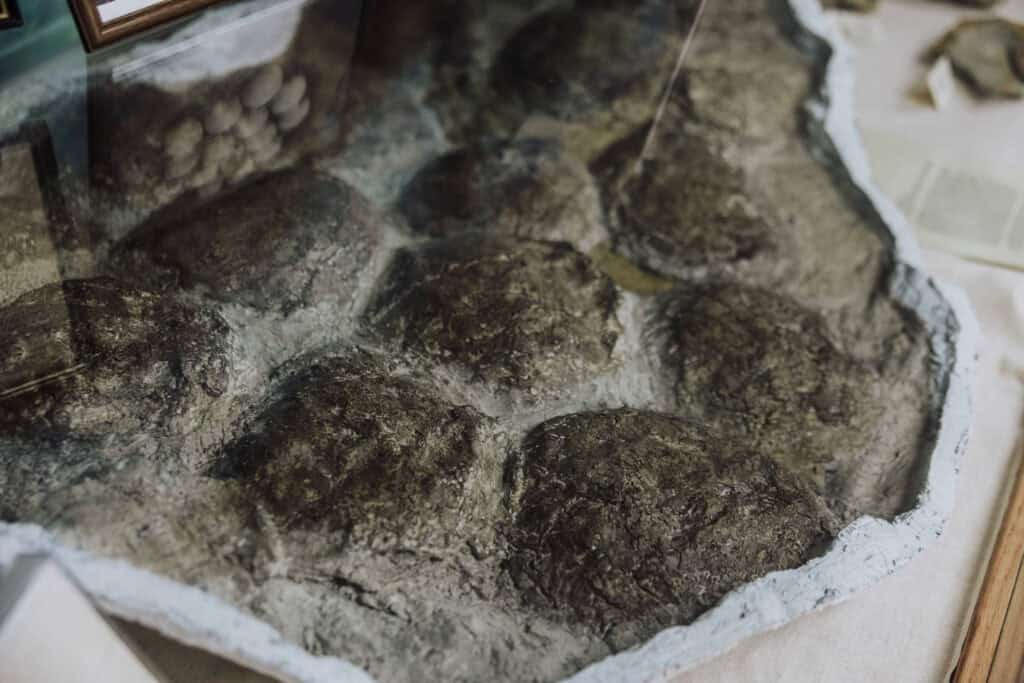
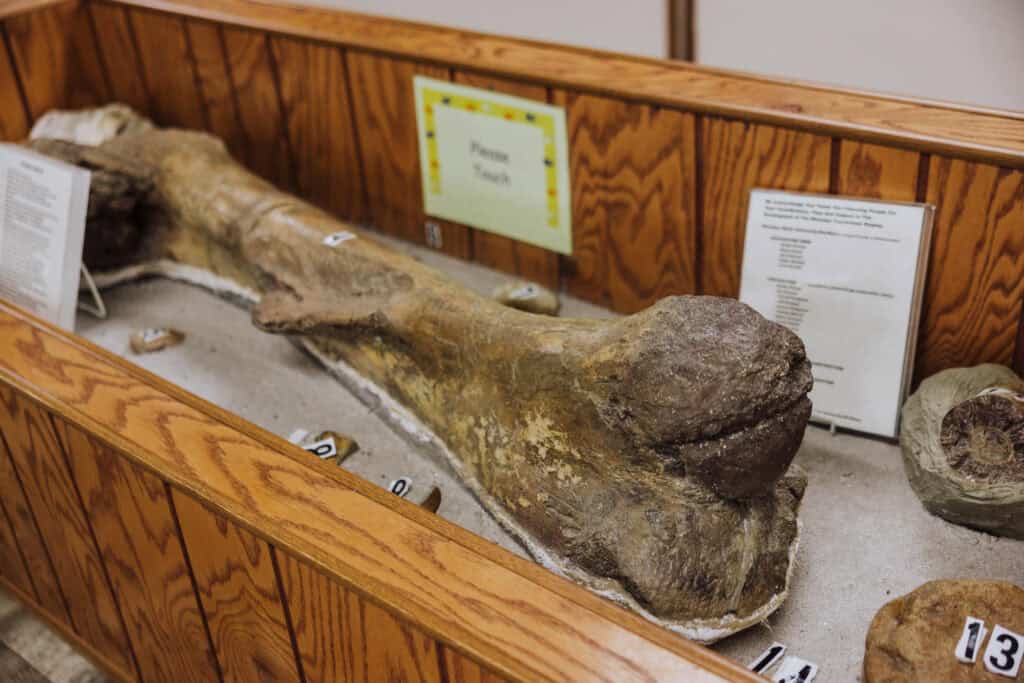
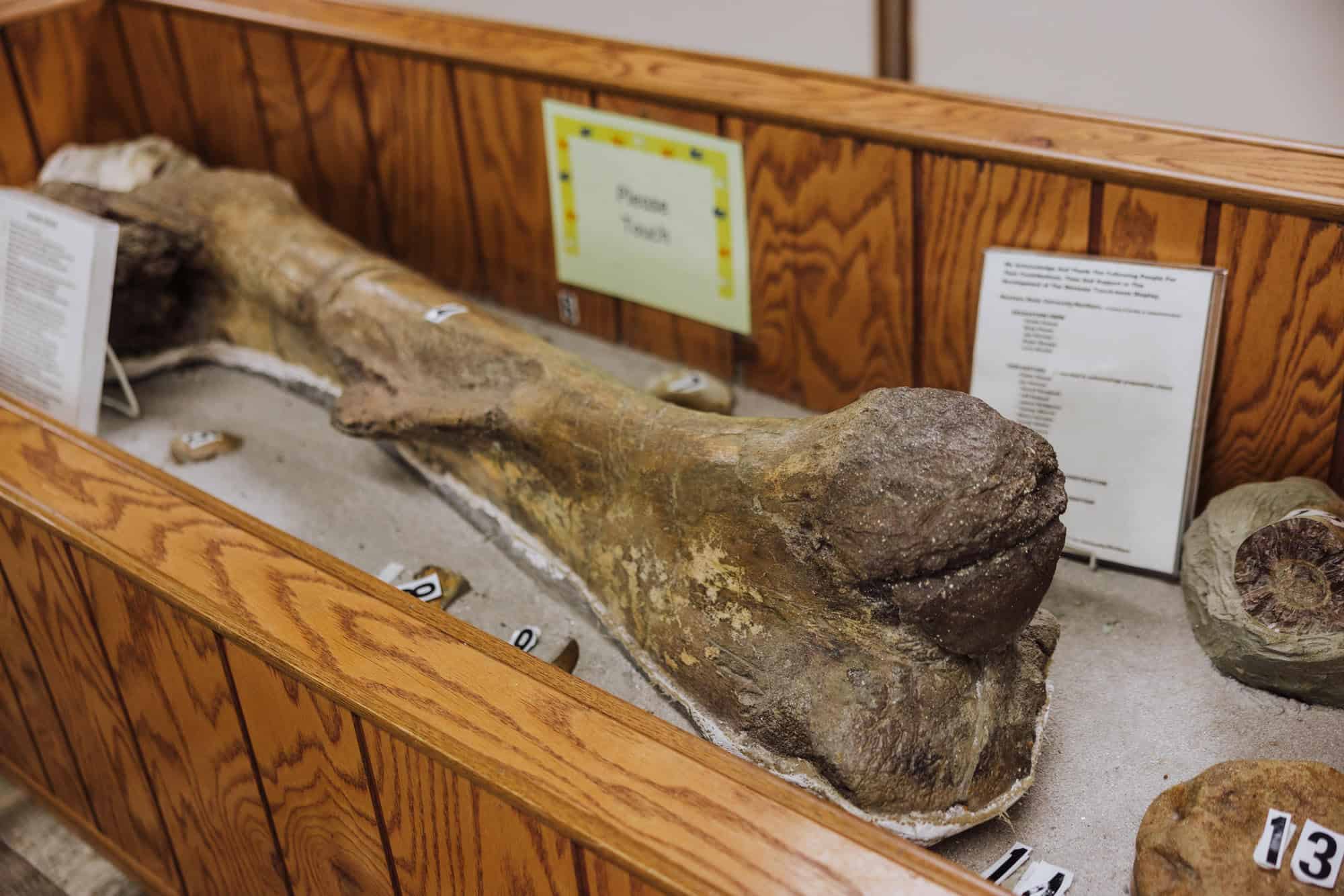
Inside, you’ll find 75-million-year-old dinosaur eggs and embryos from the nearby Judith River Formation.
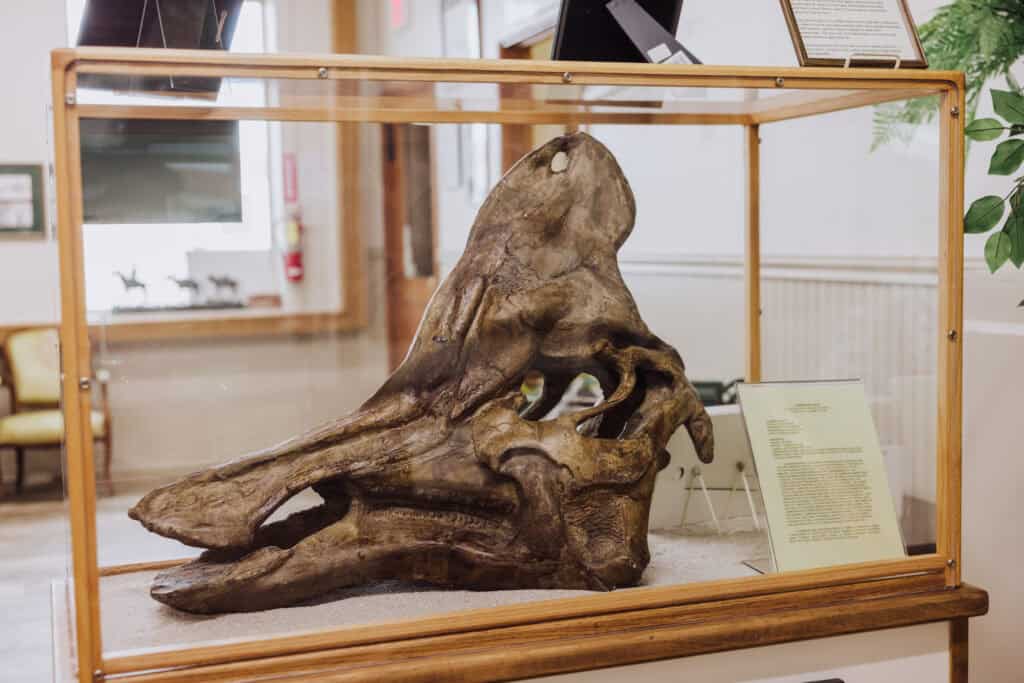
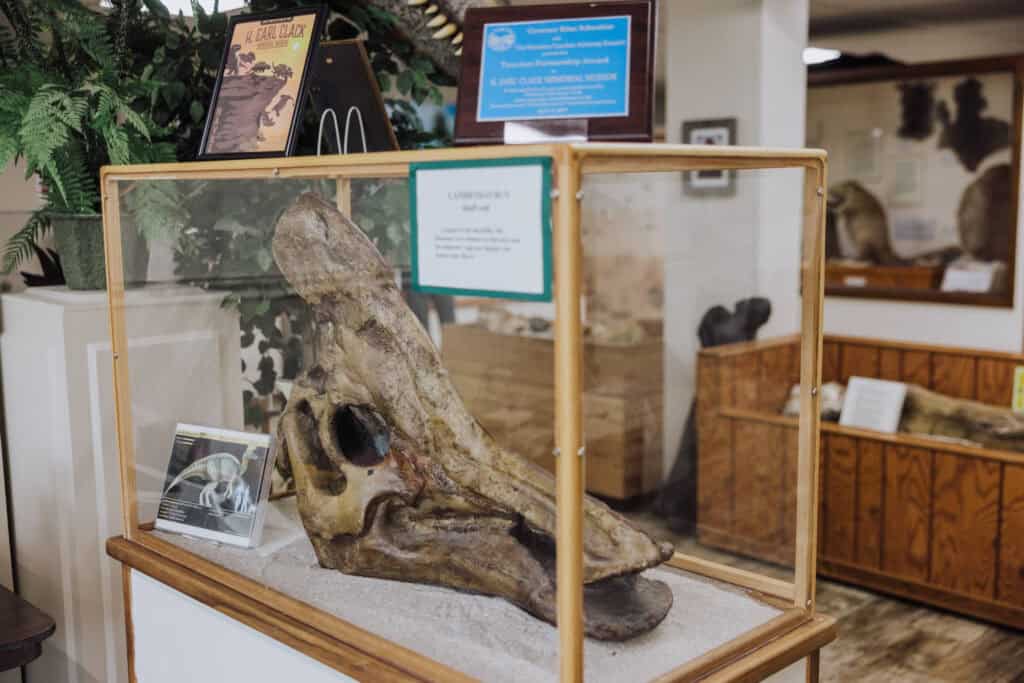
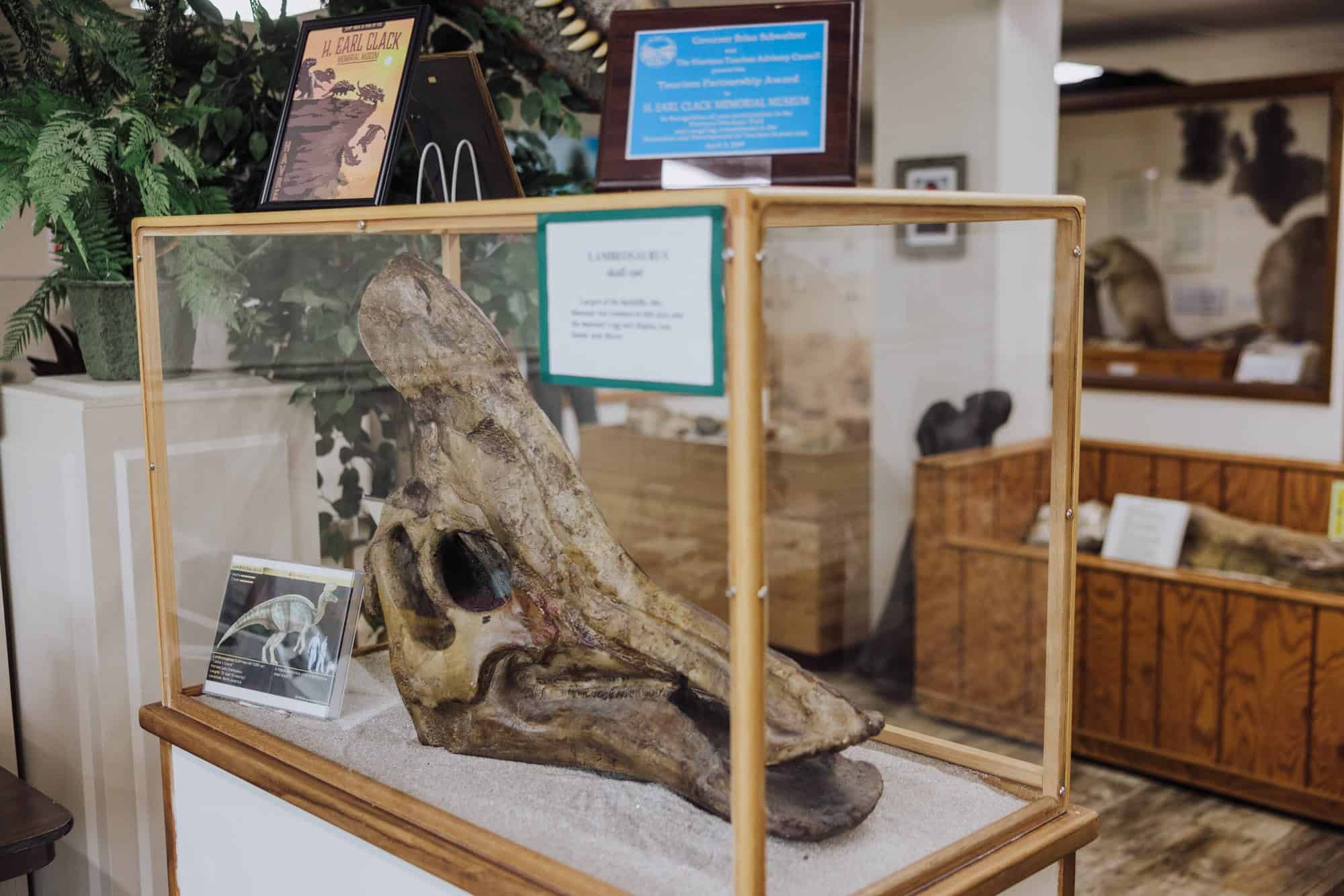
The museum also has a large skull cast of a Lambeosaurus, the largest of the duckbills, which was common in the area.
Local & Native American History
This is where many of the artifacts from the Wahkpa Chu’gn buffalo jump are on display, including arrowheads and traditional beadwork.
You’ll also find more displays highlighting the Buffalo Soldiers and Fort Assinniboine.
Hiking Trails & Fishing Near Havre
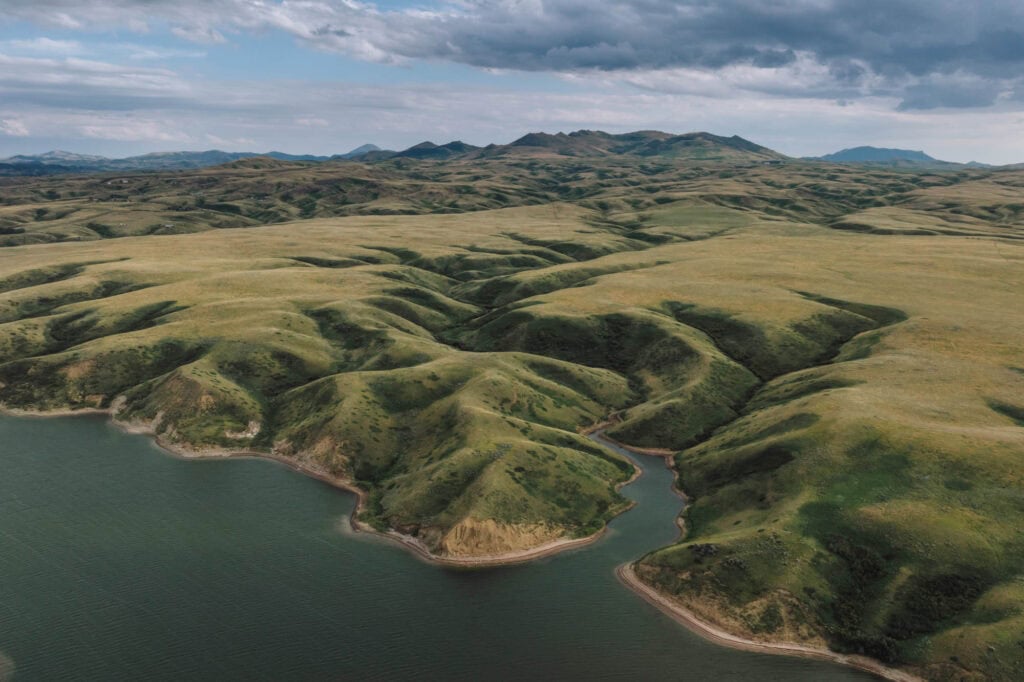
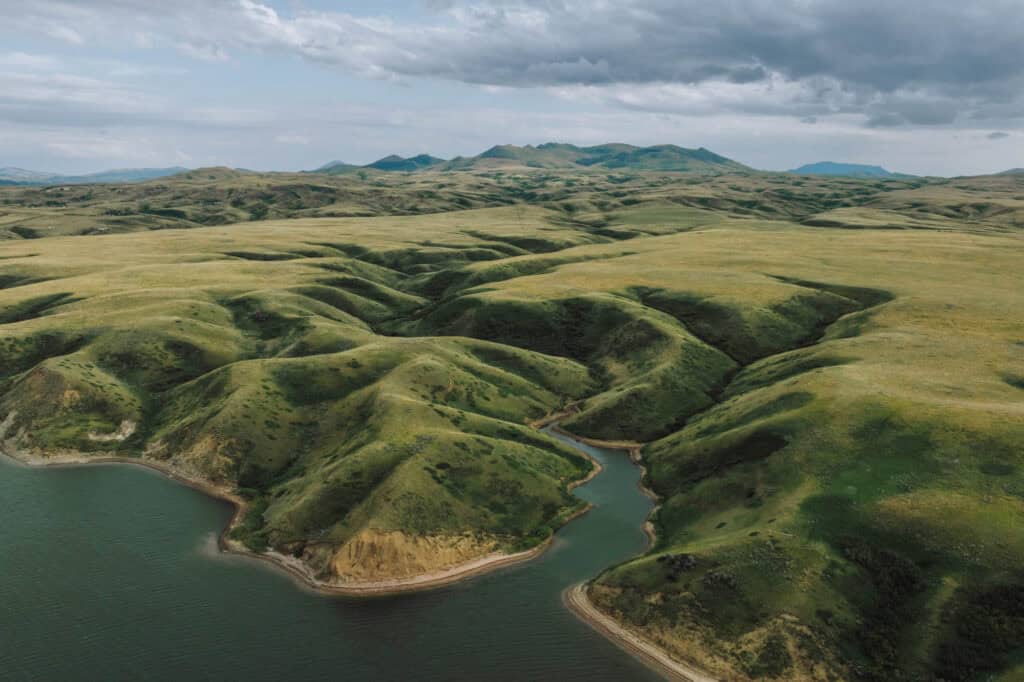
I really was unaware of all of the hiking, camping, and fishing options around Havre.
Judging by the very few people we saw on the trails and around the lakes, this is a very pretty part of Central Montana where you can really enjoy the beauty, along with some peace and quiet!

Don’t get me wrong: for me, there’s nothing more awesome than the views in Glacier National Park. But those views come with crowds, permits, and more of an overall hassle. Worth it? Yes. But if you’re looking for an alternate hiking spot, there are plenty of others around Montana, including the Bear Paw Mountains near Havre.
Bullhook Butte Hiking Area
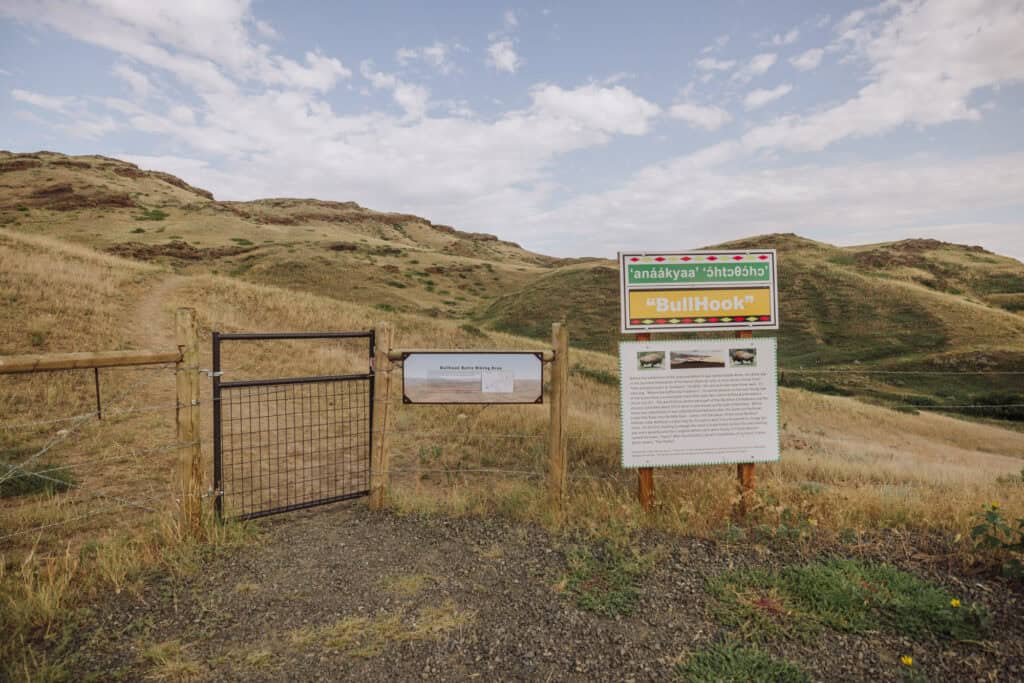
Bullhook Butte, taken from Havre’s original name, is 5 miles outside of town.
It’s a 1.8-mile loop, which is moderate and accessible for most hikers.
Beaver Creek Park
Around 15 miles south of Havre is Beaver Creek Park. It’s the largest county park in the country!
Beaver Creek Park stretches 17 miles, and is full of fishing, camping, and hiking opportunities.
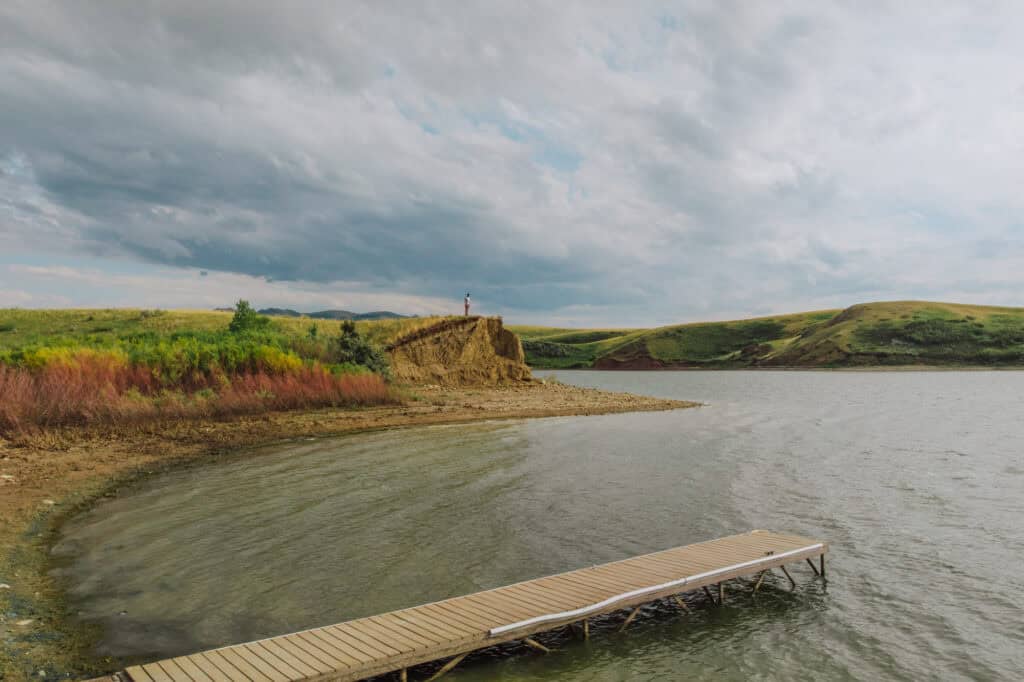
A park permit is required to visit. The single-day permits are $15, and can be purchased online, at the park office, or at several stores in Havre.
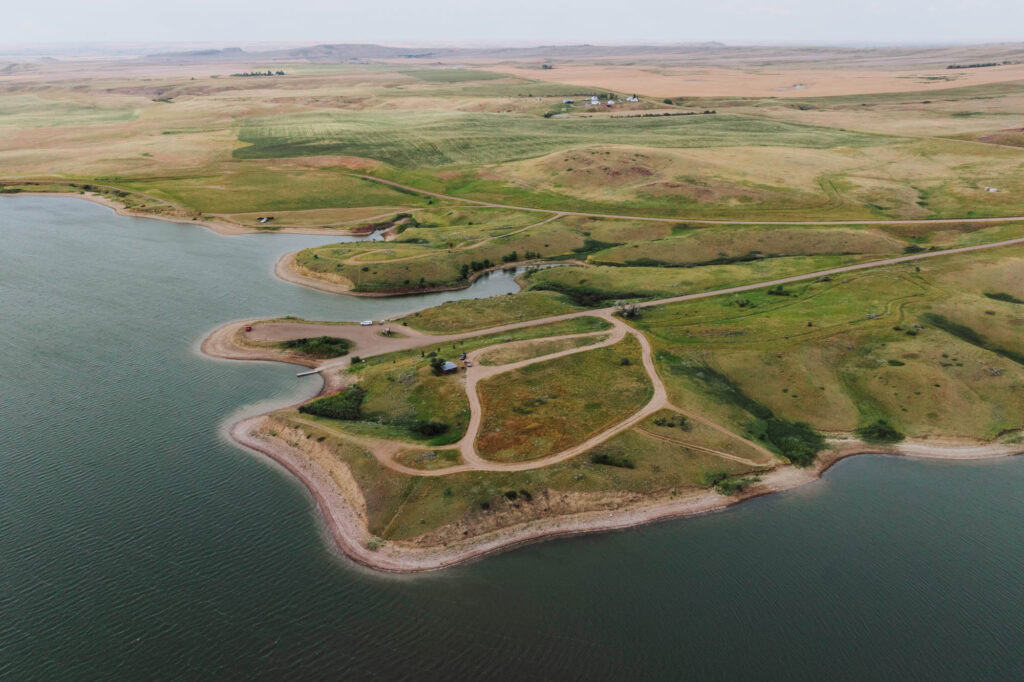
Bearpaw Lake
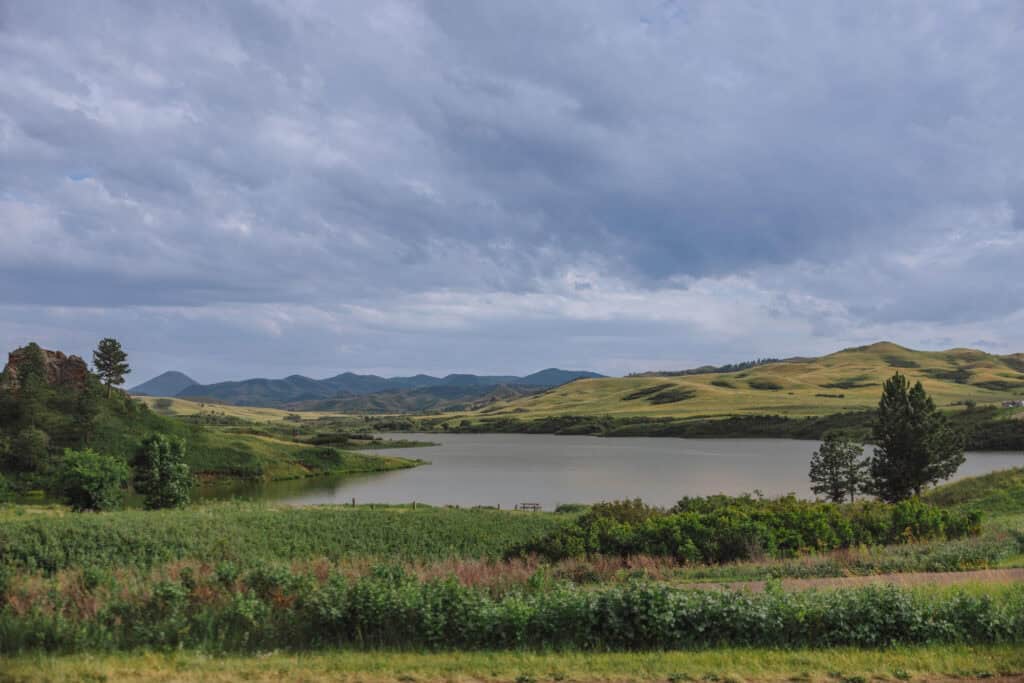
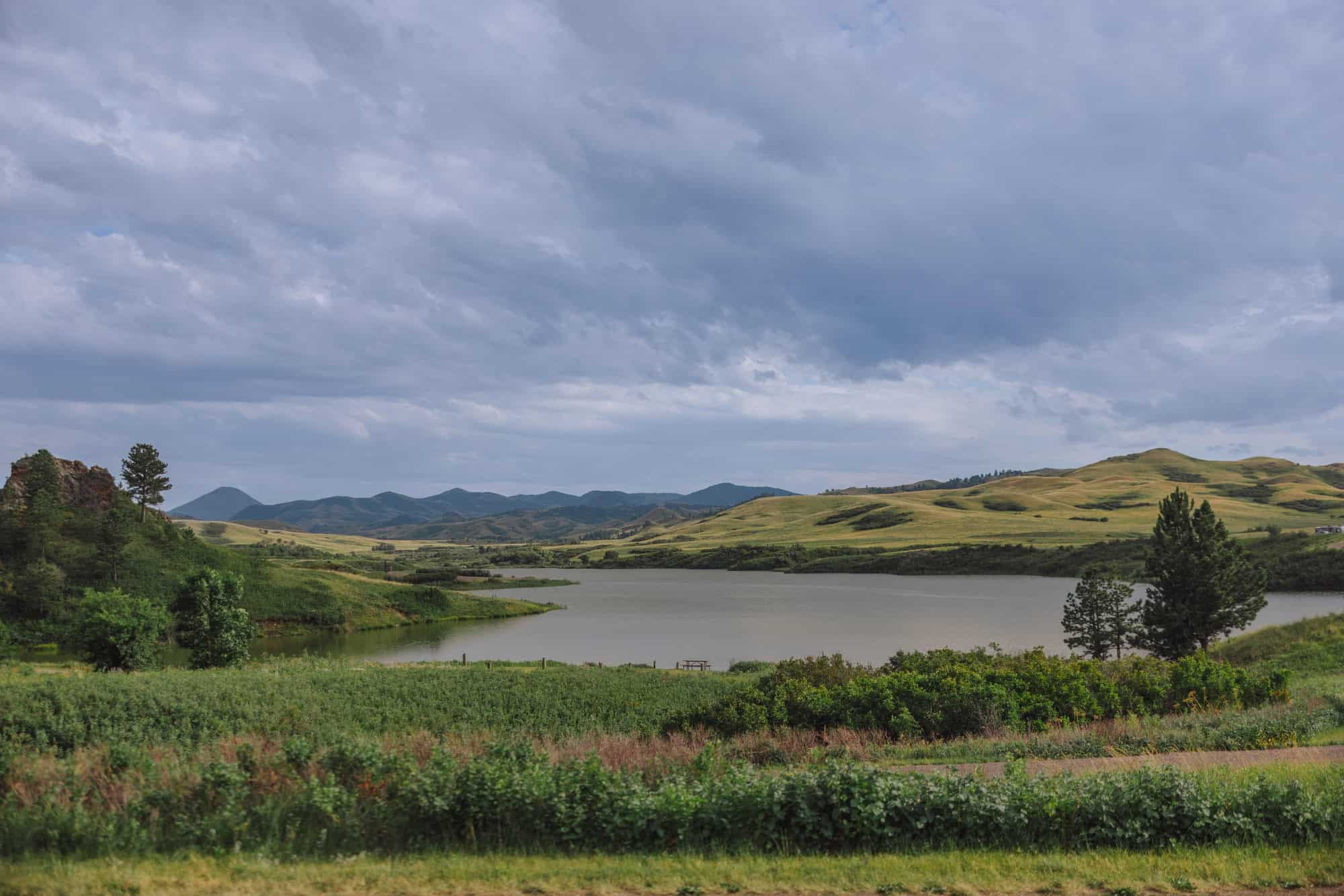
Bearpaw Lake is one of two lakes in Beaver Creek Park, stocked with trout, bass, pike, and walleye.
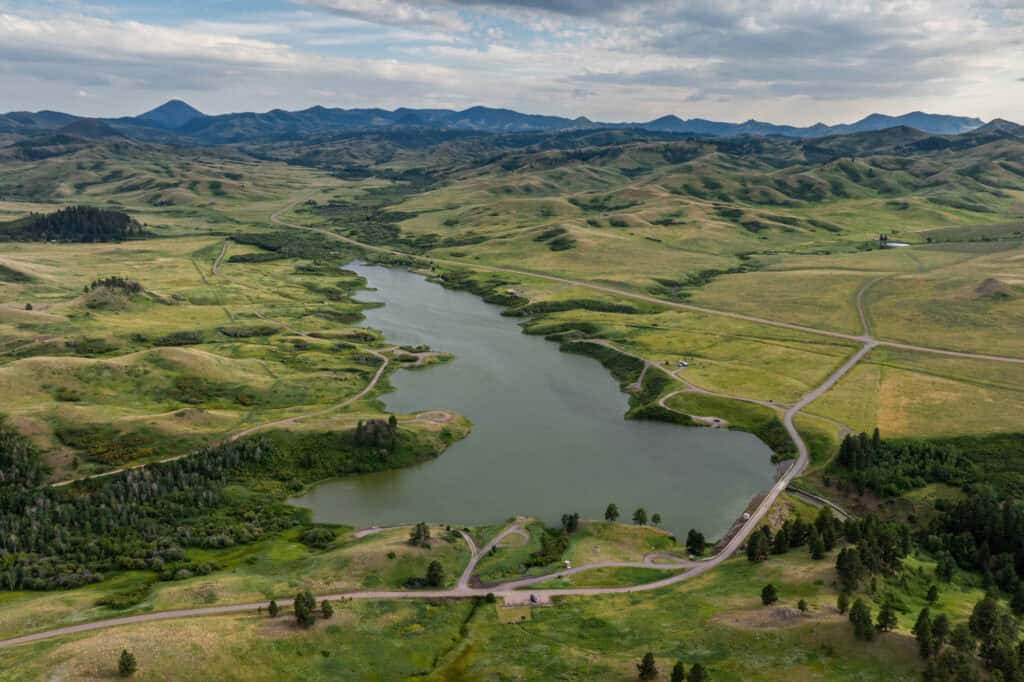
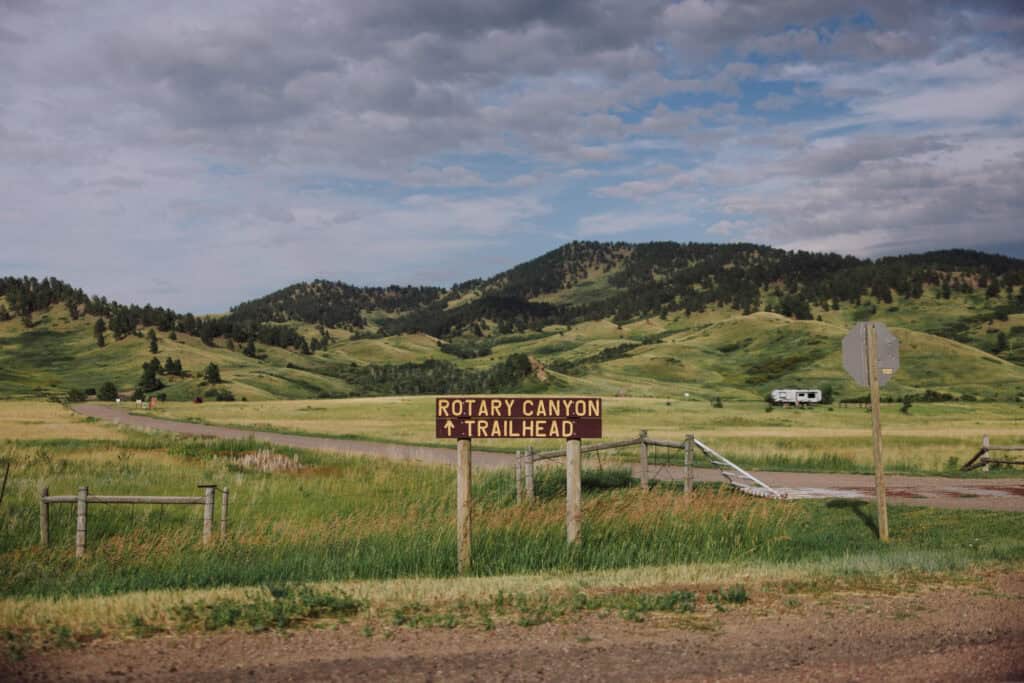
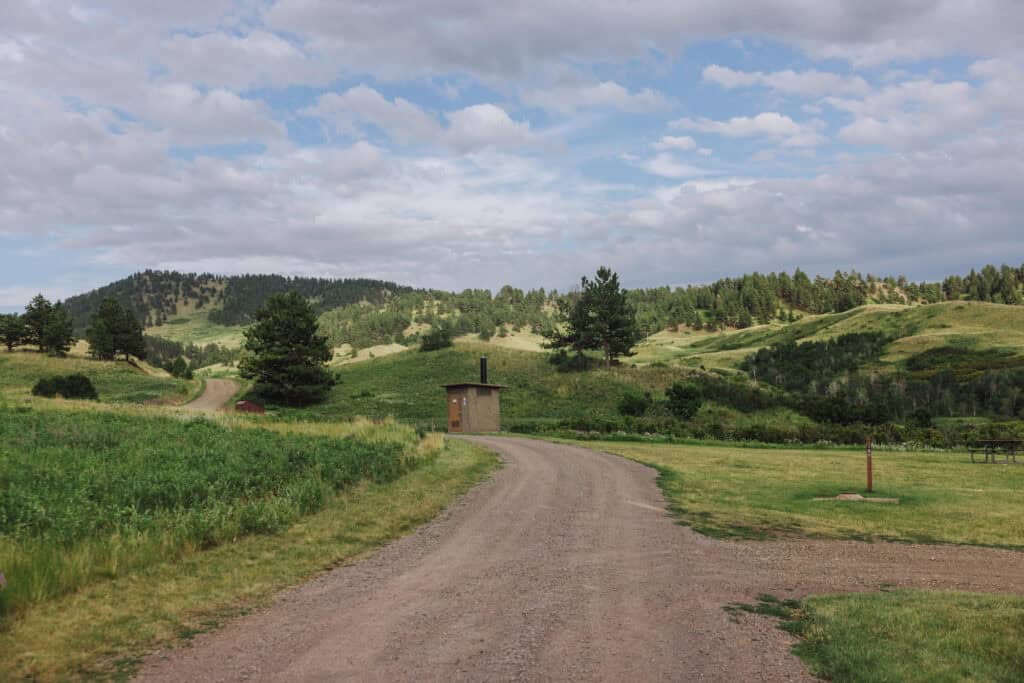
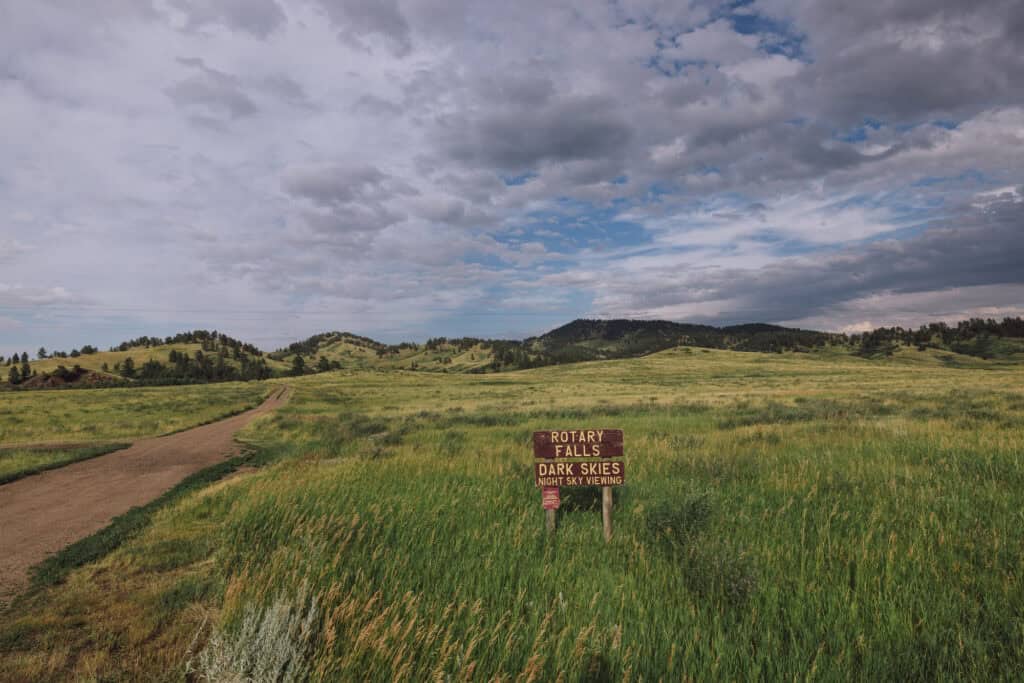
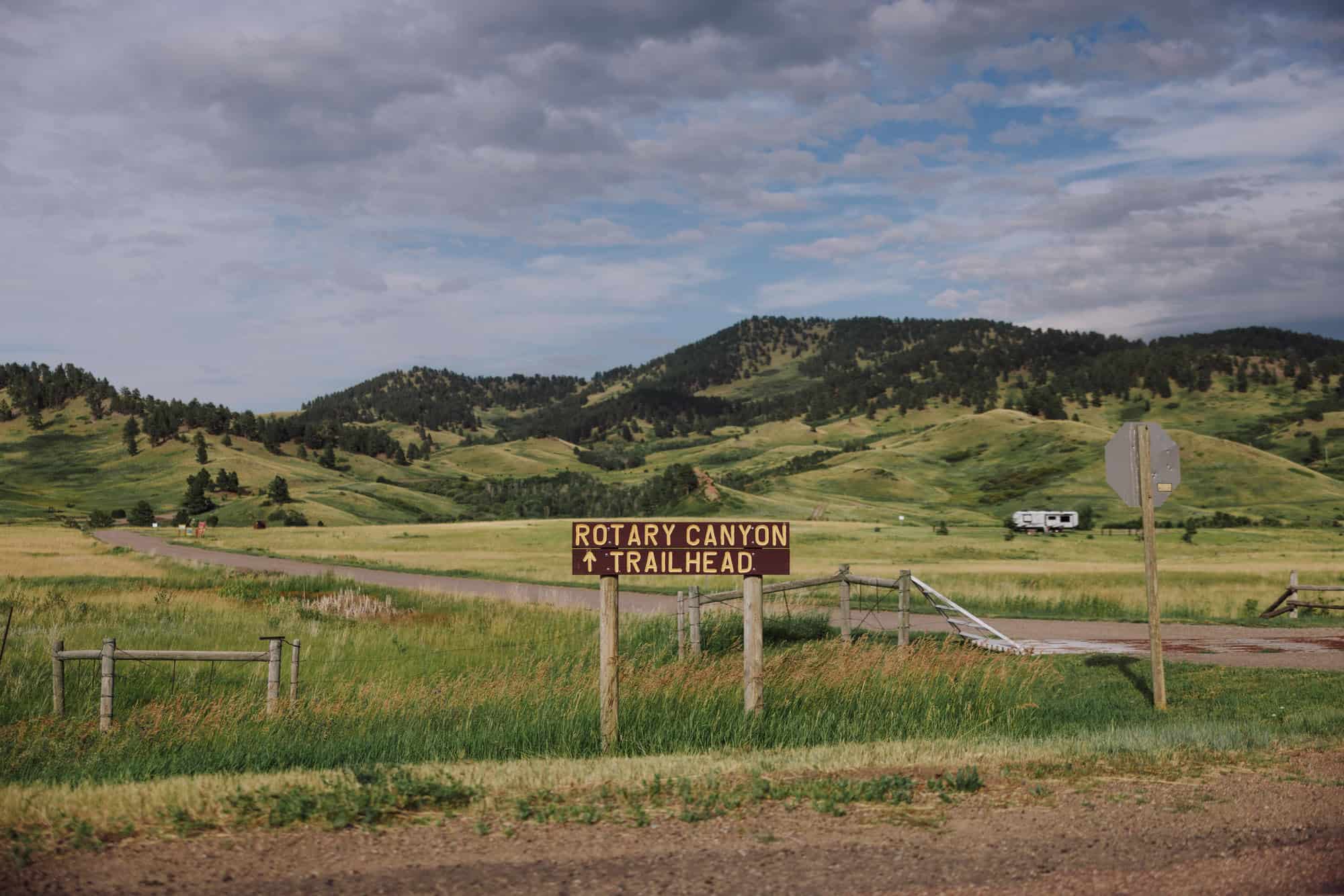
Plus, there are two hiking loops at the Rotary Canyon Trailhead.
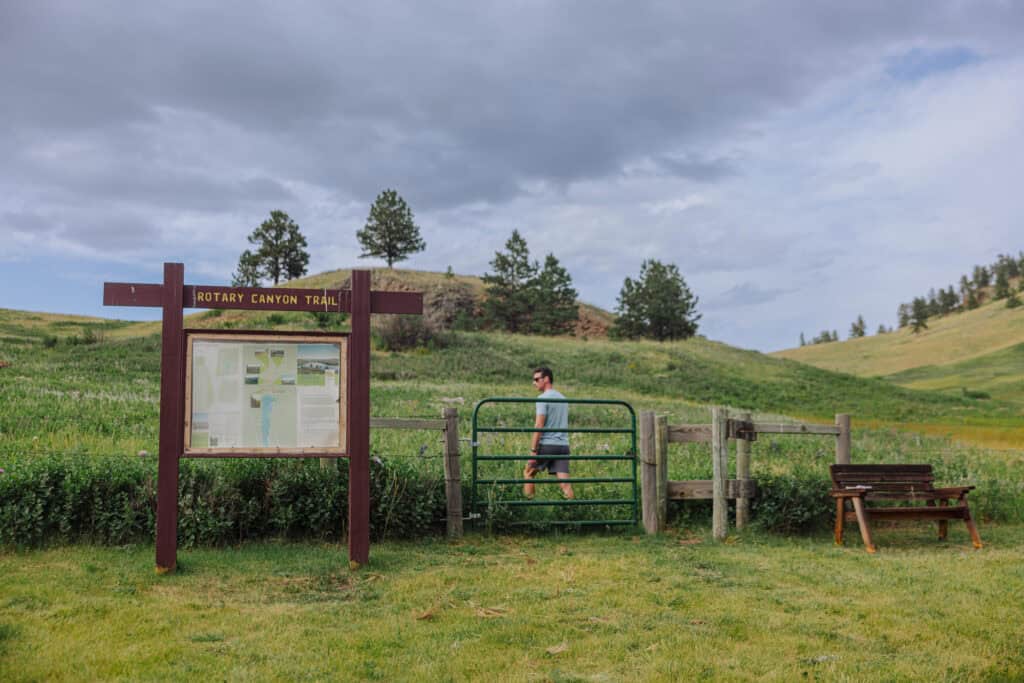
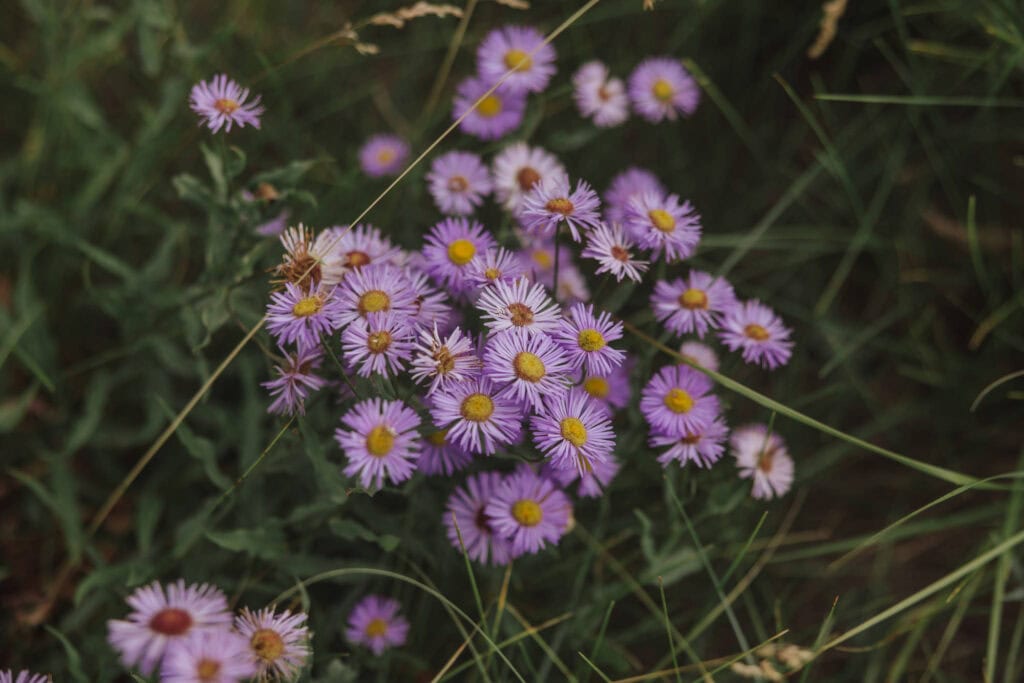
In June, the fields are full of wildflowers here. We just missed the peak!
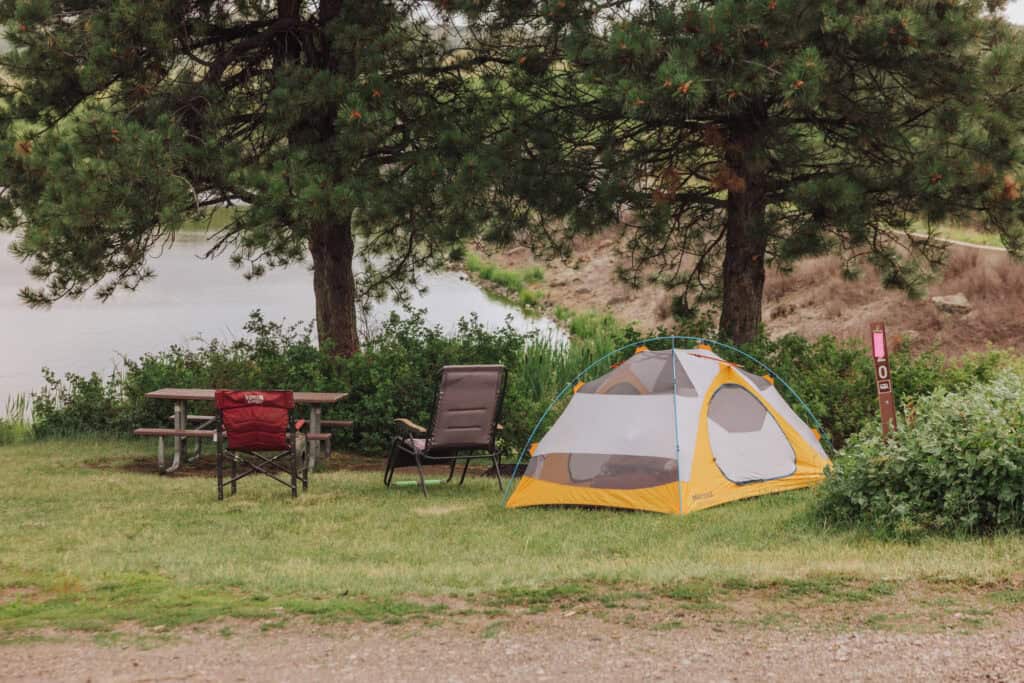
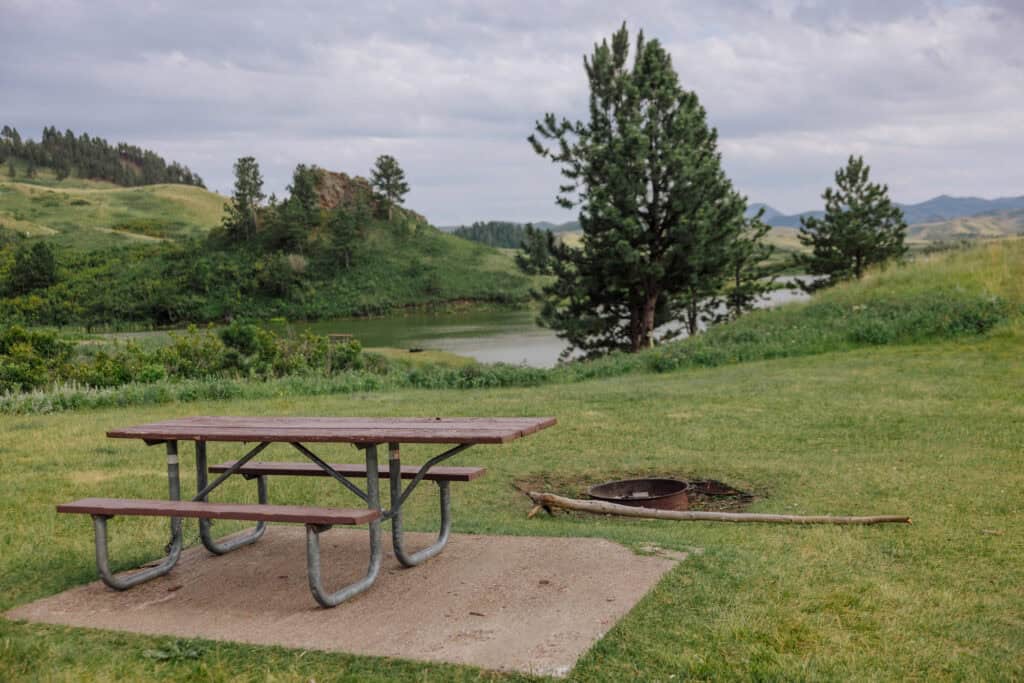
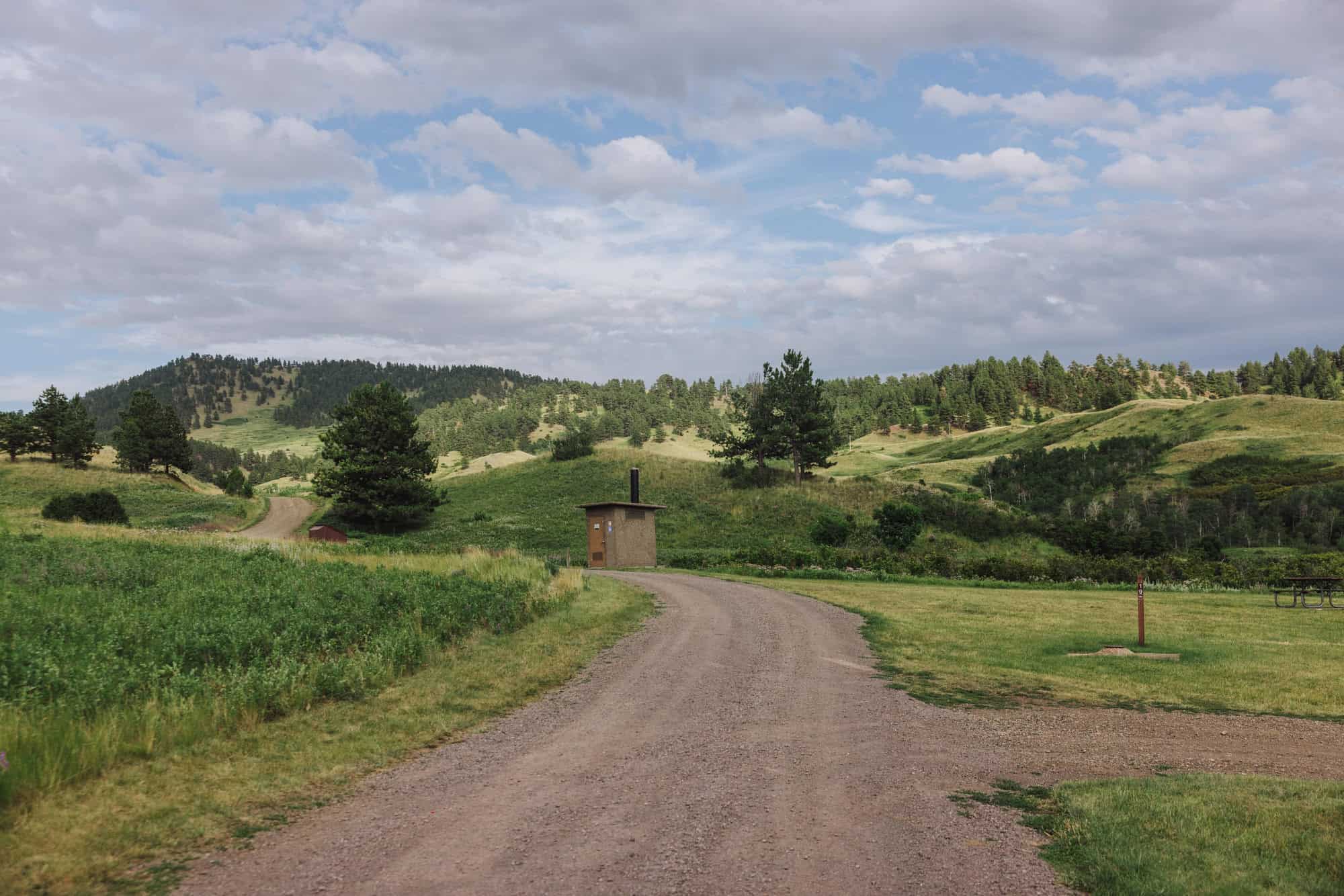
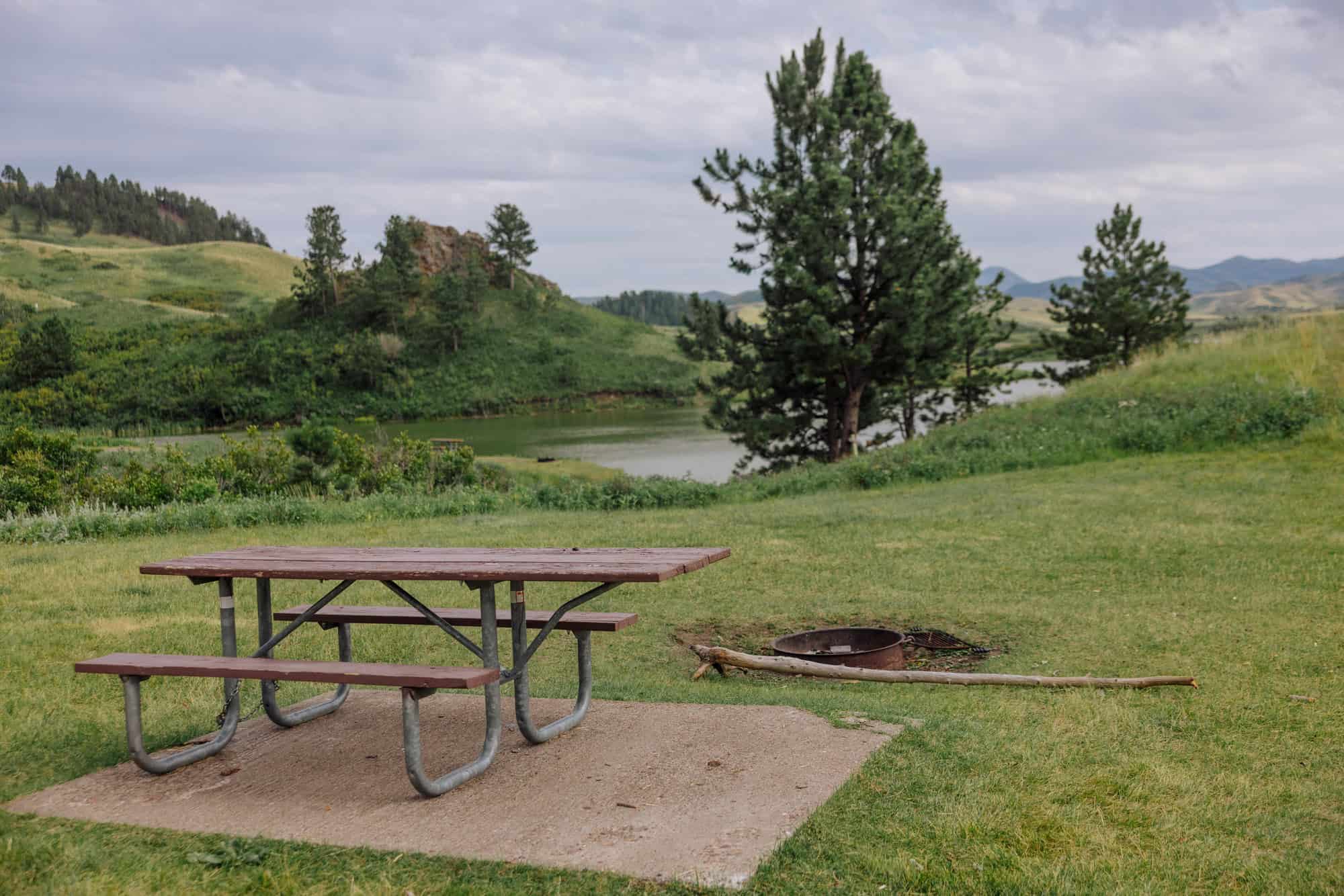
Bearpaw Lake is also a great camping destination.
More Camping
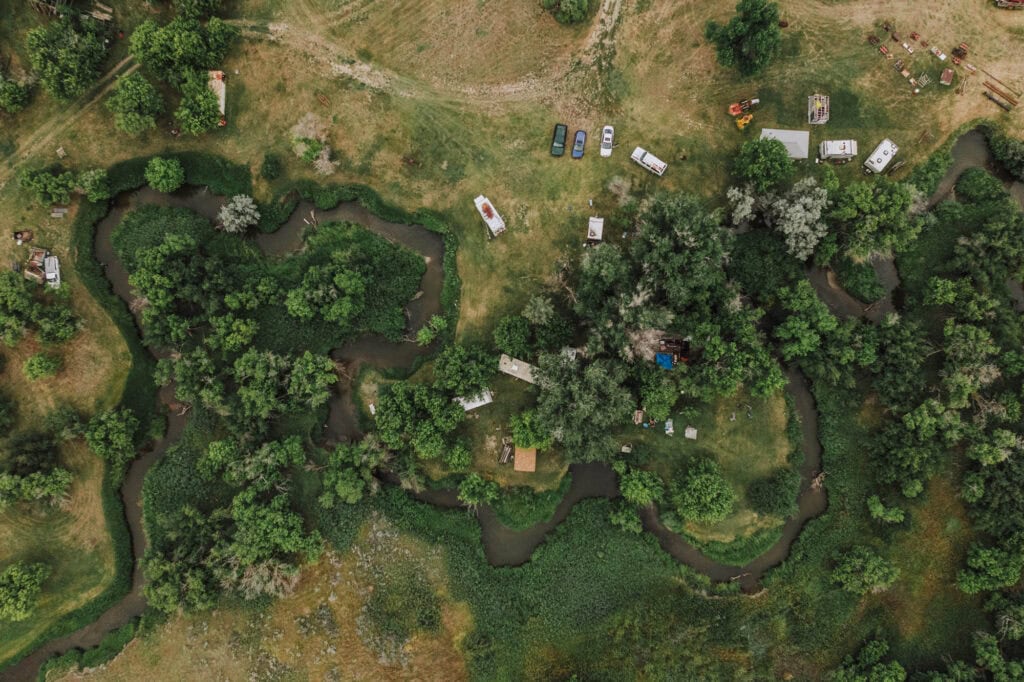
Just south of Havre on Highway 87, the Evergreen Campground is along a windy stretch of Beaver Creek. I loved this aerial photo of the campground, showing all the shaded spots to camp in:
Triple Dog Brewing: Havre’s Hometown Brewery
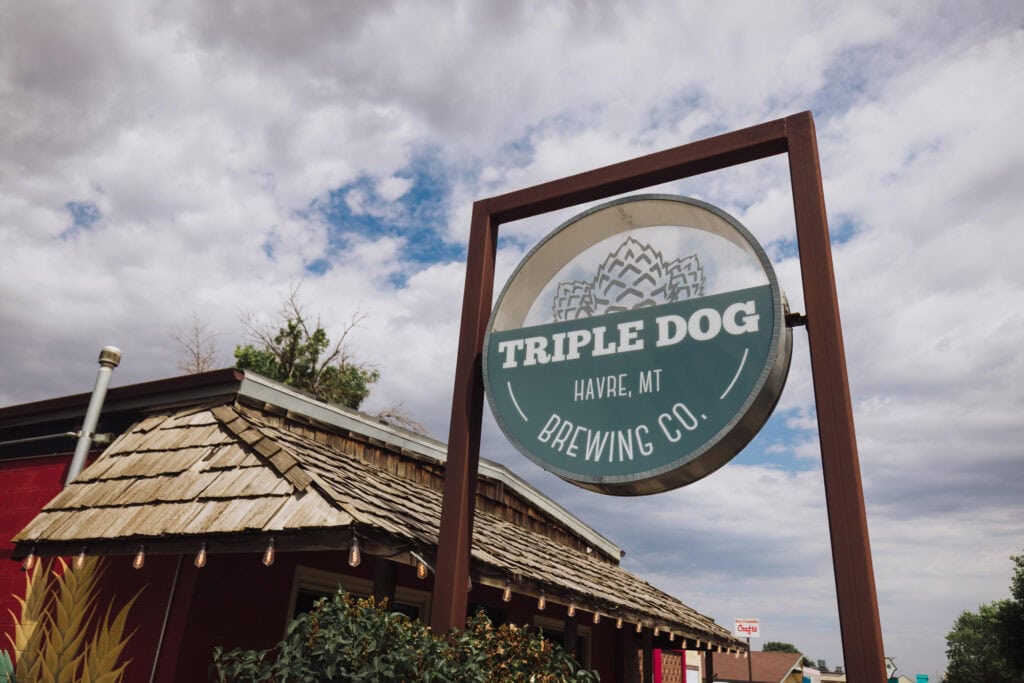
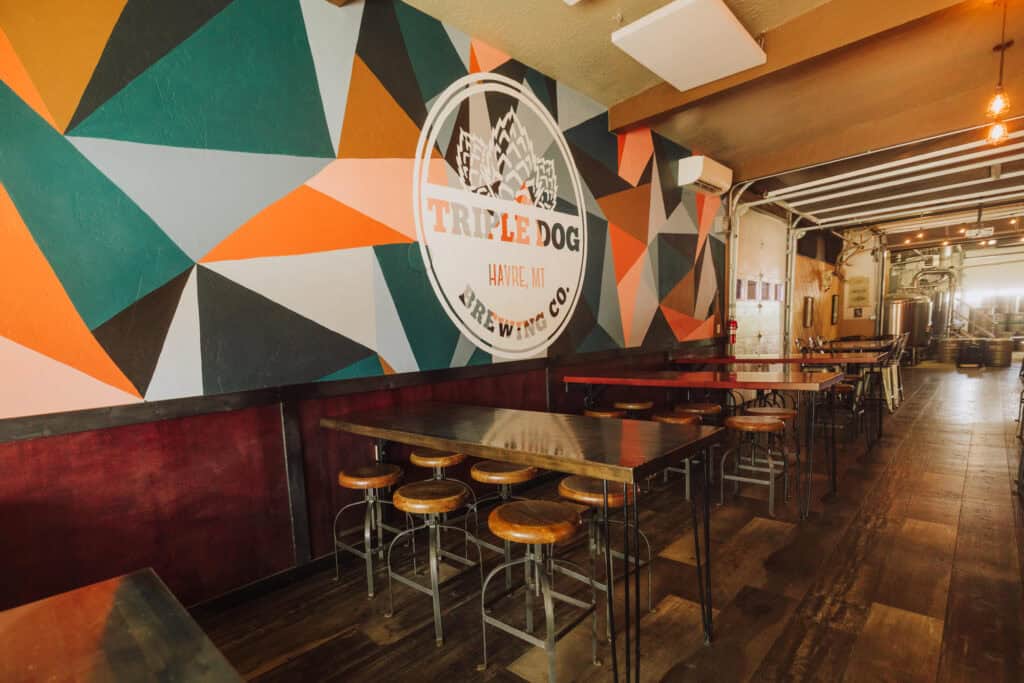
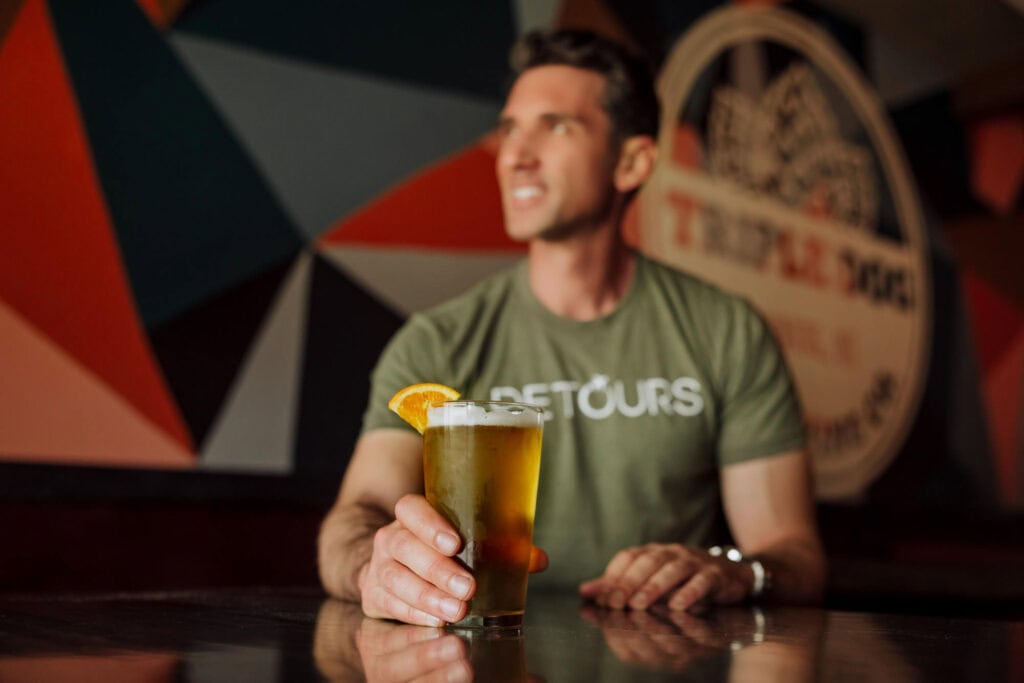
We had a great time at Triple Dog Brewing in Havre.
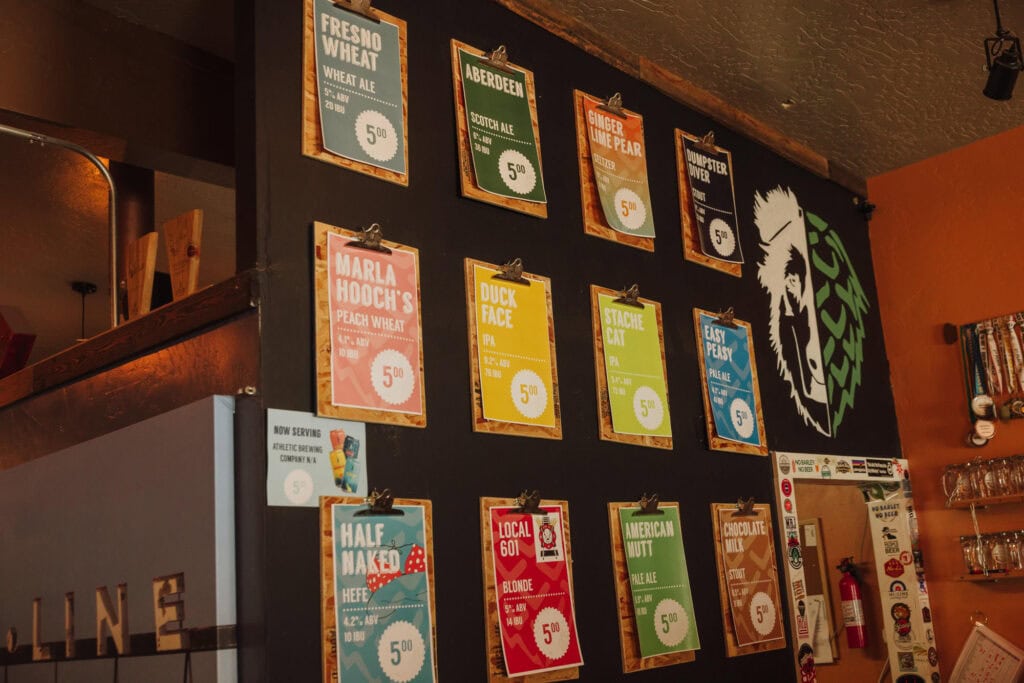
They had a dozen beers on tap, from pale ales to stouts to IPAs. They go for $5 a pint.
The bartender says the Fresno Wheat, a wheat ale as you’d expect, is the most popular.
There’s no food, but plenty of bar space to spread out inside.
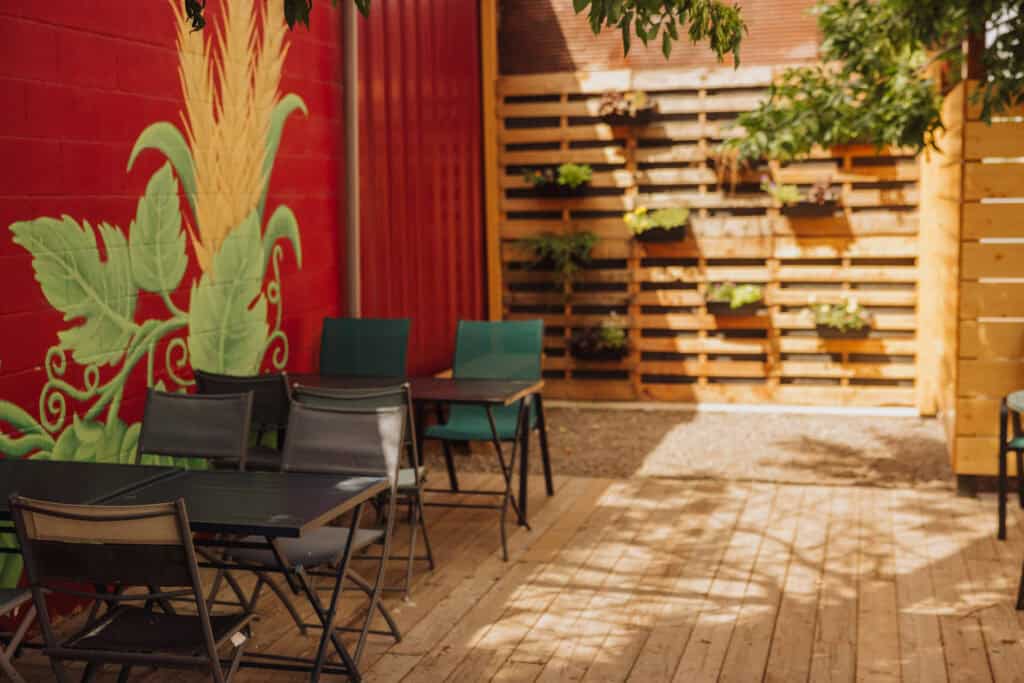
Triple Dog also has a nice outdoor beer garden if the weather’s nice.
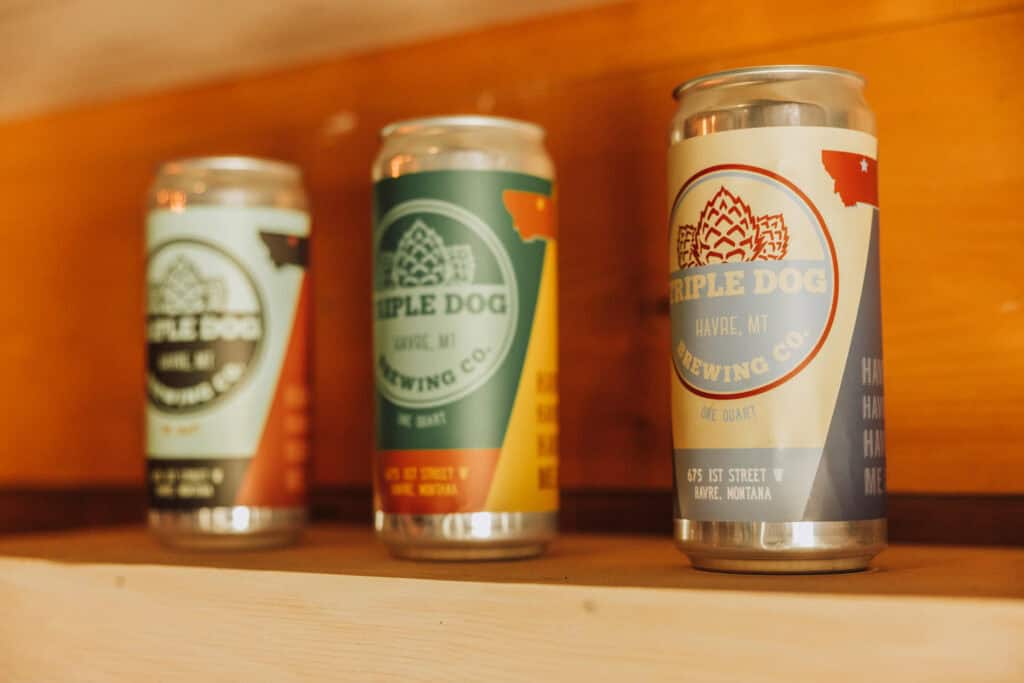
You can also take home a growler of your favorite brew.
Triple Dog Brewing is open in the evenings Monday through Friday, from 4-9pm. They’re open 2-9pm on weekends.
More Restaurants in Havre
Havre’s restaurants include a mix of old and new.
The Palace Bar
After our underground tour, we walked around the corner to the Palace Bar.
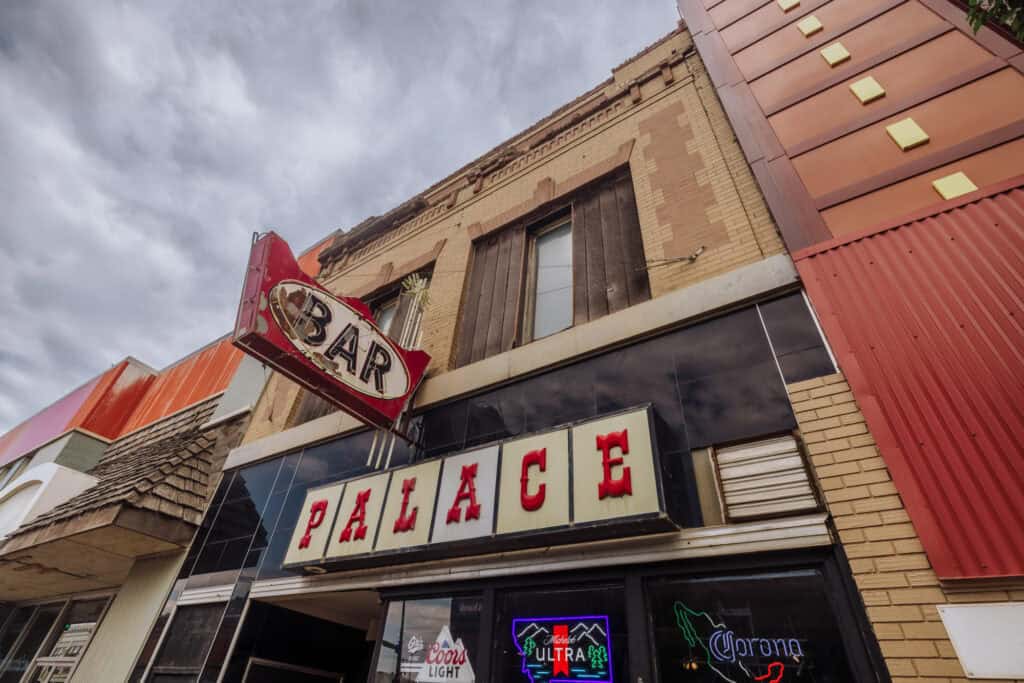
The friendly bartender showed us a few parts of the bar that have survived a century.
The ceiling tiles and back bar are originals. The bar, complete with ornate carvings, stands floor-to-ceiling.
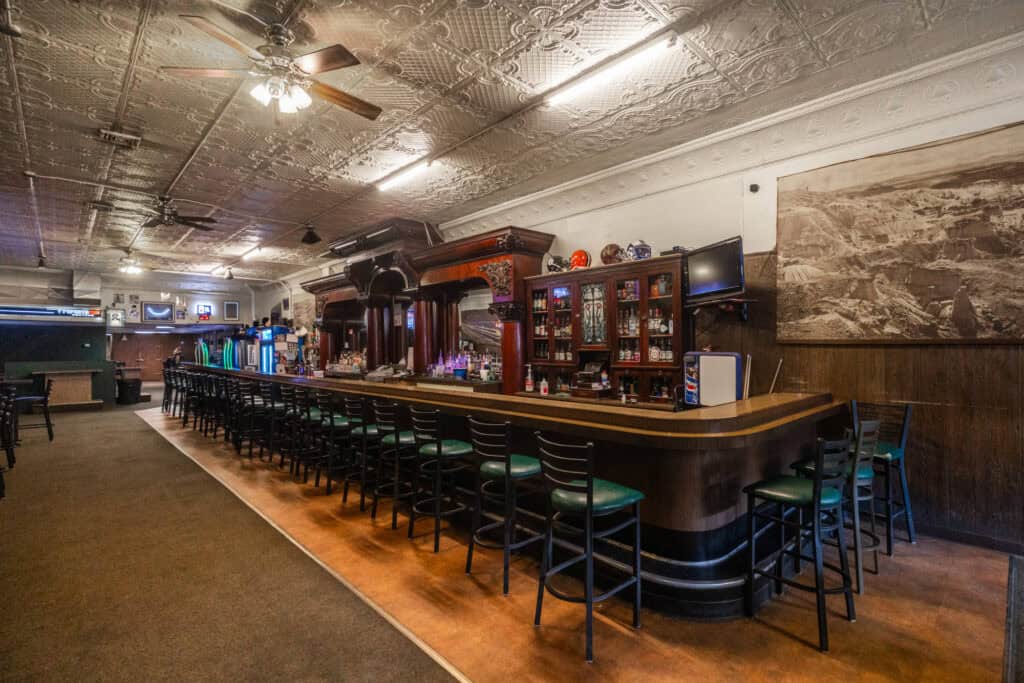
In fact, they say it’s the oldest back bar in Montana, dating back to its carving in 1903.
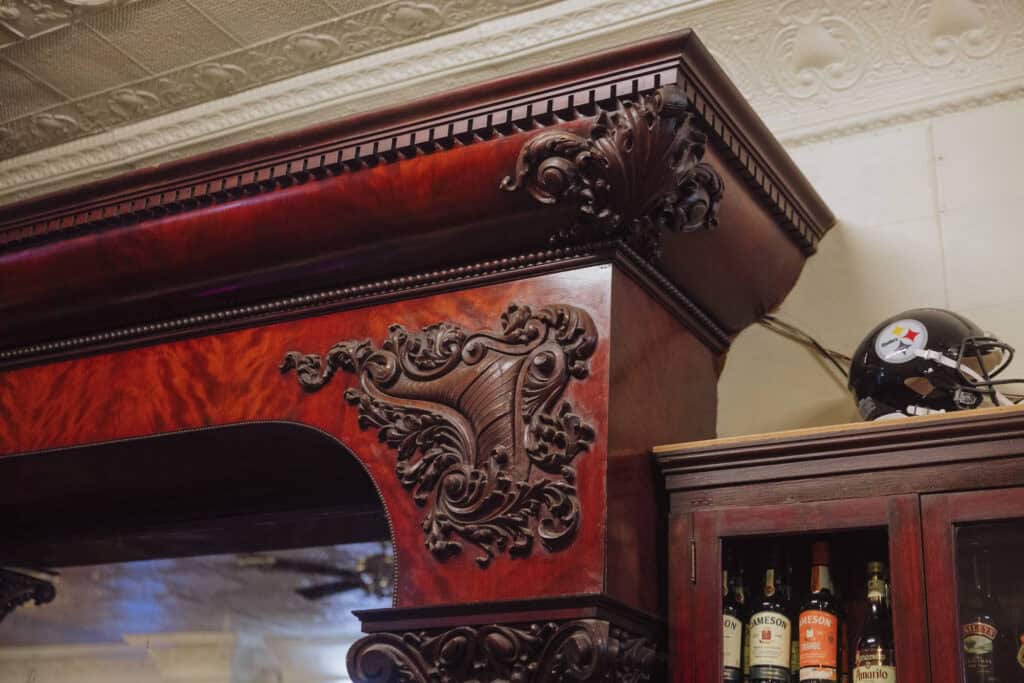
A riverboat brought it all the way to Chinook (20 miles east of Havre). After Prohibition turned Montana “dry,” the bar was moved to the Palace Bar in Havre.
Wild Fig
The Wild Fig gets high marks for its ambiance and wines, along with its charcuterie boards and other small plates.
Bow and Marrow
The Bow and Marrow is a modern steakhouse in Havre, featuring a lot of locally-sourced ingredients.
It’s a beautifully designed restaurant inside, and they serve the steaks, burgers, pastas, and cocktails you’d expect
Plus, I love that the kitchen is open late! They open at 4:30pm and serve until 10:00pm and 11:00pm on Fridays and Saturdays.
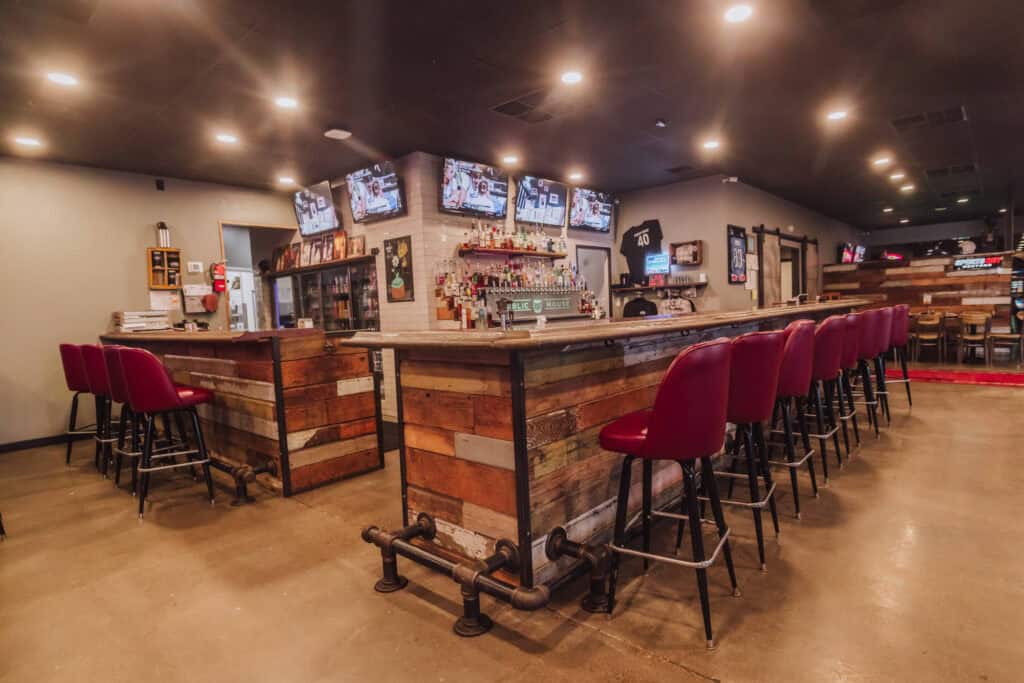
40 Below
40 Below is a sports bar, with wings and burgers, plus a friendly staff.
How Havre Got Its Name
Havre, Montana, is named after Le Havre, France. It’s a port town on the northern coast.
When the town was founded in the 1800s as a hub for the Great Northern Railway, it was originally called Bullhook Bottoms.
It was replaced by “Havre” in 1893, which translates to “harbor” or “haven” in French, symbolizing a place to rest.
The parents of one of the original settlers were from Le Havre, so he made the proposal. It’s also said that the town leaders were looking for something more sophisticated than “Bullhook Bottoms” to appease a wealthy rail baron and convince him to build a station in the city. It worked.
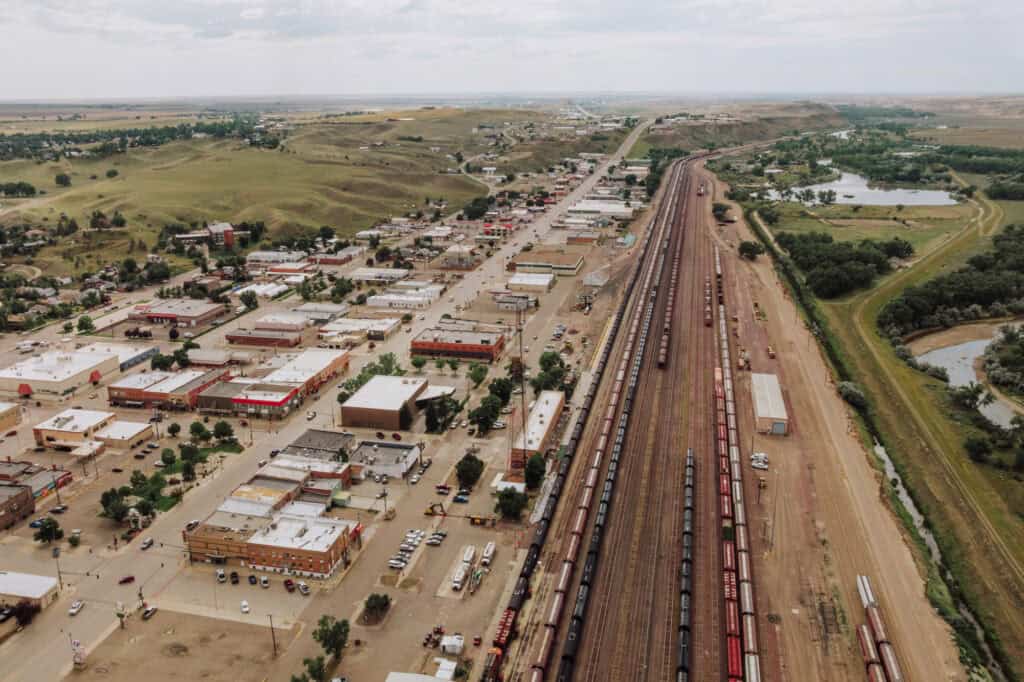
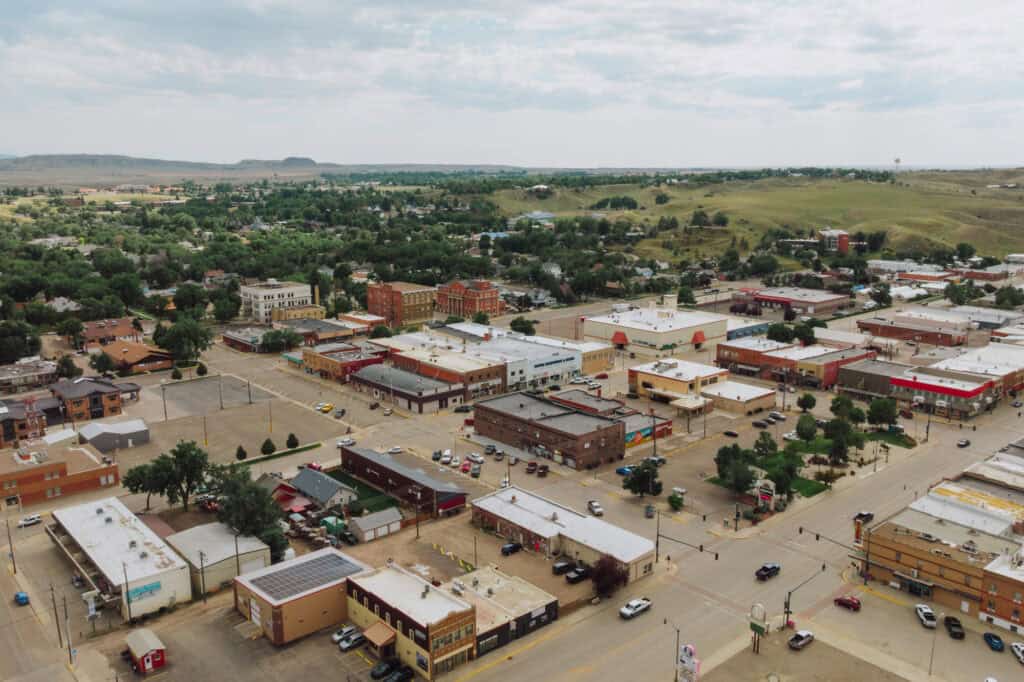
More Photos of Havre, Montana
More Things to Do in Central Montana
Within an easy drive of Havre, you’ll have more hiking opportunities around the Bob Marshall Wilderness, including the Swift Dam and Reservoir. There are historic towns and hotels, like the Grand Union in Fort Benton, MT, and even dinosaur museums and digs in this part of the state!
