Small Town Charm in Montana: Dupuyer & Bynum
On the backroads of Montana, Dupuyer and Bynum are two small towns that are gateways to the Bob Marshall Wilderness, and also home to dinosaur digs that lure paleontologists from around the world.
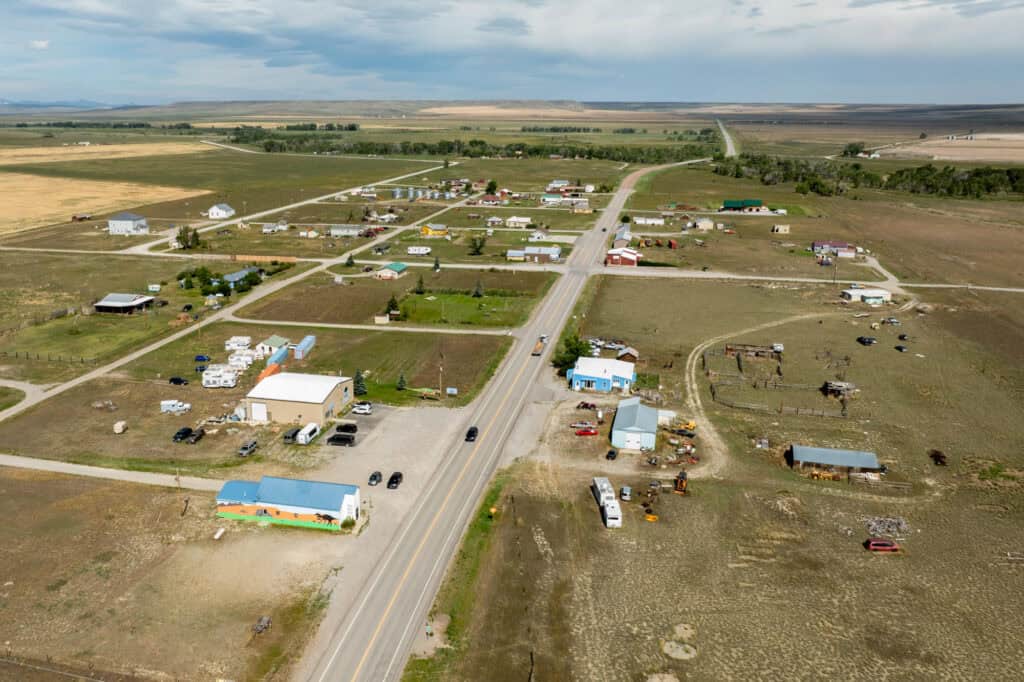
Dupuyer and Bynum are in Central Montana, with a clear view of the eastern front of the Rocky Mountains.
The east entrance of Glacier National Park is an hour north of Dupuyer, while Great Falls (with its own airport) is 90 minutes south.
Swift Dam & Reservoir
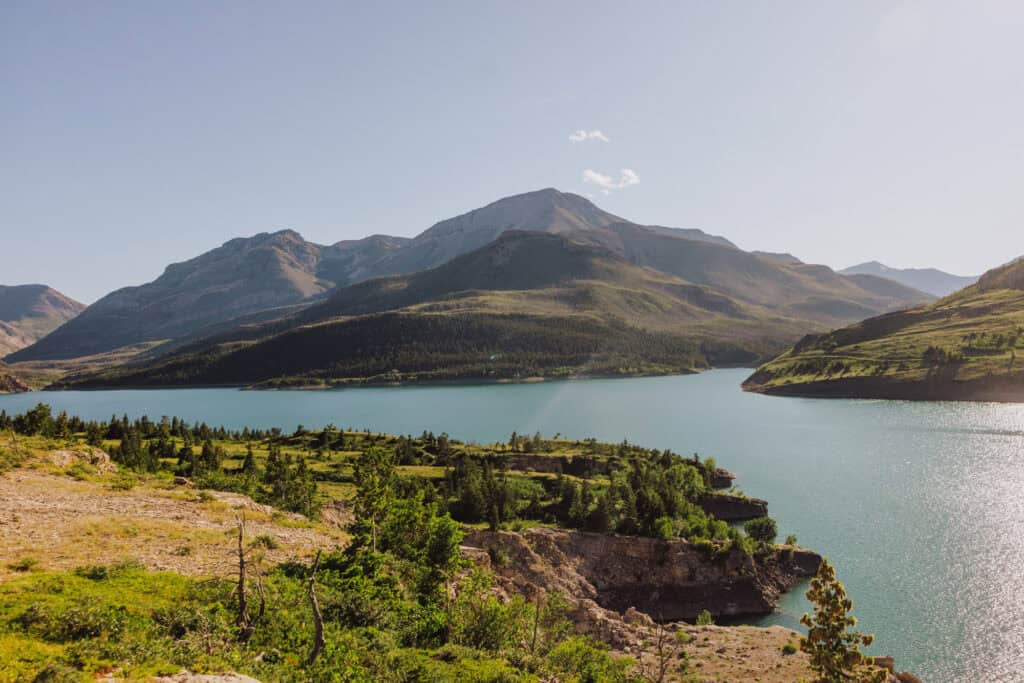
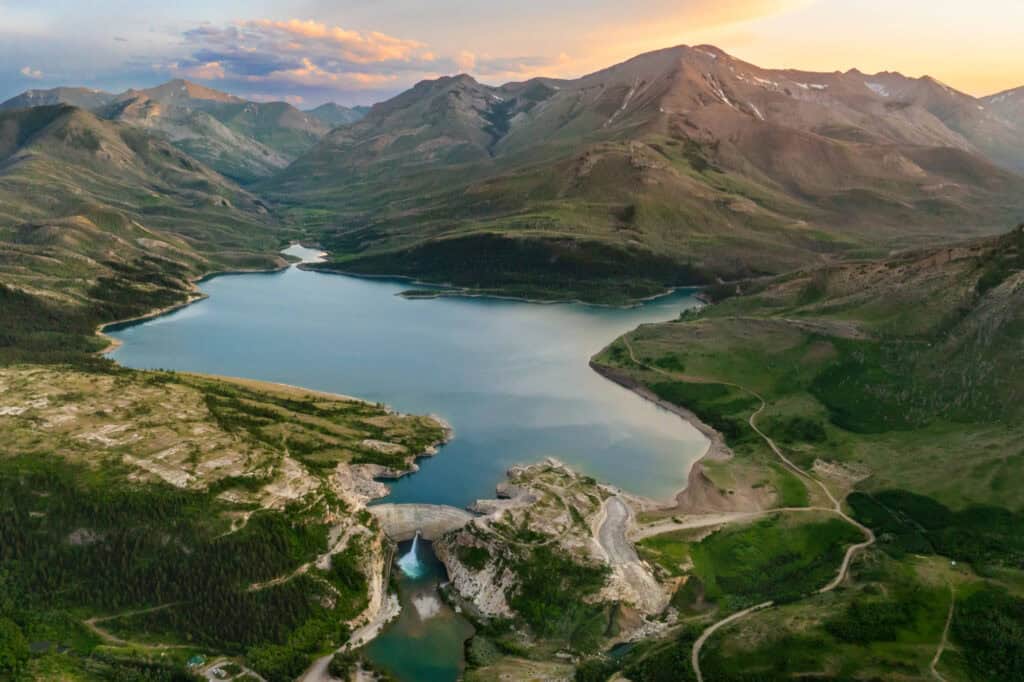
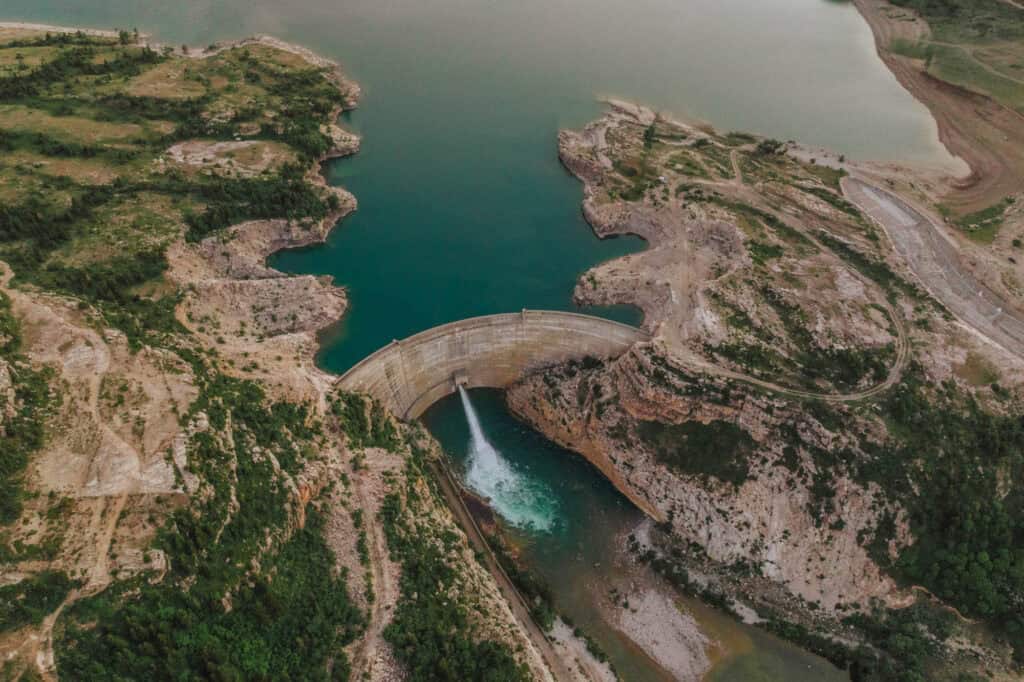
The Swift Reservoir and surrounding area near Swift Dam offer a beautiful, remote setting for outdoor recreation along Montana’s Rocky Mountain Front.
The mountain backdrop behind the reservoir is similar to some of the scenic views around the far more crowded Glacier National Park. It makes Swift Dam a great alternative for people visiting Great Falls who are looking for a quieter Montana experience.
A few things to note:
- Cell service is unreliable or nonexistent in the area.
- Spring and early summer can bring muddy roads and fast-flowing streams from storms and melt-off.
Swift Dam Trail
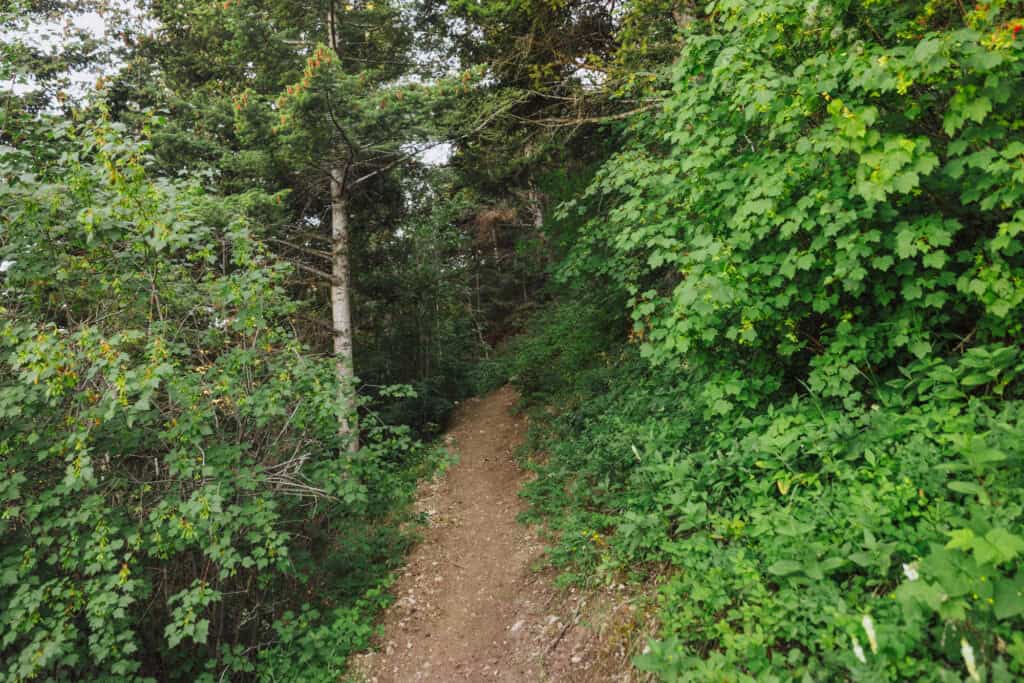
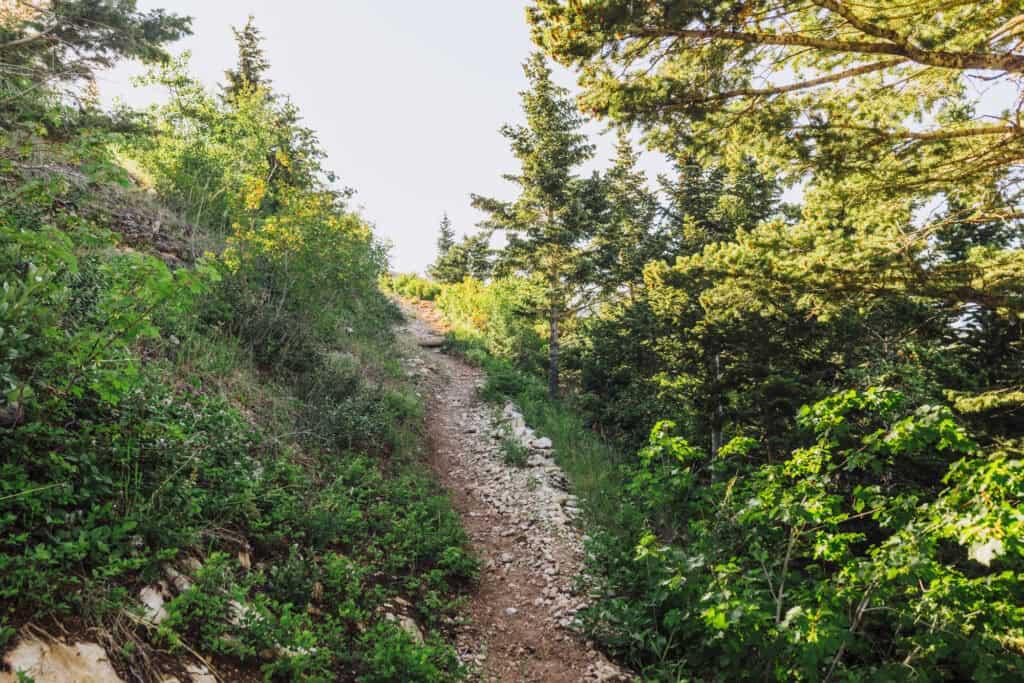
- Distance: 3 miles out-and-back to the dam, longer if you explore the lake.
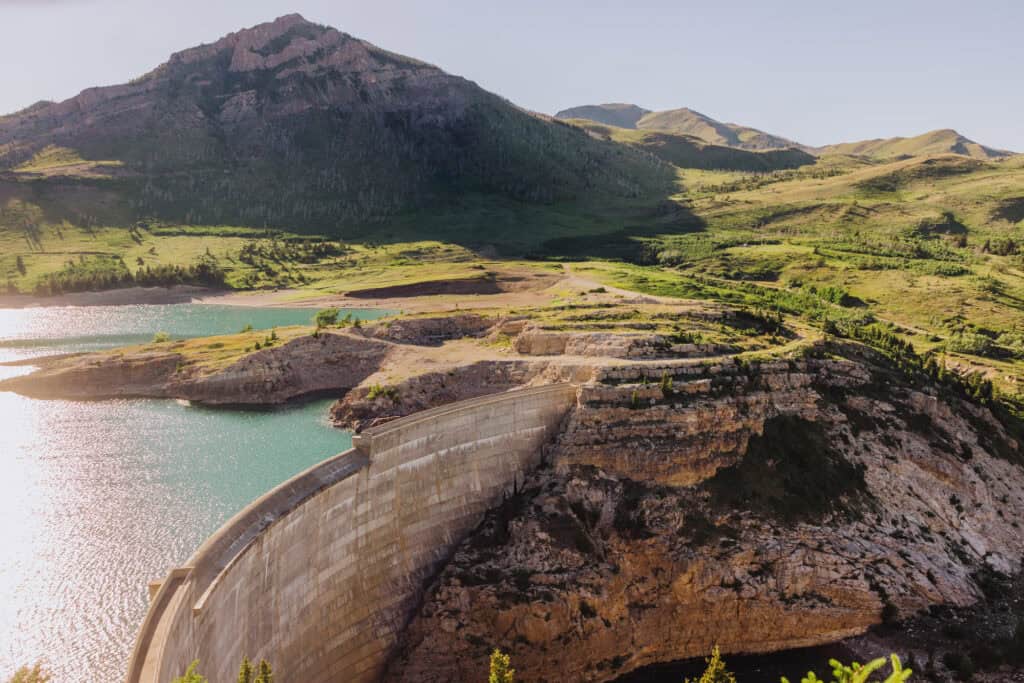
- Scenery: The trail follows Swift Creek and leads to impressive views of the concrete dam and the rugged cliffs behind it. Wildflowers bloom in the early summer!
- Trail Access: From Dupuyer, drive about 15 miles west on a gravel road.
Fishing in Montana
It’s primarily trout in the reservoir.
- Permits: You’ll need a Montana State fishing license.
- Where to Fish: Anglers cast from the shores of Swift Reservoir and in nearby Swift Creek and Birch Creek.
- You’ll find world-class fly fishing south of the area along the Missouri River, where hotels and rentals cater to anglers visiting from around the world.
Camping at Swift Dam
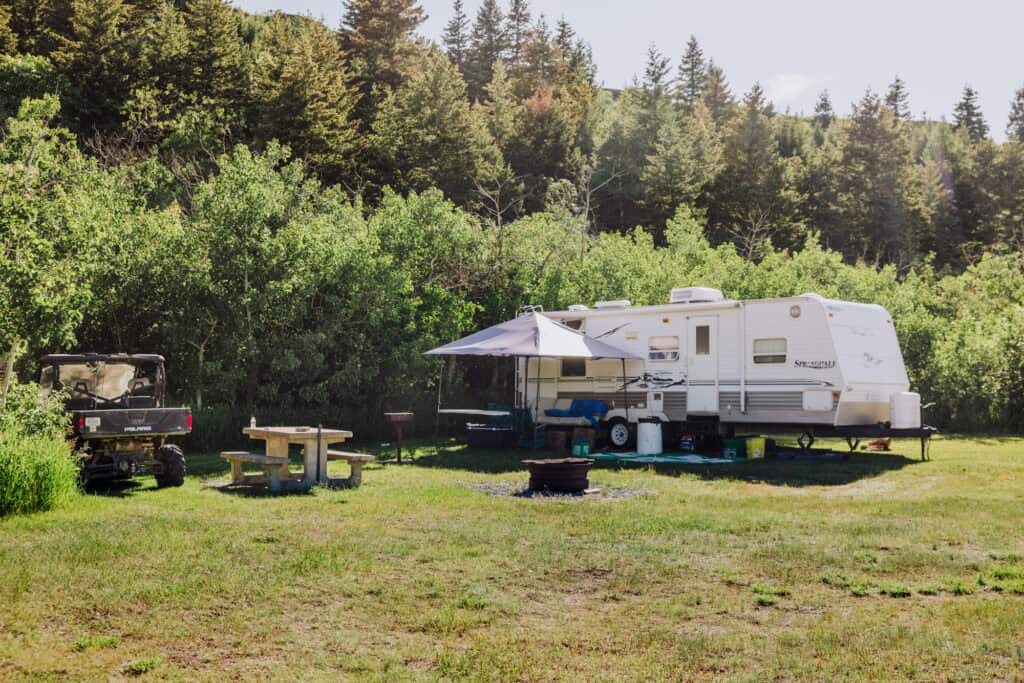
There are campsites adjacent to the dam, complete with picnic tables and BBQs. Additional facilities are minimal.
Horses are also allowed at the campsites and on the trail.
Wildlife
- Bighorn sheep, mule deer, elk, and black bears (carry bear spray!).
- Birdlife: Raptors, eagles, and waterfowl are often seen near the lake.
Brief History of Swift Dam
The first Swift Dam was an earth-filled embankment built between 1910 and 1914 on Birch Creek.
It held for 50 years, until June of 1964, when intense rain and snowmelt triggered massive flooding. The original dam was breached, sending a 30-foot wall of water downstream. At least 28 people on the Blackfeet Indian Reservation died.
A new concrete arch-gravity dam, 205 ft tall and 573 ft long, was built a few years later to contain Swift Reservoir.
Something else you’ll notice: the remains of a 2017 wildfire. Lightning sparked the Strawberry Fire, burning 30,000 acres of the surrounding forest.
Gateway to the Bob Marshall Wilderness
I’ll get more into “The Bob” in another post, but the Swift Dam is one of several gateways into one of the most remote wilderness areas in the continental United States. It covers over 1 million acres, and offers a raw, rugged backcountry experience for adventurous visitors seeking solitude, wildlife, and adventure.
- Location: Spans the Flathead National Forest and Lewis and Clark National Forest, just east of the Continental Divide, south of Glacier National Park.
- Named For: Bob Marshall, a forester, writer, and wilderness advocate who helped lay the groundwork for the U.S. wilderness movement in the 1930s.
- There are over 1,500 miles of trails, from easy creekside hikes to grueling high-mountain traverses.
The Montana Dinosaur Center
I mistakenly called this a museum, but as I found: it’s so much more!
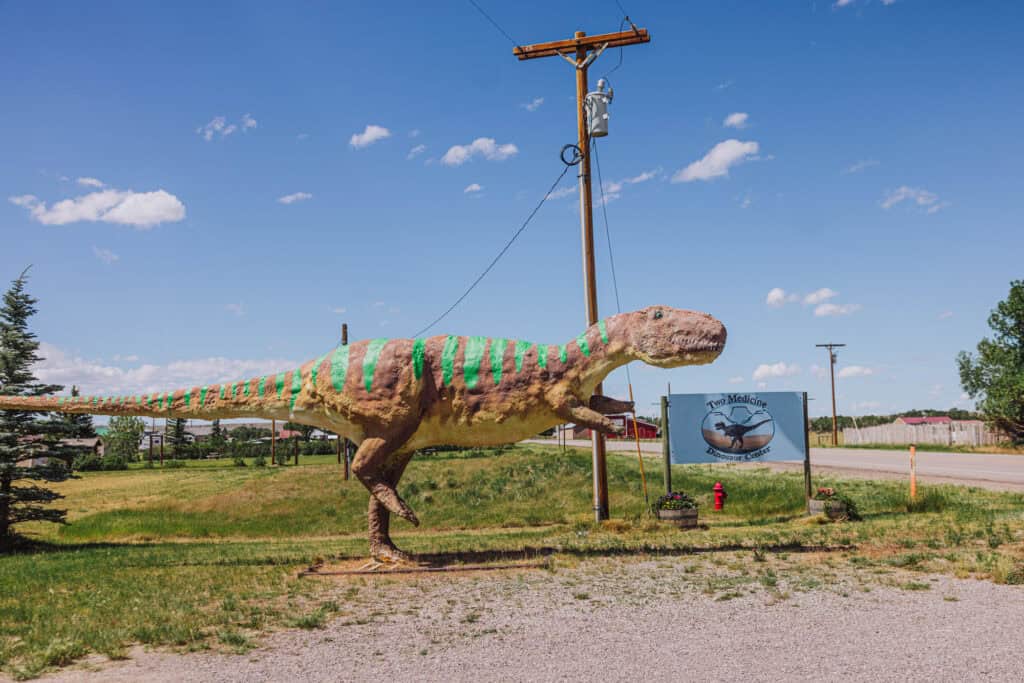
While a museum houses relics and historic finds, a visit to the Montana Dinosaur Center will land you right in the middle of ongoing dinosaur research and ongoing digs. It’s staffed by paleontologists who spend much of their time in the field at dig sites in Montana and across the country.
The Montana Dinosaur Center is in Bynum, a tiny town north of Great Falls. It was founded as a nonprofit in 1995 to combine public education and active research.
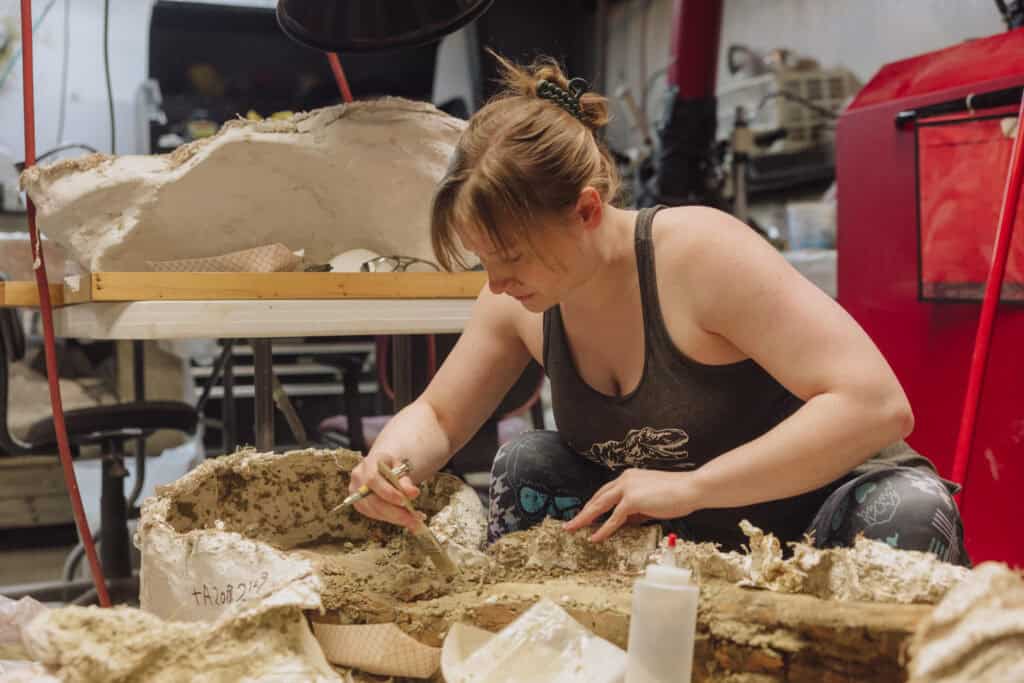
They offer a hands‑on experience in paleontology along Montana’s famous Two Medicine Formation, where teams are actively extracting, preserving, and researching dinosaur fossils.
Meet Seismo, the World-Record Holder
The centerpiece of the museum is Seismo, one of the world’s longest dinosaur skeletons (Seismosaurus/Diplodocus)
The 137-foot Seismosaurus is a model of the world’s longest dinosaur in the Guinness Book of Records.
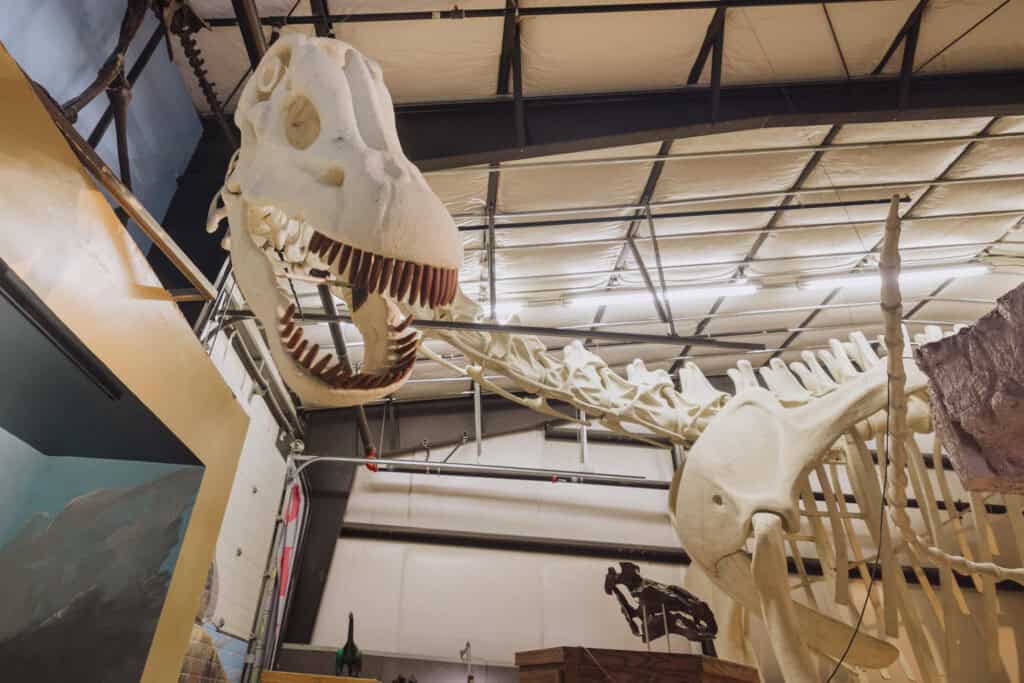
Some of Seismo’s real bones are on display at the New Mexico Museum of Natural History, and most of its bones are still encased in rock in a protected part of the state. A team from Montana went to help with the dig, which is why the model is so meaningful to the Dinosaur Center in Bynum.
The model is so large, Seismo doesn’t exactly fit in the Center’s museum area. The tail loops around, and Seismo is a bit more “crouched” than he should be, based on the ceiling height. There are plans to expand the facility to allow Seismo to fully unfurl on display!
Dinosaur Digs
You can schedule time to go out with a team on a dig site nearby.
Or, you can check out the “egg nests” and other specimens recently brought into the Center. You’ll likely walk in to find paleontologists gently scraping away rock and sediment from bones and eggs, laid about 150 million years ago.
Trex Agate Shop
The Trex Agate Shop is across the parking lot from the Montana Dinosaur Center. It’s a family-run rock, fossil, and gem shop, established here back in 1937. It’s been run by different generations of the same family for 90 years.
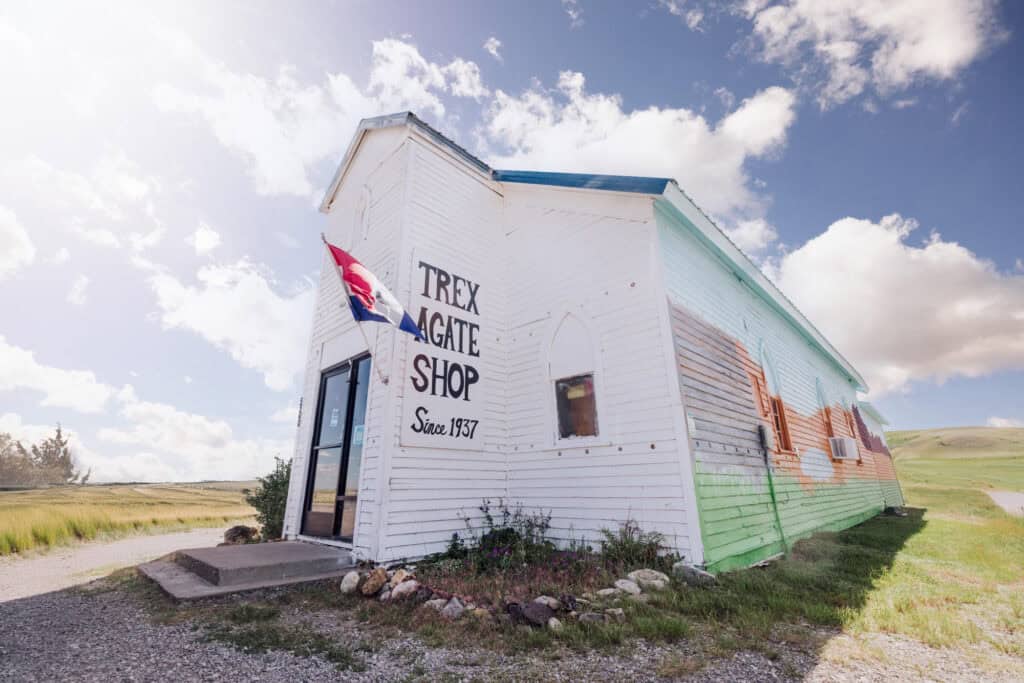
In fact, one of the original founders discovered famous baby dinosaur bones at Egg Mountain, which sparked the influx of paleontology in this part of Montana.
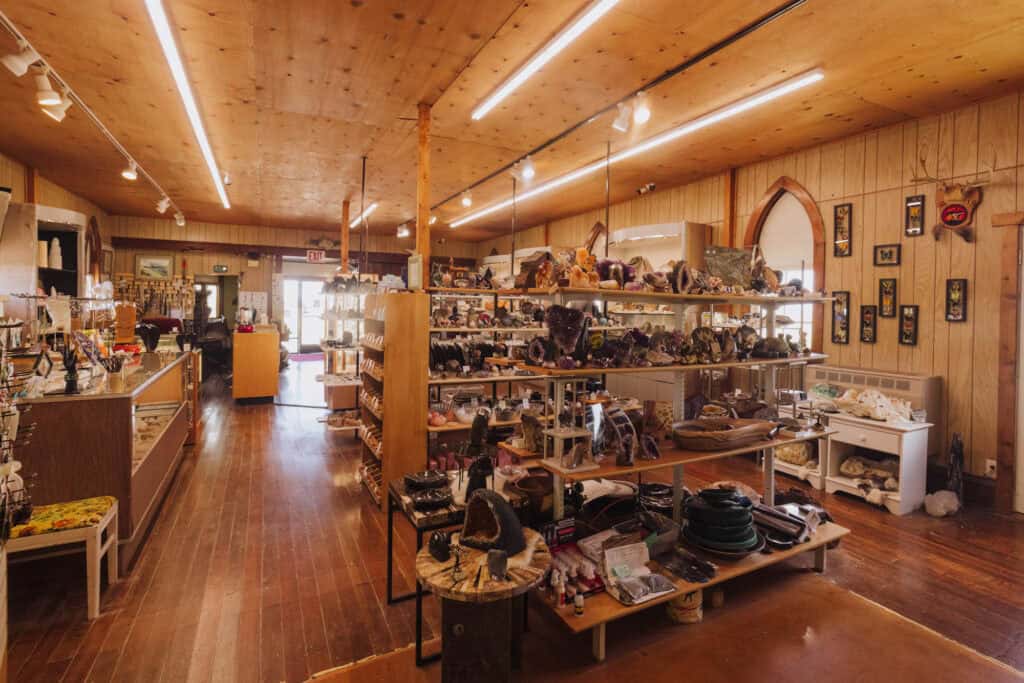
Inside, you’ll find:
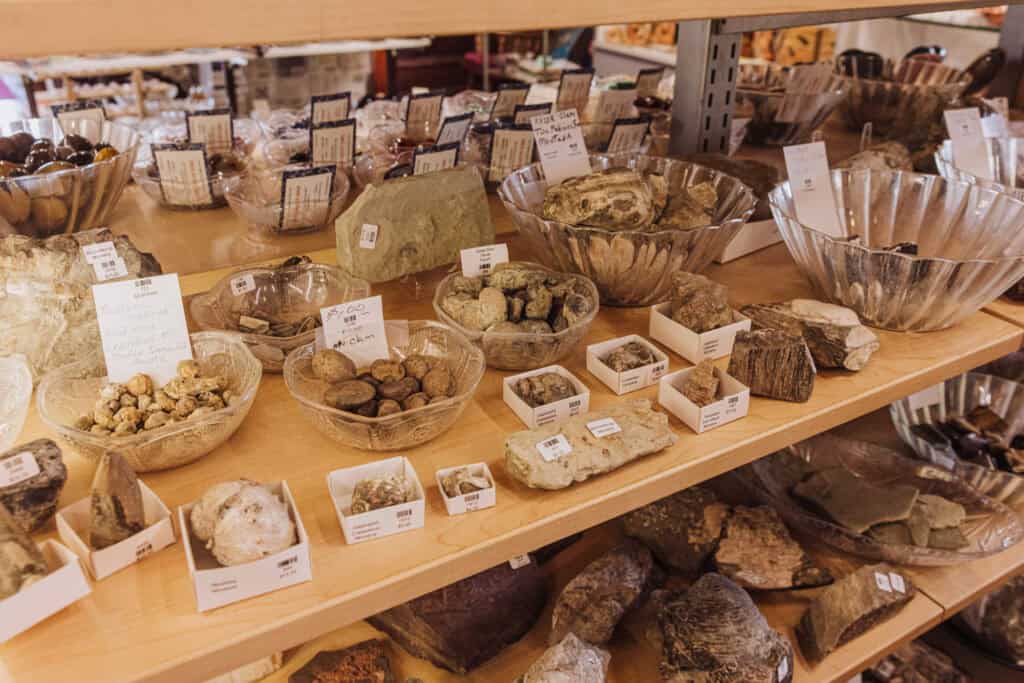
- Fossils & Dinosaur Teeth: A selection of scientifically interesting and decorative fossil specimens.
- Agates, Crystals & Gemstones: Polished slabs and raw material from Montana’s geological treasures.
- Handcrafted Jewelry: Locally made pieces featuring agates and fossils.
Buffalo Joe’s Saloon
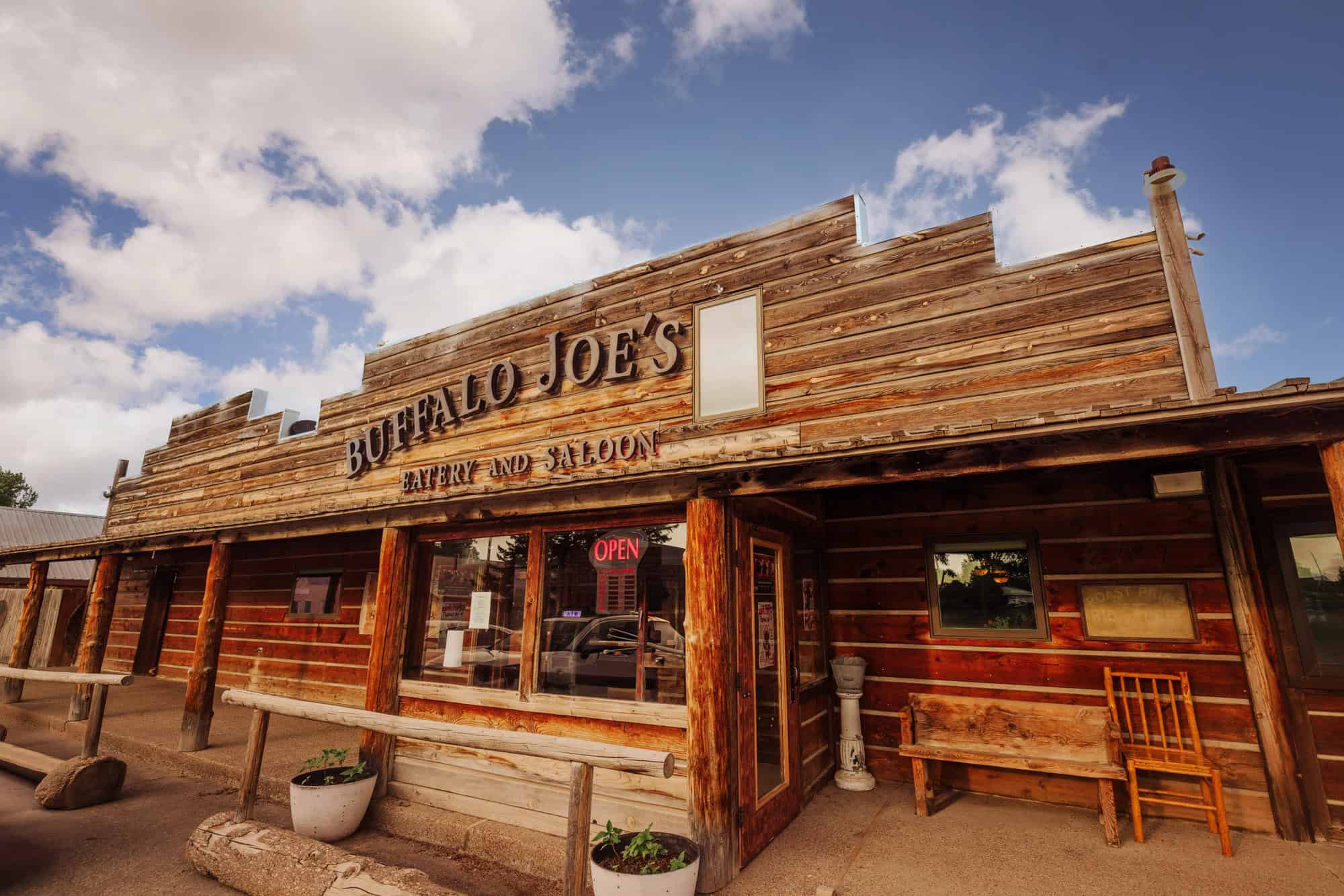
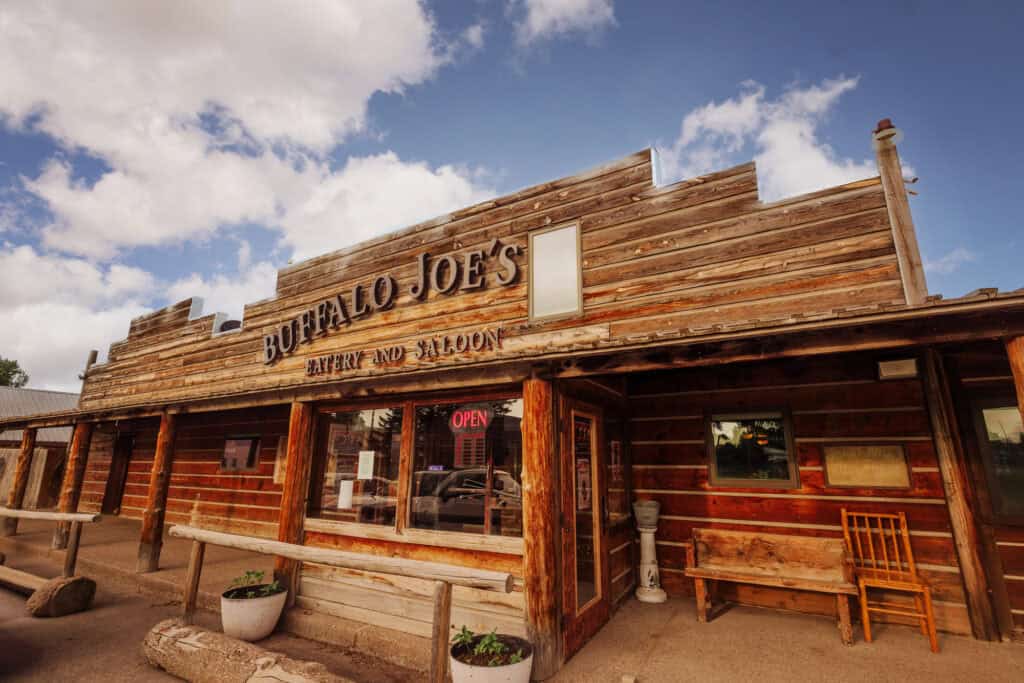
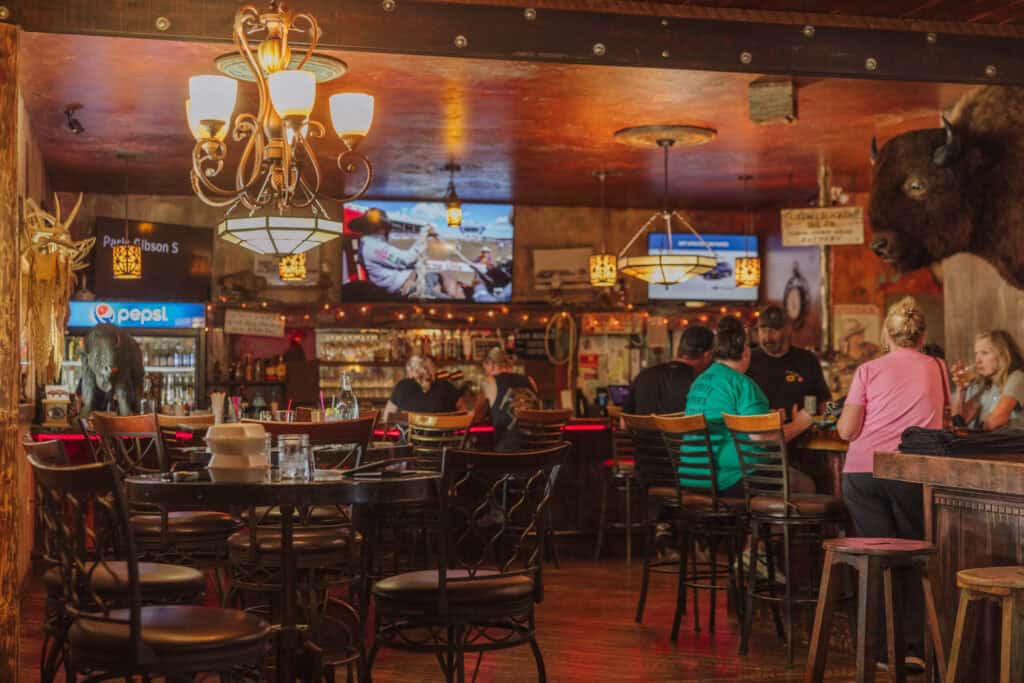
While Great Falls has dozens of restaurants, Buffalo Joe’s offers a genuine Montana experience in Dupuyer. Think: generous steaks, an Old West-style saloon, local beer on tap, and friendly, hospitable service.
It’s a great choice after exploring Glacier or driving along the backroads of Montana.
- Location: 207 South Montana Street (Hwy 89)
The Bar’s History
Dupuyer had two bars decades ago, but it became a “one bar town” in the early 2000s. Sadly, the remaining bar, Pierie’s, burned to the ground in 2013.
Buffalo Joe’s was built the following year. The owners used the French interpretation of “Dupuyer” to come up with the name. “Dupuyer” translates to the back fat of a buffalo.
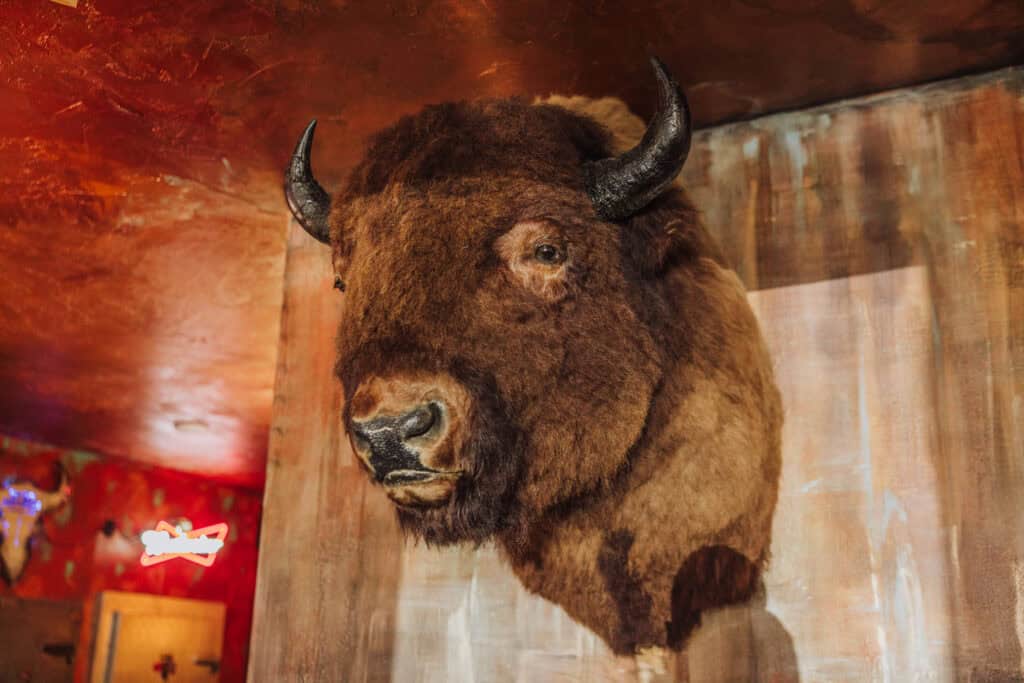
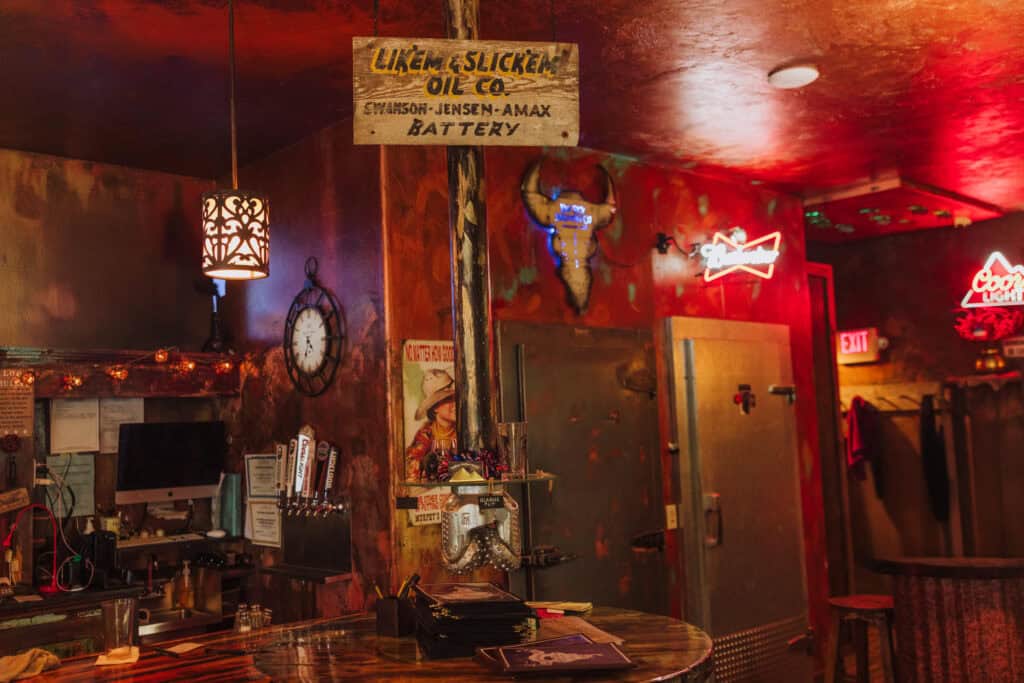
You can find relics of the old Wild West days inside. Above the bar is a rotating drill, which survived the fire at the prior bar. It was likely used for drilling at a Montana site somewhere, and exchanged for drinks by a worker at the old bar.
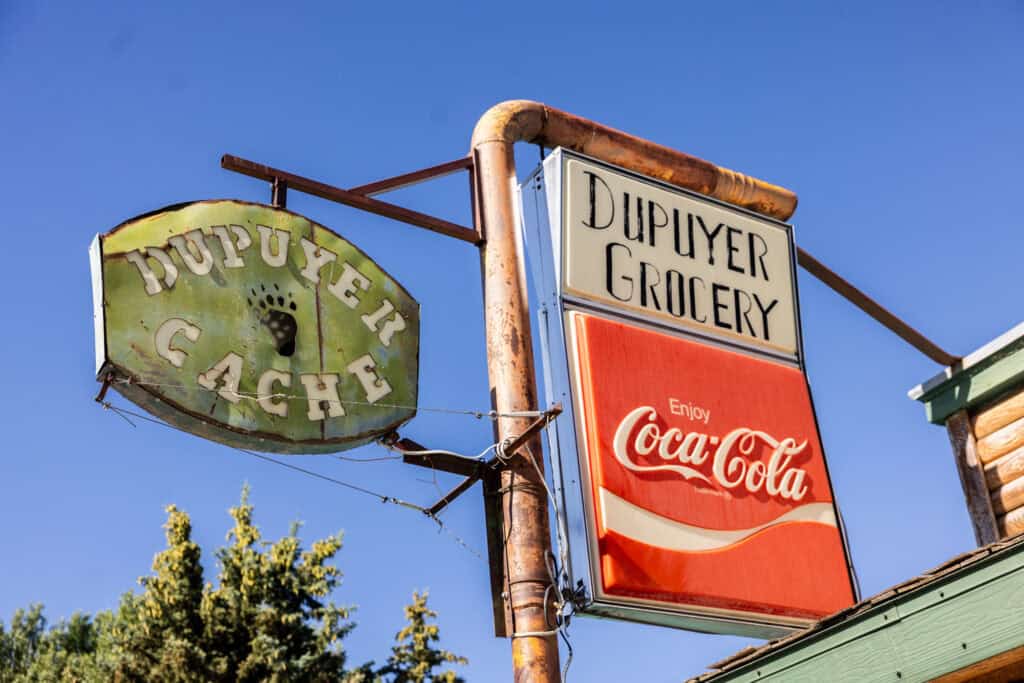
Dupuyer Cache
Next to Buffalo Joe’s, you’ll find a unique gift & convenience store offering local crafts, wool yarn, photography, maps, and western art. Dupuyer Cache serves locals and tourists alike.
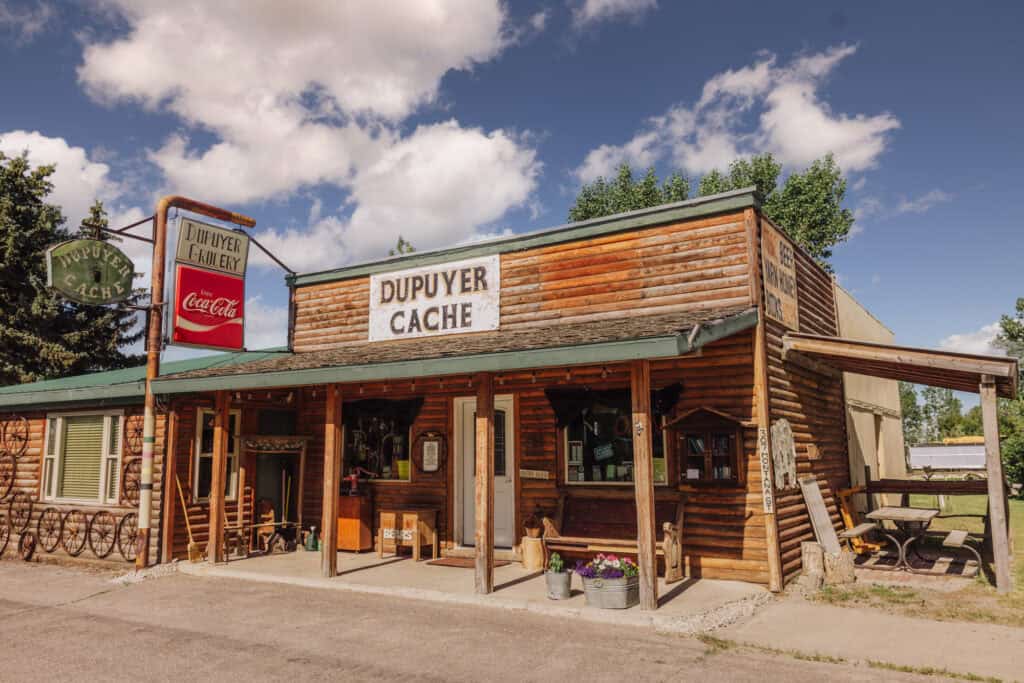
If you’re looking for Montana-made gifts and souvenirs, it’s worth a day trip just to check out the inventory from Great Falls.
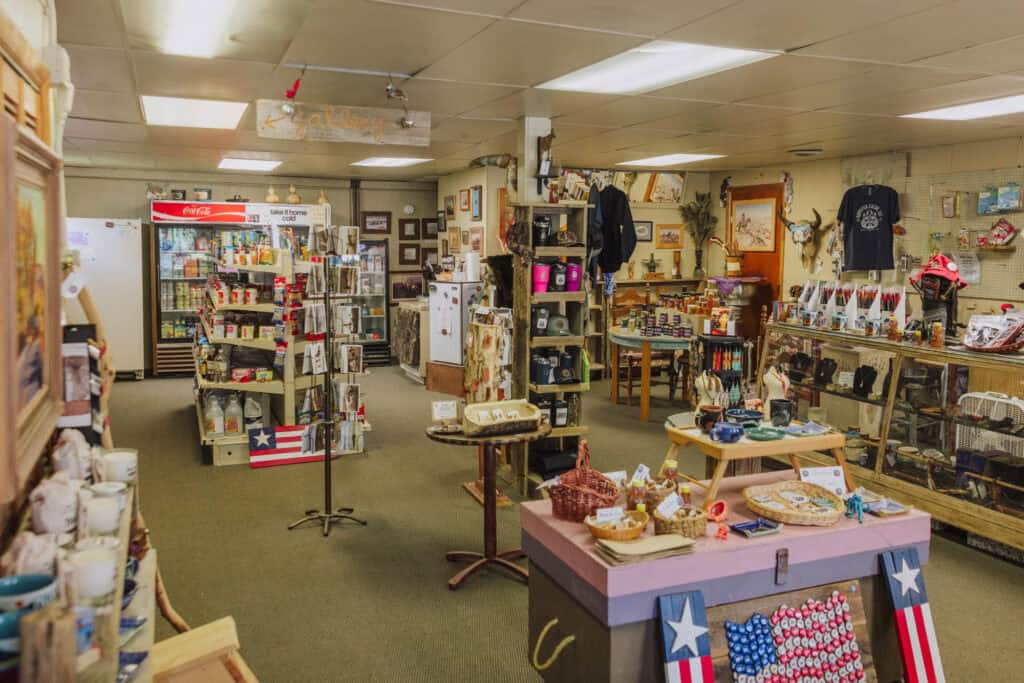


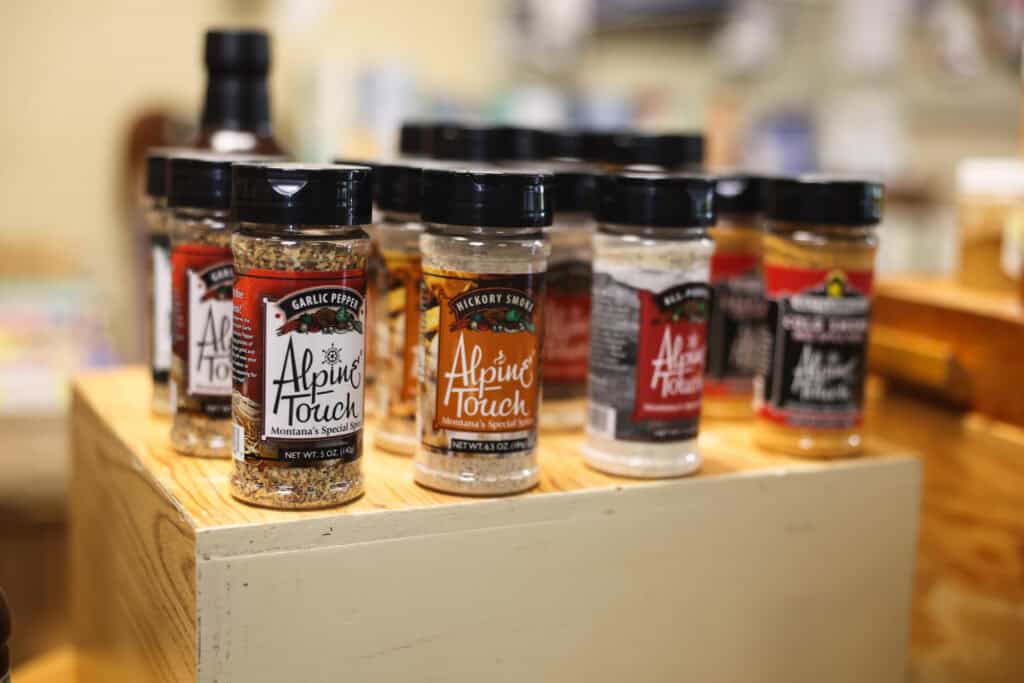
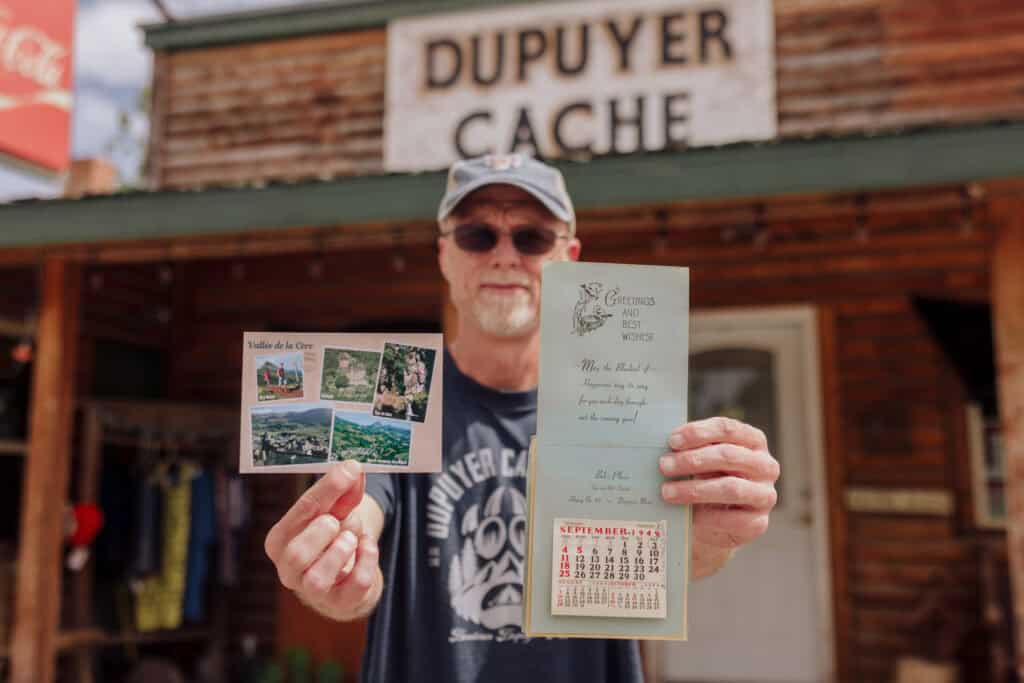
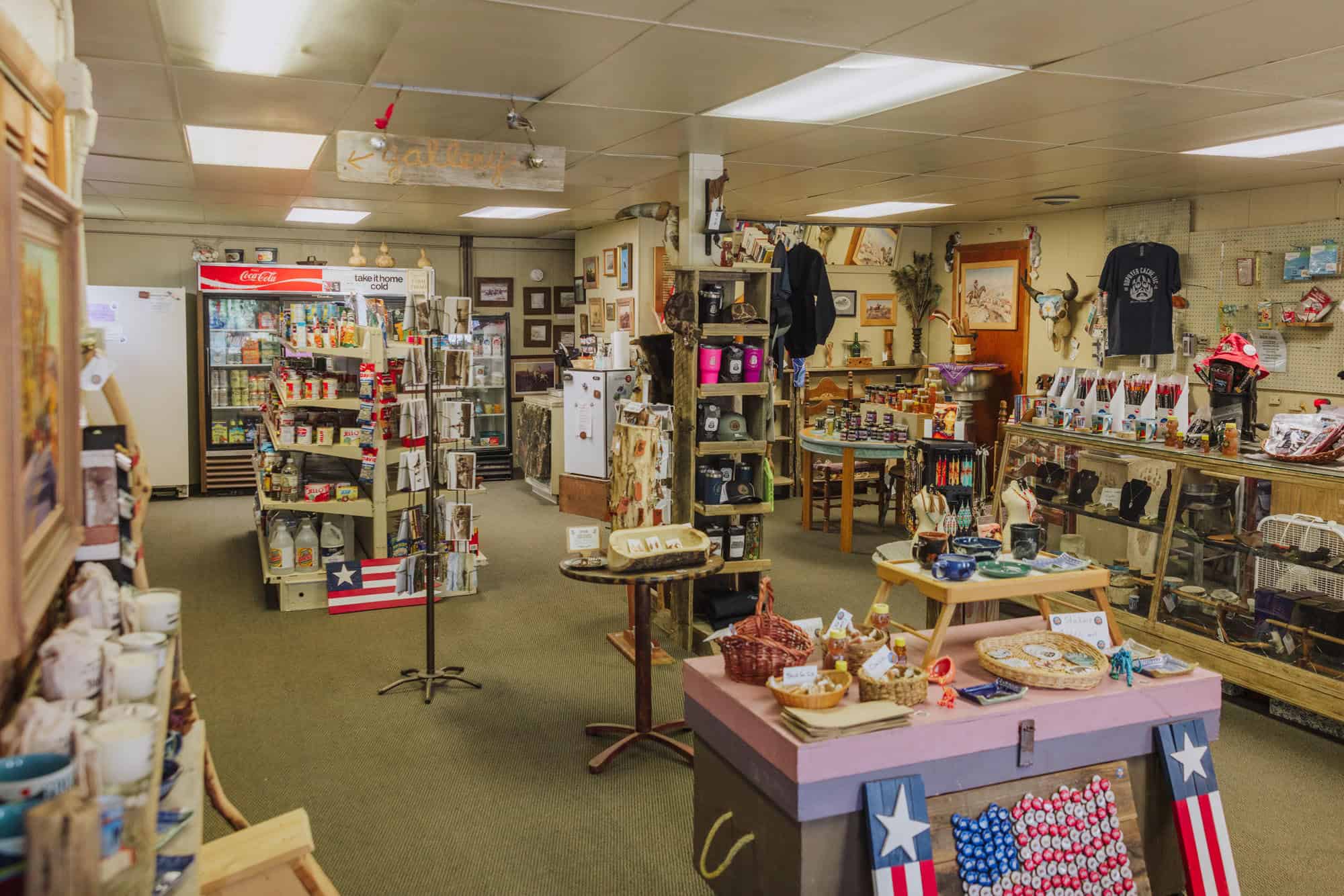
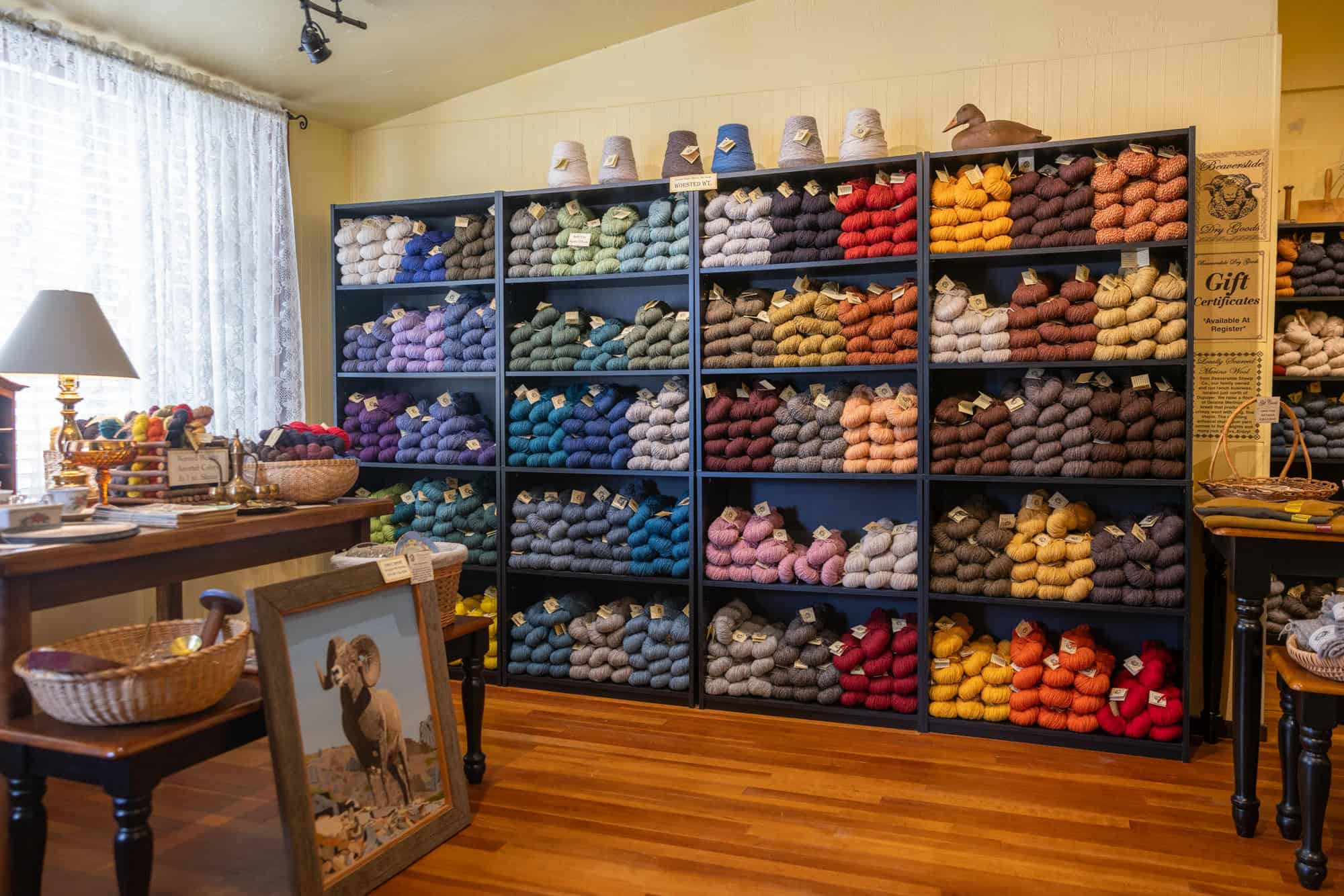
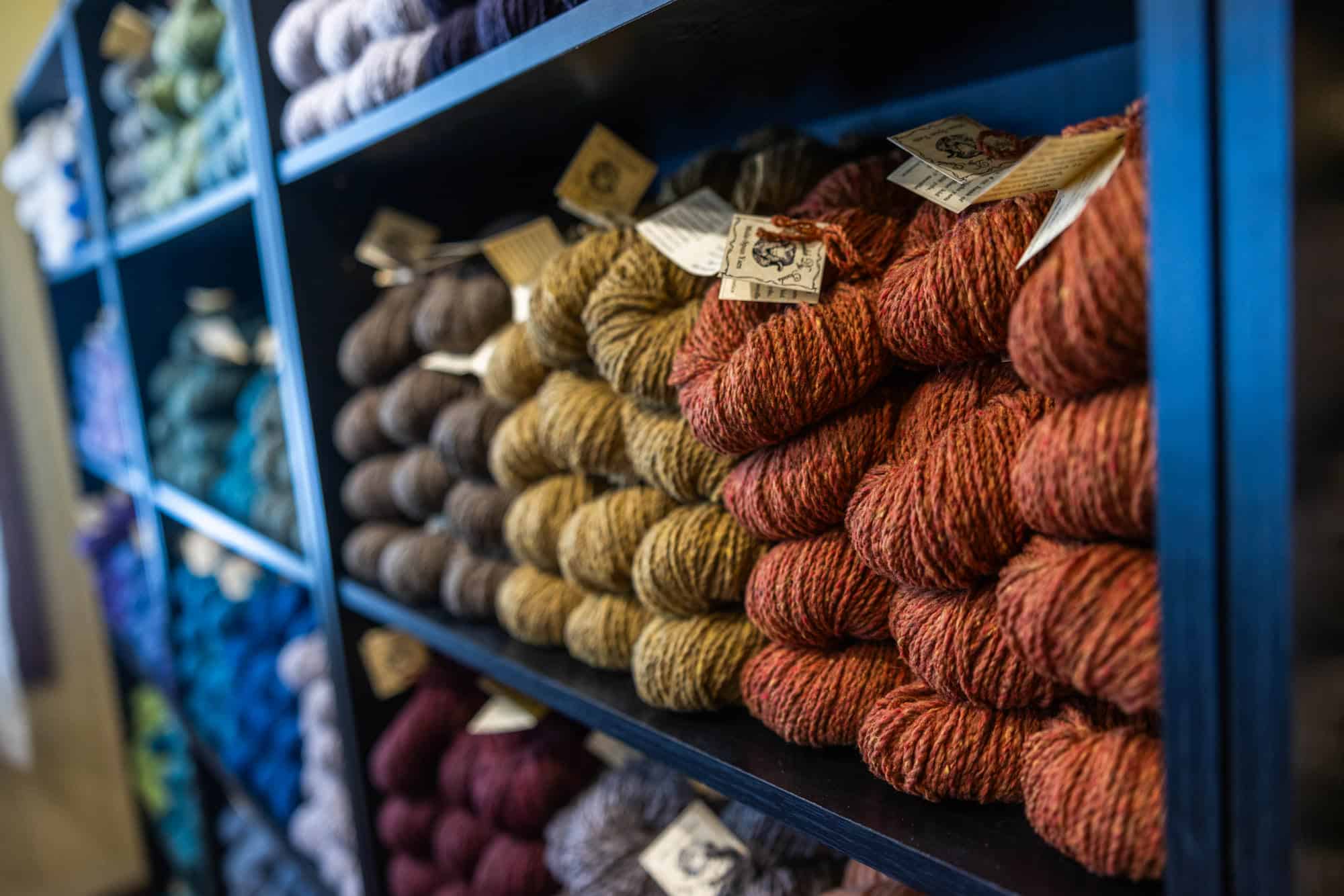
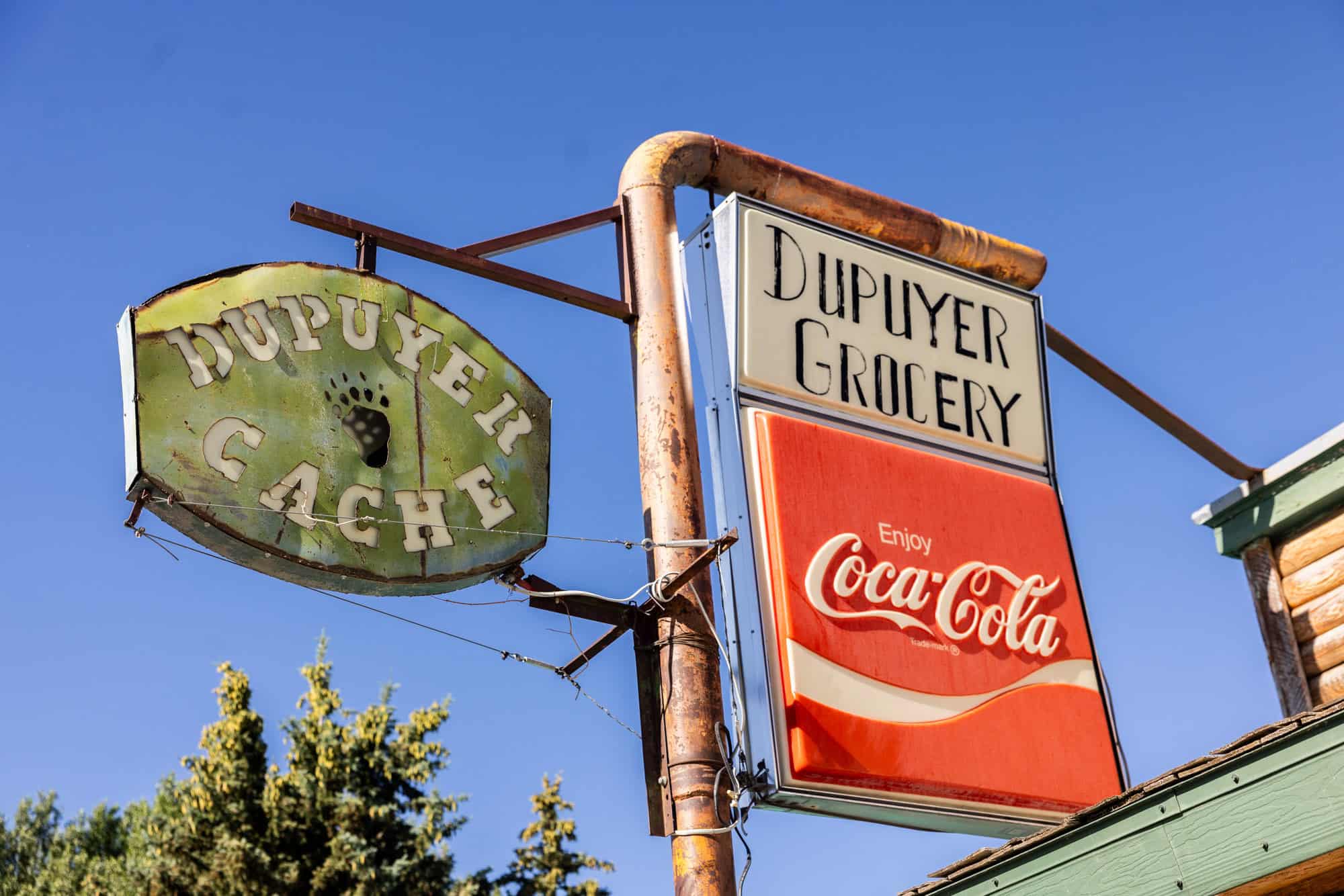
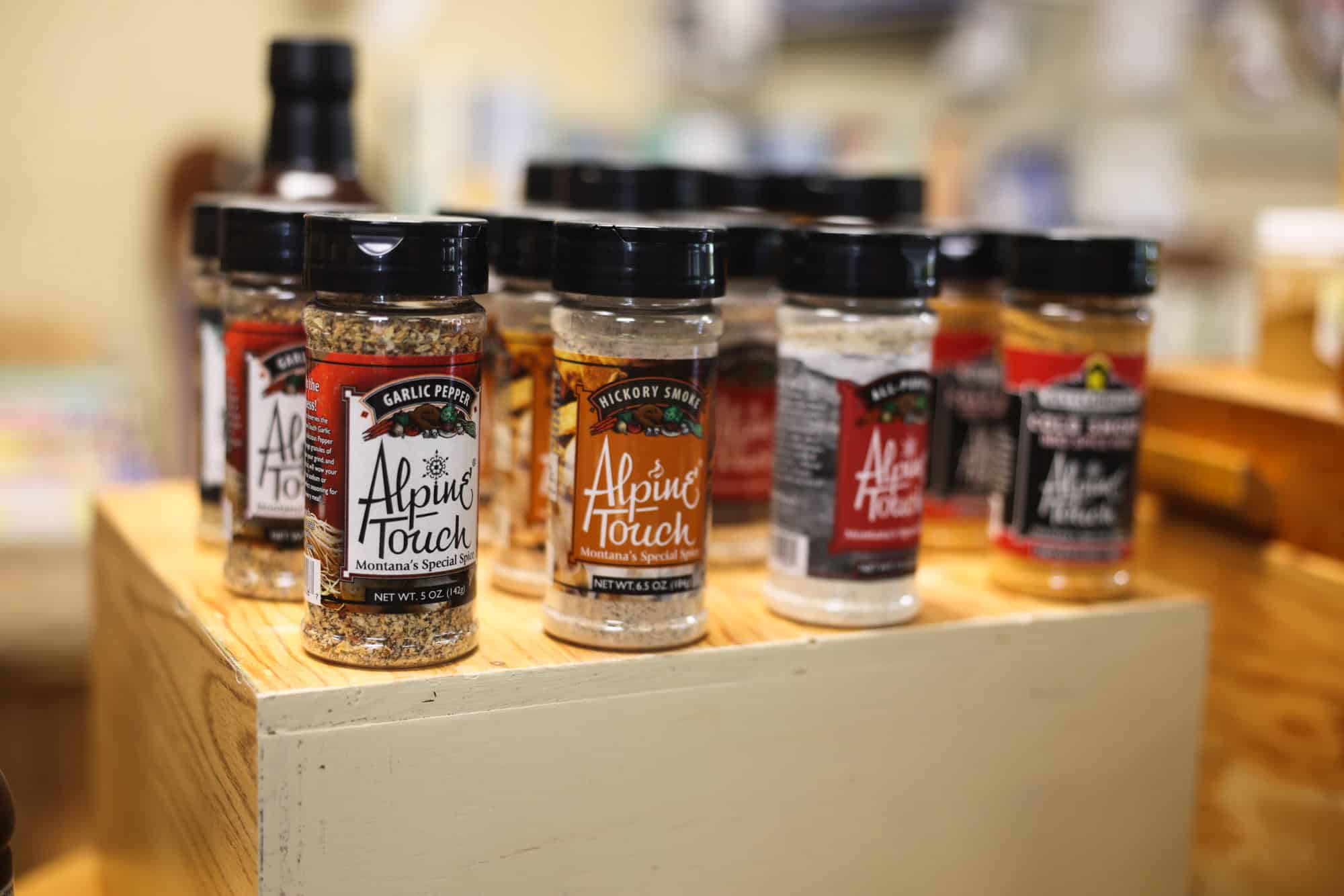
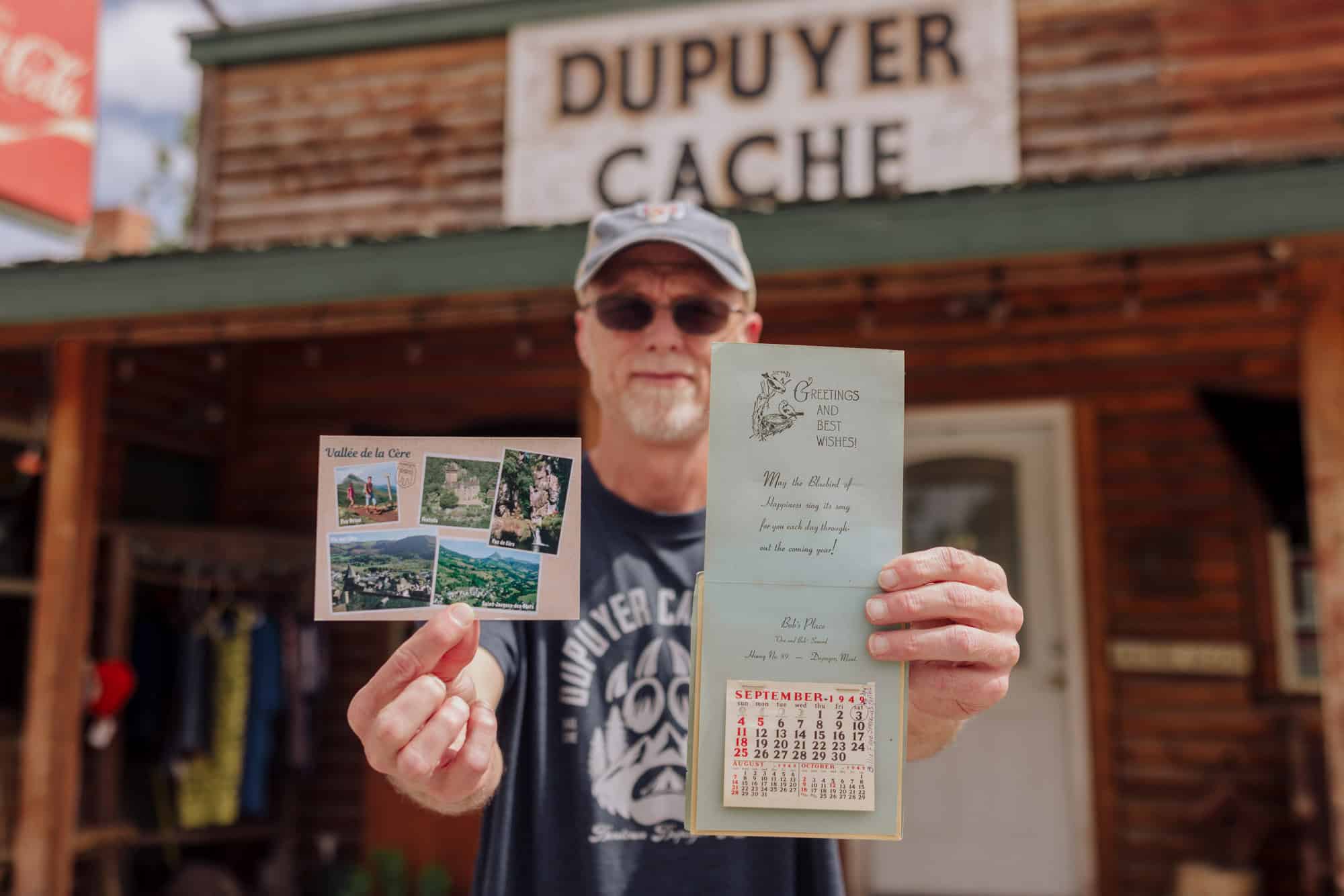
Combine a stop here with lunch at Buffalo Joe’s down the block, and you’ll have an enjoyable “Made in Montana” experience!
The Best Time to Visit Dupuyer & Bynum, MT
For me, late spring into early fall is the window for a visit. It’s entirely weather-dependent.
March to May
- March: 30s–50s °F
- May: 40s–70s °F
- Early spring can still feel wintry, especially in March. Snow begins to melt, especially at lower elevations, but high country (like near Swift Dam) remains snow-covered into May. Mud season kicks in—many unpaved roads and trails become messy or impassable.
Summer (June–August)
- Highs: 70s–90s °F
- Lows: 40s–60s °F
- Long, sunny days with cool nights. The sun doesn’t set until almost 10:00pm! Wildflowers peak in June and July in the mountains. This is prime hiking and camping season, especially at Swift Reservoir and nearby trailheads.
Fall (September–November)
- September: 60s–70s °F
- November: 20s–40s °F
- September offers crisp air, changing leaves, and fewer crowds—great for outdoor trips. October can bring the first snow to higher elevations. November marks the start of winter, with freezing nights and snow likely by month’s end.
Winter (December–February)
- Highs: 20s–40s °F
- Lows: 0s–20s °F
- Snow is common but not always deep. Dupuyer is in a snow shadow due to the Rockies, but nearby mountains get significant accumulation. Roads may close temporarily during blizzards or drifting snow.
More Things to Do in Montana
Check out our other blogs:
