10 Rental Car Mistakes That Cost Travelers Hundreds (And How to Avoid Them)
You found a great deal on a rental car. Then you got to the counter.
Suddenly there’s a $30-a-day insurance pitch, a prepaid gas offer, a toll pass, and a “free” upgrade. By the time you drive away, that $40-a-day rental costs $90.
It’s enough to make even a frequent traveler pause …
Rental companies make a big chunk of their money on add-ons, not the car itself. Here are the 10 mistakes that cost travelers the most, and exactly how to navigate each one.
The biggest one comes first, because it’s the one most people make out of fear.
1. Buying the counter insurance out of fear
This is the most expensive mistake on the list, and your counter experience is designed to push you to spend extra.
You know the scenario:
- You’re tired from your flight.
- The agent asks if you want “full protection.”
- Then come the warnings: a scratch could cost thousands, you’d be responsible for the whole car, why risk it?
- So you initial the box, and $20 to $40 a day gets added to your bill.
Here’s what the agent doesn’t mention: you may already be covered.
What they’re selling is called a Collision Damage Waiver (CDW) or Loss Damage Waiver (LDW). It covers damage to, or theft of, the rental car. Many travelers already have that protection in one or both of these places:
- Your credit card. Many travel and cash-back cards include rental car damage coverage when you pay for your rental with that card. Often, this goes for domestic and international rentals, but it differs between cards and countries.
- Your personal auto insurance. If you have collision and comprehensive coverage on your own car, it often extends to rental cars in the U.S.
Primary vs. secondary coverage, in plain English
When you check your credit card, the key question is whether its coverage is primary or secondary.
- Primary Coverage: The card pays first. You never call your own car insurance company, so there’s no claim on your record and no deductible.
- Secondary Coverage: Your auto insurance pays first. The card covers what’s left, usually your deductible. That’s still a lot better than nothing.
Does your card cover you?
Here’s how popular cards stack up as of November 2026.
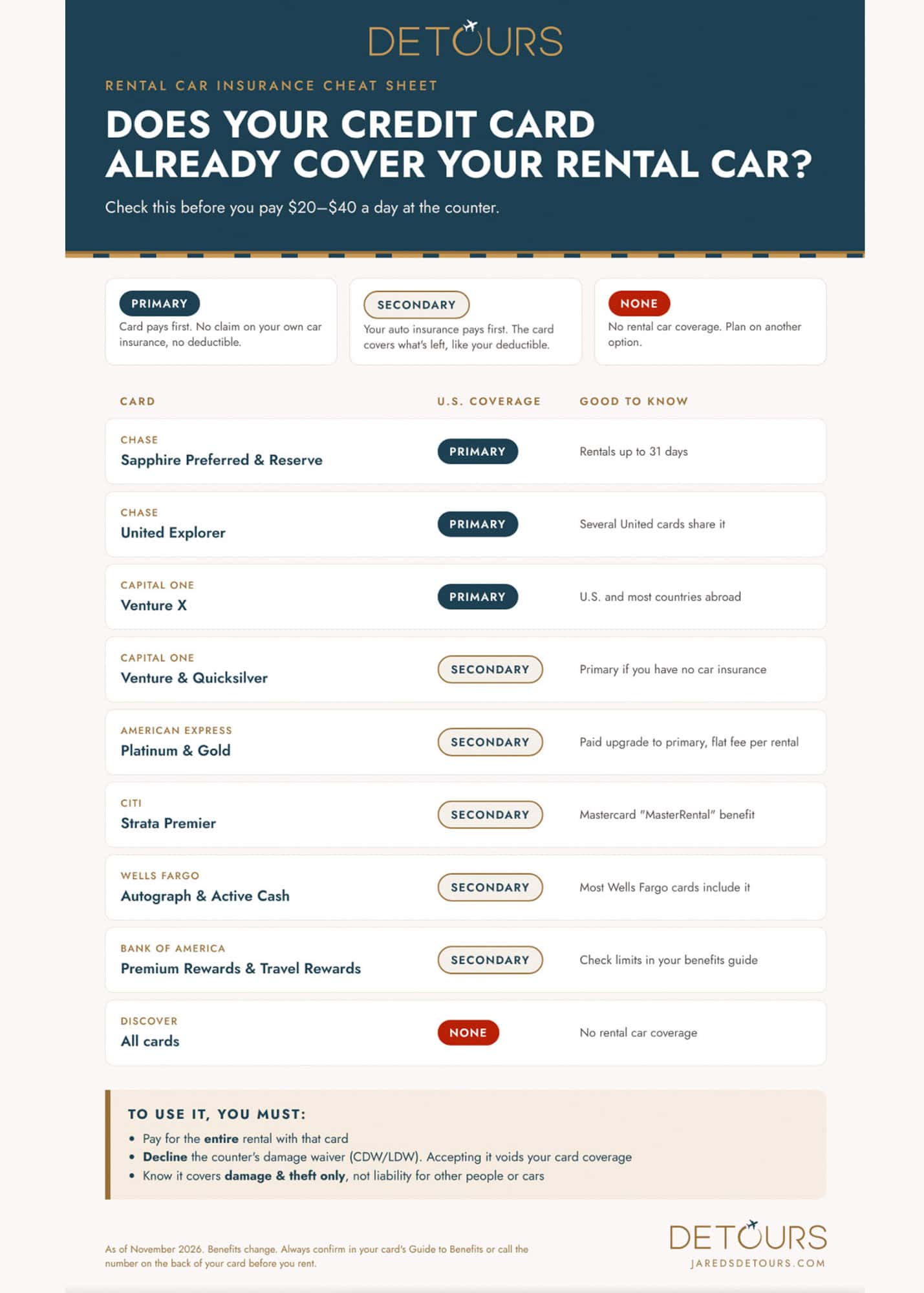
The Chase Sapphire cards and the Capital One Venture X offer primary coverage. Most Amex, Citi, Wells Fargo, Bank of America and standard Capital One cards offer secondary coverage. Discover cards don’t include rental car coverage at all.
Amex cardholders have one little-known option. You can enroll in Amex’s Premium Car Rental Protection, which upgrades you to primary coverage for one flat fee per rental, not per day.
Two rules that apply to every card
- Pay for the entire rental with that card.
- Decline the counter’s damage waiver (CDW/LDW). If you accept it, your card’s coverage is void.
The fine print that matters
- It’s damage and theft only. Credit cards almost never include liability coverage, meaning damage you cause to other people, cars or property. In the U.S., your personal auto policy usually handles liability.
- Watch for loss-of-use fees. While a damaged car is in the shop, the rental company can bill you for the days it can’t rent it out, plus admin fees. Some credit cards cover these. Many personal auto policies don’t.
- Every driver must be on the contract. If someone drives who isn’t listed, your card’s coverage usually won’t apply to them.
- Turo and car-sharing apps usually aren’t covered. Most cards only cover rentals from traditional rental companies.
- Your personal policy has limits. You’ll still pay your deductible, a claim can raise your premium, and coverage usually only goes up to the value of your own car. That matters if you rent something nicer than you drive.
- International rentals may not be covered. As an example: With Amex, coverage does not extend to rentals in Australia, Italy, or New Zealand
- Exclusions exist. Many cards exclude exotic or luxury cars, large vans, trucks, long rentals (often over 15 or 31 days), and certain countries.
- Benefits change. Confirm in your card’s “Guide to Benefits” before you travel.
The fix:
Before your trip, call the number on the back of your card and ask two questions: “Do you cover rental car damage?” and “Is it primary or secondary?” Then call your auto insurer and ask if your policy extends to rentals. It takes 10 minutes and can save you $200 or more on a one-week trip.
At the counter, keep it simple: “I’m declining. I have my own coverage.” You don’t owe anyone a debate.
Dirt roads can cancel your coverage
Many of the best places we’ve written about sit at the end of a dirt road. That’s where rental car fine print matters most.
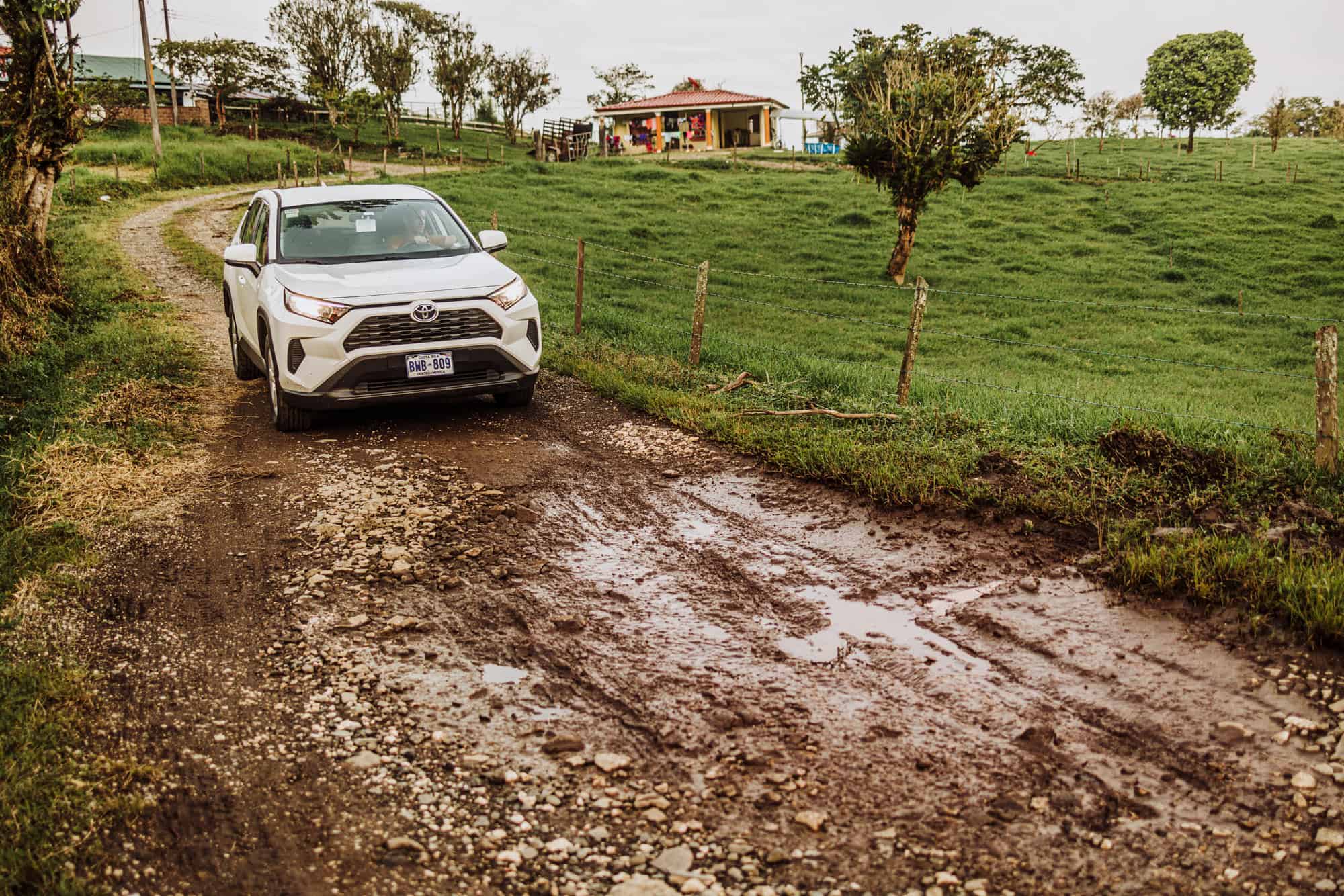
The major rental companies restrict unpaved roads in their U.S. terms, and breaking that rule can void the damage waiver you paid for. Credit cards have their own off-road exclusion too. So if you crack an oil pan on a gravel road, you could be paying out of pocket even if you did everything else right.
Here’s what we found when we reviewed the terms (as of November 2026):
| Company or card | What the terms say about unpaved roads |
|---|---|
| Enterprise | Damage Waiver is invalid if the car is damaged on an unpaved road or off road |
| Alamo | The vehicle can’t be driven on an unpaved road or off-road |
| Hertz | U.S. rentals can’t be driven on poorly maintained or unpaved roads |
| Avis | Driving on unpaved roads is a violation that voids the Loss Damage Waiver and other optional protection |
| Sixt | Only paved roads or graded private roads and driveways are allowed, and its waiver doesn’t cover damage from unpaved roads |
| Chase Sapphire cards | Damage from off-road operation isn’t covered |
| Visa card benefit guides (used by many banks) | Damage from off-road operation isn’t covered |
| American Express | “Off-road” means any unpaved surface that isn’t a regularly maintained state or government road |
The takeaway:
A regular rental car and a dirt road don’t often mix. If your trip includes off-roading, rent from a local outfitter whose vehicles are allowed on those roads, and ask in writing what their coverage includes. Terms vary by location, so check your own rental agreement too.
From the road: White Pocket, Arizona
White Pocket is one of the most surreal places we’ve ever explored, and one of the hardest to reach.
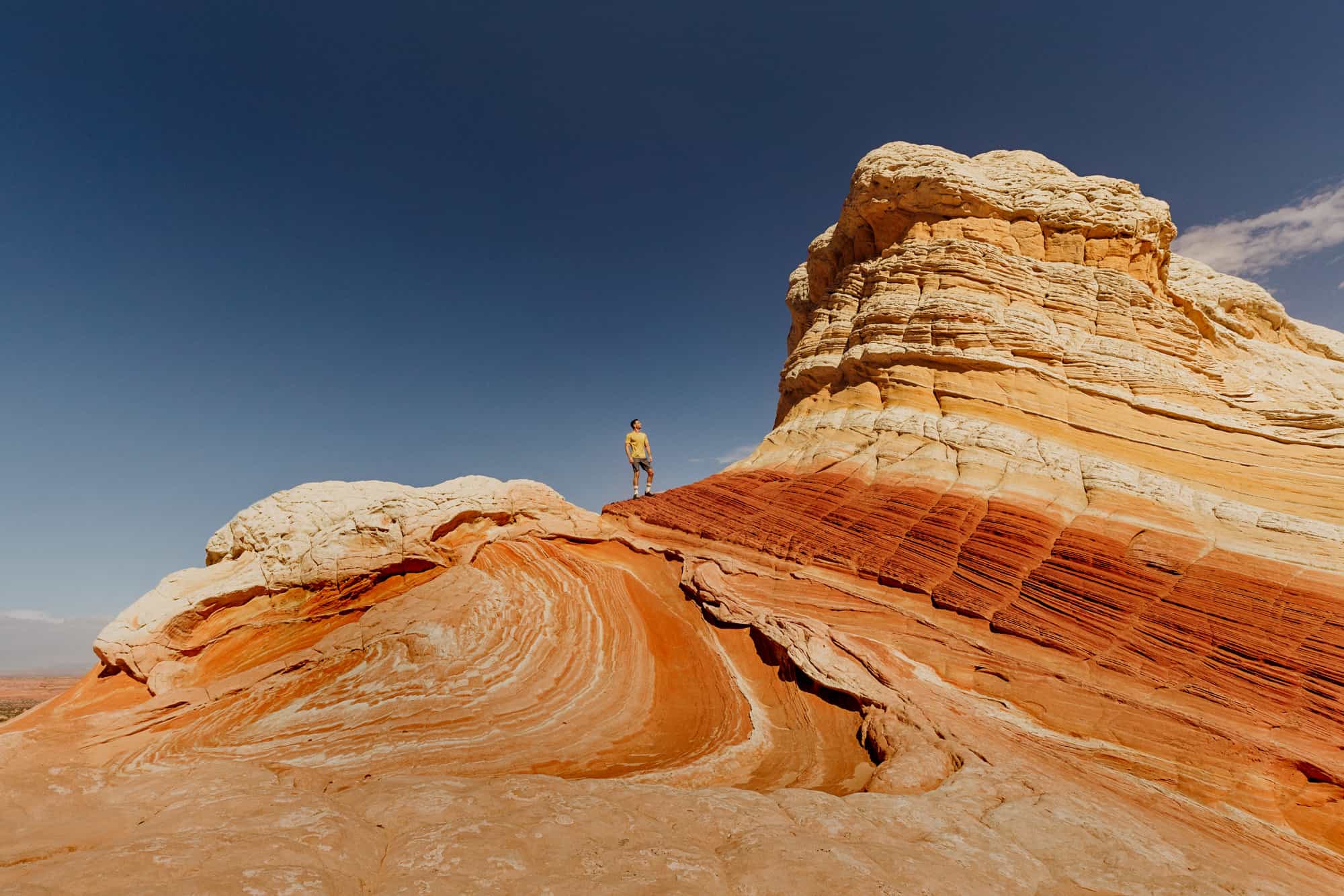
The main dirt road, House Rock Valley Road, is usually drivable in most vehicles when it’s dry. But once you turn off it, you hit deep sand traps, and 4-wheel drive is a must. We went on a cool, dry day and still had to work our Jeep through the sand.
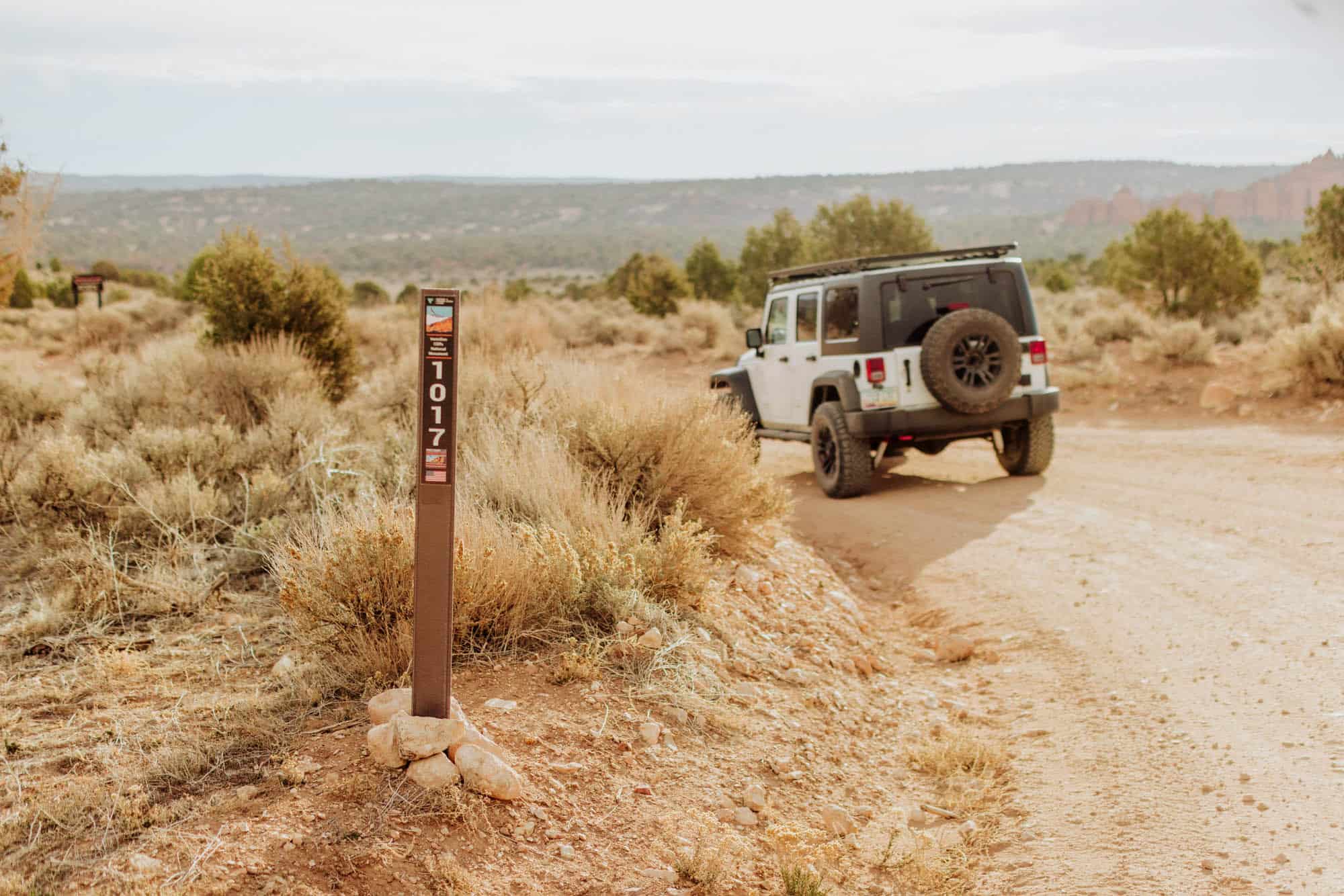
This is exactly where a standard rental from Phoenix or Las Vegas would leave you exposed, with no protection from the rental company or your credit card. Instead, we rented a Jeep locally. Outfitters in Page and Kanab rent vehicles meant for these roads, for around $250 a day when we went. Ask what their insurance covers before you sign.
Read more: How to Get to White Pocket and the latest White Pocket fees.

From the road: Do you actually need a 4×4?
The counter may try to upgrade you to a big SUV “just in case.” Sometimes you need it, and sometimes you don’t. We often do need it for the locations we are exploring. For example:
Fossil Creek, Arizona: You’ll drive about 15 miles on a winding, bumpy dirt road, and high clearance is strongly recommended.
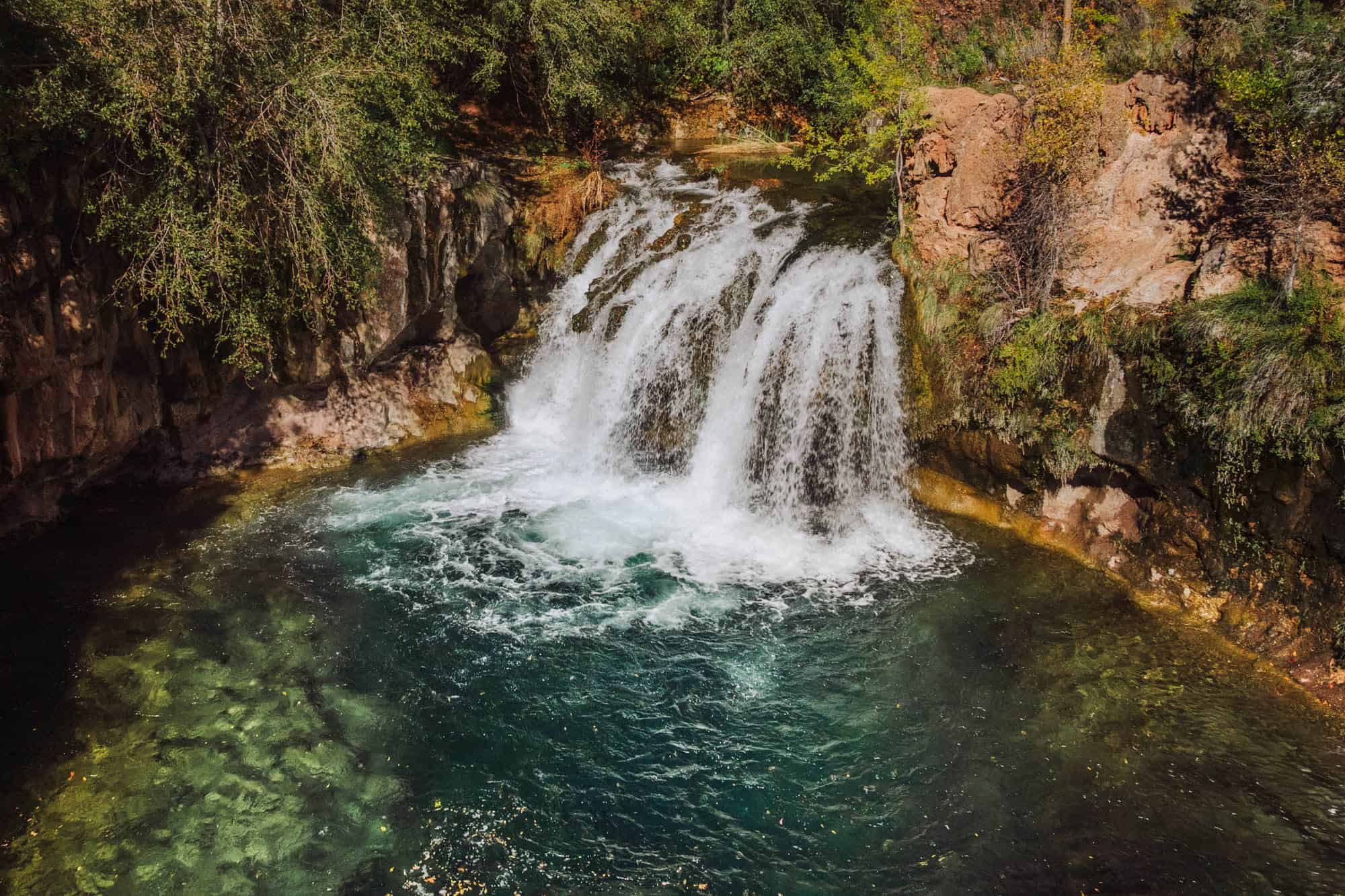
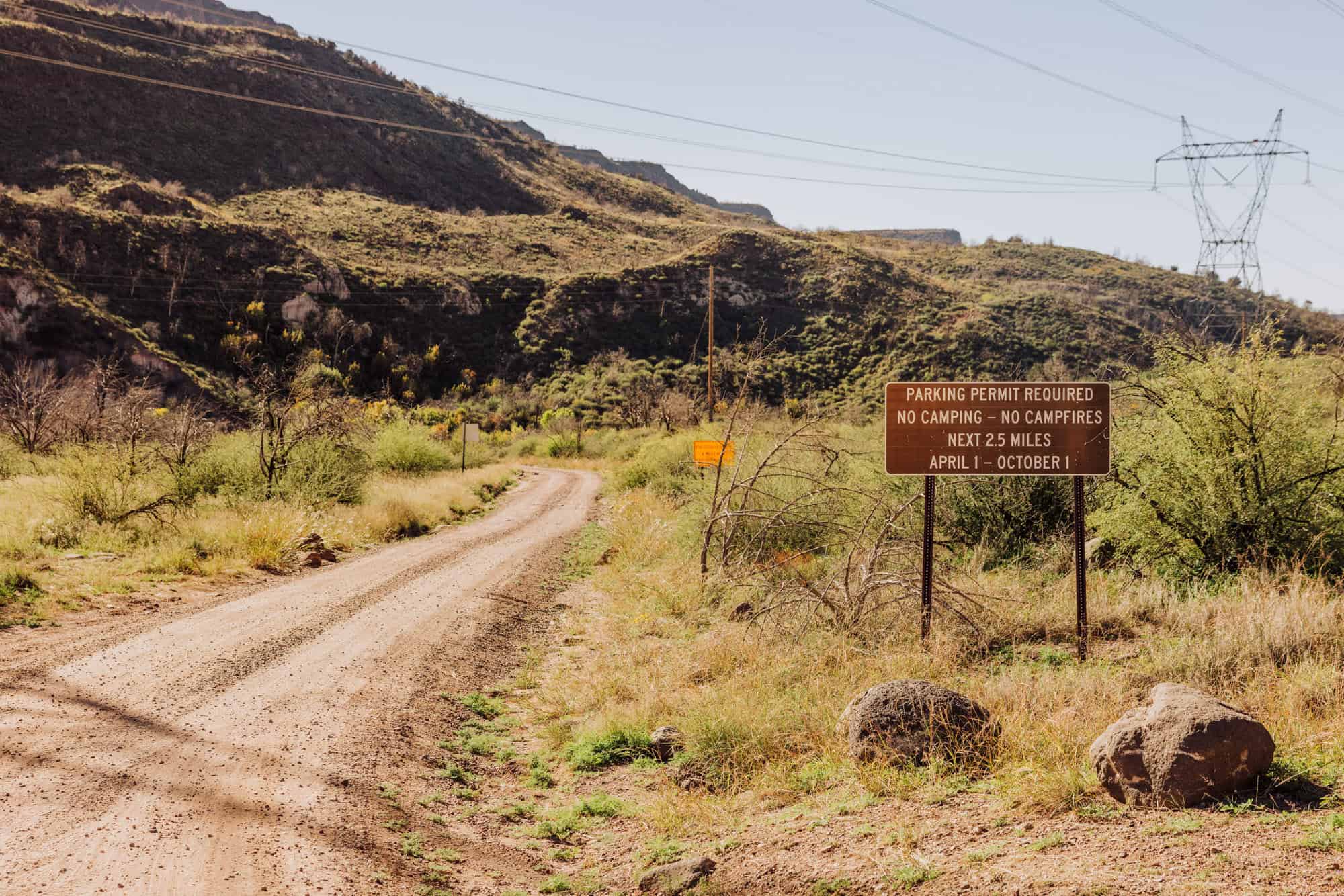
Book the right vehicle class on purpose instead of hoping for a free upgrade. And remember, it’s still a dirt road under your rental terms. (Fossil Creek guide)
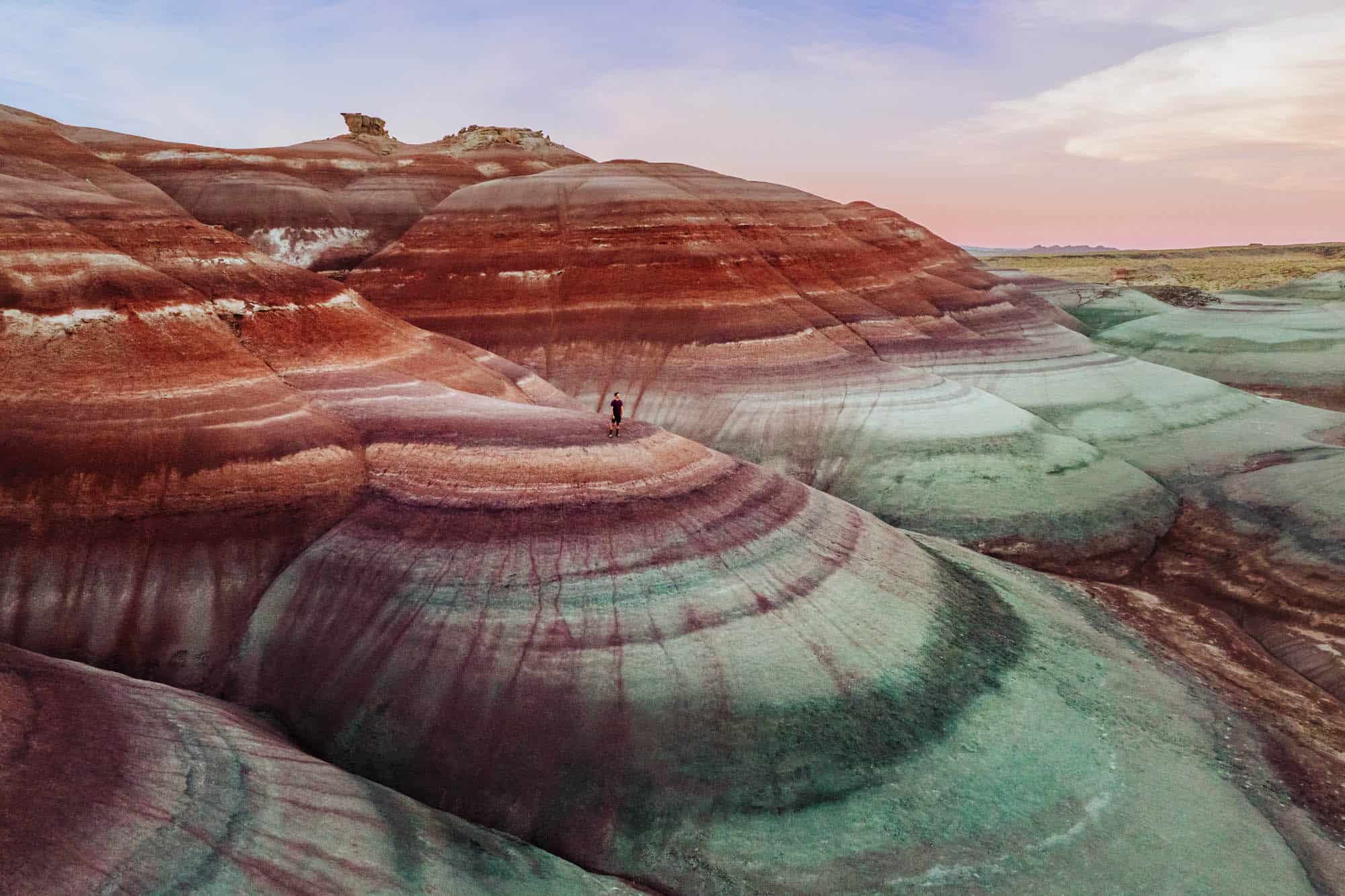
Bentonite Hills, Utah: We rented a 4WD Jeep just in case, but the road had recently been graded. (Bentonite Hills guide)
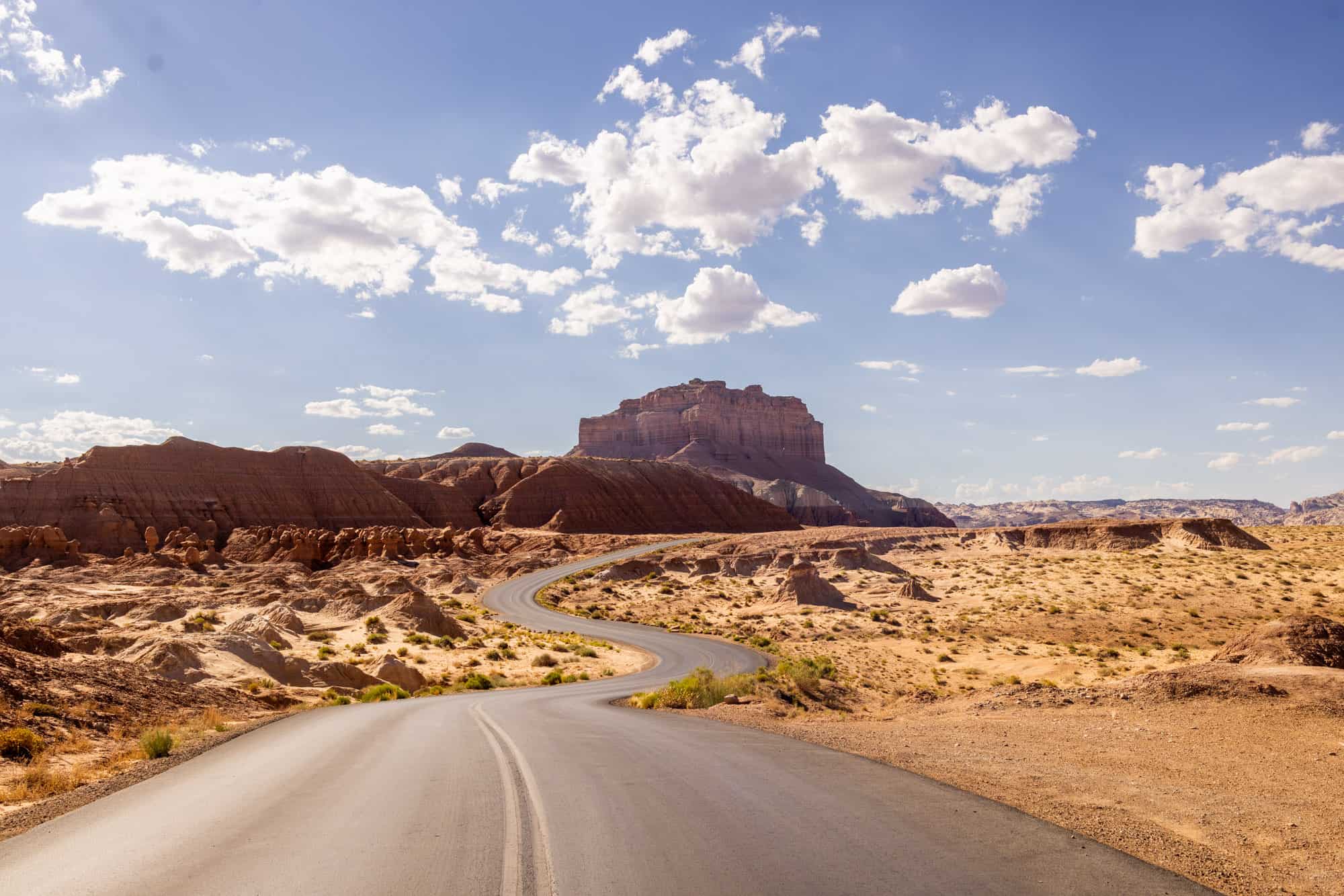
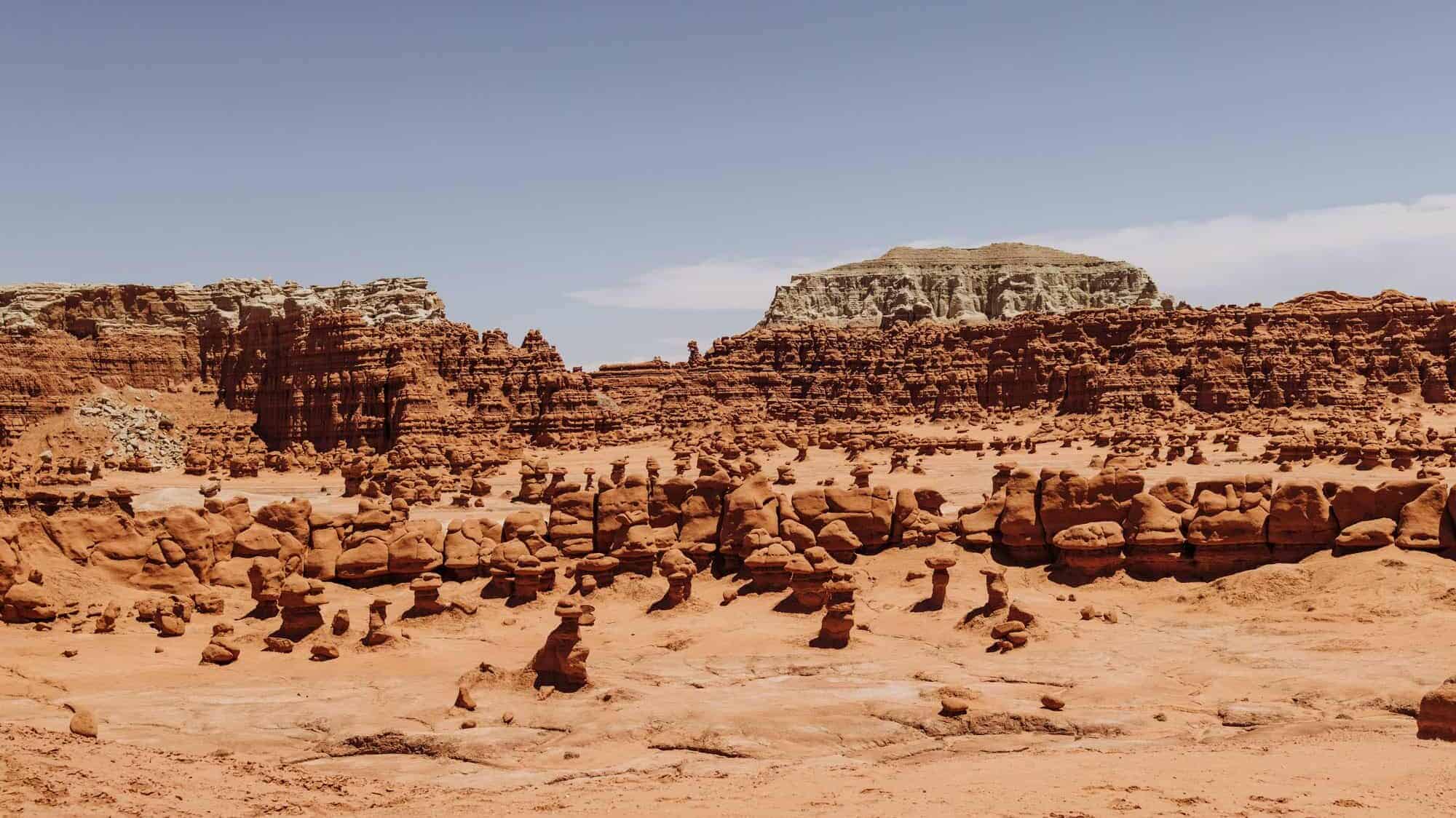
Goblin Valley, Utah: All the roads to and inside the park are paved, so you don’t need a 4×4 at all. A regular rental car is fine here. (Goblin Valley guide)
Before you book any of these: Check current road conditions with the BLM, Forest Service or park office, then reserve the vehicle class you actually need. Booking “compact or similar” and hoping for an upgrade at the counter is a gamble.
2. Assuming the $10-$18 a-day “protection” from Expedia means you’re covered at the counter
You book your car on a site like Expedia, Booking.com or Priceline. At checkout, a box offers rental car protection for roughly $10 to $18 a day. That’s way cheaper than the counter, so you click yes.
Then you get to the counter, and the agent tells you it doesn’t count.
What you actually bought
That add-on isn’t the rental company’s coverage. It’s a separate insurance policy from a third-party insurer. On Expedia, it’s provided by Travel Guard (AIG). Other booking sites use companies like RentalCover, Allianz and Bonzah. These are generally good insurance companies for other travel purposes, but you should know the limits of buying the coverage through a travel site for rentals.
The big difference is how it pays:
- The counter’s waiver means you can generally walk away from damage. The rental company waives its right to charge you.
- The booking-site policy is reimbursement. If the car is damaged, you pay the rental company first, then file a claim to get your money back.
That’s why it’s cheaper. It isn’t a scam, but it isn’t the same product. There’s an immediate out-of-pocket cost for you if something happens. Just something to keep in mind. Plus, since the policy only reimburses you, the rental company usually still places its standard security hold on your card. Sometimes it’s bigger than usual. Agents may tell you your outside coverage is invalid to sell you theirs. That’s the setup for mistake #3.
The gap nobody mentions: liability
Expedia’s own “help page” says its Travel Guard collision plan doesn’t include liability protection. That’s typical. These policies cover the rental car … NOT the other driver’s car or medical bills.
When it’s worth buying
- You don’t own a car, so you have no personal auto policy.
- Your credit card has no rental coverage, or only secondary coverage and you don’t want a claim on your own insurance.
- You’re comfortable paying upfront (in the case of an incident) and filing paperwork to save $20 or more a day.
When to skip it
- Your credit card already covers rental car damage (see the chart above).
- Your personal auto policy extends to rentals and you’re fine with the deductible.
The fix:
Check your card and auto coverage before you book. If you do buy the add-on, save the policy document on your phone, expect a deposit hold, and know it works by reimbursement.
3. Double Paying for coverage (or More)
Mistakes #1 and #2 often happen together. Here’s how it plays out:
- You book on a travel site and add $10 a day in “protection.”
- At the counter, the agent says that’s third-party coverage and warns you about a big hold or paying for damage out of pocket.
- You panic and add the counter’s $30-a-day waiver too.
- Your credit card may have covered the same damage for free.
On a one-week rental, that’s $280 spent on coverage you may already have had.
The fix:
Decide on your coverage before you leave home, using this order:
- Covered by your card or auto policy? Decline both the booking-site add-on and the counter waiver, and pay with that card.
- Not covered? Pick one: the cheaper booking-site policy (pay first for repairs, then get reimbursed) or the counter waiver (more expensive, but you can walk away from damage).
- Never both. Buying the counter waiver also voids your credit card coverage.
4. Driving off without a walkaround video
Damage claims can show up days or even weeks after you return the car. Without proof, it’s your word against theirs.
More rental car companies are using AI and high-tech scanners to find tiny dents, scratches and dings. You may have noticed them as you drive in and out of the rental lot.
The fix:
Before you leave the lot, take a slow video around the whole car: every panel, bumper, wheel, the windshield and the interior. End on the dashboard showing fuel and mileage. Do it again when you return, especially at after-hours drop-offs where no one checks you in. Point out any damage to an agent and have it noted on your contract before you drive away.
From the road: Edge of the World, near Flagstaff

To reach the Edge of the World, you’ll drive about 19 miles on a winding dirt road (Forest Road 535). Roads like that are where rock chips, scraped undercarriages and tire damage happen, and those are exactly the kinds of damage that show up on a bill weeks later.
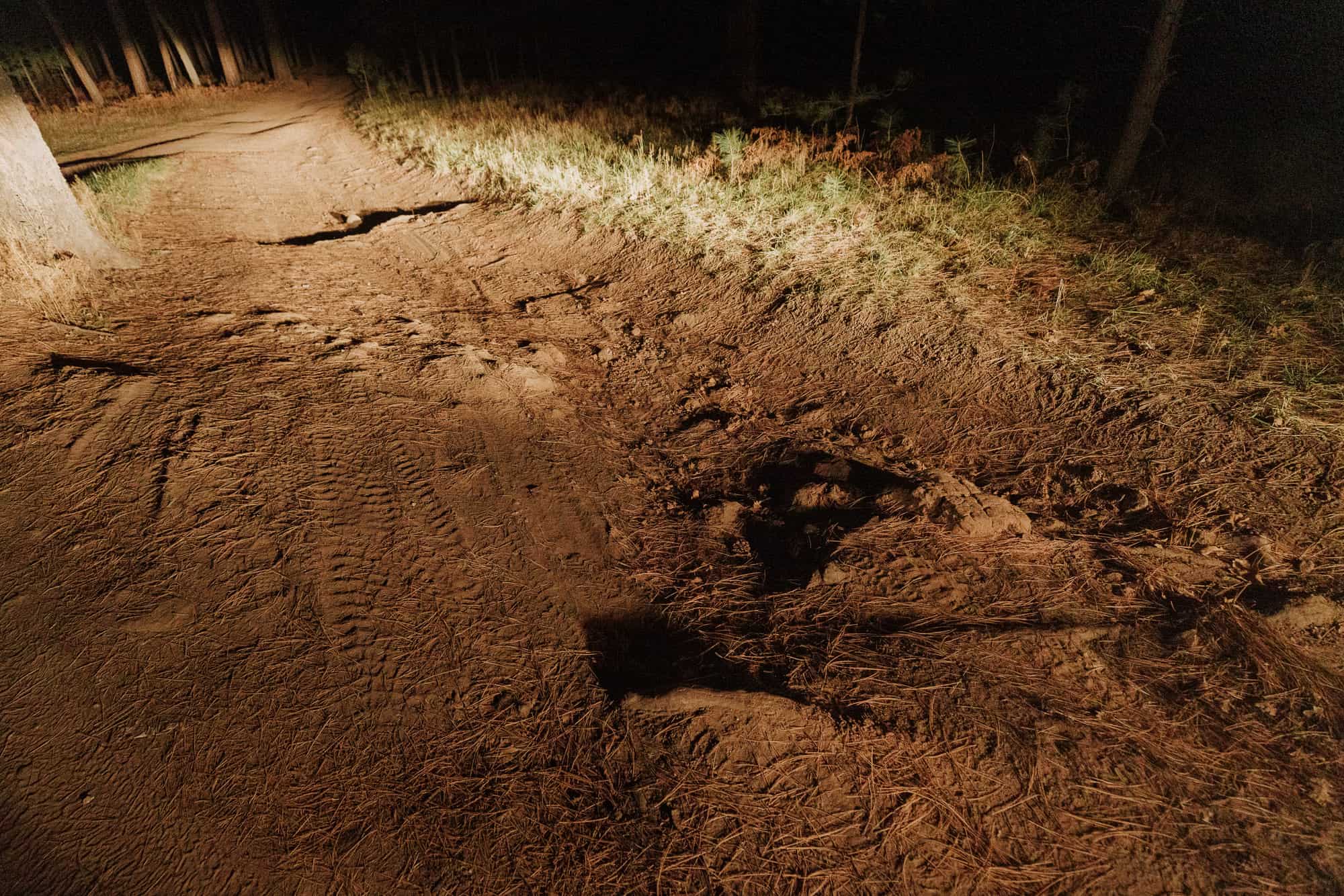
A before-and-after video is your best defense. Just remember the bigger issue from mistake #1: a dirt road this long may be off-limits under your rental agreement in the first place. (Edge of the World guide)
5. Prepaying for gas
The prepaid fuel option sounds convenient. But you’re paying for a full tank whether you use it or not, and you won’t get a refund for what’s left.
The fix:
Choose the option to return it full. Fill up within about 10 miles of the rental return and keep the receipt in case they claim it wasn’t full. The only time prepaying makes sense is if you’re sure you’ll return it near empty and have a very early flight.
6. Getting hit with toll pass fees
Many rental cars come with a toll transponder. Use it once and you may pay a daily “convenience fee” for every day of your rental, plus the tolls themselves. On a long trip that adds up fast.
The fix:
Before you go, check whether your route even has tolls. Set your maps app to avoid tolls, bring your own transponder if it works in that state, or look up whether the toll authority lets you pay online by license plate.
7. Renting at the airport by default
Airport rental locations add concession recovery fees, customer facility charges and other taxes. On a longer rental, those can add a noticeable chunk to your total.
The fix:
Compare the airport price with a neighborhood location of the same company. If the savings are bigger than a rideshare there and back, it’s worth the detour. Balance the convenience factor with the cost, and choose what’s right for your trip.
From the road: Chiricahua National Park, Arizona
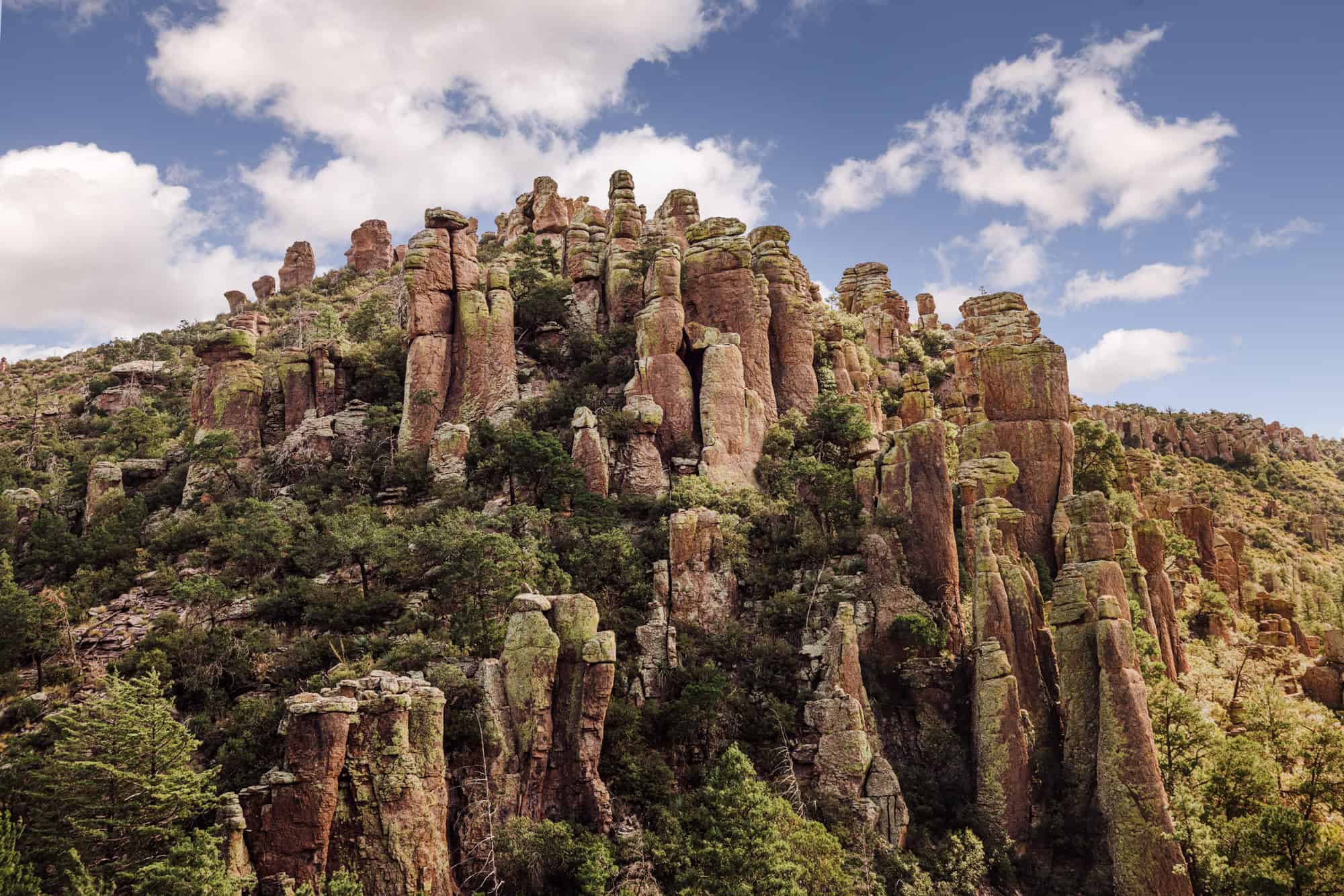
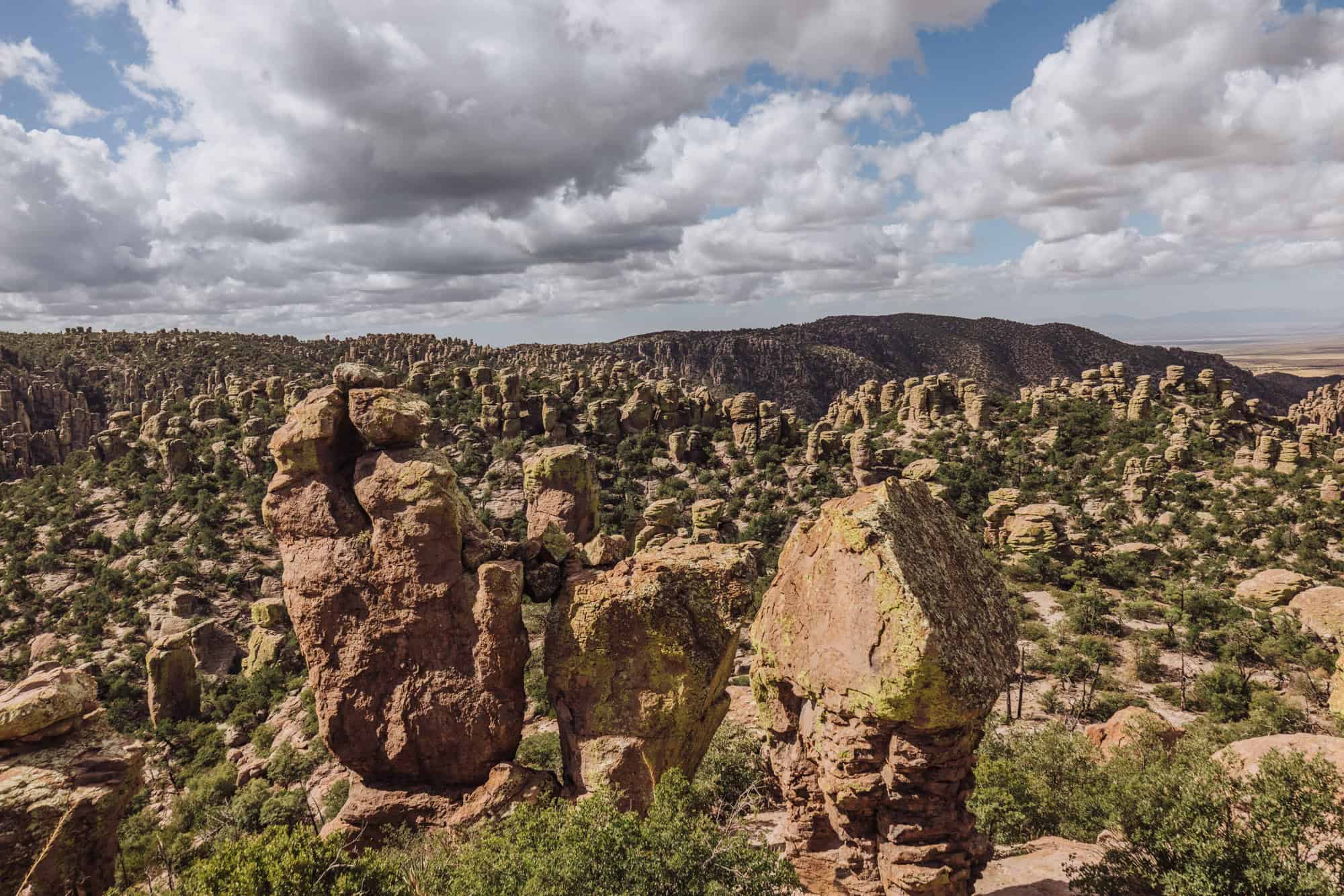
Chiricahua, America’s newest national park, is about 120 miles from Tucson. Willcox, the closest small city, is about 35 miles from the entrance. A long day trip like this is where a few rental decisions add up:
Compare locations. Check whether an in-town Tucson location beats the airport price.
Plan your fill-up. Top off in Willcox on the way back so you return the car full (mistake #5).
Leave a buffer. Give yourself extra time for the drive back so you don’t return the car late (mistake #9).
(Chiricahua National Park guide)
8. Paying with a debit card
Some rental companies accept debit cards, but often with strings attached: a credit check, a larger deposit hold, proof of a return flight, or limits on which cars you can rent. You’ll also likely lose the credit card coverage from mistake #1.
The fix:
Use a credit card, ideally one with rental car coverage. If you must use debit, read the company’s debit card policy for that specific location before you book.
9. Returning the car late
Most companies give you a short grace period. After that, you can be charged an extra hour, or a full extra day, often at a higher walk-up rate.
The fix:
Check your exact return time on the contract, not just the date. If you’re running late, call the location. If you know you’ll need the car longer, extend the rental before it’s due.
10. Not checking your final receipt
Surprise fees love to hide on the final bill: fuel charges, cleaning fees, extra days, add-ons you declined, and damage claims that arrive weeks later.
The fix:
Ask for a closed-out receipt at return, and review it before you leave. Check your card statement over the next month, too. If something’s wrong, dispute it right away with your photos, videos and gas receipt.
Bonus: Skipping the free loyalty program
Almost every major rental company has a free loyalty program. Joining often lets you skip the counter and go straight to your car, which also means skipping the upsell pitch completely. It takes five minutes to sign up online.
Bonus: Paying young driver fees you could avoid
If you’re under 25, most rental companies add a young driver fee, often $20 to $30 or more a day. On a week-long trip, that can cost more than the rental itself.
The fix:
Check whether a membership you already have waives it. AAA and USAA members can get the fee waived with some rental companies. Compare a few companies too, since fees and age rules vary.
Bonus: Getting surprised by a one-way drop fee
Flying into one airport and out of another is a great way to see more. But returning the car somewhere else can add a one-way drop fee, and it isn’t always obvious until checkout.
From the road: Glacier to Yellowstone, Montana
A road trip between Glacier and Yellowstone is one of our favorite drives, with hidden gems all along Highway 89. It’s also a classic one-way rental: flying into Glacier Park International and out of Bozeman, for example.
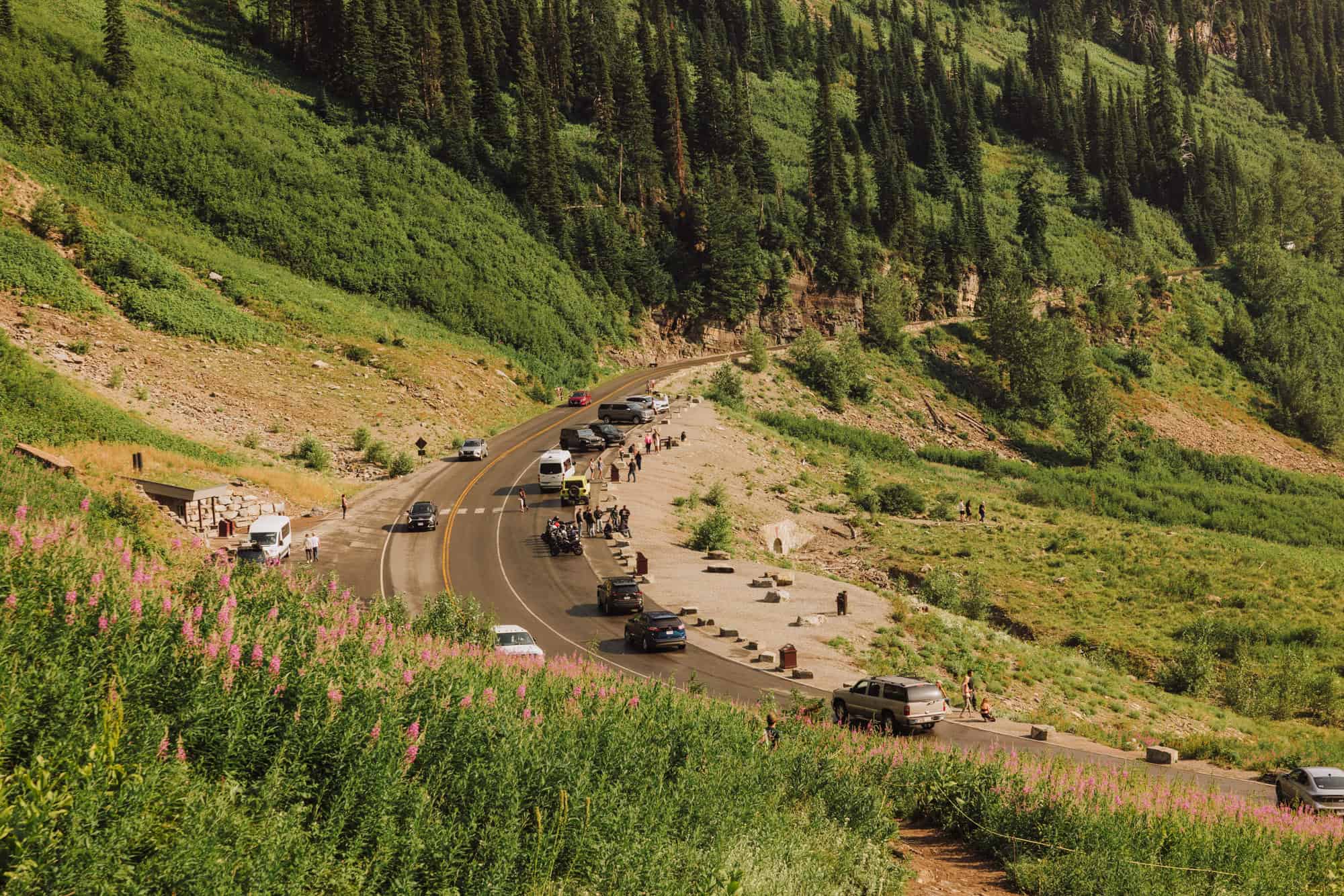
The fix: Price the one-way rental and a round trip side by side, try different companies, and look at a loop route that starts and ends at the same airport. (29 hidden gems between Glacier and Yellowstone)
Your 5-minute rental car checklist
Before you book
- Call your credit card: do you cover rental car damage, and is it primary or secondary?
- Call your auto insurer: does your policy extend to rental cars?
- Compare the airport price with a nearby neighborhood location
- Join the rental company’s free loyalty program
At the counter
- Pay with the card that covers you
- Decline the damage waiver if you’re covered, and decline prepaid fuel
- Ask how tolls are billed
- Take a walkaround video before you leave the lot
At return
- Refill the tank nearby and keep the receipt
- Take a second walkaround video
- Get a closed-out receipt and check your statement for 30 days
The bottom line
The rental counter makes money when you’re tired, rushed and nervous. Ten minutes of homework before your trip, mostly one phone call to your credit card company, can save you hundreds of dollars.
Planning a trip to Mexico? Renting a car there works very differently, starting with insurance that’s required by law.
Benefits and policies change. Always confirm your coverage with your card issuer and insurer before you rent. This post is for general information, not insurance or financial advice.