5 Big Changes to America’s National Parks in 2026
Our national parks have seen a variety of changes over the past few years, and we have a new round ahead in 2026.
They’ve been jarring at times, catching visitors by surprise.
First, record-breaking crowds that turned up during the pandemic led to changes designed to improve crowd control and the visitor experience. Several of the most popular parks still have reserved entry times.
Then came the Trump administration’s widespread cuts to staffing, as part of a broader effort to shrink government. Park advocates say the cuts are doing ongoing harm to the natural lands and the tourists who come to visit. The longest government shutdown in history in the fall of 2025 didn’t help.
For now, let’s get to the changes that’ll impact visitors to our national parks in 2026!
1. Park Pass Changes: Convenience & Controversy
The Department of the Interior made the annual “America the Beautiful” passes fully digital for the first time.
👏 GREAT IDEA ✅
In the past, people who lost their physical passes were out of luck. Now, they’re storable on your phone, on the Recreation.gov app!
The lawsuit over the new “America the Beautiful” Pass
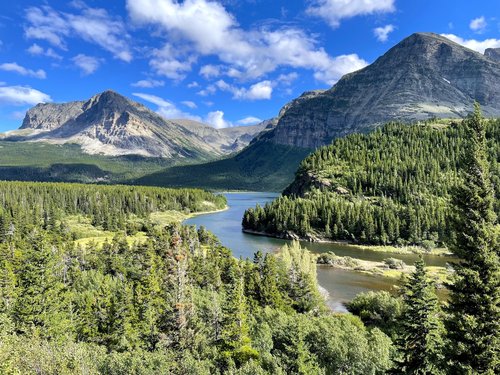
Each year, the “America the Beautiful” park pass features the winner of a national photo contest.
This year’s pass is supposed to feature this winning photo of Glacier National Park in Montana:
Instead, the pass will look like this:
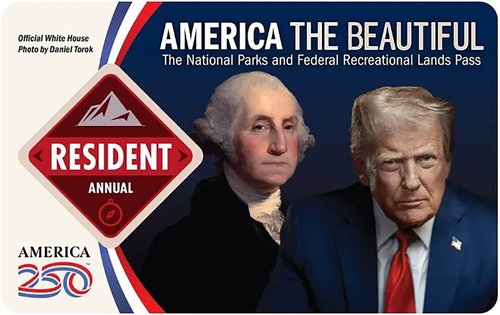
The Center for Biological Diversity filed a lawsuit, claiming “Our national parks are not a personal branding opportunity.”
While that plays out in court, you can just get your digital “America the Beautiful” Pass on Recreation.gov.
2. The Updated National Park Fee Structure
US residents will continue to pay $80 for a year-long “America the Beautiful” pass.
Plus, remember, there are great park pass deals for millions of Americans:
- $20 for senior citizens
- $80 for a lifetime senior citizen pass
- Free for US military (current)
- Free for military veterans
- Free for Gold Star families
- Free for 4th graders
- Free for citizens with a permanent disability
3. Changes to “Fee Free” Days in National Parks
This is where another controversy comes in.
The Trump administration planned more days with free entry into the national parks … but the changes are raising some eyebrows.
Cut from “fee free” days:
- MLK Day
- The first day of National Park Week
- Juneteenth
- The “Great American Outdoors Act” Signing Day
- National Public Lands Day
The New List of “Fee Free” Park Days
The new “patriotic fee-free days” include President Trump’s birthday (which coincides with Flag Day).
This is the list of days when it’s now free for US citizens to visit national parks:
- President’s Day: Feb. 16
- Memorial Day: May 31
- Flag Day/President Donald Trump’s birthday: June 14
- Independence Day weekend: July 3–5
- 110th Birthday of the National Park Service: Aug. 25
- Constitution Day: Sept. 17
- Theodore Roosevelt’s birthday: Oct. 27
- Veterans Day: Nov. 11
Most of the nation’s National Parks, Monuments, and Seashores do not charge entry fees. They include some of my favorites, like Capitol Reef National Park (which is part of an amazing road trip through Utah).
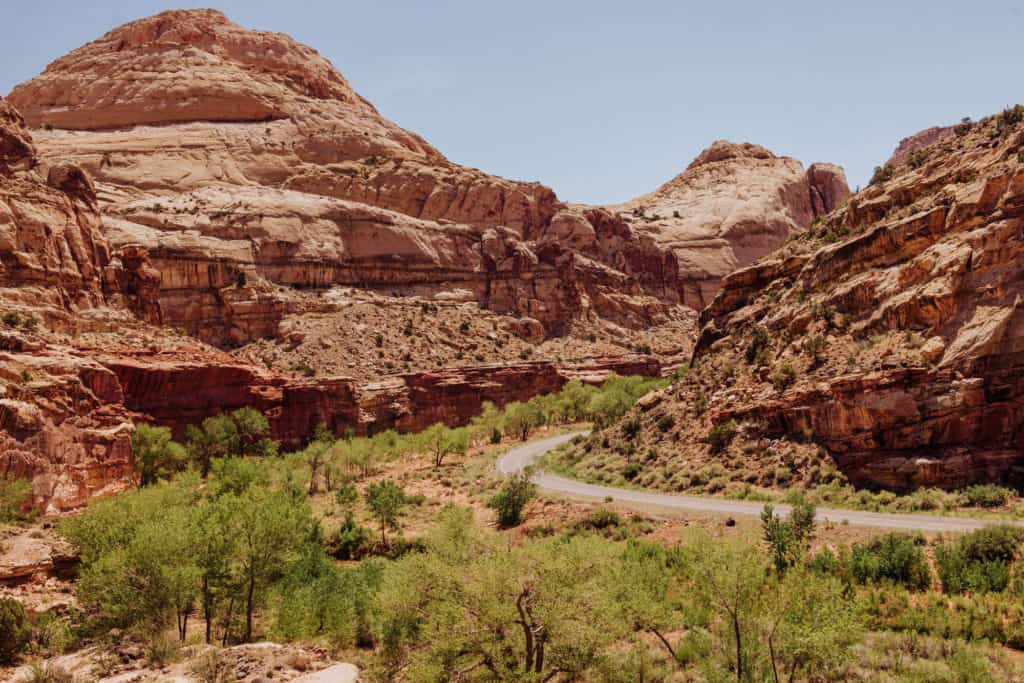
Still, many popular parks charge entry fees, which are capped (for the most part) at $35 per vehicle.
Side Note…
When thinking about our national parks, don’t forget about the beautiful seashores (like Point Reyes in California), and monuments (like Chiricahua and Walnut Canyon in Arizona) that make up the national park system!
It’s 433 site in all!
4. Foreign Visitors Will Pay More at the Parks
It’s not uncommon for other countries to charge foreign tourists higher entry fees to popular sites.
Now the US Interior Department will do the same.
The following national parks now charge a $100 fee to non-U.S. residents ages 16 and over:
- Acadia National Park
- Bryce Canyon National Park
- Everglades National Park
- Glacier National Park
- Grand Canyon National Park
- Grand Teton National Park
- Rocky Mountain National Park
- Sequoia & Kings Canyon National Parks
- Yellowstone National Park
- Yosemite National Park
- Zion National Park
The Reasoning:
“These policies ensure that U.S. taxpayers, who already support the National Park System, continue to enjoy affordable access, while international visitors contribute their fair share to maintaining and improving our parks for future generations,” explained Interior Secretary Doug Burgum.
5. The Ongoing Impact of Trump Cuts
The Trump administration slashed national park staffing by 24% in 2025, according to the National Parks Conservation Association.
The interior secretary has plans to cut even more positions in 2026.
So far, it’s impacted:
- Ranger staffing in the field
- Visitor centers
- Research projects
- Critical maintenance
The effects of the cutbacks have been fluid, like Saguaro National Park closing its visitor center on Mondays for a while last year. Add to the list:
- Zion National Park, reducing fee station operations and delaying health & safety inspections.
- Acadia National Park, seeing longer wait times from short-staffing.
- Denali National Park, reducing field camp operations and science programming.
- Great Smoky Mountains campground closures from storm damage, lasting longer.